 By
Last Updated:
The recommendations focus on insulin treatment, blood glucose monitoring and continuity of care, including during emergencies and humanitarian crises.




In India, the recommendations bring attention to two important concerns: the affordability of insulin and access to regular blood glucose monitoring.
More than a century after the discovery of insulin, access to this life-saving medicine remains uneven across the world. Addressing this gap, the World Health Organization (WHO) released its first-ever guidelines specifically for the diagnosis and management of type 1 diabetes in adults on November 14, 2026, marking World Diabetes Day.
The recommendations are designed to support healthcare providers across different health systems, including low-resource settings and areas affected by emergencies or humanitarian crises. They focus on improving access to insulin, blood glucose monitoring and continuity of care.
Type 1 diabetes is a lifelong autoimmune condition in which the immune system attacks the insulin-producing cells in the pancreas, leaving the body with little or no insulin. Without regular insulin treatment, blood glucose levels can rise dangerously.
Although the condition is often associated with childhood, it can develop at any age, including adulthood. An estimated 9.5 million people worldwide were living with type 1 diabetes in 2025, with around 500,000 new cases recorded that year.
Here are five key things patients and caregivers should know about the new WHO guidelines.
1. Insulin Therapy Remains Essential For Managing Type 1 Diabetes
People with type 1 diabetes need lifelong insulin treatment because their bodies cannot produce enough of the hormone to regulate blood glucose. One of the key recommendations in the WHO guidelines is intensified insulin therapy through multiple daily injections, with doses adjusted according to blood glucose levels and individual needs.

WHO recognises human insulin as an effective treatment option. Other formulations, including insulin analogues, may also be considered when clinically necessary or when human insulin is unavailable. The emphasis is on ensuring that patients have access to an appropriate, reliable and affordable insulin supply rather than depending on a single product.
2. Regular Blood Glucose Monitoring Is Crucial
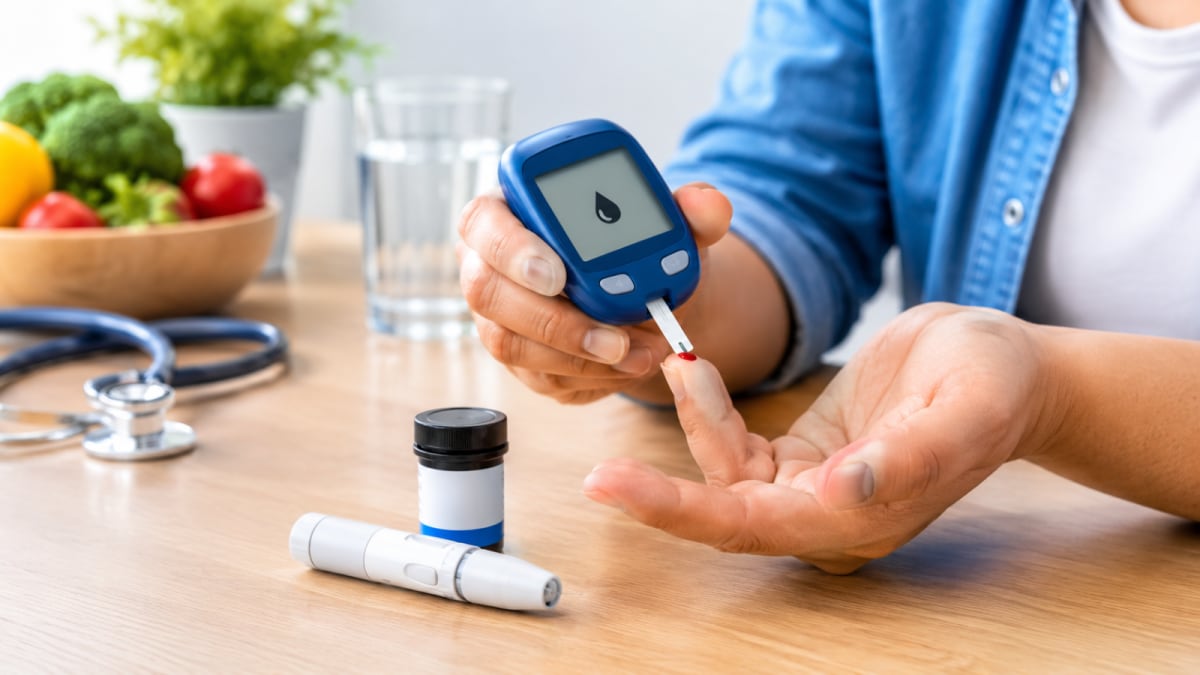
Insulin treatment needs to be accompanied by regular blood glucose monitoring. Tracking glucose levels helps patients and healthcare professionals understand fluctuations and make informed decisions about insulin doses, food intake and daily diabetes management.
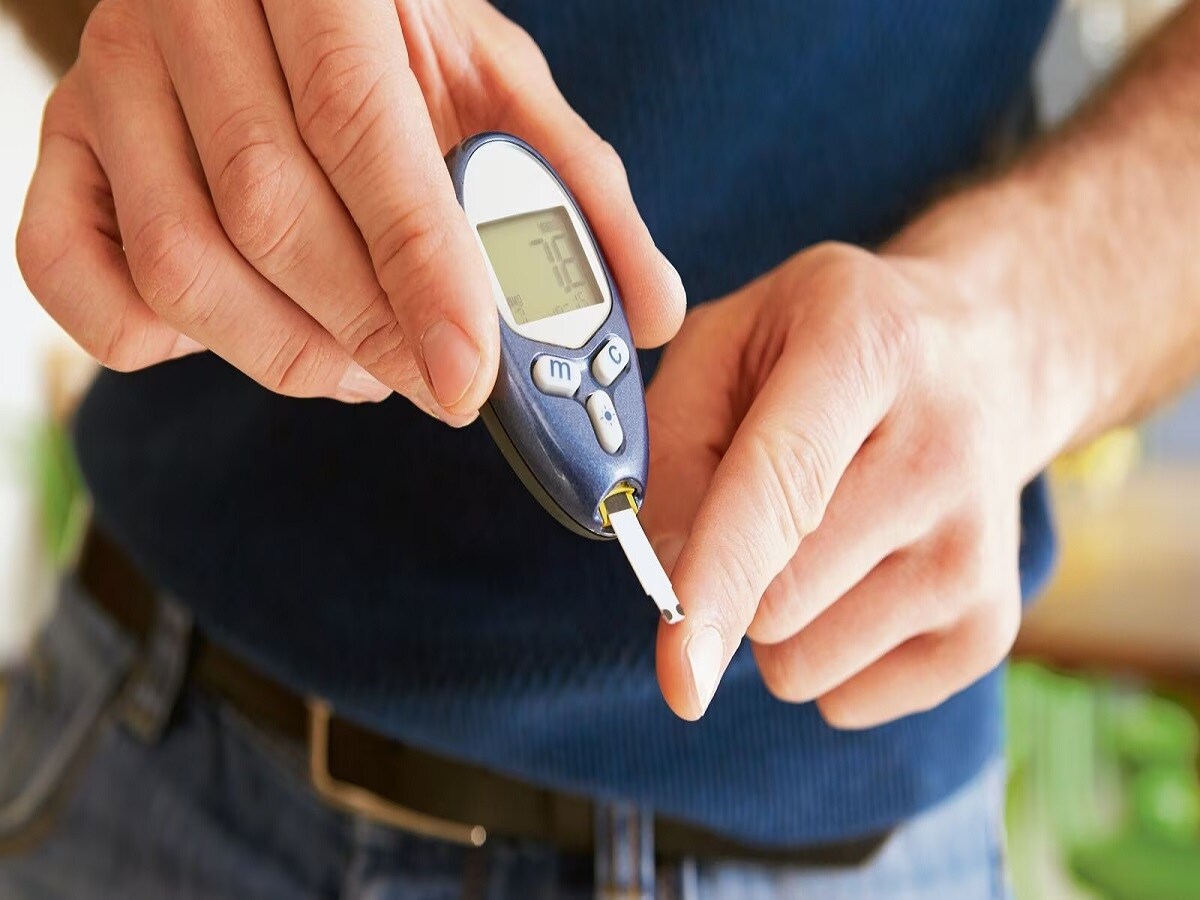
The guidelines address different monitoring methods, depending on availability and individual circumstances:
- HbA1c testing: This blood test estimates average blood glucose levels over approximately the previous two to three months.
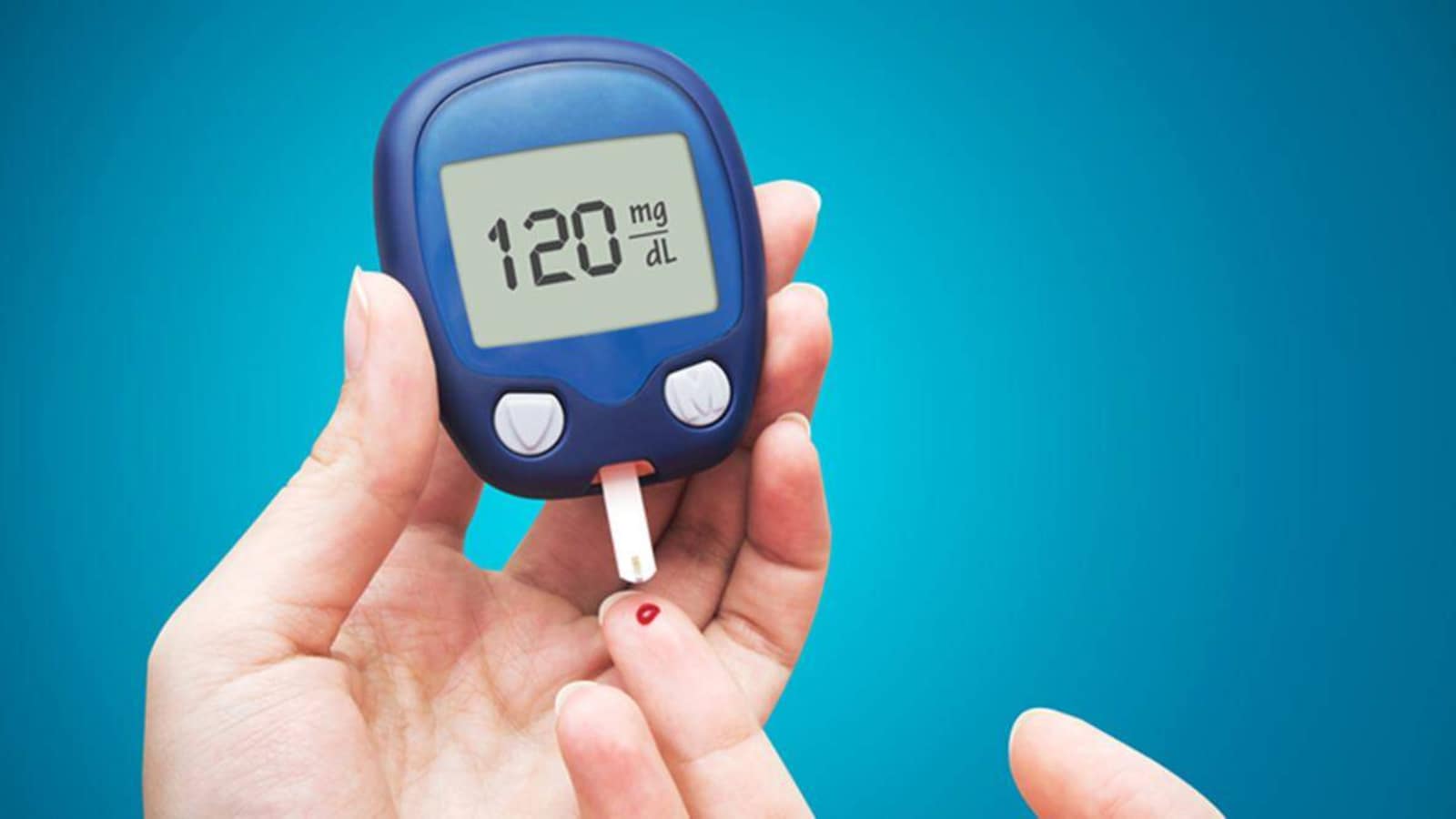
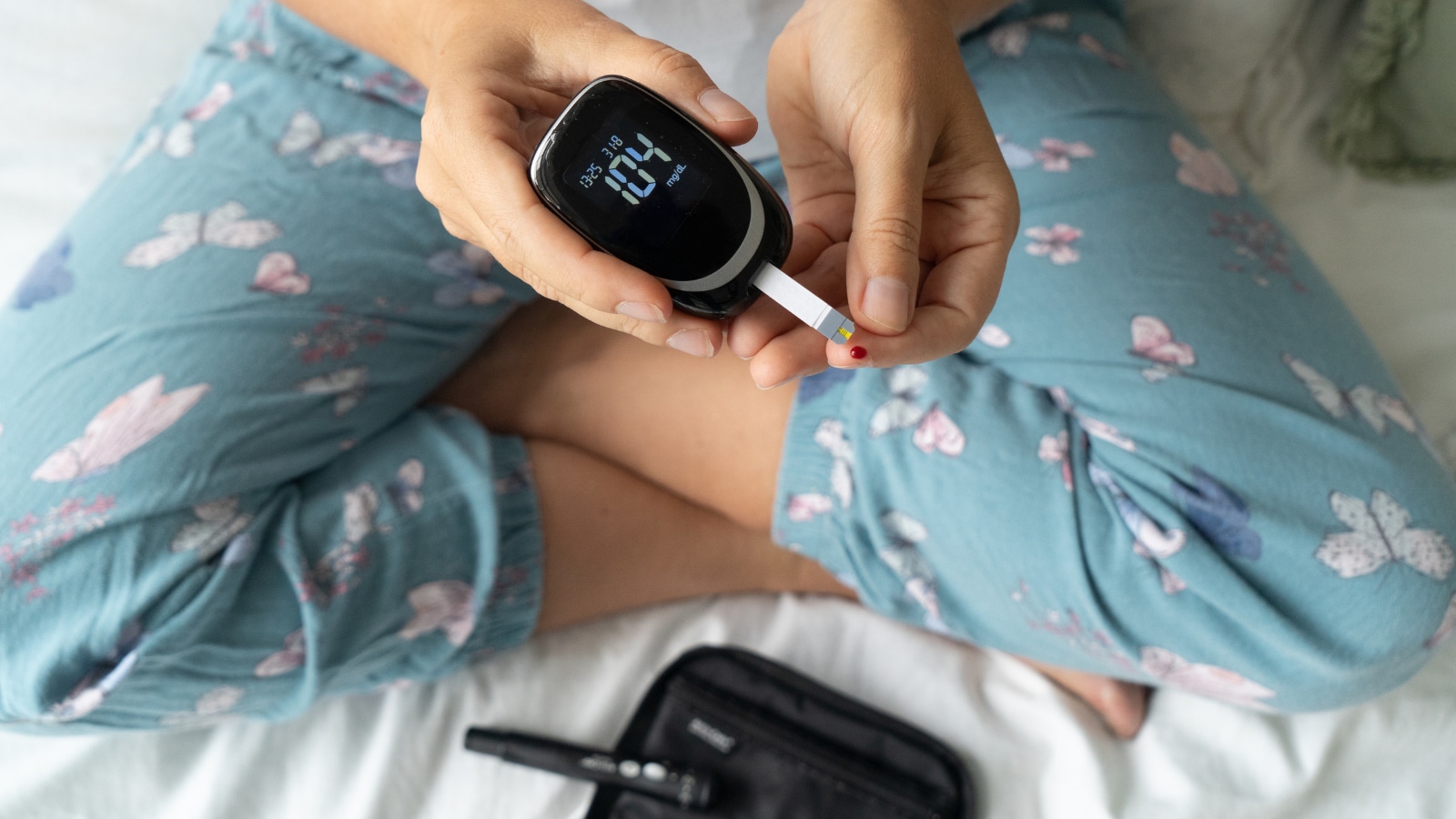
- Finger-prick testing: A glucose meter measures blood sugar using a small drop of blood, allowing patients to check their levels at home.
- Continuous glucose monitoring (CGM): A wearable sensor tracks glucose levels throughout the day and can help identify fluctuations.
- Urine glucose testing: This may be considered as an alternative where blood glucose testing is not available, although it does not provide the same level of information as blood glucose monitoring.
3. Treatment Must Be Adapted To Individual Needs
There is no single approach to managing type 1 diabetes that works for everyone. Insulin requirements, glucose patterns, access to medicines and a patient’s overall health can influence treatment decisions.
The WHO recommendations recognise the need to adapt insulin delivery and monitoring methods to individual circumstances and the resources available within a healthcare system. This is particularly important for patients who may not have regular access to diabetes specialists, advanced monitoring devices or newer insulin formulations.
4. Affordable Insulin And Continuity Of Care Are Major Priorities
Despite insulin being available for more than a century, many people still face barriers to accessing affordable, quality-assured supplies. The WHO guidelines seek to address this longstanding challenge by providing recommendations that can be applied across different healthcare settings.
They also highlight the importance of maintaining treatment during emergencies and humanitarian crises, when patients may face disruptions in access to medicines, medical supplies and routine consultations. For someone with type 1 diabetes, an interruption in insulin treatment can quickly become dangerous.
5. What Could The New Guidelines Mean For Type 1 Diabetes Care In India?
In India, the recommendations bring attention to two important concerns: the affordability of insulin and access to regular blood glucose monitoring. While insulin remains the foundation of treatment, newer technologies such as continuous glucose monitors and insulin pumps may not be equally accessible to everyone.
The guidelines offer a framework for improving diabetes care across healthcare systems, including those with limited resources. Their impact will depend on how effectively recommendations are translated into practice through reliable insulin supplies, affordable monitoring options, trained healthcare professionals and regular follow-up.
For patients, it is important to note that type 1 diabetes requires consistent medical care and lifelong insulin treatment. The new WHO guidelines aim to make that care more accessible, appropriate and dependable, regardless of where a person lives.
Quick Answers
 Ask News18
On November 14, 2026, the World Health Organization released its first-ever guidelines specifically focused on the diagnosis and management of type 1 diabetes in adults. The guidelines aim to improve access to insulin, blood glucose monitoring, and continuity of care across diverse health systems and low-resource or emergency settings.
Ask News18November 17, 2026, 16:30 IST