 By
Eight years after Australian cricket’s darkest day, Cameron Bancroft has broken his silence — saying the whole team knew about the sandpaper, that he hid the truth to protect others, and that Pat Cummins’ denial was the final straw.
By Hashim Khan
Sports Journalist | The BNN Media – The Best News Network
News Beyond the Borders
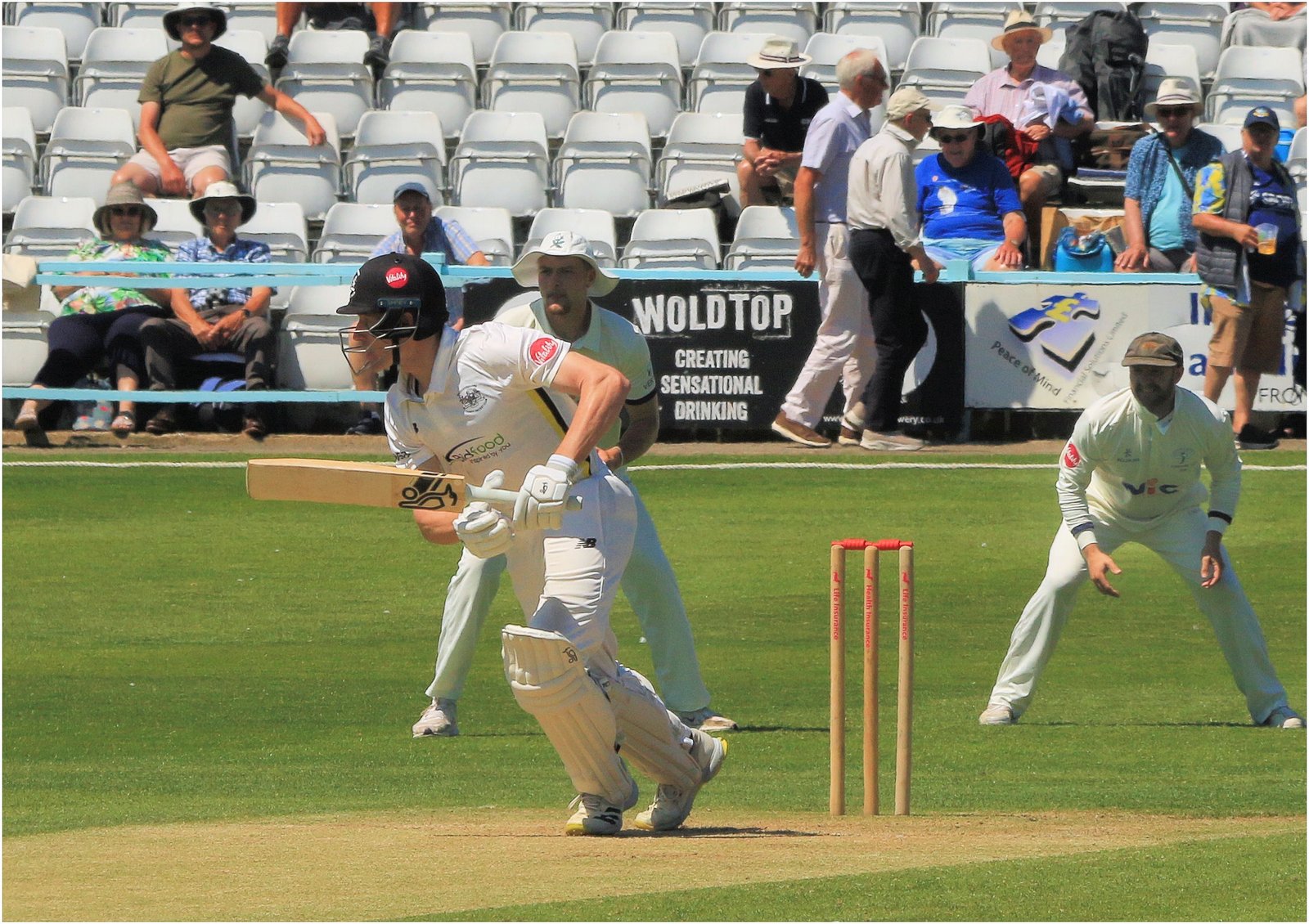
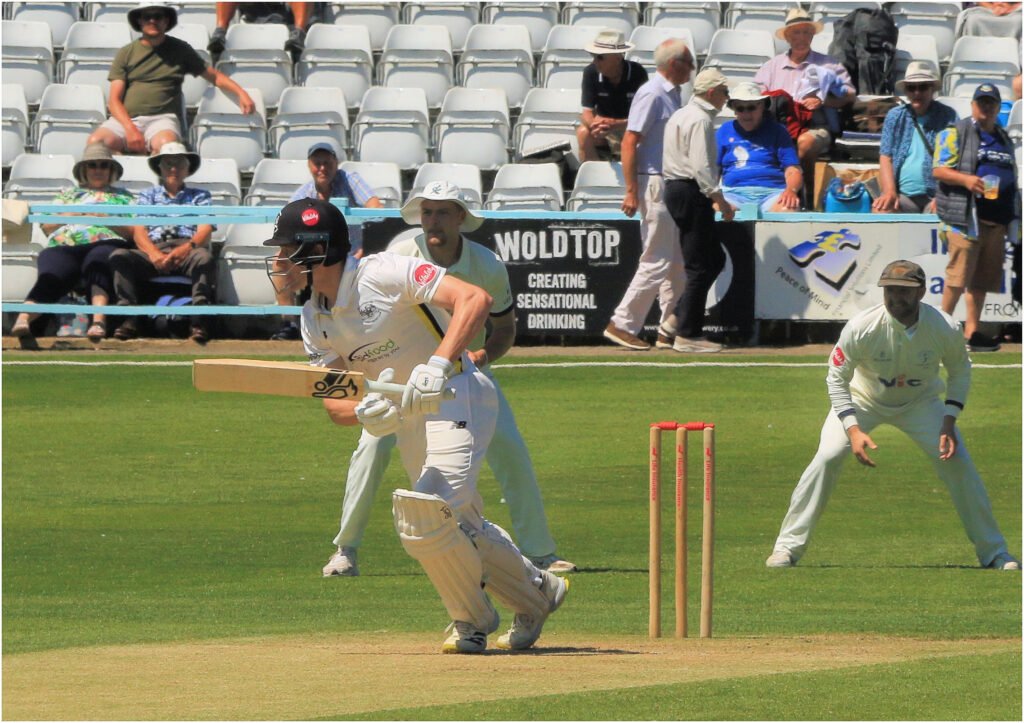
Sydney, Australia — Cameron Bancroft, one of the three players punished for the 2018 ball-tampering scandal, has said the entire Australian team knew he was using sandpaper on the ball during the tour of South Africa. In a statement of more than 4,000 words published in The West Australian on Wednesday, 18 November 2026, Bancroft admitted he did not give a “complete and truthful” account to Cricket Australia’s investigation in 2018 — and said the denial of the team’s wider knowledge by captain Pat Cummins left him feeling “angry, betrayed and alone”.
“It Was the Whole Team”
Bancroft’s central claim is stated plainly in his own words, as quoted by multiple outlets from his West Australian column:
“It was not just the three of us — Steve Smith, David Warner and I — who knew about me using sandpaper on the ball in South Africa. It was the whole team.”
He writes that he withheld key details during the 2018 investigation — “when the use of sandpaper began, how long it went on for, and the involvement and awareness of others” — because he did not want to implicate others around him. “For eight years, I shared the burden of this story for the whole team,” he wrote, adding that the burden “was heavier than my capacity and I took the bullet for everybody, and it was my choice.”
Bancroft also claims he had regular conversations with the fast bowlers — Pat Cummins, Mitchell Starc, Josh Hazlewood and Mitchell Marsh — about whether the ball was reverse swinging enough, and that the bowlers gave feedback on his “work on the ball”. He also says the bowlers and wicketkeeper Tim Paine were in constant conversation with him about how the ball was behaving, writing: “We did this together for the bowlers especially, but more widely the team and to win the game.” He further says the plan was discussed in a “wider team environment”, with head coach Darren Lehmann and bowling mentor David Saker both present when the group agreed to it — and that Smith joined the conversation briefly before making it clear he “wanted no part in it”. These are Bancroft’s claims, and they have not been independently verified.
This is an allegation about what the team knew — not proof of what any individual player knew.
What Happened in Cape Town
The scandal, known as Sandpapergate, erupted during the third Test against South Africa in Cape Town on 24 March 2018, when television cameras caught Bancroft using a yellow object — sandpaper — to alter the surface of the ball as Australia tried to generate more reverse swing. He was then seen hiding the sandpaper down the front of his trousers after realising the incident had been broadcast.
Cricket Australia’s investigation found that Warner had developed the plan and instructed Bancroft to carry it out. The punishments were severe:
- Steve Smith, then captain — banned for 12 months and barred from leadership roles
- David Warner, then vice-captain — banned for 12 months and barred from leadership roles
- Cameron Bancroft — banned for nine months, plus a one-year ban from any leadership role
At the time, all three maintained they were the only members of the touring party involved. The four bowlers who played in the Cape Town Test — Cummins, Hazlewood, Starc and Nathan Lyon — issued a statement denying any knowledge of the plan and calling for an end to what they described as rumour-mongering and innuendo.
How Khawaja’s Book Reopened the Wound
The affair had been buried for eight years until Usman Khawaja’s autobiography, Sabr, dragged it back into the open. An extract published on 6 November 2026, ahead of the book’s release on 10 November, claimed knowledge of the ball-tampering plan extended well beyond Smith, Warner and Bancroft. Asked by the Sydney Morning Herald who knew, Khawaja answered simply: “All of us.”
Warner sided with Khawaja. Another member of the 2018 touring party, Chadd Sayers, also backed Khawaja’s account. Sayers, who was 12th man in Cape Town, has said he carried the sandpaper off the field himself with the drinks after tea, that the plan was already in motion in Port Elizabeth a week earlier, and that Cricket Australia never interviewed him. Bancroft is now the third member of that touring party to come forward since the book’s publication.
Cummins responded at a marathon press conference in Sydney on Friday, 13 November, lasting around 68 minutes, in which he took every question and described Khawaja’s version of events as “utter nonsense”. He said: “When (Usman Khawaja) says ‘we all knew’, if by that he means that we knew sandpaper was going out on the field, he’s 100 percent wrong.”
Bancroft writes that watching that press conference was the breaking point. “The final straw for me to write this account was Australian cricket captain Pat Cummins’ press conference,” he wrote. “It made me feel angry, betrayed and alone.”
Cummins’ Response — and the Captaincy Question
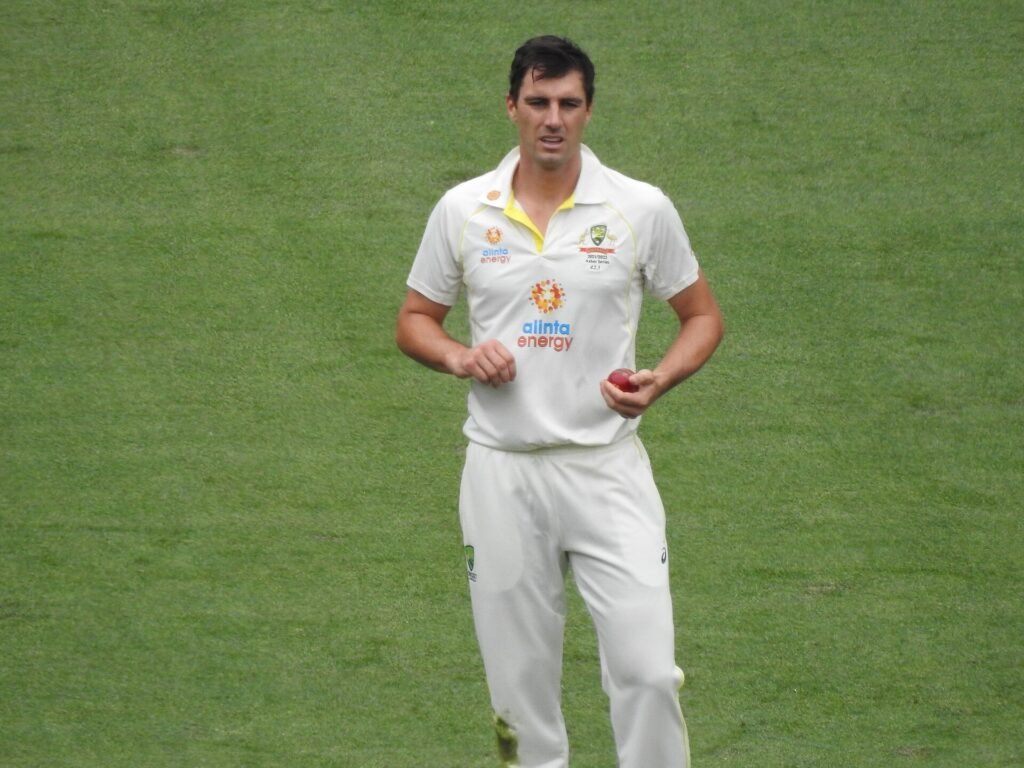
A statement released on behalf of Cummins after Bancroft’s column appeared did not shift his position. “Whilst we feel for Cam and everything he’s been through there’s nothing in the statement that hasn’t been answered by Pat in his press conference,” it said.
Cummins’ position has not changed, and Cricket Australia’s interim chair David Boon has argued that his account has been consistent — what he said after the 2018 Test, some years later, and again last week. The four bowlers have previously denied publicly that they were aware of the plan.
But the question now being asked openly in Australian cricket is whether a captain whose account is directly contradicted by a teammate can keep the job. One commentator quoted in Australian media this week asked whether an Australian captain who knew about the Cape Town sandpaper plot, and then publicly claimed otherwise, could remain in the job — and argued that integrity, not just winning, is what the captaincy is about.
The debate has sharpened because of timing. The Ashes series against England begins in Perth on Friday, 21 November, and Cummins has already been ruled out of the first Test with a back injury — a lumbar stress problem picked up on the tour of the West Indies in June — with Steve Smith set to captain the side in his place. Josh Hazlewood is also out of the opener, and Scott Boland is expected to take Cummins’ place in the attack.
Whatever happens with the captaincy, Cummins will not lead Australia out in Perth — injury has already taken that decision out of everyone’s hands for the first Test.
Cricket Australia’s Answer: A Forum, Not a New Inquiry
Cricket Australia moved on the same day Bancroft’s statement appeared. Chief executive Todd Greenberg announced on Wednesday morning that CA will open a confidential independent forum for all those who were on the 2018 South African tour, giving players a chance to discuss the incident without fear of further sanctions.
But CA has made clear it will not reopen the investigation. Greenberg confirmed that only eight of the 11 players in the Cape Town Test were interviewed in 2018. In a statement later in the day, CA said: “We respect that Cameron Bancroft has told his story, and we will take time to consider his comments.” CA added that it expects “many dimensions to the events of 2018”, which is why it established the forum, and that it is finalising the terms of reference and will start the process as soon as possible.
That leaves Australian cricket in an uncomfortable middle ground: a forum to talk, but no fresh inquiry to establish the facts — and two directly contradictory accounts of what happened in 2018, with no independent evidence yet produced to settle which one is true.
Why This Will Not Go Away
Sandpapergate was never only about a piece of sandpaper. It became a national reckoning about Australian cricket’s culture — the win-at-all-costs attitude, the leadership group, and the price paid by three men while others walked away untouched. The bans ended careers’ momentum: Smith and Warner lost a year, Bancroft lost nine months and, by his own account, carried the story alone for eight years.
What has changed now is that the three men who were punished are no longer telling the same story as the rest of the team. Khawaja says all of them knew. Warner backs him. Bancroft, the man caught on camera, now says so too — and says he lied to the investigation to protect them.
Against that stands Cummins, who has denied it in 2018, in the years since, and again last week, in the longest press conference of his career. One side is wrong. Australian cricket now has to decide how much that matters — and whether a forum for talking is enough when the question is one of truth.
What Happens Next
The Ashes begin on Friday in Perth, with Smith leading a side missing its captain and its senior fast bowlers. The cricket will, for a few days at least, take over. But Bancroft’s statement has ensured that the questions will follow the team through the summer: who knew, who said what in 2018, and whether the captaincy of Australian cricket can survive a teammate calling its holder’s account untrue.
Cricket Australia’s forum may give the 2018 touring party a place to speak. Whether it gives the public an answer is another matter entirely.
Eight years on, Sandpapergate is no longer a closed case — it is an open question about who told the truth, and Australian cricket still has no answer.
Sources: Cricbuzz, TNT Sports, Sporting Life, Crictracker and Yardbarker, reporting Bancroft’s statement in The West Australian, 18 November 2026; Usman Khawaja’s Sabr and Cricket Australia’s announcements. Bancroft’s claims about other players and staff are allegations as reported; they have not been independently verified. This article follows The Best News Network’s report of 11 November 2026 on Khawaja’s claims.
By Hashim Khan
Sports Journalist | The BNN Media – The Best News Network
News Beyond the Borders