 By
Greece’s flag carrier will restore a direct air link between the European Union and Syria this winter, as Syrian Airlines adds German cities and more European carriers receive approval to fly to Damascus.
By The BNN Media
The Best News Network
News Beyond the Borders
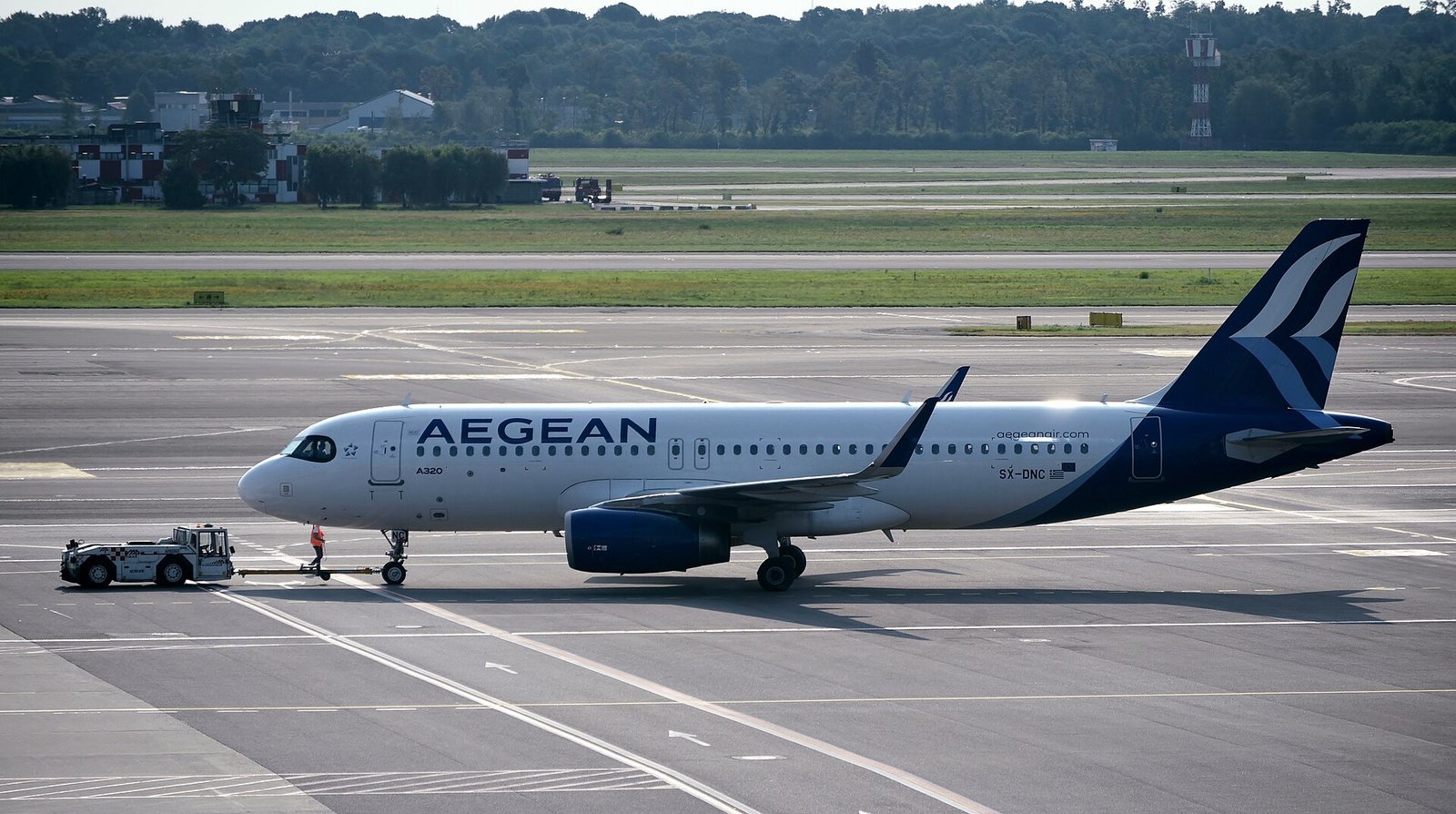
Athens, Greece — Aegean Airlines will begin nonstop flights between Athens and Damascus on 2 December 2026, operating up to four times a week during the winter season and giving Syria its first direct scheduled link with a European Union flag carrier since the country’s civil war.
A new European gateway to Damascus
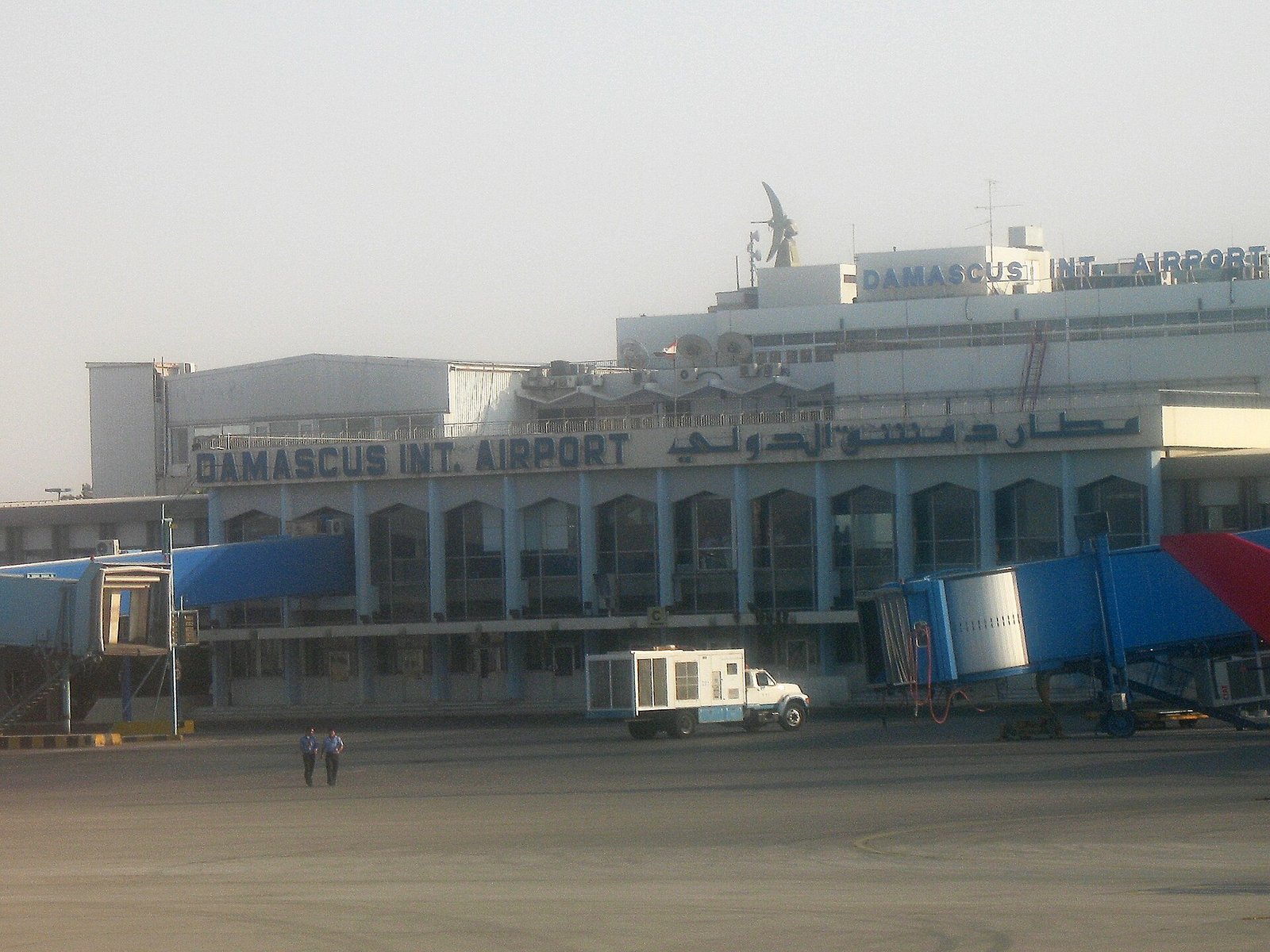
The Athens–Damascus service will connect Athens International Airport with Damascus International Airport, restoring a route that has been absent for years. Aegean announced the service in October as part of a wider rebuilding of its Middle East network, and the launch remains subject to the completion of the required assessments and procedures.
For Syria, the route matters beyond a single timetable entry. Athens is one of Europe’s busiest transit hubs, and a direct link there gives passengers travelling to and from Syria a new way to connect onwards across Europe without routing through Istanbul, the Gulf or other regional hubs.
The message is one of reconnection, not of a return to normal tourism — the new flights open a door, but the warnings around travel to Syria have not moved.
The Athens schedule: what travellers can expect
According to the airline’s announcement, as reported by GTP Headlines and Aviation Week, flights are planned for Mondays, Wednesdays, Thursdays and Saturdays through the winter 2026–27 season, operated by Airbus A320-family aircraft of the type Aegean uses across its regional network.
- Route: Athens International Airport (ATH) – Damascus International Airport (DAM), nonstop
- Start date: Wednesday, 2 December 2026
- Frequency: Up to four times a week in winter (Mondays, Wednesdays, Thursdays and Saturdays)
- Aircraft: Airbus A320 family, as used on Aegean’s regional routes
One timetable listing reported elsewhere has shown three weekly flights rather than four, so passengers should confirm the day of travel when booking. Aegean has not published a summer 2027 schedule for Damascus, and whether the route continues beyond the winter season has not been confirmed.
Berlin and Munich are already flying
Aegean is not the first carrier back. Syrian Airlines, the Syrian flag carrier, opened a route between Damascus and Munich on 12 November, three days after launching twice-weekly flights to Berlin Brandenburg Airport on 10 November, according to Aviation Week. Both German routes operate twice a week using Airbus A320 aircraft.
The German additions extend a European rebuild that began on 2 July, when Syrian Airlines resumed flights between Damascus and Amsterdam three times a week. Copenhagen followed on 21 September and Vienna the next day. Germany and Syria signed a new air transport agreement in July, providing the regulatory basis for the return of direct services.
The wider recovery is striking in scale. Airlines scheduled about 1.8 million departing seats from Syrian airports between January and November 2026, up 68.5 per cent on about 1.07 million in the same period of 2025, Aviation Week reported, with the number of nonstop airport pairs rising from 31 to 55. An estimated 549,300 passengers travelled both ways between Syria and Europe in the 12 months to June 2026 — more than nine times the total of the previous 12 months.
More German routes are on the way
The German network is set to widen further in December. Syria’s General Authority of Civil Aviation and Air Transport (GACA) announced that private Syrian carrier Fly Cham will launch direct Damascus–Düsseldorf flights on 4 December 2026.
Days later, GACA said German carrier Eurowings, a subsidiary of the Lufthansa Group, had been granted formal approval to operate scheduled direct flights between Damascus and four German cities — Berlin, Hamburg, Düsseldorf and Stuttgart — from 16 December 2026. The announcement was made by GACA President Omar Al-Husari to the state news agency SANA on 17 November.
- Fly Cham: Damascus–Düsseldorf, from 4 December 2026
- Eurowings: Damascus–Berlin, Hamburg, Düsseldorf and Stuttgart, approved from 16 December 2026
- Syrian Airlines: Damascus–Berlin (from 10 November) and Damascus–Munich (from 12 November), twice weekly each
Taken together, the announcements point to Germany becoming the centre of gravity for Syria’s European air links this winter — a reflection of the size of the Syrian community there.
Why the routes are returning now
The return of European flights follows the fall of former Syrian president Bashar al-Assad’s government in December 2024 and the subsequent easing of international sanctions. The European Union lifted most of its remaining economic sanctions on Syria in May 2025, keeping only measures maintained on security grounds, according to Aviation Week.
That easing has removed some of the barriers to fleet and network expansion, although Syrian Airlines’ general manager, Captain Anwar Akkad, told Aviation Week that financial institutions have been slow to adjust their compliance procedures. Damascus airport’s destinations board has meanwhile grown to 22 direct routes, with services added to Moscow and Tripoli and Etihad Airways moving its Abu Dhabi–Damascus service to daily.
Who is likely to fly
The new routes are aimed first at the Syrian diaspora and at people with family and business ties between Syria and Europe. Germany is the second-largest country market for Syria after Turkey, accounting for about 113,500 passengers in the period covered by Aviation Week’s report, with Düsseldorf the largest German city market.
Germany’s 2025 microcensus found that about 732,000 people living in Germany had come from Syria after fleeing conflict or persecution, or to seek asylum or other international protection. That community is the natural market for the new flights — but demand for short visits may be limited. The German government said in August that short visits to Syria could trigger a review of a traveller’s protection status, unless there is a compelling reason for the journey. Any withdrawal of protection is not automatic, and would not necessarily remove a person’s right to remain in Germany, which may rest on other grounds.
The airlines are rebuilding a bridge for a scattered population — but for many Syrians in Europe, the decision to fly home, even for a visit, still carries real legal uncertainty.

The warning that has not changed
None of this amounts to a safety all-clear. The UK Foreign, Commonwealth & Development Office (FCDO) advises against all travel to Syria, citing unpredictable security conditions and the threat of terrorist attacks. Its advice, updated on 18 November 2026, warns that travel insurance could be invalidated if travellers go against it, and that consular support is not available from the British government from within Syria.
The FCDO’s advice records serious attacks in Damascus in 2026, including improvised explosive devices detonated outside a hotel and the Ministry for Tourism in July, and in a crowded café in central Damascus. The United States also maintains its highest-level “Do Not Travel” advisory for Syria.
Travellers should check their own government’s advice, confirm visa requirements and check the airline’s timetable directly before booking. Flight routes, passenger rules and visa arrangements can change at short notice, and the new services remain subject to regulatory and operational conditions.
New flights make Damascus easier to reach — they do not make Syria safe to visit, and every government warning in force today says so plainly.
Sources: GTP Headlines; Aviation Week; SANA / Syria’s General Authority of Civil Aviation and Air Transport, via 3balad; UK Foreign, Commonwealth & Development Office.
By The BNN Media
The Best News Network
News Beyond the Borders