
 By
Petrol became cheaper for the eighth day in a row on Friday, falling by Rs3 to Rs332 a litre, while high-speed diesel dropped by Rs4 to Rs360 a litre under the government’s daily fuel-price review.
By Salar Khan
Reporter | The BNN Media – The Best News Network
News Beyond the Borders
Islamabad, Pakistan — The federal government has cut the price of petrol by Rs3 per litre to Rs332 and high-speed diesel by Rs4 to Rs360 per litre, the Oil and Gas Regulatory Authority (OGRA) announced on Thursday night, with the new rates effective from Friday, 13 November 2026.
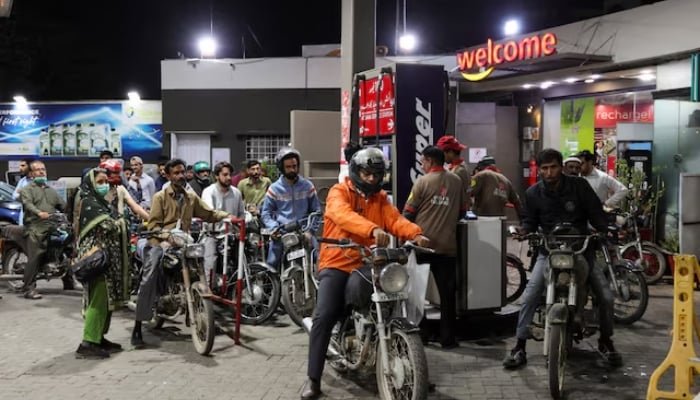
The new prices
The revised rates are ex-depot prices announced by OGRA. Petrol falls from Rs335 a litre to Rs332, and high-speed diesel from Rs364 to Rs360. The announcement was made late on Thursday, and the new prices apply from Friday.
- Petrol: Rs335 → Rs332 per litre (down Rs3)
- High-speed diesel: Rs364 → Rs360 per litre (down Rs4)
- Effective from: Friday, 13 November 2026
- Announced by: OGRA, on Thursday night
Because the notified prices are ex-depot rates, what a driver actually pays at the pump can differ slightly from district to district, depending on the freight margin. Prices of hi-octane petrol, CNG and LPG vary by company and location.
For motorists, the relief is modest but real — the eighth small cut in a row, and the pump price is now far below where it stood at the start of the month.
Eighth cut in a row
Friday’s reduction is the eighth consecutive decrease in fuel prices. Petrol has now fallen by Rs45.91 a litre in eight days, from Rs377.91 on 2 November to Rs332 today, while diesel is down Rs42.96 over the same period, from Rs402.96 to Rs360.
The day before, on Wednesday, the government had cut petrol by Rs3 to Rs335 and diesel by Rs7 to Rs364. Each cut on its own is small, but added together they amount to nearly Rs46 a litre off petrol in less than two weeks.
How the daily price review works
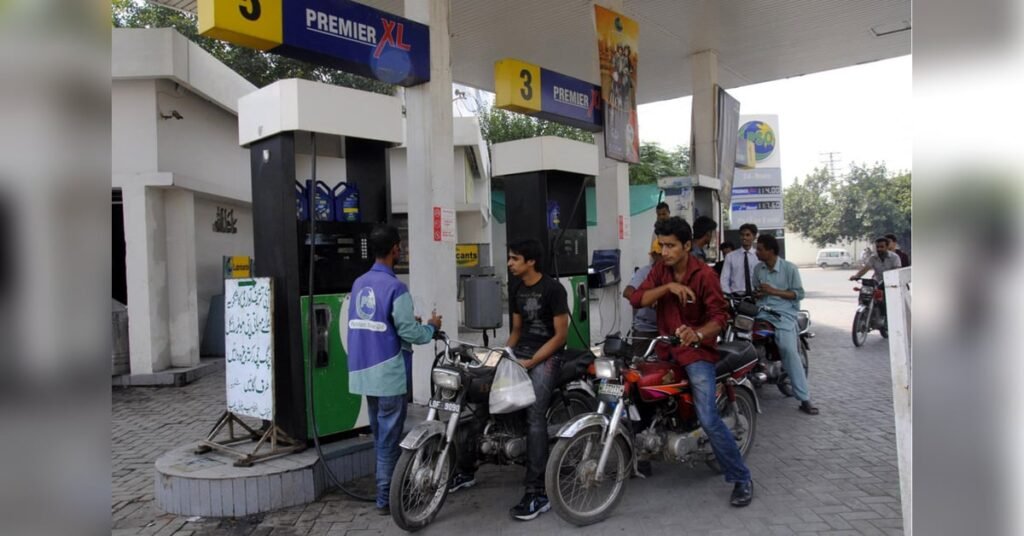
The cuts come under OGRA’s daily pricing mechanism, under which fuel prices are revised every morning on a seven-day rolling average of international benchmarks. OGRA has also begun publishing daily petroleum prices on its website, so that changes in international oil prices reach consumers more quickly and with greater transparency.
The government switched to the daily review amid volatility in global oil rates, driven by renewed hostilities in the Middle East. It had earlier moved to a weekly fuel price review system after the conflict in the Middle East began on 28 February.
The revised prices are determined under the petroleum products pricing mechanism approved by the federal government, according to OGRA’s press release.
The mechanism means prices can move in either direction — under daily pricing, today’s cut can be followed by a rise at the next morning’s revision if international benchmarks turn upward.
What drivers still pay in tax
Despite the run of cuts, taxes and duties still make up a large share of the pump price. According to the notification of 5 November, taxes and duties stand at Rs114 a litre on petrol and Rs100 a litre on diesel, unchanged in the latest revision.
That means more than a third of the price of every litre of petrol is tax and duty, even after eight days of reductions. The government has kept those levies in place while passing on the fall in international prices.
What it means for households
Fuel prices feed into the cost of almost everything — transport fares, food prices and the cost of running a generator or a motorcycle, the vehicle most Pakistani families rely on. A fall of nearly Rs46 a litre in eight days eases pressure on household budgets, particularly for daily-wage earners and small transporters.
For diesel users — truckers, farmers and public transport operators — the Rs42.96 fall over the same period is equally significant, since diesel powers the trucks that move goods across the country.
What to watch next
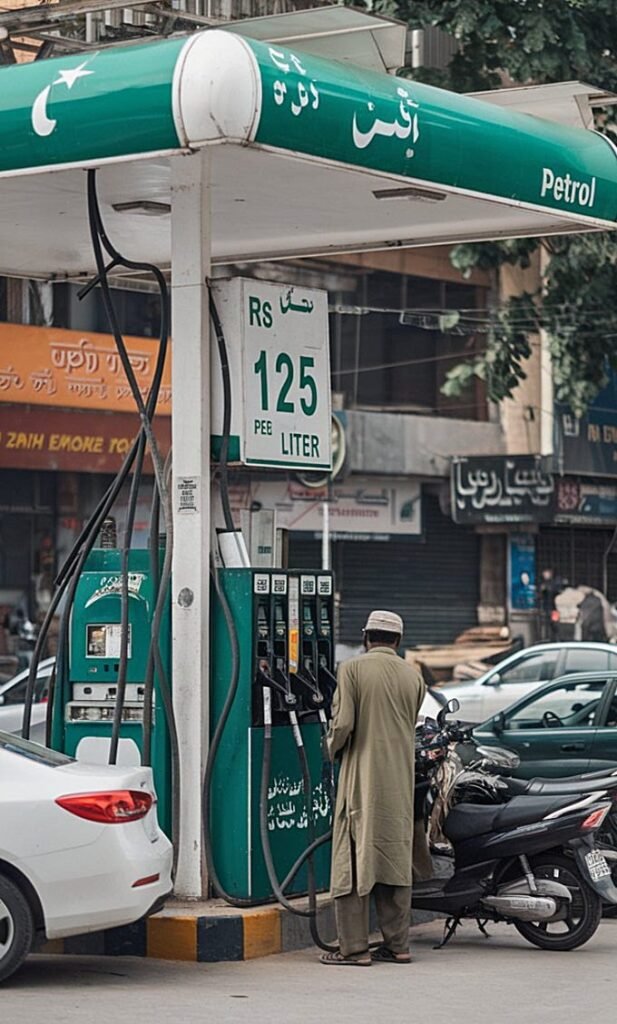
Under the daily mechanism, these prices can change again at the next revision. The figures above are the notified rates for 13 November 2026, and motorists should expect a fresh announcement each morning.
Whether the downward run continues will depend on international oil prices, the rupee-dollar exchange rate and the taxes and levies the government chooses to keep in place.
Eight cuts in eight days have brought real relief — but with daily pricing, the only certainty is that the price will be reviewed again tomorrow.
By Salar Khan
Reporter | The BNN Media – The Best News Network
News Beyond the Borders
Source: OGRA notification via Dawn, Business Recorder and The News