By
Europe will finally have a voice of its own in the negotiations to end the war in Ukraine — and now the continent knows exactly whose voice it will be.
By Ihsan Ur Rehman
Editor-in-Chief | The BNN Media – The Best News Network
News Beyond the Borders
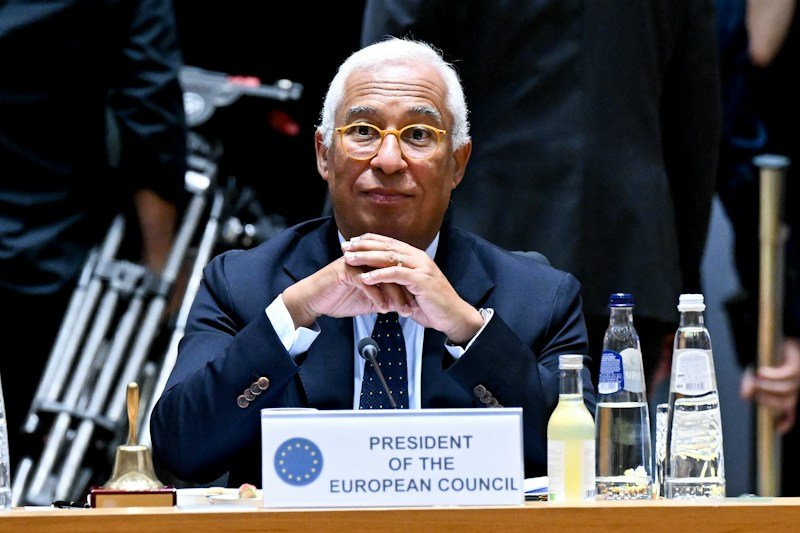
DUBLIN, Ireland — European Union leaders have agreed that Europe’s team for the Ukraine peace talks will comprise five major military powers — Britain, France, Germany, Italy and Poland — together with the European Union’s institutions, European Council President António Costa announced on Friday, 13 November, bringing to an end months of wavering over who will speak for the continent.
A Decision Taken in Dublin
The agreement was reached at a leaders’ meeting in Dublin, where the question of Europe’s role in the American-led peace process dominated the agenda. Costa, who chairs EU summits, told a press conference at the end of the meeting that the continent would now act as one team.
“Europe must speak with one clear voice and united voice in all discussion that shape the future of Ukraine and the security of our continent. And this is ultimately a team effort,” Costa said.
The five countries, known in diplomatic shorthand as the E5, are the continent’s largest military powers. Britain is not a member of the European Union, but its inclusion underlines that the team is built around military weight and political clout rather than EU membership alone. Officials said the European side was also likely to include delegates from the European Commission and the European Council, the body that brings together EU governments, and that NATO was also expected to be represented.
Why This Moment Matters
For nearly two years, Europe has been effectively sidelined in talks with Russia about ending the war in Ukraine, even though the war is being fought on European soil and European governments have supplied much of the military, financial and diplomatic support keeping Kyiv going. That exclusion has been a source of growing frustration in Brussels, Paris, Berlin and Warsaw — and it is why Friday’s announcement was welcomed so warmly in Kyiv and in European capitals.
Ukrainian President Volodymyr Zelensky, who was in Dublin for the summit, said the change was fundamental to his country’s future. “It is important that Europeans, next time, next meeting, Europe will be on the negotiating team, not somewhere, not separately. They will have a voice,” he told reporters after being briefed by the American envoys.
“This is important to us because the war is in Europe. We will be a member of the EU in the future and that is why it is very important. For prosperity and for security guarantees, it is very important to have Europe,” Zelensky added.
How the Door Opened
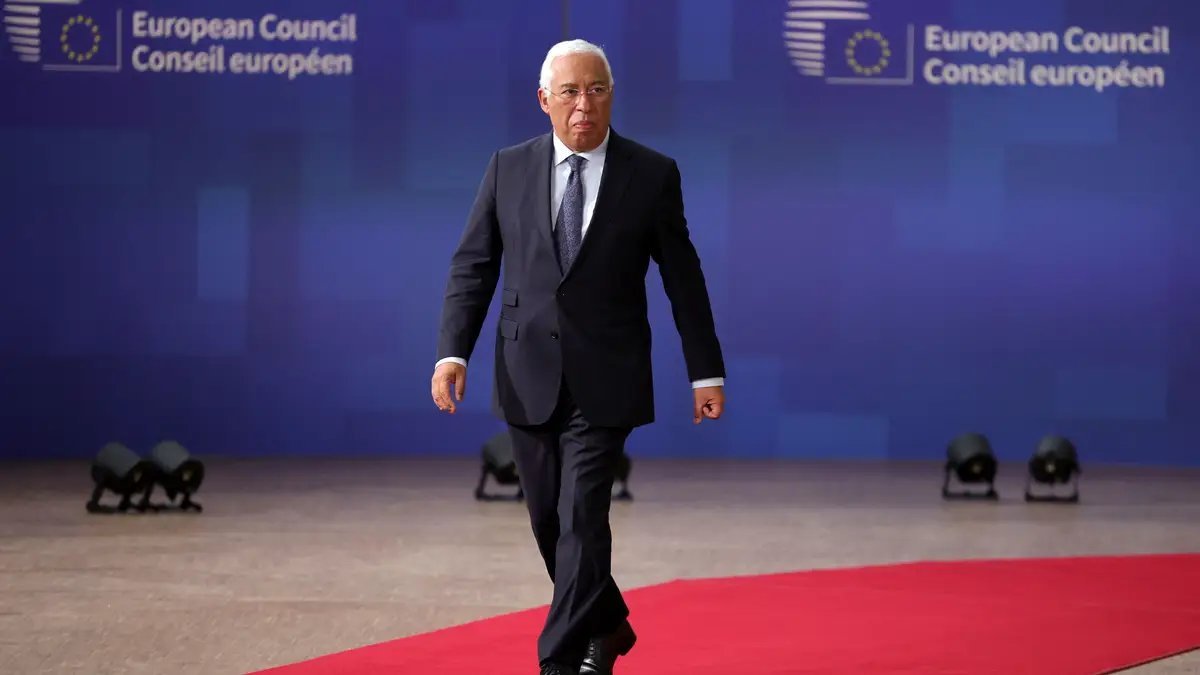
The breakthrough came after a week of fast-moving diplomacy. On Thursday, US special envoy Steve Witkoff and President Donald Trump’s son-in-law and negotiator Jared Kushner met President Vladimir Putin in Moscow, and the Russians appeared to agree to give Europe a seat at the negotiating table — something Moscow had previously resisted. Kushner later posted on X that “both sides” had agreed to a European presence.
Kushner also said in Moscow on Thursday that he had begun discussions with European partners on the continent’s security architecture, and he highlighted the practical difficulty ahead: Europe being able to “identify one person to speak on their behalf” would be, he said, “a bigger achievement than getting the Russians to include them in the negotiation.”
The decision to send a team, rather than a single envoy, is itself a compromise. It allows the “coalition of the willing” — the group of nations that have pledged to underpin a future ceasefire with military support — to be represented without forcing Europe to choose one spokesperson. But it also leaves open the question of who, in the room, actually speaks for Europe. EU foreign policy chief Kaja Kallas laid claim to the role on Friday, saying: “I’m the one who is representing Europe in the foreign and security policy.”
Moscow’s Cautious Reply
Russia’s response on Friday was cool and conditional. Kremlin spokesperson Dmitry Peskov said Europe must show its “willingness to contribute to the peace process” before a decision could be made on letting European negotiators join future talks. Russian officials have also called for a broad agreement on Europe’s security architecture to be reached before the specifics of the war are addressed.
German Chancellor Friedrich Merz described the Kremlin’s comments as “the same old game” and said Europe and the United States had agreed on a clear message. “There will be no discussions about Ukraine without Ukraine, and no discussions about Europe without Europe. Furthermore, there is no need to talk about European security architecture. We have that already,” Merz told reporters midway through the summit.
Kallas warned that Russian calls for discussions about Europe’s security architecture threatened to divert attention from the need for a ceasefire, while Latvian Prime Minister Andris Kulbergs called such discussions “a trap”. Polish Prime Minister Donald Tusk said it was important to avoid unnecessary concessions to Russia. “My view was shared by many others: there can be no revision of Europe’s security architecture — that is what Putin is demanding,” he said.
The message from Dublin is that Europe will not accept a settlement negotiated over its head — and will not trade away the continent’s security order to get one.
What Happens Next
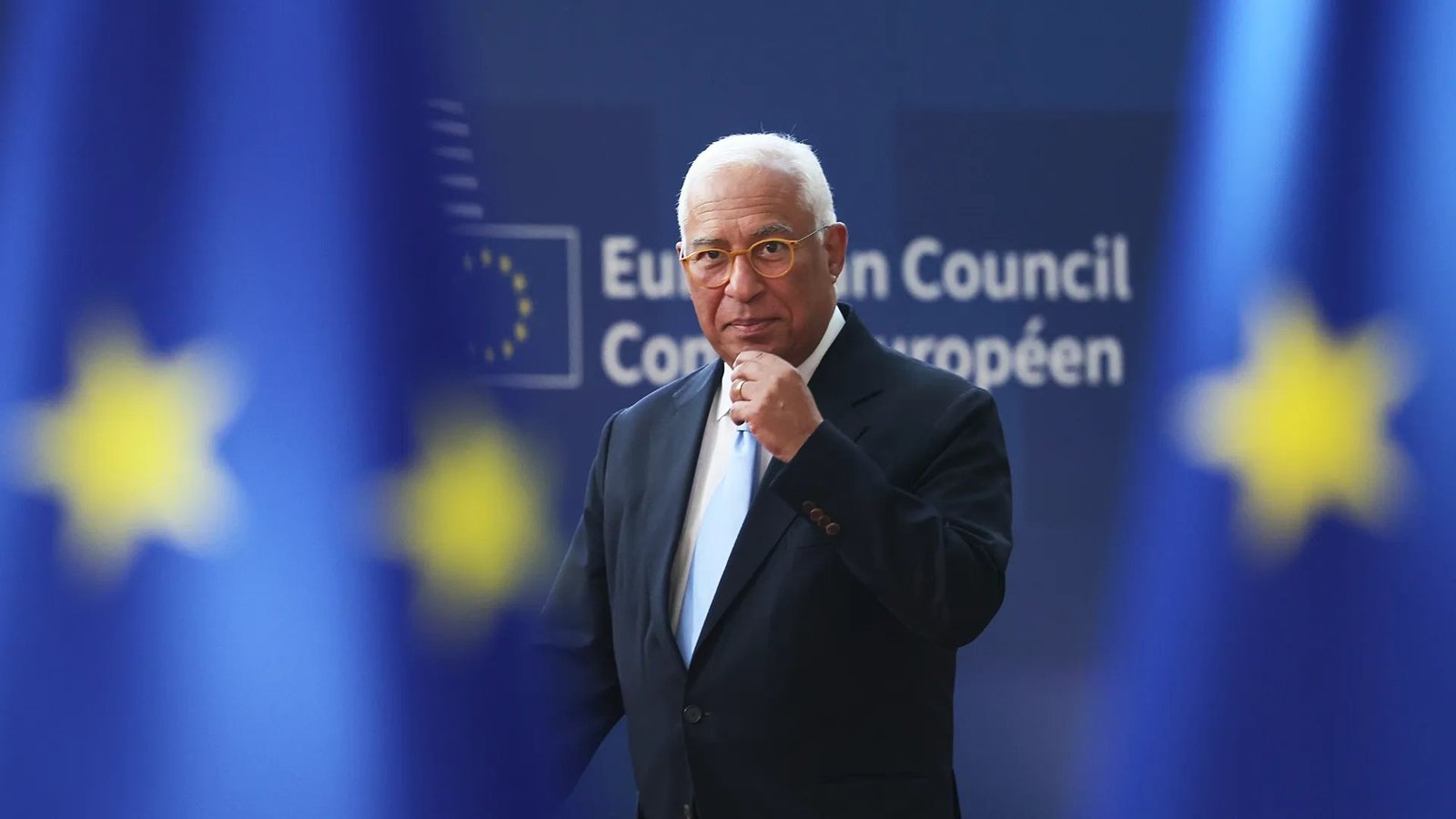
The next round of talks has not yet been dated, but the shape of the table is now clearer. Representatives from Britain, France, Germany, Italy and the EU attended Russia-Ukraine talks in Abu Dhabi this week, where both Moscow and Kyiv cited some progress, though there was no sign of a breakthrough on key issues such as territory. EU officials said the representatives for Europe in future talks were likely to be national security advisers from the five military powers, plus delegates from the European Commission and the European Council.
Forty European countries, meeting as a broader group in Dublin on Thursday, signed a declaration saying that any matter affecting European security should be decided with the involvement of Europeans — a statement of principle that now has a negotiating team behind it.
- The European team: the United Kingdom, France, Germany, Italy and Poland, plus the EU institutions.
- The likely negotiators: national security advisers from the five countries, with delegates from the European Commission and the European Council; NATO also expected to be represented.
- The open questions: whether Moscow formally accepts the European presence, who speaks for Europe in the room, and when the next round of talks will be held.
A Seat at the Table, Not Yet a Settlement
The formal involvement of European negotiators may be lauded in Kyiv and Brussels, but it will not necessarily hasten the end of a conflict that is estimated to have killed hundreds of thousands of people on both sides so far. There are already early signs that Moscow, having agreed to admit European negotiators, is doubling down on its maximalist demands — reviving its call for NATO to withdraw from eastern Europe and digging in on the deployment of peacekeepers to police any ceasefire.
Europe has won its seat at the table. What it does with that seat — and whether Russia lets it sit down — will decide whether this week’s diplomacy becomes a turning point or another false dawn.
By Ihsan Ur Rehman
Editor-in-Chief | The BNN Media – The Best News Network
News Beyond the Borders