 By
Last Updated:
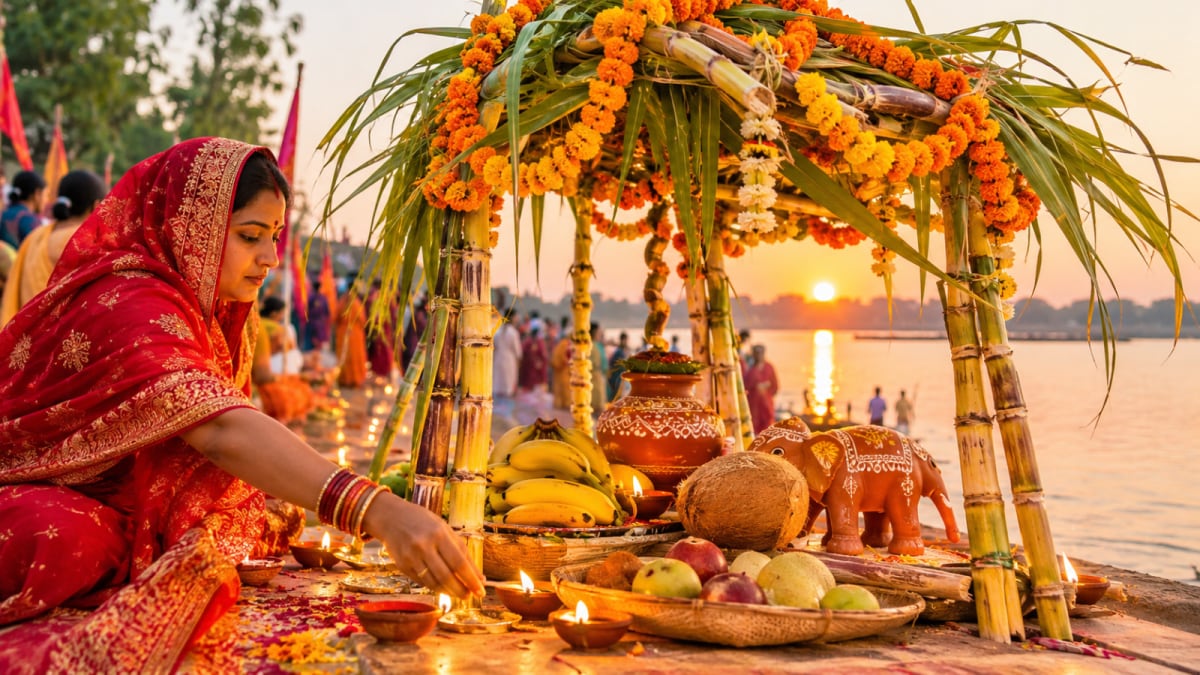
Kosi Bharna, a special Chhath Puja ritual involving sugarcane, earthen lamps and offerings dedicated to Surya Dev and Chhathi Maiya.




Also known as Kosi Bharai or Kosi Puja, this is a traditional ritual observed by several families, particularly in Bihar and neighbouring regions.
As dusk settles on the third day of Chhath Puja, many homes in Bihar, Jharkhand and eastern Uttar Pradesh take on a quiet, luminous beauty. Chhath Puja is known for its deeply rooted traditions, elaborate offerings and prayers dedicated to the Sun God and Chhathi Maiya.
Among its distinctive rituals is Kosi Bharna, an observance that brings together sugarcane stalks, earthen lamps, traditional prasad and family prayers. While devotees gather at riverbanks and water bodies to offer Sandhya Arghya to the setting Sun, some families prepare a small, beautifully decorated canopy at home or near the ghat.
Observed on the night of the third day of Chhath Puja, Kosi Bharna is traditionally associated with gratitude, fulfilled wishes and religious vows. Here is what the ritual means and why sugarcane and diyas hold a special place in it.
What Is Kosi Bharna In Chhath Puja?
Also known as Kosi Bharai or Kosi Puja, this is a traditional ritual observed by several families, particularly in Bihar and neighbouring regions. It involves creating a small canopy or mandap using sugarcane stalks, beneath which earthen lamps, fruits, prasad and other puja items are arranged.
The structure becomes the focal point of an evening prayer dedicated to Chhathi Maiya and Surya Dev. Families gather around it, offer prayers and sing traditional Chhath folk songs.
Why Do Devotees Use Sugarcane And Earthen Lamps?
Sugarcane is an important part of Chhath celebrations and is traditionally associated with prosperity, agricultural abundance and sweetness. Its stalks are tied together to create the canopy, symbolising an auspicious space for worship.
Earthen lamps, meanwhile, are lit beneath or around the structure as offerings. Their light represents devotion, faith and prayers for happiness and prosperity.
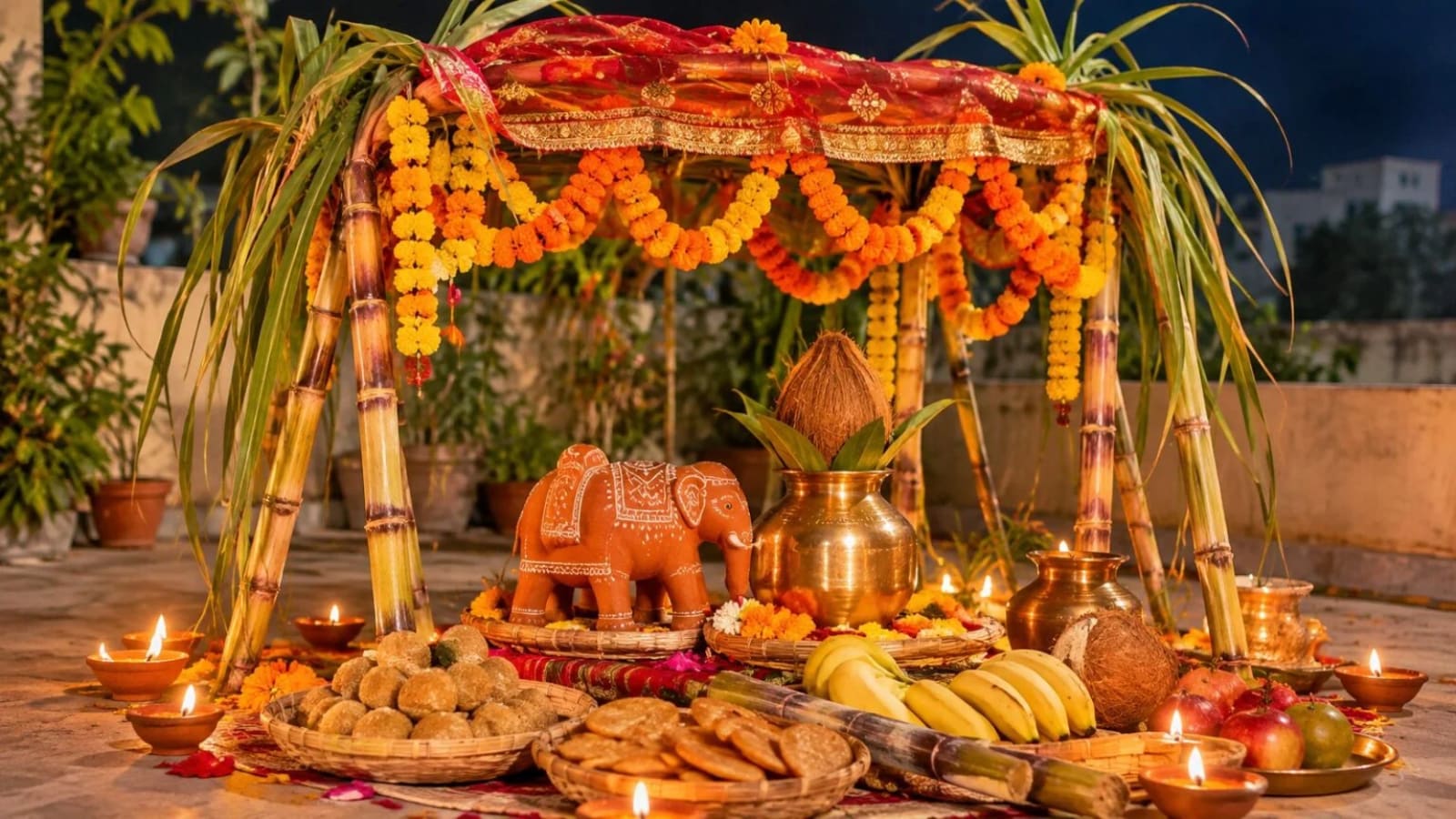
Some regional traditions also include a decorated clay elephant, an earthen pot or kalash as part of the arrangement.
Kosi Bharna Is Associated With Fulfilled Wishes And Mannat
For many families, Kosi Bharna is more than a decorative ritual. It is traditionally performed after a wish or mannat made to Chhathi Maiya has been fulfilled.
Devotees may undertake the observance while praying for a child’s birth, good health, family well-being or prosperity. Once their prayers are answered, they perform Kosi Bharna as an expression of gratitude.
However, the reasons and customs can differ between households and regions.
How Is The Kosi Bharna Ritual Performed?
The ritual generally takes place after Sandhya Arghya, when devotees offer prayers to the setting Sun.
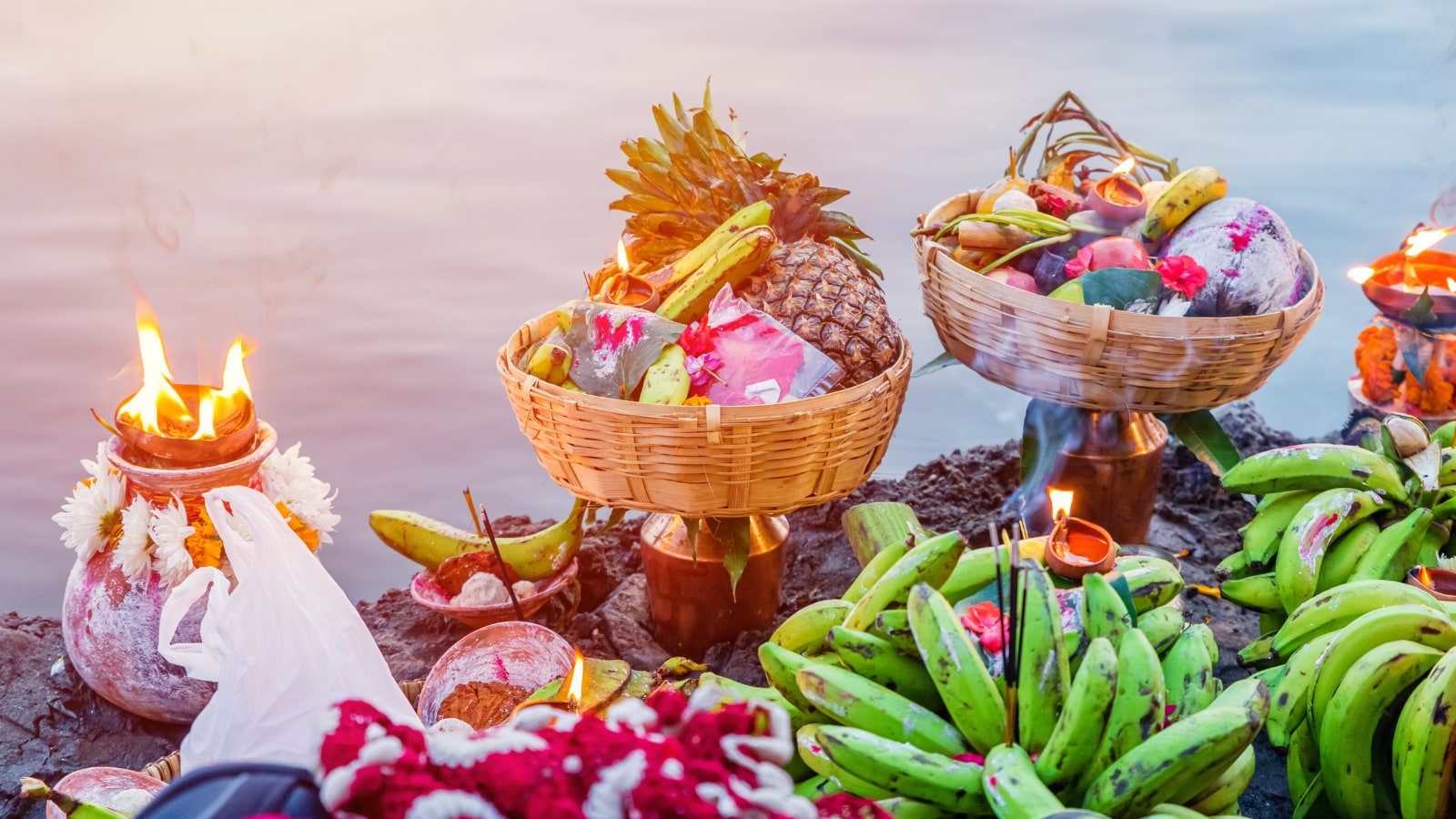
Sugarcane stalks are tied together to form a small canopy. Fruits, thekua, coconut, bananas, rice laddus and other traditional Chhath prasad are arranged underneath it, along with earthen lamps. Some families also place a clay elephant and kalash as part of the setup.
Devotees then gather around the Kosi to offer prayers to Chhathi Maiya and Surya Dev. In households following this tradition, the arrangement may be maintained through the night, with the ritual also observed at the ghat before Usha Arghya the following morning.
Quick Answers
 Ask News18
Kosi Bharna, also known as Kosi Bharai or Kosi Puja, is a traditional ritual observed on the night of the third day of Chhath Puja. It involves creating a small canopy or mandap using sugarcane stalks, beneath which earthen lamps, fruits, prasad, and other items are arranged for evening prayers dedicated to Chhathi Maiya and Surya Dev.
Ask News18November 15, 2026, 15:42 IST