 By
[ad_1]
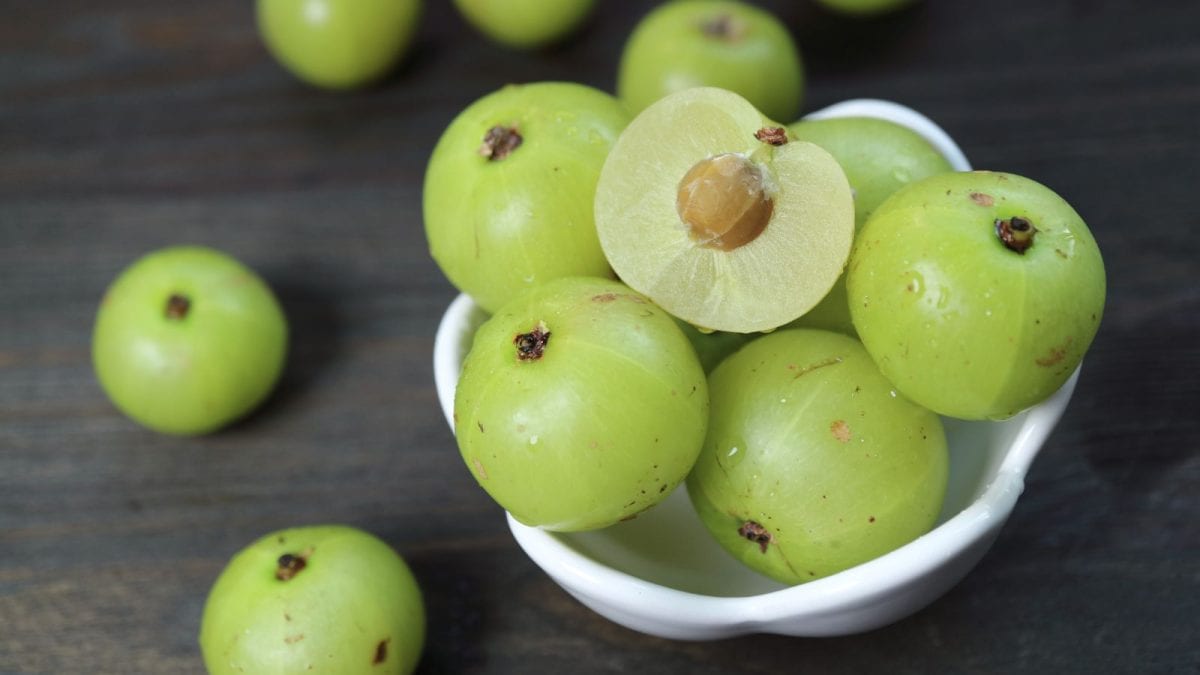
The place known as the Amla Capital of India is Pratapgarh in Uttar Pradesh. The district has earned this title because of its extensive amla cultivation and the large number of businesses involved in processing the fruit. Amla, also called Indian gooseberry or aonla, is one of the most recognisable agricultural products associated with the region.
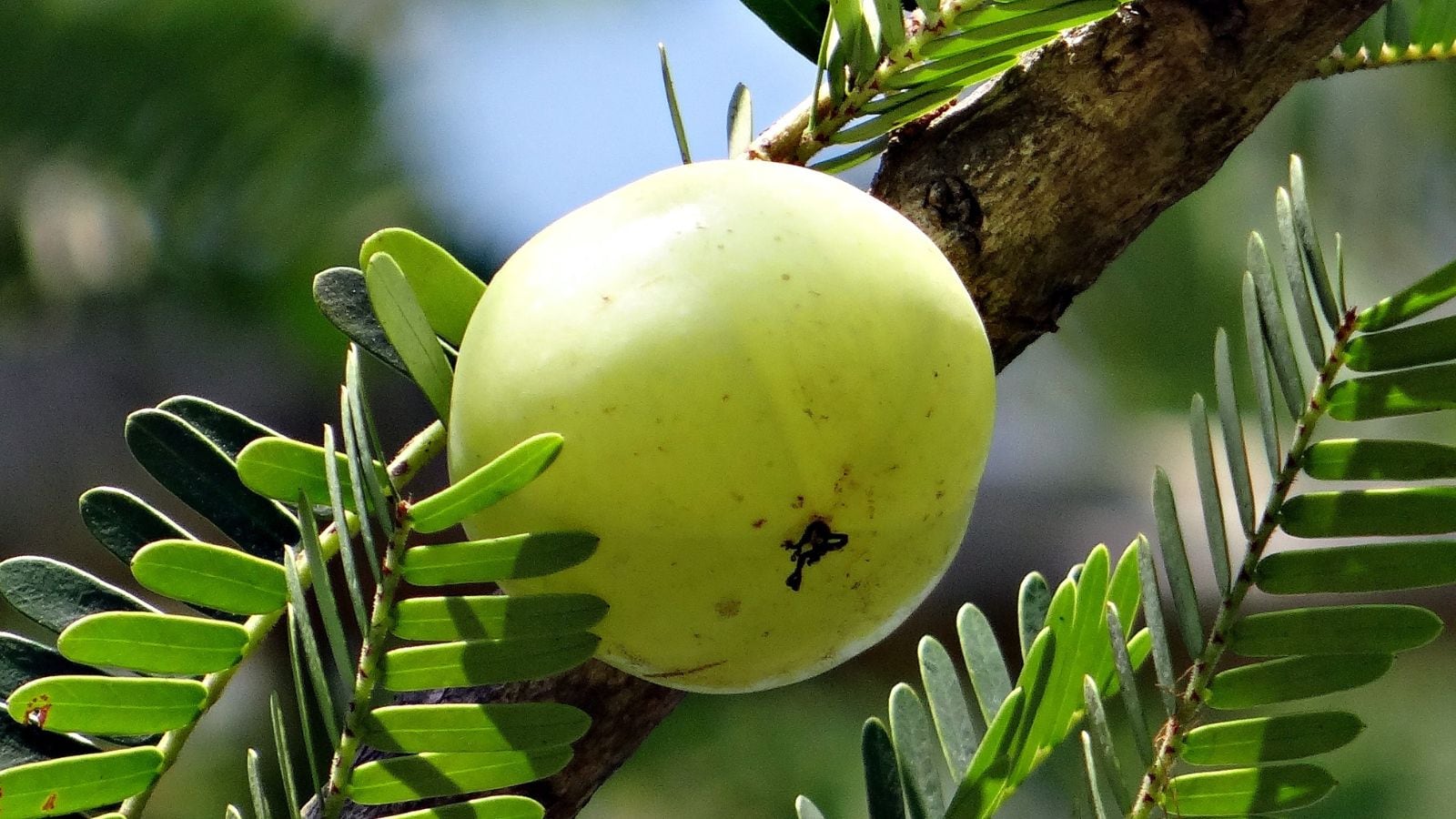
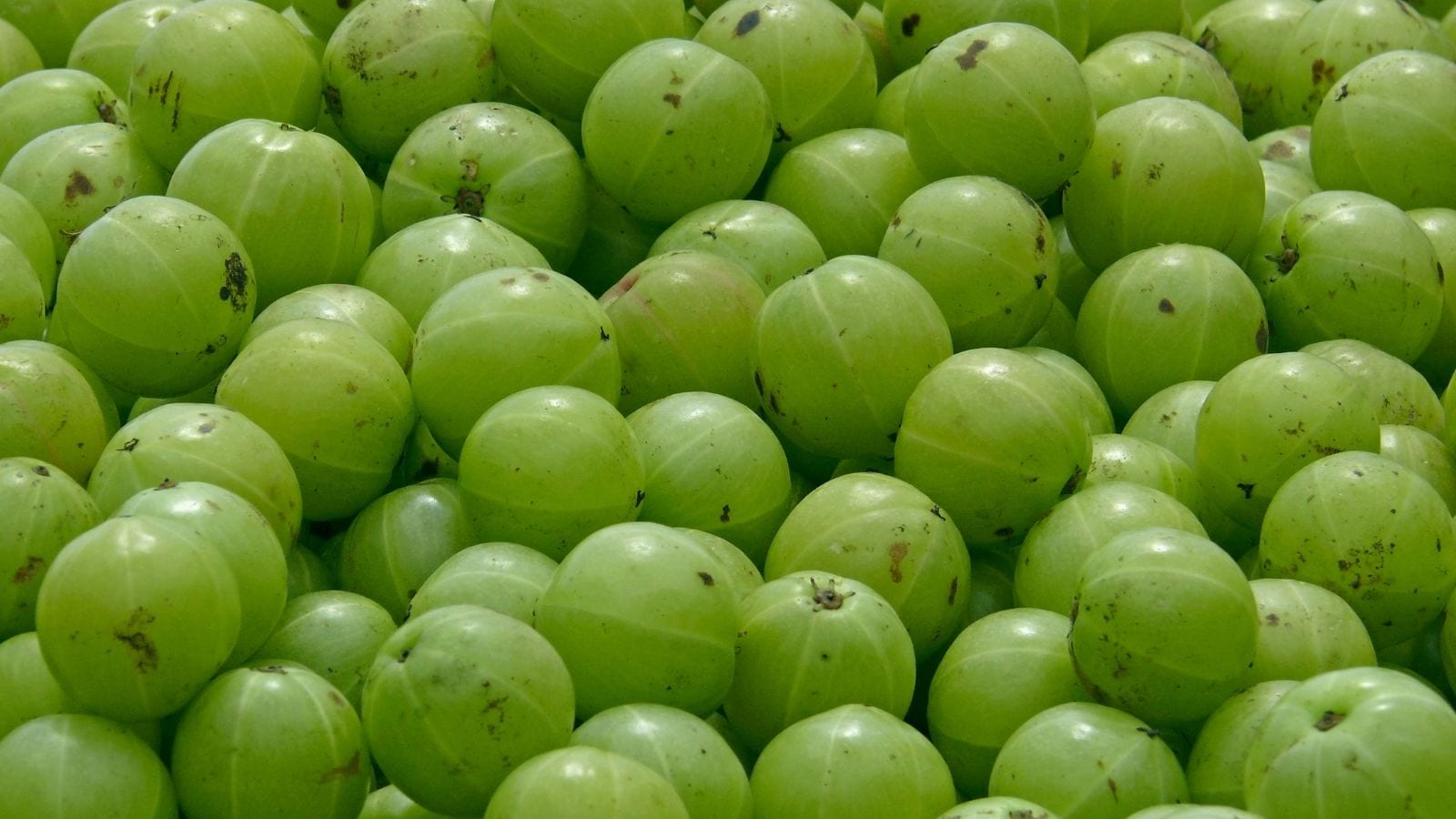
Pratapgarh is located in the eastern part of Uttar Pradesh and is part of the Prayagraj division. While several parts of India grow amla, Pratapgarh has built a particularly strong identity around the fruit. The district is known for its orchards, farmers and local processing units that turn freshly harvested amla into products sold across different markets.
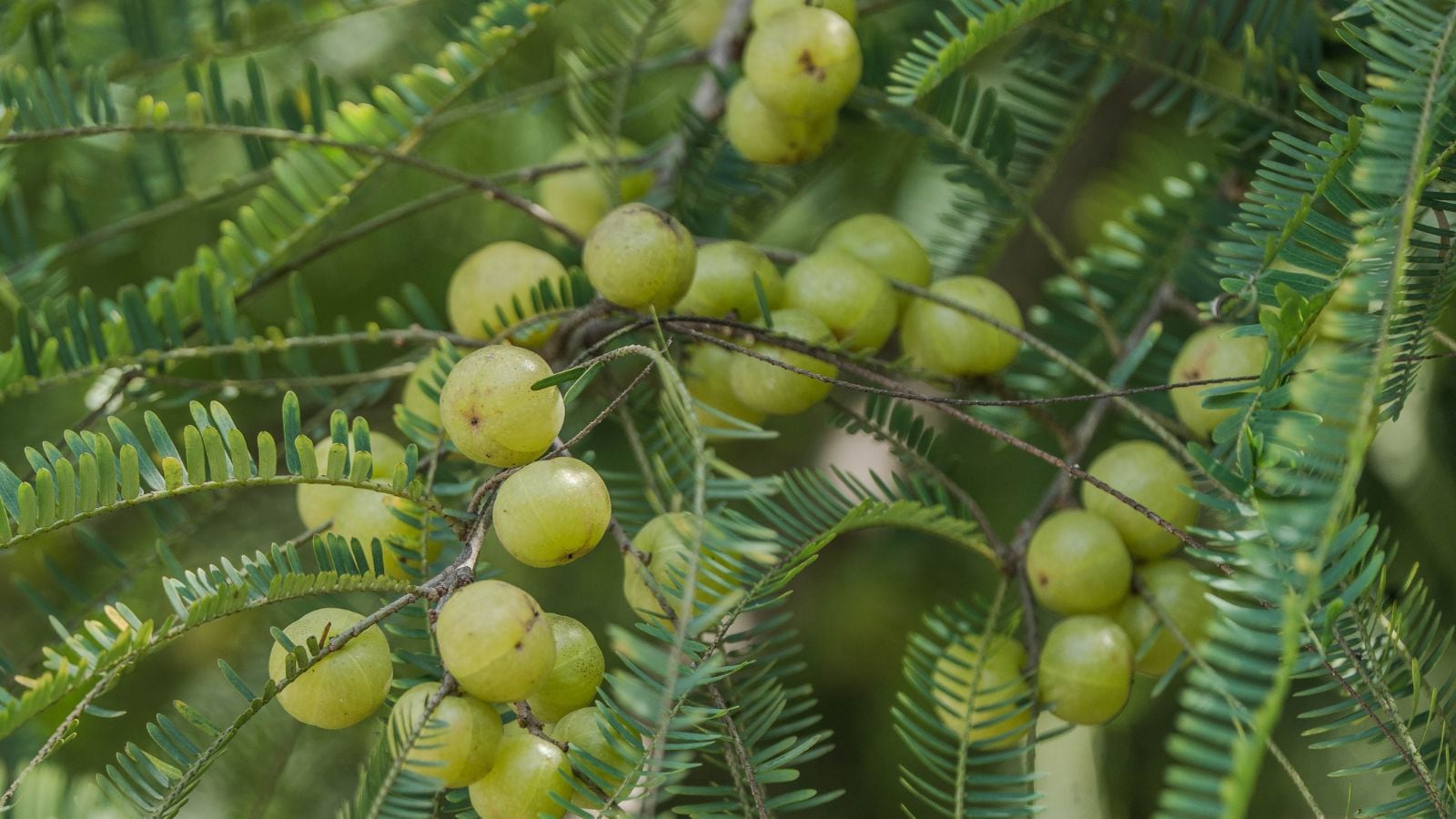
The scale of cultivation is one reason behind its reputation. A study by the Union Ministry of Food Processing Industries identified Pratapgarh as the country’s largest amla-producing district. It cited around 20,000 hectares of amla orchards and an annual production of approximately two lakh tonnes
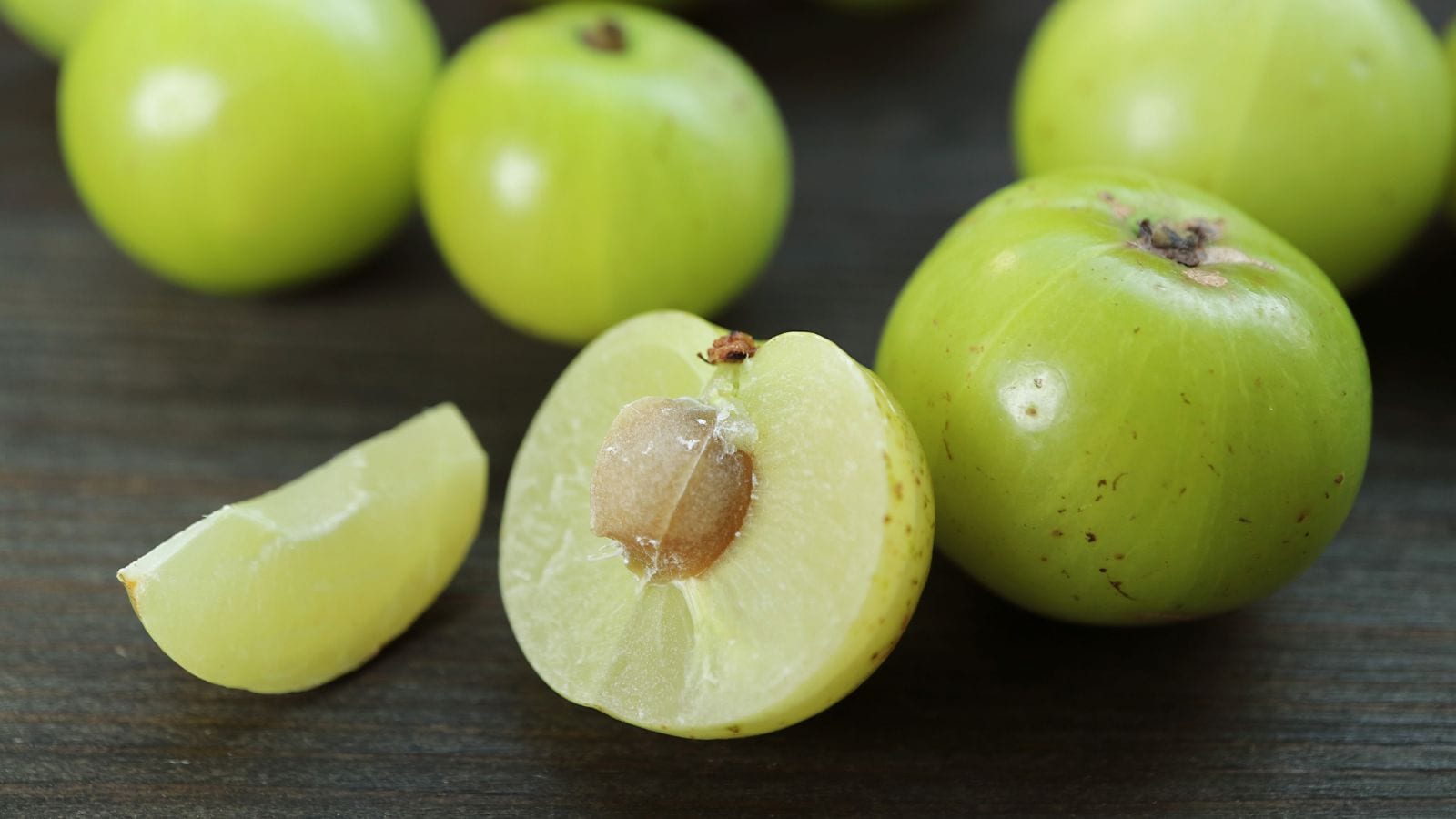
Amla is harvested for a relatively short season, but its uses go well beyond being sold as a fresh fruit. In Pratapgarh, it is processed into murabba, candy, juice, pickles, powder and other food products. Processing also helps extend the fruit’s shelf life, allowing it to reach consumers long after the fresh harvest season has ended.
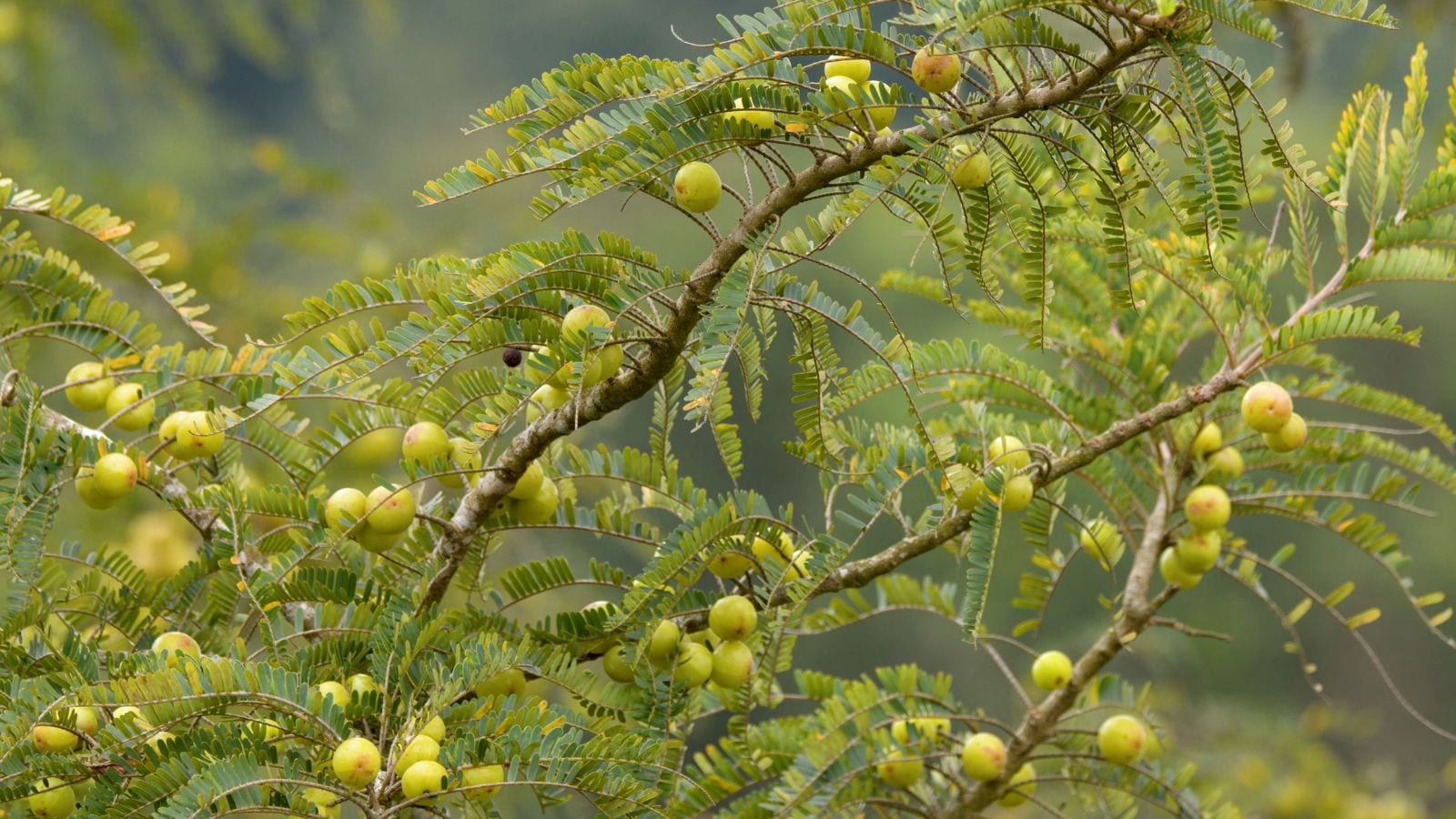
The fruit has also become an important part of the district’s small-scale food industry. Farmers, traders, processing businesses and self-help groups are involved in the amla economy. The Uttar Pradesh government’s One District One Product (ODOP) initiative recognises amla-based products as an important part of Pratapgarh’s local identity and economic activity.
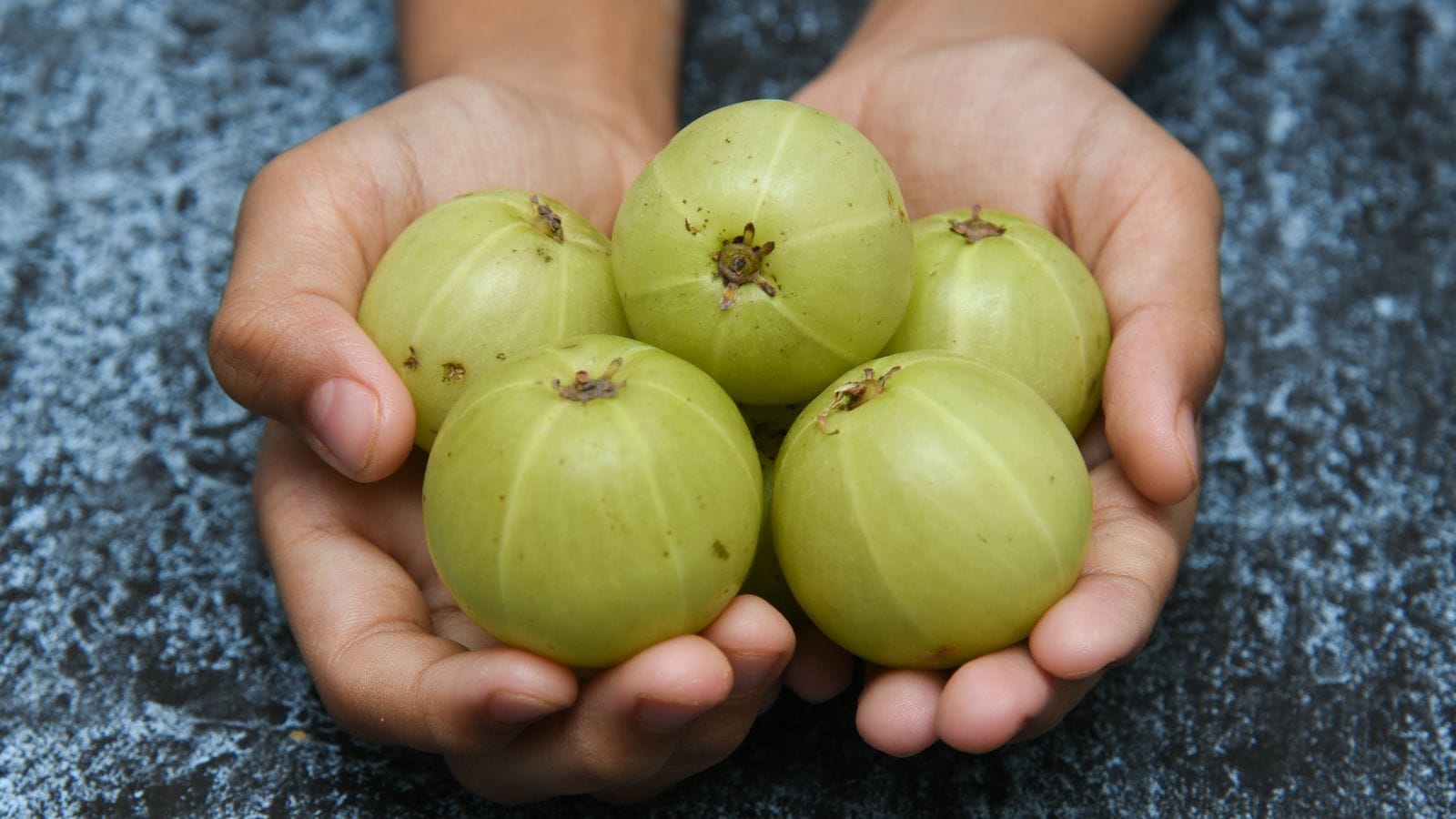
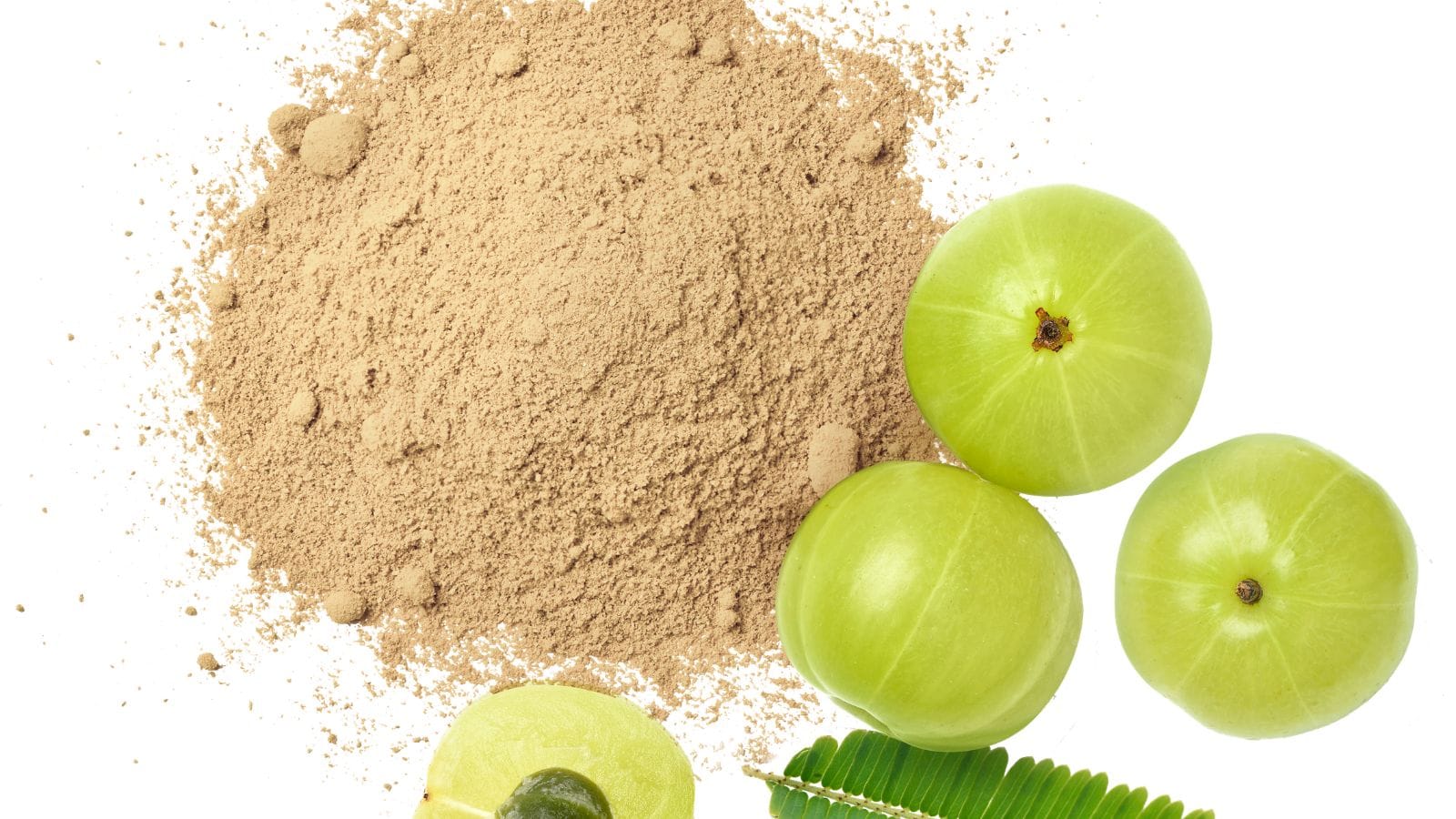
Pratapgarh amla has another distinction: it has a Geographical Indication (GI) registration. The registration, granted on March 31, 2023, gives the locally grown produce recognition linked to its geographical origin. The fruit is described as greenish-yellow, with its characteristic sour and astringent taste.
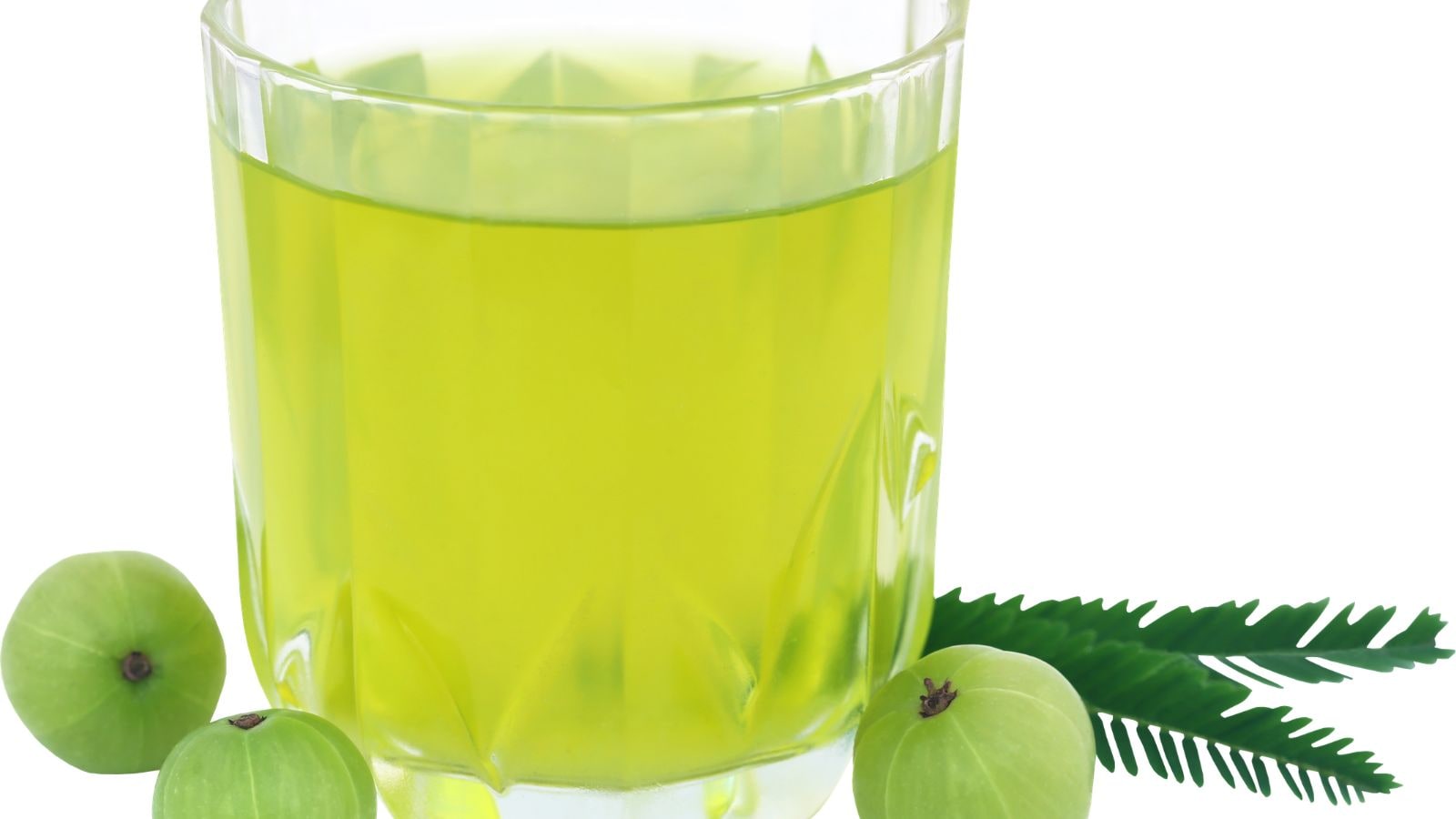
Amla is widely used in Indian food traditions and is also associated with Ayurveda. It is eaten fresh and used in preparations such as chyawanprash, preserves and herbal products. Its popularity is partly linked to its vitamin C content, although the nutritional value of a product can vary depending on how the fruit is processed.
So, the next time you come across a jar of amla murabba or a packet of amla candy, remember its connection to Pratapgarh. The Uttar Pradesh district is not just a major cultivation centre; it has built an entire local industry around the humble Indian gooseberry. That is what makes it deserving of its popular title, the Amla Capital of India.
[ad_2]
Source link