 By
Shares fell across Europe and the United States, gold slipped sharply and oil gave back its gains, as investors sold technology stocks and braced for more interest-rate rises from the Federal Reserve.
By The BNN Media
The Best News Network
News Beyond the Borders
London, United Kingdom — Global markets fell sharply on Tuesday, with European shares suffering their worst day in eight months and Wall Street closing at its lowest levels in months, as a sell-off in technology stocks spread across the world and gold and oil slid with them.
A Broad Sell-Off
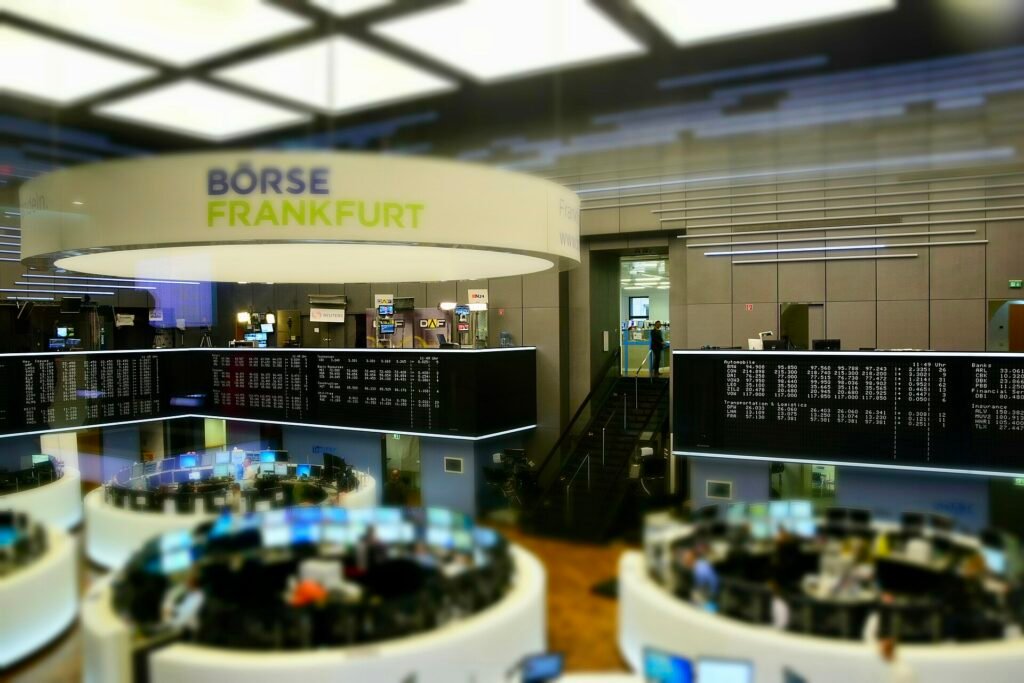
The falls were broad and deep. In the United States, the Dow Jones Industrial Average fell 1.64 per cent, down 848.75 points to 50,759.42, while the S&P 500 fell 1.03 per cent to 7,340.53 — its lowest close since July — and the Nasdaq Composite fell 0.74 per cent to 24,328.38, its fourth loss in a row.
Every one of the S&P 500’s 11 sectors ended in the red, and declining stocks outnumbered gainers by more than five to one, according to Reuters. MSCI’s gauge of stocks across the globe fell 1.21 per cent to 1,079.50, and emerging-market stocks fell 1.31 per cent.
- Dow Jones: −1.64% to 50,759.42
- S&P 500: −1.03% to 7,340.53
- Nasdaq Composite: −0.74% to 24,328.38
- MSCI world gauge: −1.21% to 1,079.50
When all 11 sectors fall on the same day, it is not a rotation between winners and losers — it is investors selling almost everything.
Europe Leads the Fall
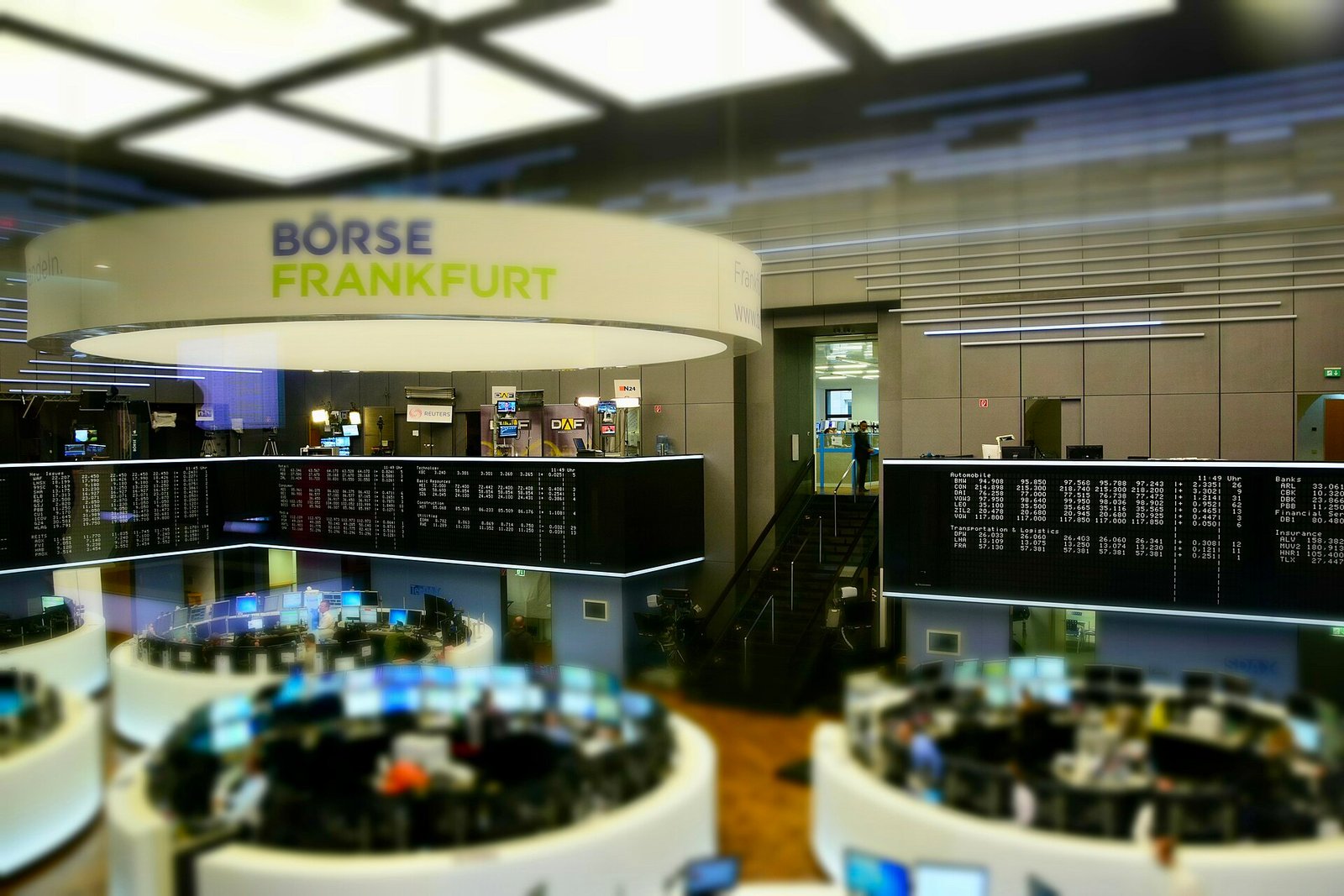
Europe fared even worse. The pan-European STOXX 600 lost 1.8 per cent, its biggest single-day fall since 20 March, and the Euro STOXX 50 fell 2.04 per cent to 6,218.70.
Germany’s DAX fell about 2 per cent to around 26,076, France’s CAC 40 slumped 1.62 per cent to 8,216.78, and the United Kingdom’s FTSE 100 dropped 1.76 per cent to 10,689.87. Deutsche Bank fell almost 6 per cent following reports of shortcomings in its handling of high-risk clients, dragging the banking sector down with it.
Luxury and technology shares were among the hardest hit in Paris, while in Frankfurt the selling spread across industrials, banks and carmakers alike. The message from European trading floors was the same as from New York: investors wanted less risk, and they wanted it quickly.
Europe’s worst day in eight months was not driven by one country’s bad news — it was a continent-wide rush for the exit.
Why Markets Fell
Three forces combined to push markets down. The first was technology. Chip and artificial-intelligence stocks, which have driven much of this year’s rally, came under heavy selling ahead of Nvidia’s earnings announcement after the close on Tuesday. With valuations high and expectations higher, investors chose to take profits rather than wait for the results.
The second was the Federal Reserve. St. Louis Fed President Alberto Musalem suggested that the Fed may need to raise its benchmark interest rate as many as four times by early next year to bring inflation under control. The prospect of higher rates — rather than the cuts markets had hoped for — pushed bond yields up and made shares look less attractive. The US dollar index rose to its highest level since 2 April 2025.
The third was a jolt of uncertainty from Washington: the US National Security Agency’s classified internal network went down on Tuesday after a software patch, the agency and the US intelligence chief said, with no evidence of a cyberattack. The news landed in an already nervous market and added to the selling.
High valuations, higher-rate fears and a shock headline: each alone might have caused a bad day. Together, they caused a rout.
Asia Follows
The selling did not stop at the Atlantic. Asian markets opened lower on Wednesday, with Japan’s Nikkei down 1.34 per cent, Hong Kong’s Hang Seng down 1.03 per cent and South Korea’s KOSPI down 2.59 per cent.
The falls in Asia underlined how global the sell-off had become: the same worries — expensive technology stocks, higher US interest rates and a stronger dollar — were weighing on markets from Tokyo to Seoul to Hong Kong.
Oil and Gold Slide
Commodities offered no refuge. Brent crude slipped to about $91.55 a barrel on Wednesday morning, down about 1.7 per cent, giving back the previous day’s gain — Brent had risen 0.57 per cent to $92.97 at Tuesday’s close as traders worried about attacks on tankers in the Middle East and disruption to shipping through the Strait of Hormuz.
Gold fell 2.31 per cent to about $3,775 an ounce on Wednesday morning, after spot gold had closed Tuesday only slightly lower at $3,852.59. The drop took gold below $3,800 during the session for the first time since September 2025. Silver, by contrast, rose 0.68 per cent to $47.34 an ounce on Tuesday.
The gold slide reflected the same force hitting shares: a stronger dollar and rising bond yields make gold, which pays no interest, less attractive to hold. When the dollar rises and rates are expected to rise with it, gold usually falls — and on Wednesday it fell hard.
Gold is meant to be the safe haven. On this occasion, it fell with everything else.
A Glimmer After the Bell
There was one bright spot for investors as Tuesday ended: Nvidia’s results, released after the closing bell, lifted US equity futures. As of 3:51 a.m. ET on Wednesday, Nasdaq-100 futures were up 0.98 per cent, S&P 500 futures up 0.56 per cent and Dow futures up 0.29 per cent, according to CNBC quotes cross-checked with Yahoo Finance.
Whether that lift lasts will depend on how investors read the chipmaker’s numbers — and on whether the Federal Reserve’s rate message softens. The VIX, Wall Street’s gauge of expected volatility, climbed to 25.46, a sign that traders expect more turbulence ahead.
What to Watch Next
Investors will now watch three things. First, whether Nvidia’s earnings can steady technology stocks after days of selling. Second, whether Federal Reserve officials repeat or soften the message that more rate rises may be needed. And third, whether the tensions in the Middle East — which have supported oil prices even as shares fell — escalate further.
For now, the market’s message is cautious: the rally that carried shares to record highs has hit a wall of worry about rates, valuations and geopolitics, and the falls on Tuesday were the loudest warning yet.
The sell-off was global, it was broad, and it hit shares, gold and oil together. The question now is whether it was a correction — or the start of something deeper.
By The BNN Media
The Best News Network
News Beyond the Borders
Sources: Reuters via Devdiscourse; First Feed News (CNBC/Yahoo Finance); PSG; Finbrooks; Serrari Group.