 By
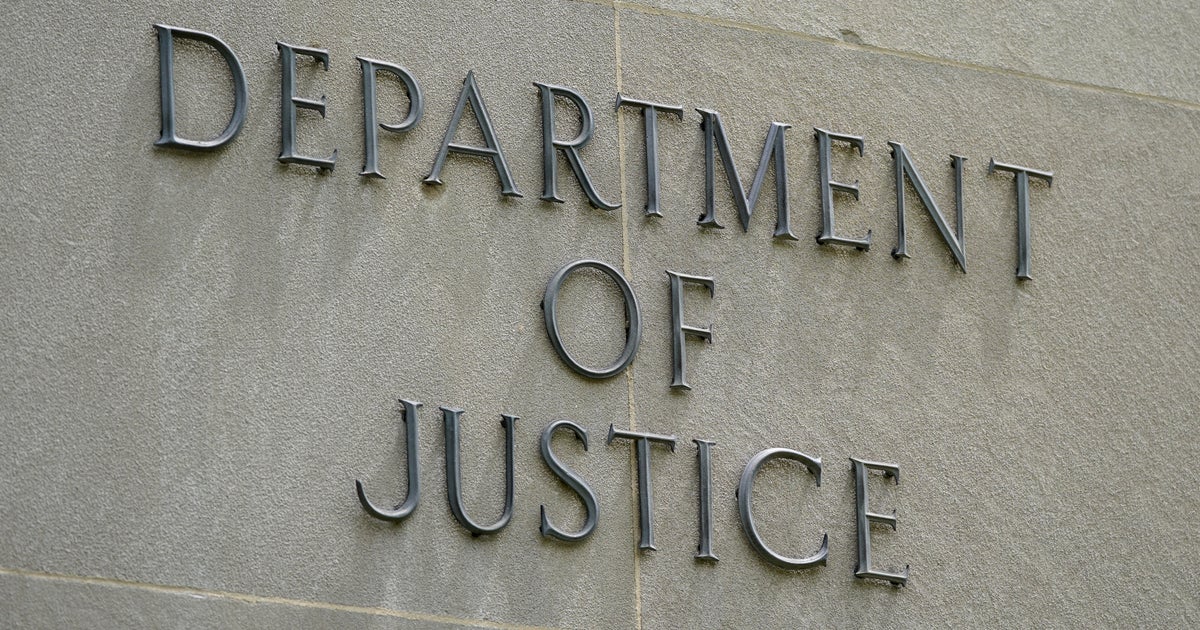
The number of professional misconduct complaints filed against Justice Department officials has increased by more than 50% over a two-year period, which could strain DOJ’s already limited resources to investigate the claims, the agency’s internal watchdog said Tuesday.
In a new report, Justice Department Inspector General Don Berthiaume said that ensuring the fairness and integrity of the department’s investigations and prosecutions is among the top six management challenges for senior leadership.
“The lawful and effective exercise of these authorities is indispensable to public safety and the rule of law. It also creates a corresponding management responsibility to ensure that Department investigations and prosecutions are conducted with integrity, objectivity, consistency, and fairness,” he wrote in his report.
His report cited new statistics from the Office of Professional Responsibility, which is tasked with investigating attorney misconduct. During the 2026 fiscal year, which ended on Oct. 1, the office, which operates with a full-time staff of just 18 people, received 2,081 professional misconduct complaints.
By contrast, it received 1,666 in the same time frame in 2025. In fiscal year 2024, there were 1,346 complaints and 1,085 in the same time frame in 2023 — “an increase of approximately 54 percent in 2 years,” the report says.
In the last fiscal year, the Office of Professional Responsibility opened 33 professional-misconduct inquiries and closed 35, and it completed nine out of 10 full investigations opened that same year.
In those nine cases, OPR determined there had been professional misconduct by attorneys, the report said.
During that same time period, OPR also received 50 new FBI whistleblower retaliation complaints and closed 41 matters.
“These results demonstrate that OPR has continued to resolve substantial workloads despite its limited size,” the inspector general wrote. “However, the Department faces risk in its oversight capacity if OPR’s staffing levels are insufficient to manage the workload generated by the Department’s thousands of employees.”
The uptick in professional misconduct allegations comes at a time when the Justice Department has faced intense scrutiny over investigations it has pursued against President Trump’s political enemies, including some that Mr. Trump openly encouraged. The report does not describe the complaints, so it is not known if any of them stem from these investigations.
Former FBI Director James Comey, for example, has faced at least three separate criminal probes since last year.
Although an indictment accusing him of lying to Congress was dismissed, he is still facing charges in North Carolina over an Instagram post showing seashells on a beach arranged to read “86 47” — a message that prosecutors allege was intended as a threat against Mr. Trump.
Most recently, prosecutors filed a criminal information against Comey in order to pause the statute of limitations while they try to secure an indictment against him for allegedly leaking classified information.
Comey has denied wrongdoing in all three cases.
Earlier this year, a federal judge in the Middle District of Tennessee ruled that the Justice Department’s prosecution of Kilmar Abrego Garcia was vindictive, citing in part extrajudicial statements that now-Attorney General Todd Blanche had made about the case.
Others who have been targeted with criminal investigations or prosecutions include Democratic election lawyer Marc Elias, Federal Reserve Board Governor Lisa Cook, former Federal Reserve Chairman Jerome Powell, Democratic Rep. Ilhan Omar, New York Attorney General Letitia James, Democratic Sen. Adam Schiff, several former FBI counterintelligence officials, former CNN anchor Don Lemon, and the Southern Poverty Law Center, a progressive civil rights nonprofit that has been critical of the Trump administration.
Although the department’s inspector general has broad authority to investigate waste, fraud and abuse, it is more limited when it comes to allegations of misconduct involving DOJ lawyers.
That role typically falls to OPR, which is a smaller office that has less independence than the inspector general. Last year, the head of OPR was removed by senior Justice Department leadership.
Recently, the inspector general declined to open an investigation into the prosecutors who falsely accused Olympian David Hearn of vandalizing the Reflecting Pool, saying that the matter fell squarely in OPR’s jurisdiction.
The Justice Department, in responding to the inspector general’s report, said that it “emphasizes integrity, fairness, and accountability in its investigative and prosecutorial work, with the Office of Professional Responsibility (OPR) serving as a central guardian of ethical standards.”
“Despite resource constraints, OPR fulfilled its mission through disciplined case management, dedicated staff, and effective use of technology,” the department said.