 By
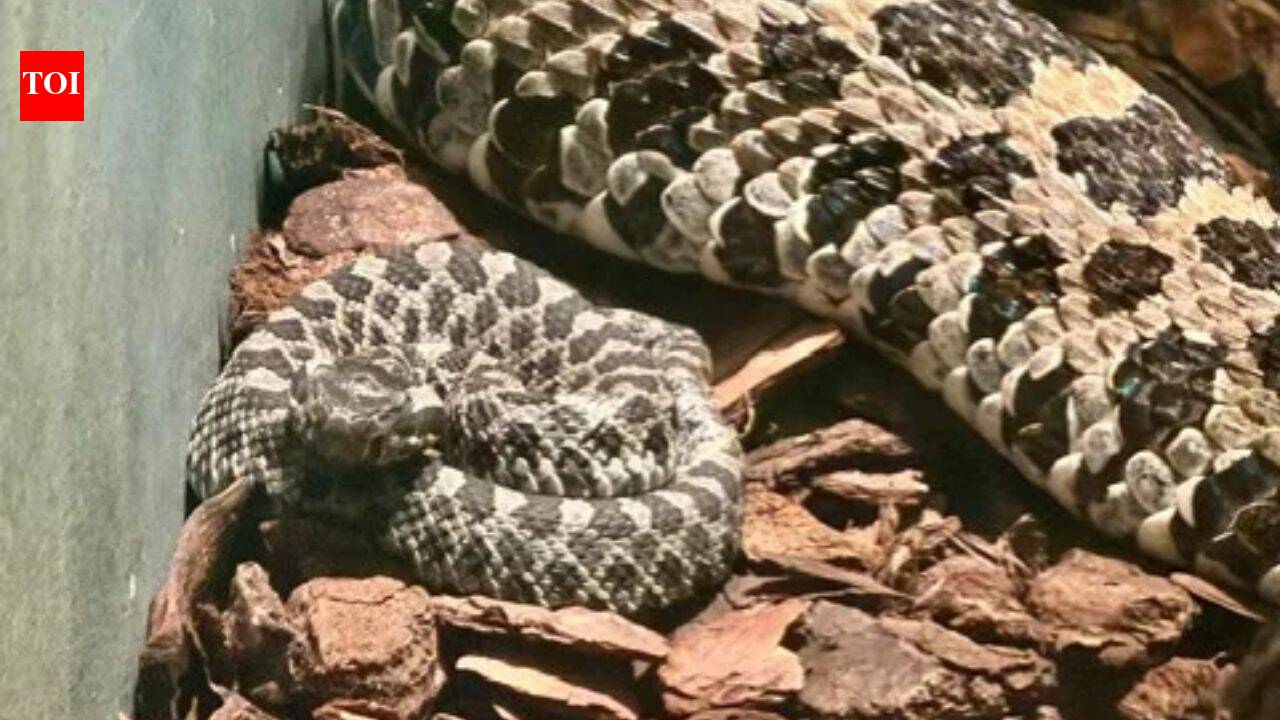
An endangered eastern massasauga rattlesnake has given birth to 9 young ones at Lincoln Park Zoo in Chicago, marking the first birth of the species at the zoo in almost a decade. The arrival is an important development for conservation efforts involving one of the region’s rarest snake populations. More than just a new generation of animals, the newborns carry the genetic legacy of what may be the last remaining eastern massasauga rattlesnakes in Cook County, Illinois, giving researchers another reason to continue protecting the species.
Nine endangered eastern massasauga rattlesnakes born at Chicago zoo
The 9 newborn snakes arrived on January 14, 2026, at Lincoln Park Zoo’s Regenstein Small Mammal-Reptile House. According to the zoo’s January 29 announcement, the birth was particularly significant because eastern massasauga rattlesnakes are considered difficult to breed, and this was the first time the species had produced offspring at the institution in nearly 10 years.The mother is an 11-year-old female born at Lincoln Park Zoo, while the father is a 10-year-old male who has lived at the institution since 2021. Their offspring are part of a carefully planned breeding effort recommended by the Eastern Massasauga Rattlesnake SAFE programme, an initiative of the Association of Zoos and Aquariums that works to protect threatened animal populations.The birth also represents an important step in preserving a local genetic line. The zoo explained that the mother is believed to belong to the third generation of eastern massasaugas descended from a population that may have been the last of its kind in the northern suburbs of Cook County.
Importance of this birth for the species
The significance of the arrival goes beyond the number of newborns. Lincoln Park Zoo described the young snakes as the great-grandchildren of what are likely Cook County’s last remaining eastern massasaugas. These original snakes were brought to the zoo in 2009 after their wild population faced serious threats from human persecution and habitat loss.The zoo is working alongside state and federal authorities to protect the species, which is often misunderstood because of its venomous bite. Curator Dan Boehm explained that eastern massasaugas are generally shy animals and play an important role in the Great Lakes region’s ecosystem.
How do eastern massasauga rattlesnakes give birth
Eastern massasaugas have a reproductive process that differs from that of many other reptiles. According to Lincoln Park Zoo, they are ovoviviparous, meaning their developing young grow inside eggs that remain within the mother’s body until they are ready to hatch. The female then gives birth to live young rather than laying eggs in a nest.The gestation period typically lasts around three and a half months. This makes the arrival of the nine young the result of several months of development before they were born.The zoo also noted that maternal protection has been observed in several rattlesnake species. Following the birth, some of the newborn eastern massasaugas were seen staying close to their mother, offering an interesting glimpse into their early behaviour.Unlike adult rattlesnakes, the young do not have fully developed rattles. These structures develop gradually as the snakes grow and shed their skin, with new segments being added over time.
A closer look at the snakes and their natural habitat
Eastern massasauga rattlesnakes are relatively small pit vipers, measuring around 2 feet in length on average. Adults generally have grey or light brown bodies marked with large brown spots along their backs. Younger snakes tend to have more vivid colouring, which helps them blend into the environments where they live.According to Lincoln Park Zoo, the species is found in wetland habitats around the Great Lakes, across parts of the United States and Canada. Its wider range extends east towards New York, west into Iowa and Missouri, and north to southeastern Ontario.These snakes are particularly dependent on wetlands, marshes, fields and prairies. Their natural colouring provides camouflage in these surroundings, helping them remain less visible to predators and other potential threats.Despite being venomous, eastern massasaugas are generally shy and avoid human contact. The zoo has pointed out that encounters with people are uncommon and reported bites are very rare.However, their preference for wetland environments has made them vulnerable to habitat loss. Human activity and the destruction or alteration of these natural areas have contributed to declining populations, making conservation programmes increasingly important.
Conservation teams continue to monitor rattlesnake populations
Lincoln Park Zoo’s breeding success is part of a much wider effort to understand and protect eastern massasaugas. Its February 23 announcement highlighted a long-running research partnership that began in 2009 and involves more than 20 other zoos, the Edward Lowe Foundation, Northern Illinois University and several wildlife agencies.The partnership has focused on studying wild eastern massasauga populations in Michigan. Together, researchers have individually identified more than 900 rattlesnakes and continued monitoring them over the years.