 By
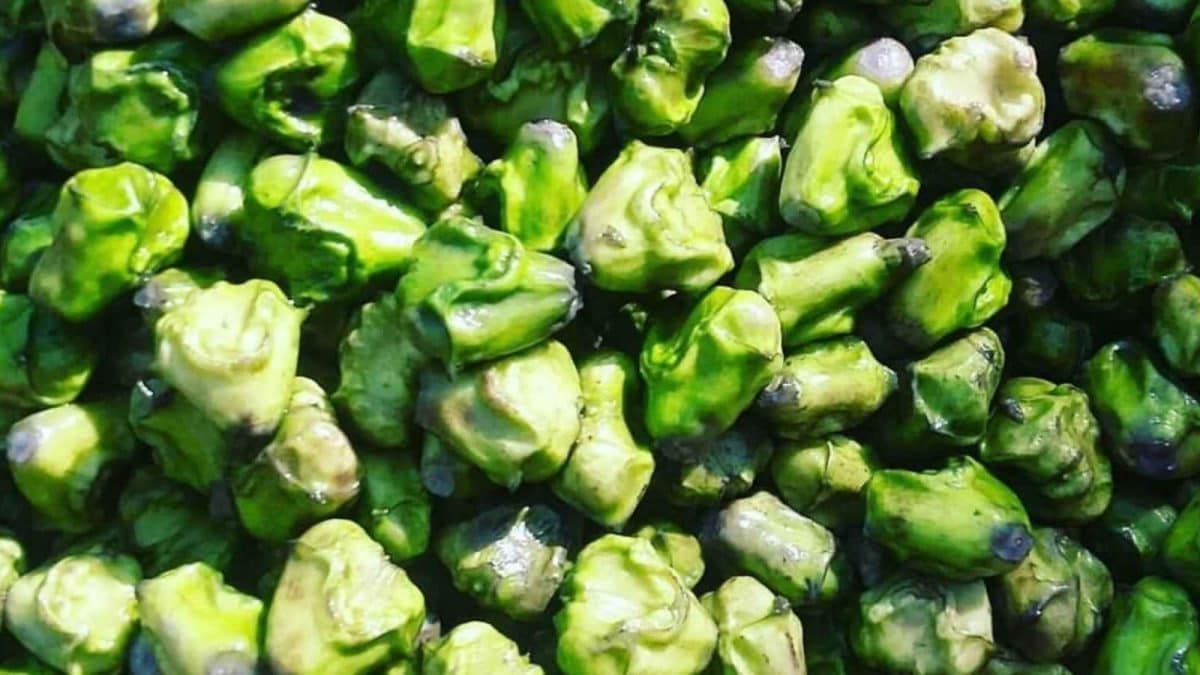
If you have ever picked up a packet of singhara flour during Navratri or waited for winter to bring fresh water chestnuts to the market, you probably know how popular this aquatic crop is across India. But is there a place officially known as the ‘Singhara Capital of India’? Not quite. There is no formal designation for such a title. However, Jabalpur in Madhya Pradesh has a special claim to fame after its Jabalpur Singhada received a Geographical Indication (GI) tag.
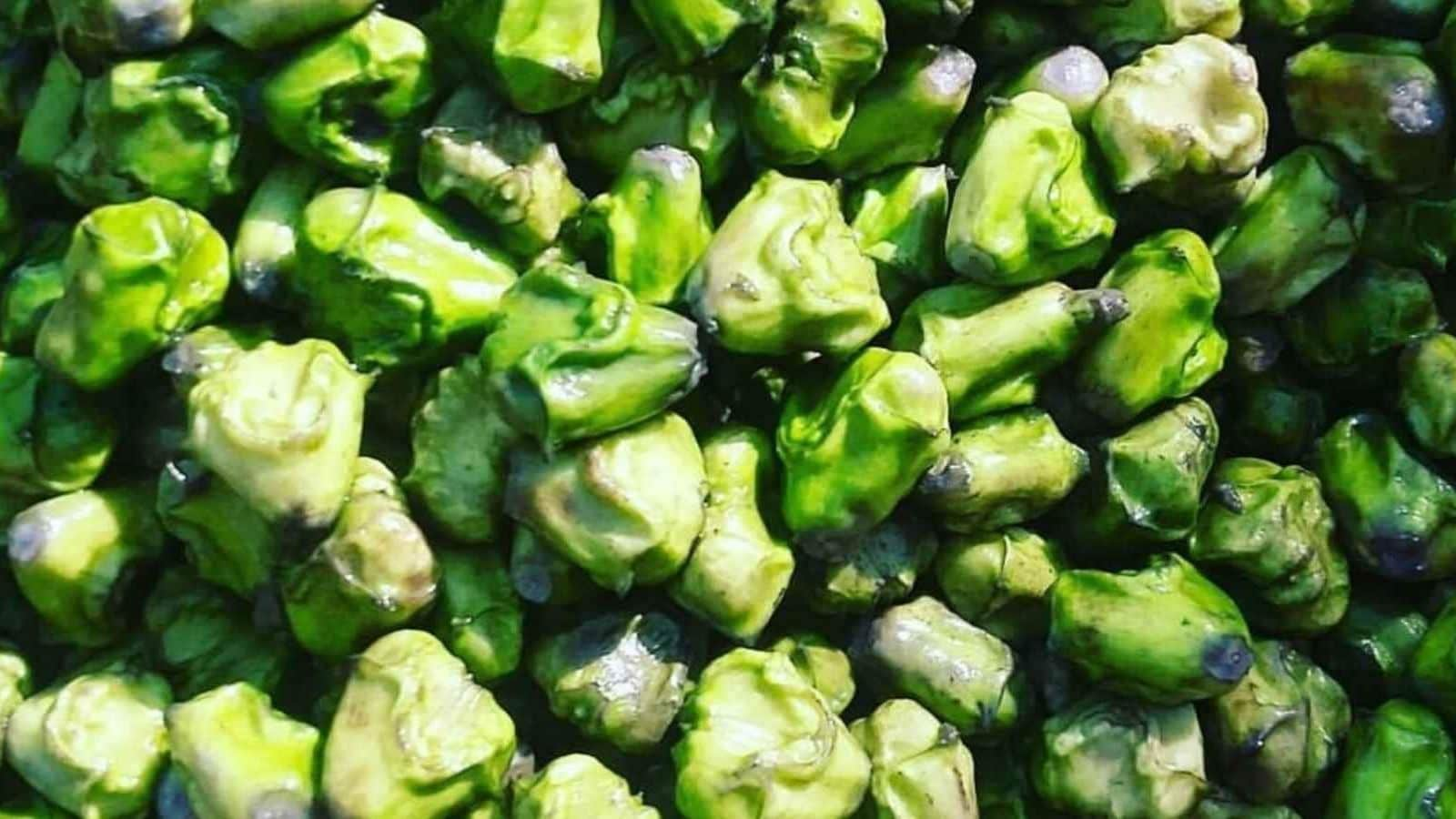
The recognition came alongside a GI tag for Jabalpuri Matar (peas), making Jabalpur the first region in India to have both these agricultural products receive GI protection, according to the government announcement provided. The recognition was granted by the GI Registry in Chennai. A GI tag identifies products with qualities, reputation or characteristics linked to a particular geographical region. For Jabalpur, it puts the spotlight on two local crops that have long been part of its agricultural identity. While the tag does not officially make it India’s singhara capital, it gives the region a distinct place on the country’s water chestnut map.
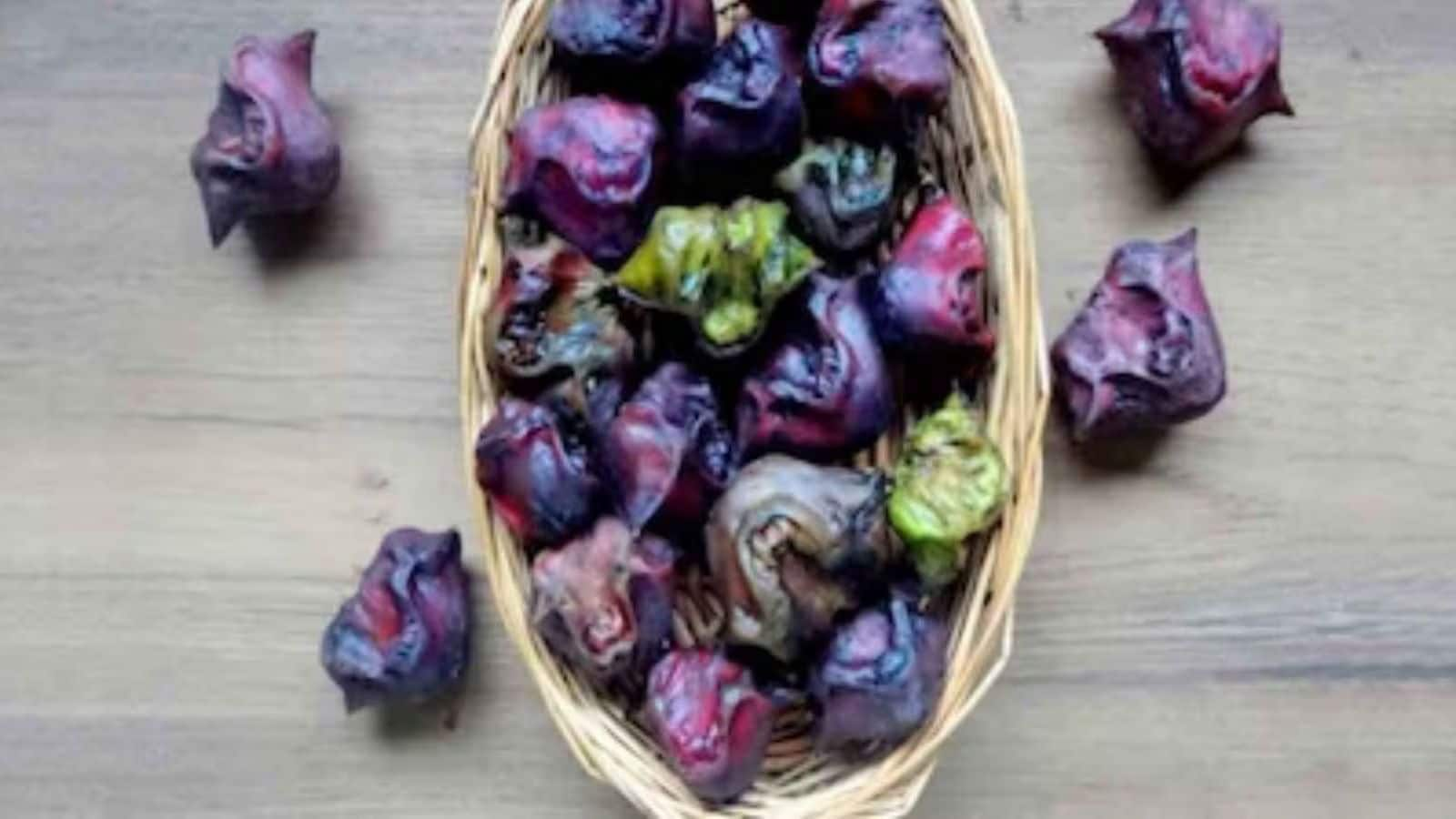
The reason water chestnut thrives in Jabalpur is its suitability to the region’s water bodies and agricultural conditions. Singhara is an aquatic crop that grows in ponds, lakes and other waterlogged areas. Its cultivation requires standing water through much of its growing period, making areas with suitable wetlands and ponds particularly important for farmers. The GI recognition gives Jabalpur’s produce a distinct identity and could help local growers build greater market recognition.
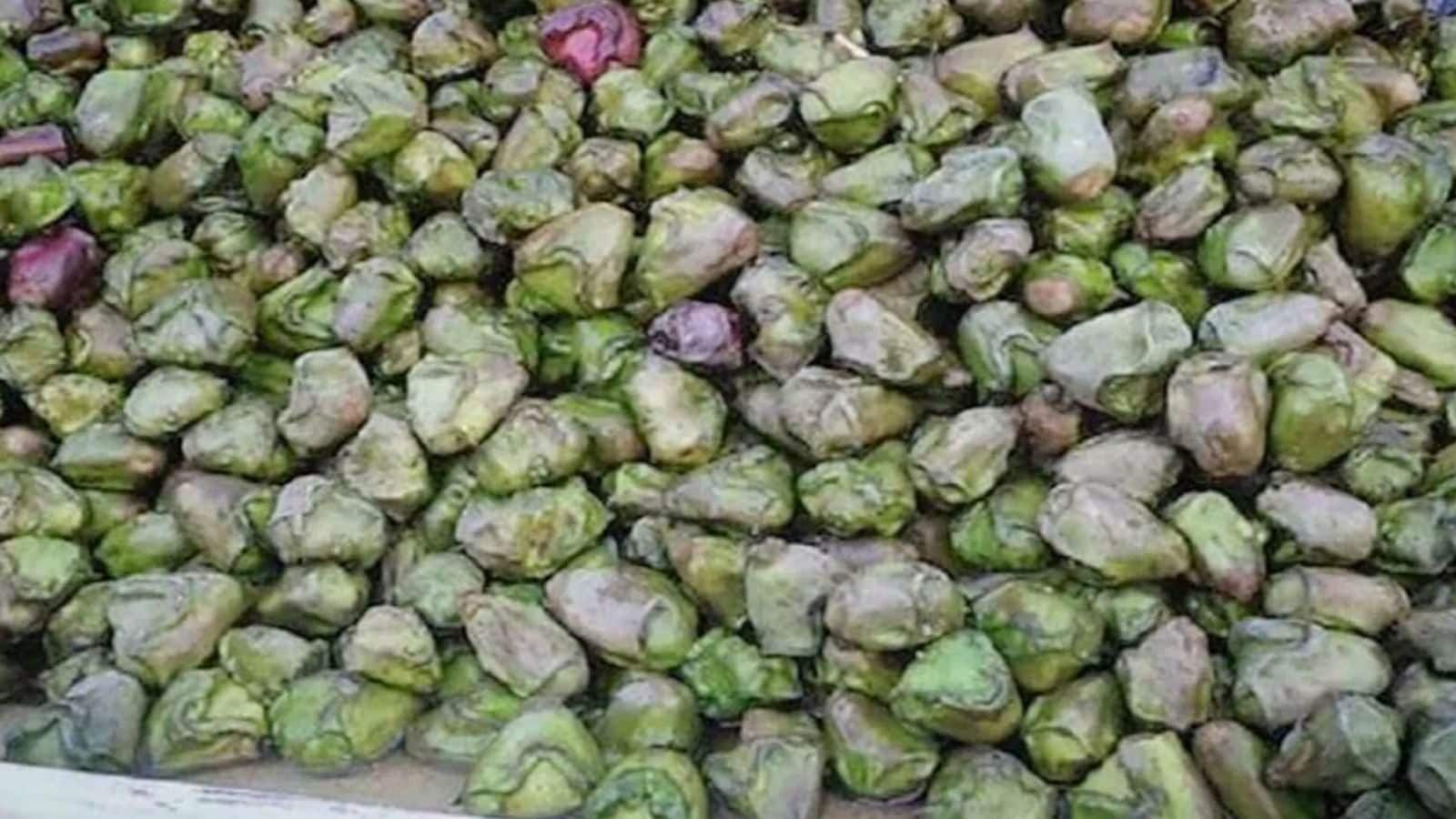
Bihar is another major singhara-growing region, with districts such as Darbhanga, Madhubani and Samastipur known for the crop. Water chestnut is cultivated in seasonal water bodies here, and its nuts are sold fresh as well as dried and processed into flour. Singhara atta is particularly popular during fasting periods such as Navratri, when it is used to prepare puris, halwa and other dishes.
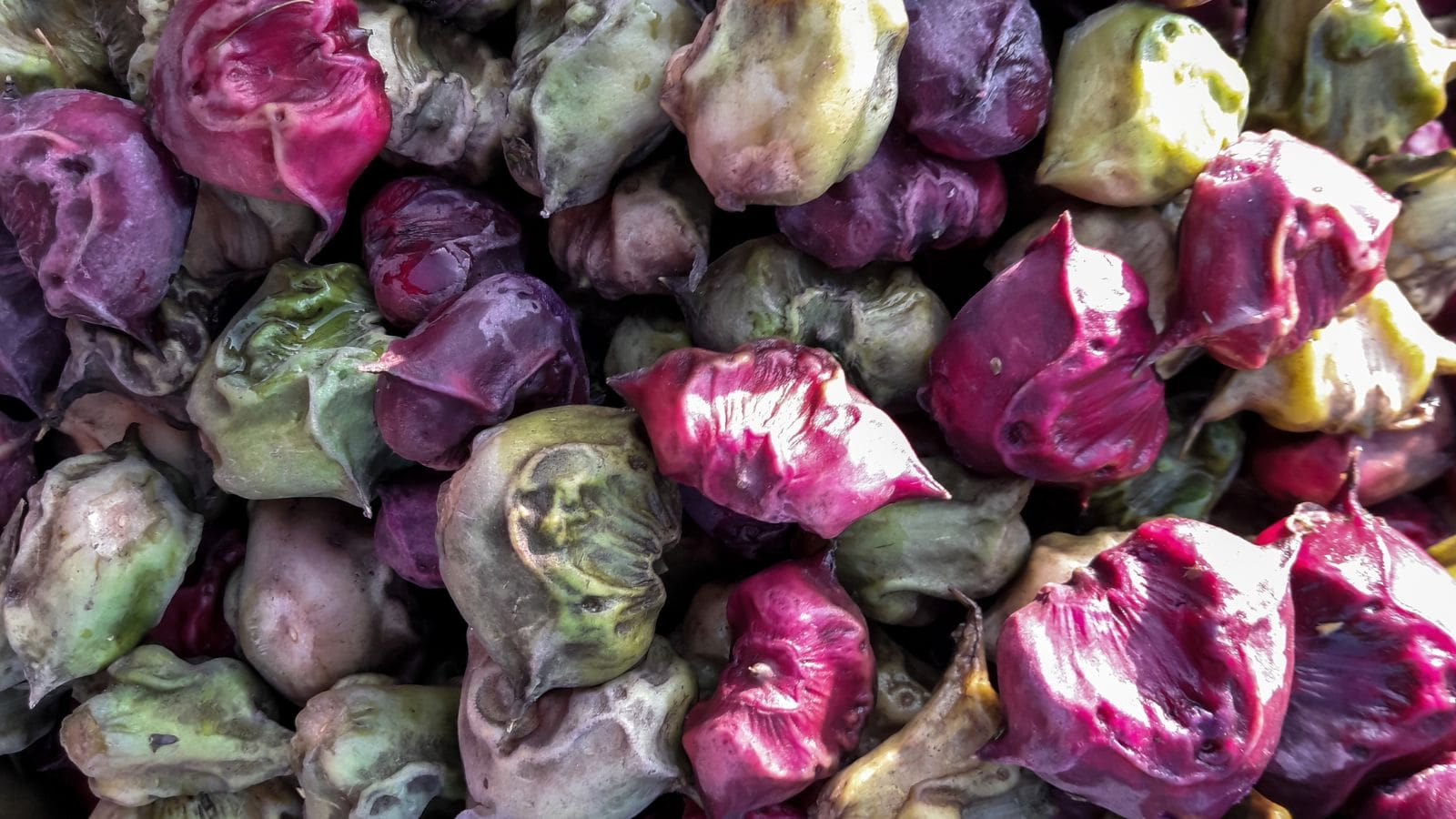
Uttar Pradesh also has a strong connection with singhara cultivation. The crop is grown in ponds and low-lying, waterlogged agricultural areas across the state. In fact, Uttar Pradesh and Madhya Pradesh are among India’s leading water chestnut-producing states. The crop is valued both as a seasonal food and as a source of income for farming communities.
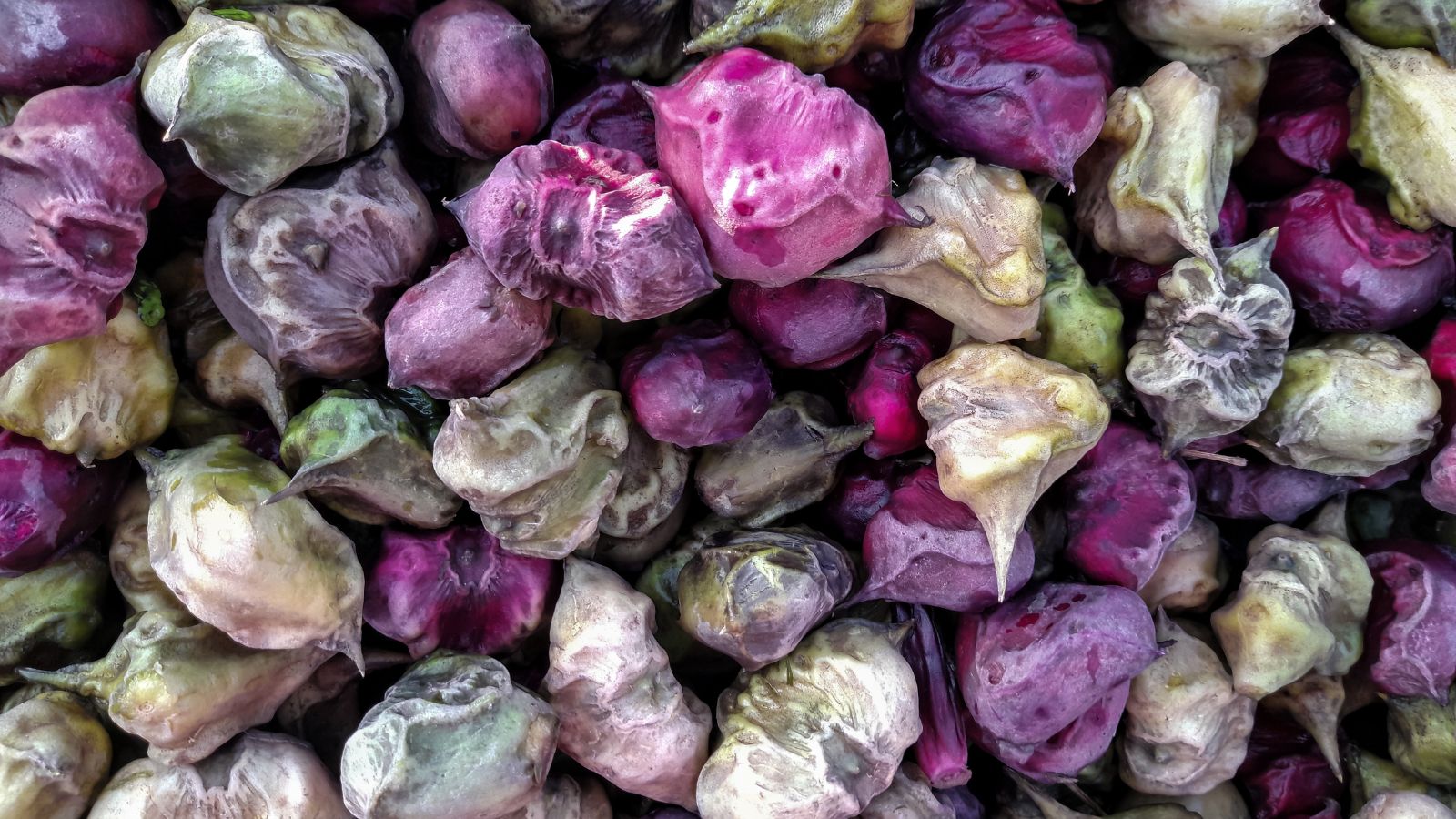
West Bengal and Odisha are other important destinations on India’s water chestnut map. In West Bengal, singhara is cultivated in ponds and wetlands, while Odisha has its own local name for the crop: pani singara. The aquatic plant is also recorded in parts of Odisha, including Mayurbhanj. Its ability to grow in standing water makes it a useful crop in regions with suitable wetlands.
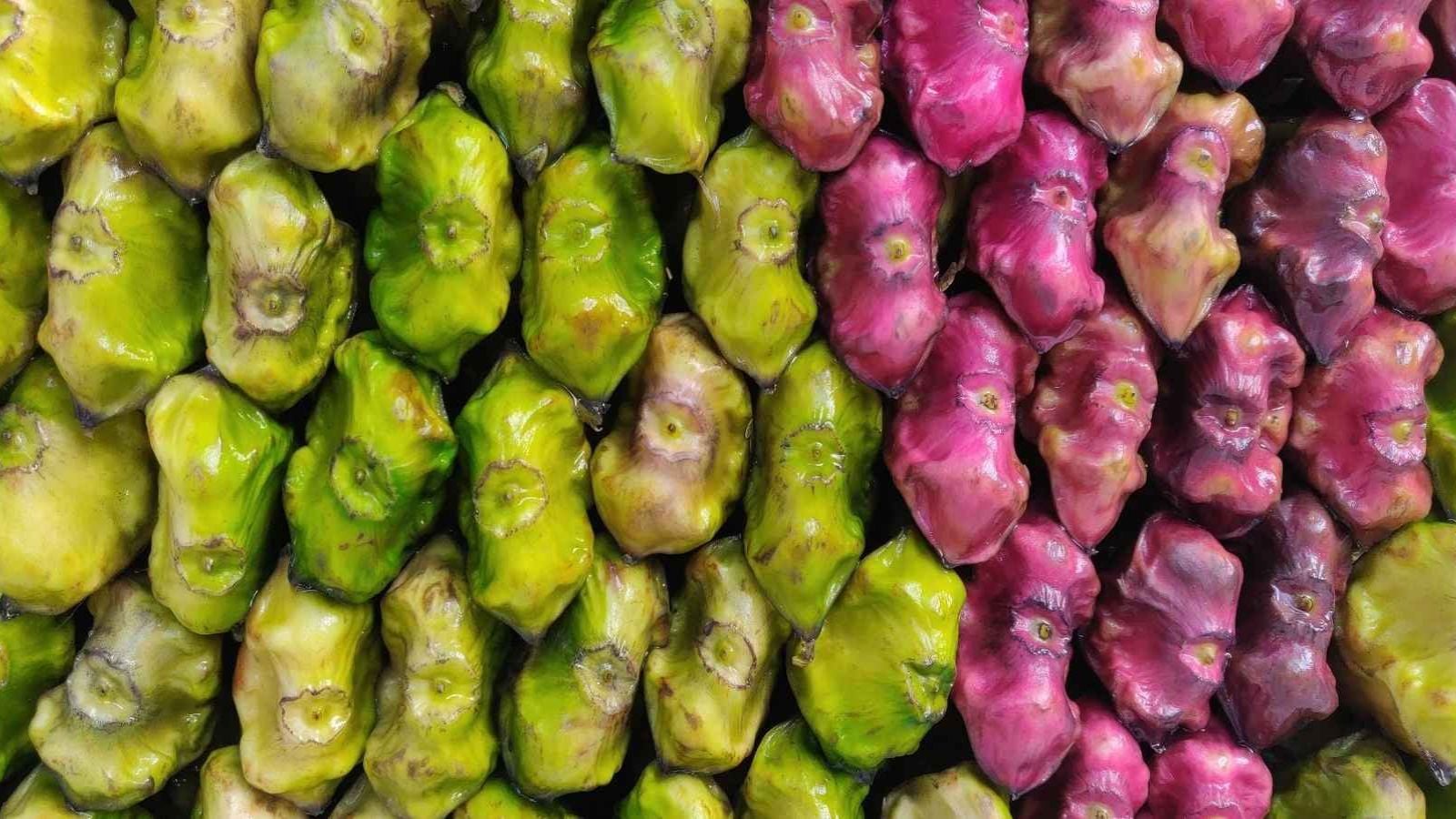
The crop is not restricted to these regions. According to the ICAR-Indian Institute of Water Management, water chestnut is also grown in Assam, Maharashtra, Punjab and Tamil Nadu, apart from Bihar, Madhya Pradesh, West Bengal, Odisha and Uttar Pradesh. In Jammu and Kashmir, water chestnuts are also associated with Wular Lake, where they are collected from the water.