 By
At the Global Wellness Summit in Phuket, Chiva-Som chief Krip Rojanastien urged the wellness industry to put prevention and personal care ahead of technology — a message now echoing well beyond the conference hall.
By The BNN Media
The Best News Network
News Beyond the Borders
Phuket, Thailand — The world’s wellness industry should stop treating prevention as an afterthought and start treating it as the main event, one of its most respected leaders told the Global Wellness Summit in Phuket — arguing that personal care and traditional healing matter more than the latest gadget.

The Summit’s Message
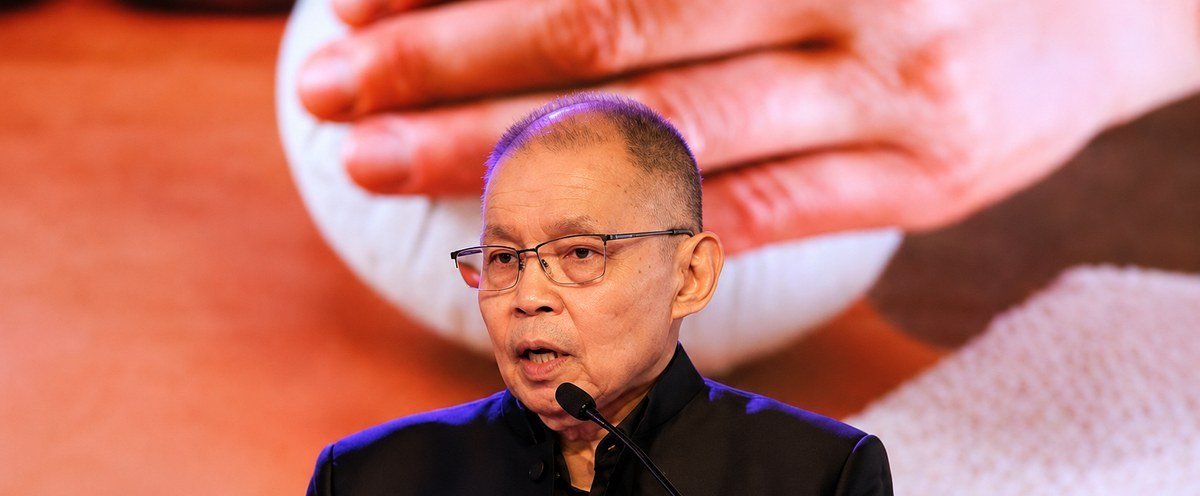
The message came from Krip Rojanastien, chairman and chief executive of Chiva-Som International Health Resorts, in a keynote titled “Beyond Precision: Understanding, Balance, Personalisation”, delivered at the summit’s 20th edition in Phuket.
Rojanastien urged wellness providers to combine modern science with traditional healing philosophies, and to put personalised, preventive care at the centre of what they offer. His address, reported on Wednesday, has become one of the most discussed moments of a summit that brought around 600 delegates from across the world to Thailand.
The core of his argument was simple: health is not something to fix after it breaks — it is something to protect before it does.
Prevention Takes Centre Stage
Preventive healthcare was a major focus of the address, reflecting concern about the growing global burden of non-communicable diseases — conditions such as heart disease, diabetes and obesity that develop over years and are closely linked to how people live.
Rojanastien argued that prevention should become a far more prominent part of healthcare, rather than remaining secondary to treatment. Wellness destinations, he said, can contribute by encouraging the everyday habits that keep people well: regular physical activity, balanced nutrition, stress management and better sleep.
He also pointed to the value of nutritious, locally produced food, meaningful relationships and access to healthy natural surroundings — the unglamorous foundations of a healthy life, which no device can replace.
Prevention, in his telling, is not a product to be sold. It is a way of living — and the wellness industry’s job is to make that way of living easier.
Technology Has Limits
One of the keynote’s sharpest passages concerned technology. Rojanastien examined the industry’s growing dependence on artificial intelligence, wearable devices and advanced diagnostics, and warned that information alone cannot deliver lasting improvements in health.
A watch can count steps and a scan can measure markers, he argued — but neither can supply the understanding, balance and human attention that turn numbers into better health. His theme of “understanding, balance and personalisation” was, in effect, a challenge to an industry that has spent years adding sensors and dashboards to the guest experience.
The point was not to reject science. Rojanastien’s call was to pair scientific innovation with traditional knowledge and human relationships — to use the tools, but not to mistake the tools for the care itself.
Data can describe a person’s health. Only a person can understand it.
Thailand’s Wellness Bet
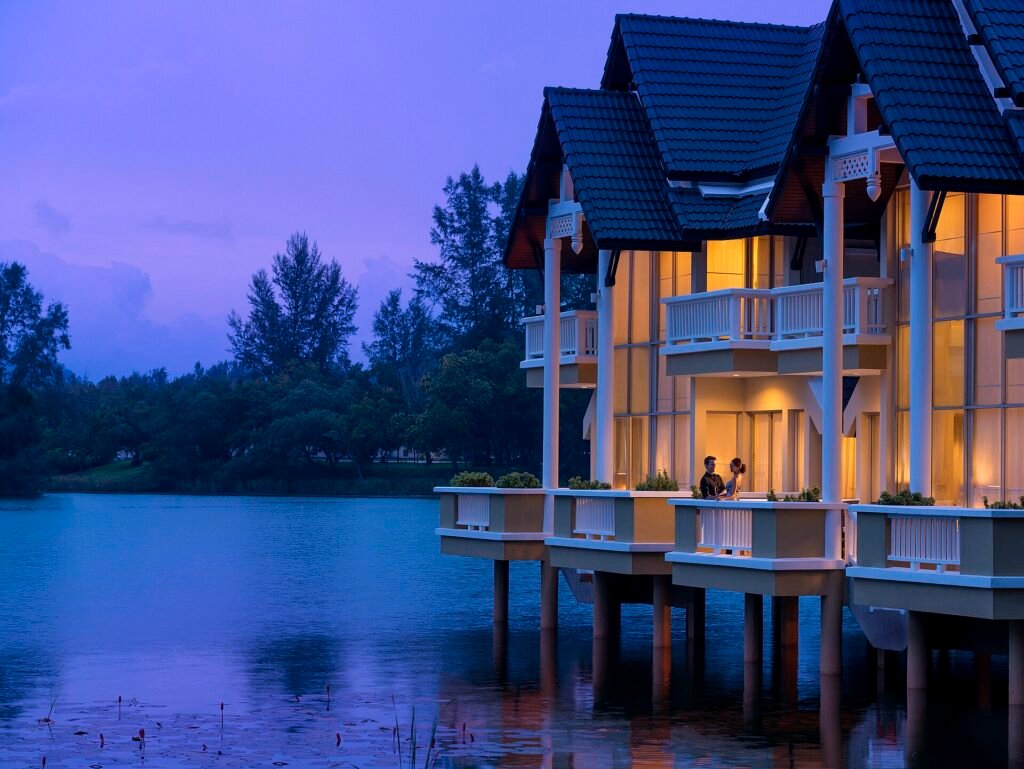
The summit itself, held from 10 to 13 November at Angsana Laguna Phuket under the theme “The Science, Art and Soul of Wellness”, was a showcase for Thailand’s ambitions in wellness tourism.
Queen Suthida Bajrasudhabimalalakshana presided over the official opening on 11 November, delivering the royal opening address to international wellness leaders. The event was organised by the Department of Thai Traditional and Alternative Medicine, with the Tourism Authority of Thailand, the Thailand Convention and Exhibition Bureau and Phuket Province as co-hosts.
The four-day programme covered longevity, preventive medicine, wellness hospitality, investment and emerging technologies. Among the Thai speakers were Public Health Minister Pattana Promphat, on the country’s wellness ambitions, and William E. Heinecke, founder of Minor International, on hospitality.
For Thailand, the summit was more than a conference. It was a statement that the country intends to be a world centre for health-led travel — where visitors come not only for beaches and temples, but for care, rest and recovery.
Thailand is betting that the future of tourism is not just where people go, but how they feel when they get there.
What It Means for Travellers
The ideas debated in Phuket are already shaping what travellers can expect from wellness holidays. The summit’s agenda pointed to a shift away from luxury spas that simply pamper, and towards destinations that offer structured programmes: health assessments, personalised nutrition, movement, sleep support and time in nature.
Wellness retreats in Thailand and beyond are increasingly built around that model — long stays, expert guidance and a focus on habits that last after the holiday ends. The summit also highlighted post-stay experiences at celebrated retreats including Chiva-Som Hua Hin, Kamalaya Koh Samui and Anantara Layan Phuket.
For travellers, the practical takeaway is to look beyond the brochure: a serious wellness destination should offer personal attention and a plan tailored to the individual, not just a menu of treatments.
- Look for personalisation: programmes adapted to your health, not one-size-fits-all packages.
- Check the expertise: qualified health professionals, not only spa therapists.
- Ask about aftercare: the best programmes support healthy habits once you are home.
- Value time in nature: rest, daylight and natural surroundings are part of the treatment, not a backdrop.
The Wider Picture
The Phuket message arrives as health systems everywhere strain under the weight of preventable illness. Non-communicable diseases now account for the largest share of deaths worldwide, and their roots — diet, inactivity, stress, poor sleep — are lifestyle questions as much as medical ones.
That is why a lifestyle summit’s conclusions matter beyond the resort world. If prevention becomes a normal part of how people travel, eat and live, the benefits reach far past the wellness industry itself.
Rojanastien’s keynote did not offer a miracle cure, and it did not pretend one exists. What it offered was a direction: understand the person, keep life in balance, and make care personal.

In the end, the summit’s most radical idea was also its simplest: the best healthcare is the kind you never need.
By The BNN Media
The Best News Network
News Beyond the Borders
Sources: Travel And Tour World; Travel Daily News Asia; Tourism Authority of Thailand (TAT Newsroom).