 By
Ministers in Antalya spent Wednesday behind closed doors trying to close the gaps on finance, fossil fuels and fairness — but 21 issues are still open, new draft texts are due on Thursday morning, and the summit is scheduled to close on Friday with almost no time to spare.
By Faseeh Ur Rehman
Senior Journalist | The BNN Media – The Best News Network
News Beyond the Borders
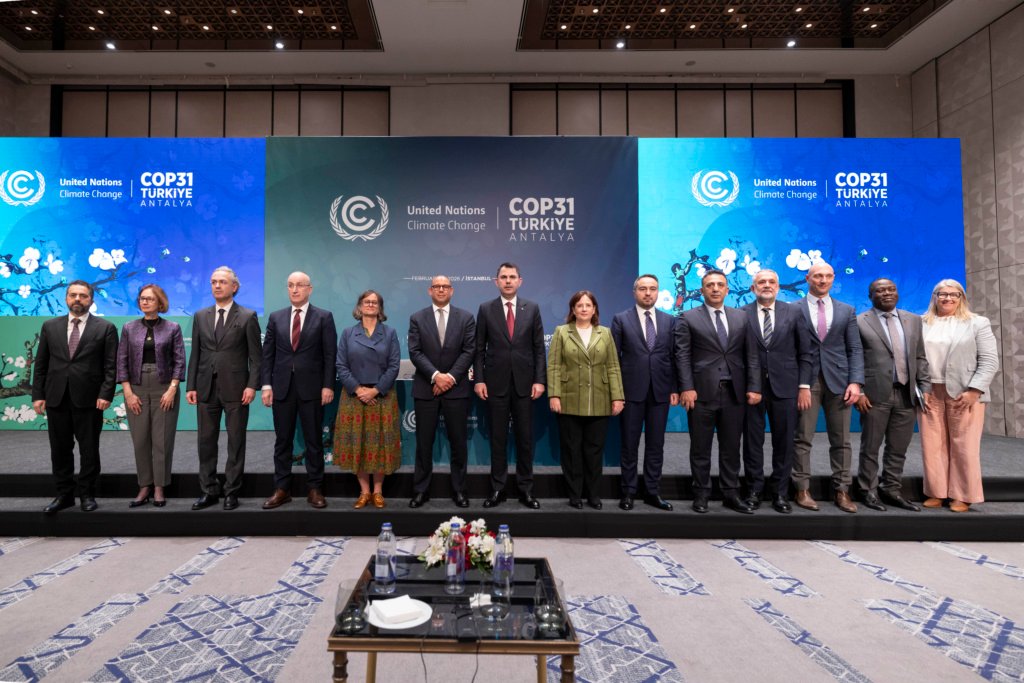
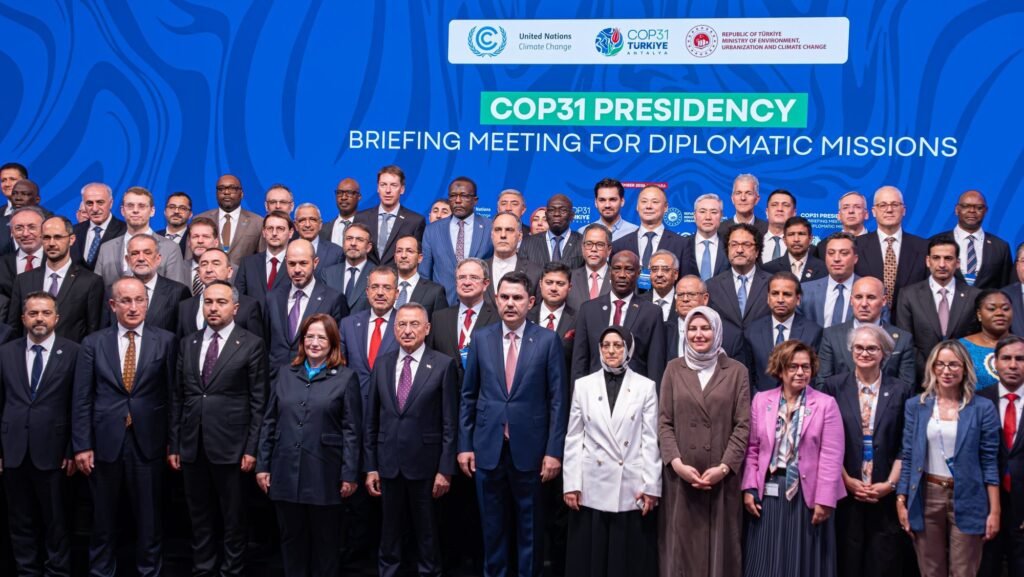
ANTALYA, Türkiye — The COP31 climate summit entered its final stretch on Wednesday, 18 November, with ministers meeting in the Turkish coastal city and 21 issues still unresolved across adaptation, finance, mitigation and just transition, according to a mid-week letter the COP31 Presidency sent to delegations. New negotiating texts are due early on Thursday, 19 November, with the conference scheduled to close on Friday, 20 November and almost no slack left in the programme.
A Summit Running Out of Time
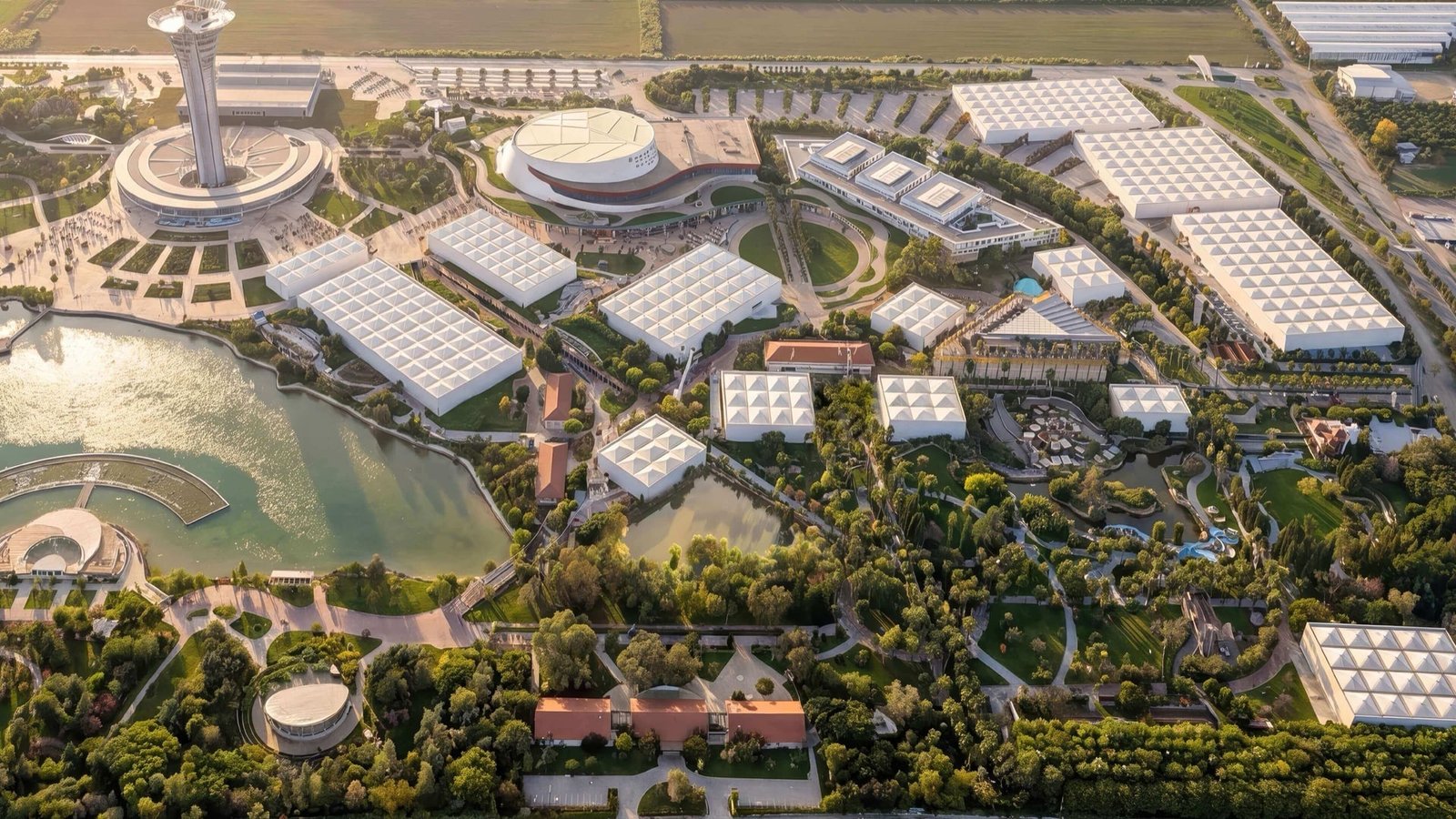
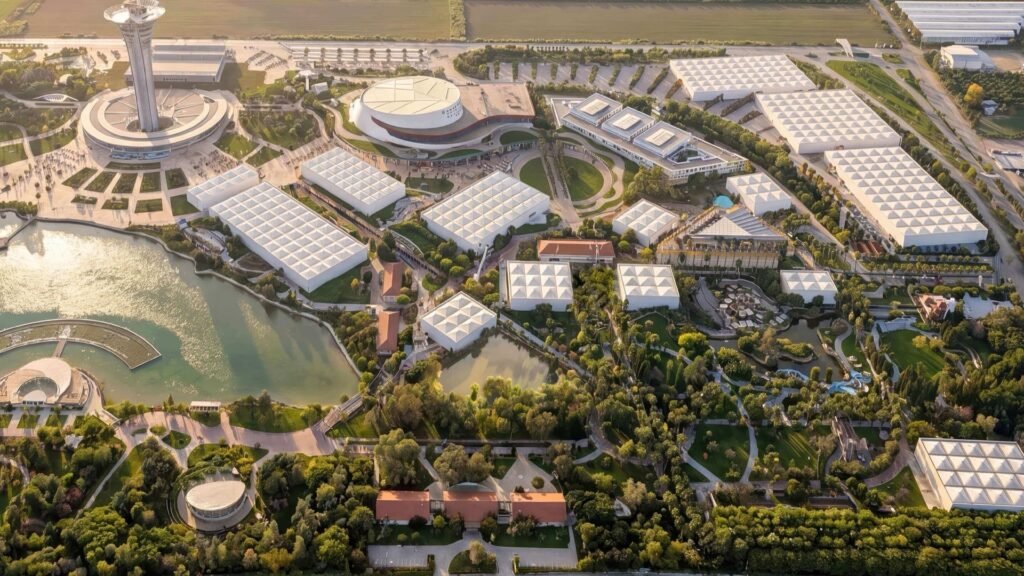
The summit, which opened on 9 November at the Antalya Expo Centre, has two days left. In the late afternoon on Wednesday, ministers met behind closed doors for a Divan — a Turkish-style political open exchange — aimed at narrowing their differences. Observers told UN News they expected the conference to run at least one extra night beyond its scheduled Friday close.
A revised version of the wider political deal is also in preparation after the first draft exposed divisions over fossil fuels, finance, the 1.5°C goal, electrification and science. That first draft, an 18-page document containing 144 paragraphs, was published around midday on Monday and drew fire from all sides.
Twenty-one open issues, two days left, and a first draft that pleased almost no one.
The New Climate Reality Check
Even as the talks stalled, countries on Wednesday launched the second Global Stocktake — the five-yearly audit under the Paris Agreement that measures whether national plans and promises add up to enough action on cutting emissions, adapting to climate risks and supporting the countries most in need.
The first stocktake, completed at COP28 in Dubai in 2023, helped spur agreements to triple renewable energy capacity, double gains in energy efficiency and accelerate the transition away from fossil fuels in energy systems. This round concludes in 2028 — the last such check before 2030.
UN climate chief Simon Stiell framed the window bluntly: “We have two years,” he said, calling on governments to turn the first stocktake’s targets into real-world progress. “Yes, geopolitical headwinds are fierce, but an ambitious outcome is within reach.”
The Fossil Fuel Fault Line
The deepest split is over the fuels that cause most of the warming. The draft political deal carries two rival wordings on fossil fuels: one repeating the 2023 pledge agreed at COP28 to transition away from fossil fuels, and a stronger clause calling for an “immediate transition” and “accelerated action to phase out fossil fuels.”
Major oil, gas and coal producers and consumers are resisting any deal that sets firm new targets or commits countries to move away from those fuels. Russia, Saudi Arabia and the Arab group have objected to having a cover decision at all, according to reports from the talks.
The draft also proposes that developed countries reach carbon neutrality by 2030 — within just four years, against the current 2050 target — language observers say has virtually no chance of surviving the coming days of negotiation.
Who Pays — and How Much
Money has dominated much of the summit, and the finance talks are among the most stuck. The presidency’s draft proposes tripling adaptation finance to at least $120 billion a year by 2035 and asks developed countries to produce a roadmap with milestones to get there.
But that figure would cover only 20 to 29 per cent of estimated needs, which the United Nations puts at around $305 billion a year by 2035, according to the UN Environment Programme’s Adaptation Gap Report.
Civil society groups at the summit had blunt messages for the negotiators. Seher Raheja of India’s Centre for Science and Environment said finance talks were drifting towards delay rather than agreement, and that in one room the entire text remained in brackets — COP shorthand for no agreement at all. “It’s kicking the can down the road,” she said. “You cannot demand ambition from developing countries while withholding the means to deliver it.”
On adaptation, Pooja Dave of Climate Action Network International was even blunter: “You made a promise, a commitment, and you are breaking that commitment. This is literally about our survival.” She questioned the value of negotiating ever more elaborate ways to measure adaptation if countries lack the resources to protect people from worsening climate impacts. “When there is no adaptation on the ground, what are we monitoring?”
$120 billion sounds large — until it is measured against $305 billion of need.
The Electrification Fight
Türkiye’s flagship energy goal — raising electricity’s share of global final energy use to 35 per cent by 2035, from about 23 per cent today — now has the backing of 75 countries, according to the presidency. But the proposal does not require the extra electricity to come from renewable sources, and that gap is one of the live disputes in the draft.
The science timetable is also contested. The Intergovernmental Panel on Climate Change (IPCC) faces a dispute over whether its next major reports will be completed in time to inform the 2028 stocktake. Several vulnerable countries want the reports finished in time; others, including Russia, Saudi Arabia and China, argue the schedule is too compressed and could limit meaningful participation by developing-country scientists.
IPCC Chair Jim Skea said the Working Group II report “will cast light on collective progress towards achieving the global goal on adaptation,” and will address adaptation finance for the first time and responses to losses and damages.
A Just Transition — and Who Bears the Cost
Wednesday was Human, Social Development and Gender Day at the summit, and the question of who bears the cost of decarbonisation moved to the centre of the agenda. The fight over just transition — how to move away from high-emitting industries without leaving workers and communities to bear the cost — is one of the 21 unresolved items.
Outside the negotiation rooms, a giant signed banner underscored civil society’s demand: protect workers and communities as economies go green.
Economist Mariana Mazzucato, speaking at a high-level event on socially just transitions, told UN News the debate is too often reduced to finding more money. “We don’t fix markets. We shape the market to deliver inclusive and sustainable growth,” she said, adding: “Climate [action] should be how we deliver a better economy.”
Brazilian climate negotiator Lilian Chagas argued that excluding women from climate planning makes action not only less fair, but less effective: “Without supporting women in science, we risk depriving our countries of the solutions needed to limit global temperature rise.” Tuvalu Prime Minister Feleti Teo spoke of women on Funafuti, the country’s capital, who monitor disappearing shellfish, ration rainwater and move crops inland as seas rise. “They did not cause this crisis. Resilience has a limit. And beyond that limit is survival.”
- 21 issues unresolved: adaptation, finance, mitigation and just transition
- New draft texts due: early Thursday, 19 November
- 35×35 electrification target: backed by 75 countries
- Adaptation finance proposal: at least $120 billion a year by 2035, against estimated needs of about $305 billion
- Second Global Stocktake: launched Wednesday, concludes 2028
- Scheduled close: Friday, 20 November, with observers expecting at least one extra night
What Happens Next
Thursday’s texts are the test. If the bracketed language on climate finance and adaptation survives into the closing plenary, COP31 will end with a package that restates ambition while leaving the delivery mechanism open — and the second Global Stocktake will inherit that gap when it concludes in 2028.
Three signals will show which way the summit is heading: whether the 21 outstanding items shrink before Friday, whether the science timetable dispute is settled in time for the IPCC to inform the 2028 check, and whether the just transition text names workers and communities as beneficiaries rather than afterthoughts.
The COP31 Presidency — led by Türkiye’s Environment Minister Murat Kurum alongside Australia’s Climate Minister Chris Bowen — has outlined four tracks for the final stretch: ministerial engagement, presidency consultations, ministerial consultations on the outstanding political issues, and continued technical work on a limited set of issues.
The drafts land on Thursday morning. By Friday, the world will know whether Antalya produced a plan — or another postponement.
By Faseeh Ur Rehman
Senior Journalist | The BNN Media – The Best News Network
News Beyond the Borders