 By
By The BNN Media
The Best News Network
News Beyond the Borders
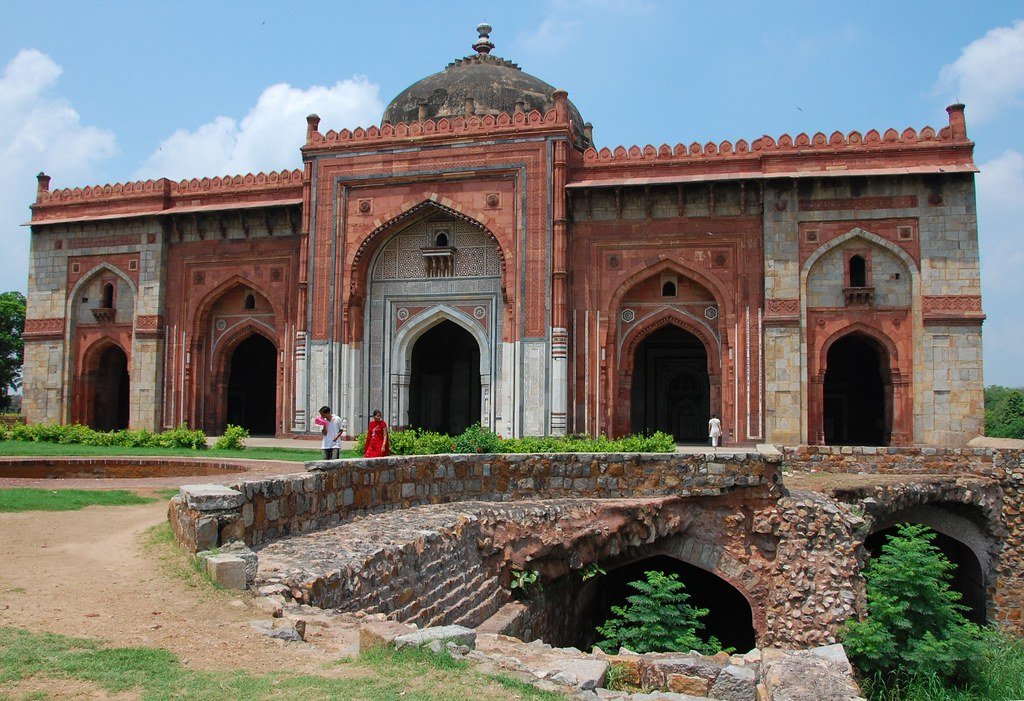
New Delhi, India — Pakistan’s Federal Minister for Climate Change and Environmental Coordination, Dr Musadik Masood Malik, has arrived in New Delhi to lead Pakistan’s delegation at the first Shanghai Cooperation Organisation (SCO) Civilisational Dialogue Forum, the first visit to India by a Pakistani federal minister since May 2023. The three-day forum, being held at the historic Purana Qila from November 20 to 22, was inaugurated by Indian Prime Minister Narendra Modi, and brings together representatives of SCO member states to discuss civilisational dialogue, shared heritage and cultural cooperation.
Pakistan’s participation was confirmed by the Foreign Office on November 14. In its statement, the ministry said the country’s presence at the forum reflected its contribution as an active member state to promote dialogue, cooperation and understanding in line with the “Shanghai Spirit”. Malik is expected to take part in the forum’s thematic sessions and present Pakistan’s perspective on dialogue among civilisations and the country’s diverse civilisational and cultural heritage.
A First Ministerial Visit in More Than Three Years
Malik’s arrival in the Indian capital carries weight beyond the cultural programme. No Pakistani federal minister had visited India since May 2023, when then Foreign Minister Bilawal Bhutto Zardari travelled to Goa to attend a meeting of the SCO Council of Foreign Ministers. That visit, like this one, took place under the framework of the regional organisation rather than as a bilateral engagement.
The minister was received on arrival on Friday by Pakistan’s Chargé d’Affaires in India, Saad Waraich, according to reports of the visit. India had originally invited Pakistan’s Minister for National Heritage and Culture, Aurangzeb Khan Khichi, to the inaugural forum. Islamabad subsequently nominated Malik, with the Foreign Office explaining that the government could nominate any minister depending on availability.
No bilateral talks between Pakistan and India have been announced in connection with the visit. The engagement is taking place within the multilateral setting of the SCO, and both sides have treated it as such in their public statements.
The visit restores a level of ministerial contact between the two countries that had been absent for more than three years.
The Forum at Purana Qila
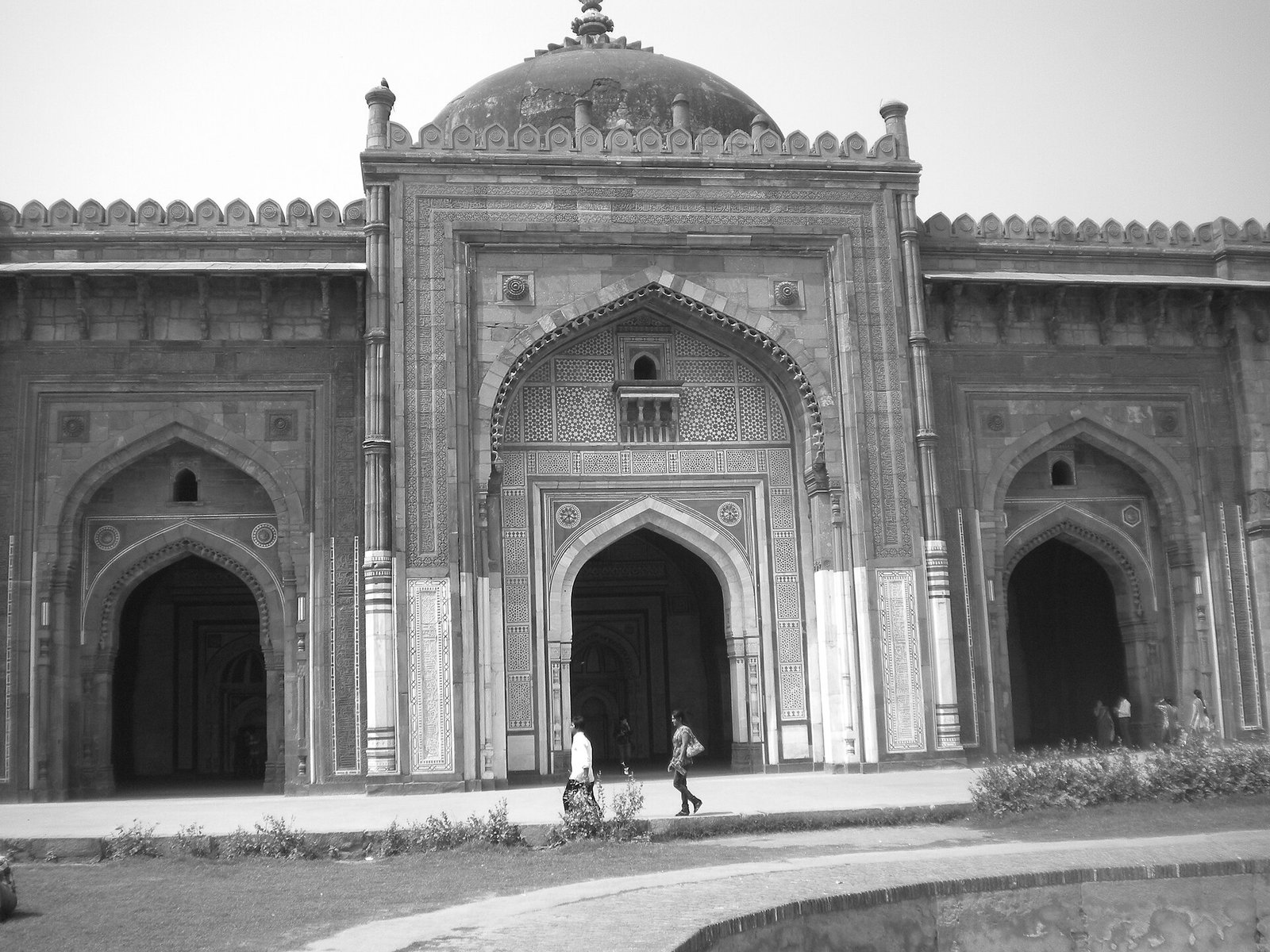
The choice of venue is itself part of the message. Rather than a conventional conference centre, India chose the 16th-century Purana Qila, the Old Fort, to host the inaugural forum, reflecting the emphasis on the region’s shared civilisational and cultural heritage. Prime Minister Modi inaugurated the gathering on the evening of November 20 and addressed the participants.
The initiative was first proposed by Modi during the SCO Council of Heads of State summit in Tianjin, China, in September 2025. India’s Defence Minister Rajnath Singh later announced the plan to host the inaugural forum while addressing the SCO Council of Heads of Government meeting in Dushanbe in October 2026. The forum is being organised jointly by India’s Ministry of Culture and its Ministry of External Affairs.
Invitations were extended to all 10 SCO member states, along with observer countries and dialogue partners. The SCO’s members include India, Pakistan, China and Russia. The opening ceremony featured a cultural presentation titled “Civilisations in Conversation — Cultural Show”, built around the theme “Vasudhaiva Kutumbakam — The World Is One Family”.
The forum marks the SCO’s move from security, economic and connectivity cooperation into the civilisational and cultural domain.
Four Themes Across Two Days
The substantive work of the forum takes place in four thematic sessions scheduled for November 21 and 22, bringing together scholars, academics, subject experts and cultural representatives from across the SCO region. The discussions cover:
- Music, performing arts, textiles, cuisine and traditional games
- Shared artistic and architectural traditions
- Languages, literature, scripts and manuscripts
- Monastic trails and philosophical traditions
The programme also includes exhibitions showcasing India’s archaeological, artistic and literary heritage. One, titled “ASTITVA — The Essence of Our Existence”, presents Delhi’s history through archaeological evidence dating from 1200 BCE to 1200 CE, including excavated remains, artefacts and architectural fragments. Another attraction is the “Mahabharat Scroll Pavilion — Anant”, featuring a rare 18th-century illustrated Mahabharata scroll.
Pakistan’s Three-Point Formula
Addressing the SCO ministerial forum, Malik presented a three-point formula for cooperation among civilisations, according to reports of his address. First, he proposed a network of cultural institutions across SCO member states, offering Pakistan’s Lok Virsa and the Pakistan National Council of the Arts (PNCA) as focal institutions. Second, he proposed a shared digital repository, arguing that modern technology, including artificial intelligence and machine learning, could be used to present the region’s natural and historical gifts to the world through virtual reality. Third, he proposed a climate-change-resilient heritage framework to be developed ahead of the next SCO summit in 2027.
Malik chose to deliver his address in Urdu, and made extensive poetic and philosophical references, according to the reports. He told the forum that the enemy of civilisation itself was climate change, and pointed to the catastrophic floods that struck Pakistan in 2022. In those floods, he said, 1,700 people died, and four days of rain brought down walls at Mohenjo-daro that had stood for 4,500 years. He also cited devastating floods in Nepal, arguing that the region needed to cooperate on climate change.
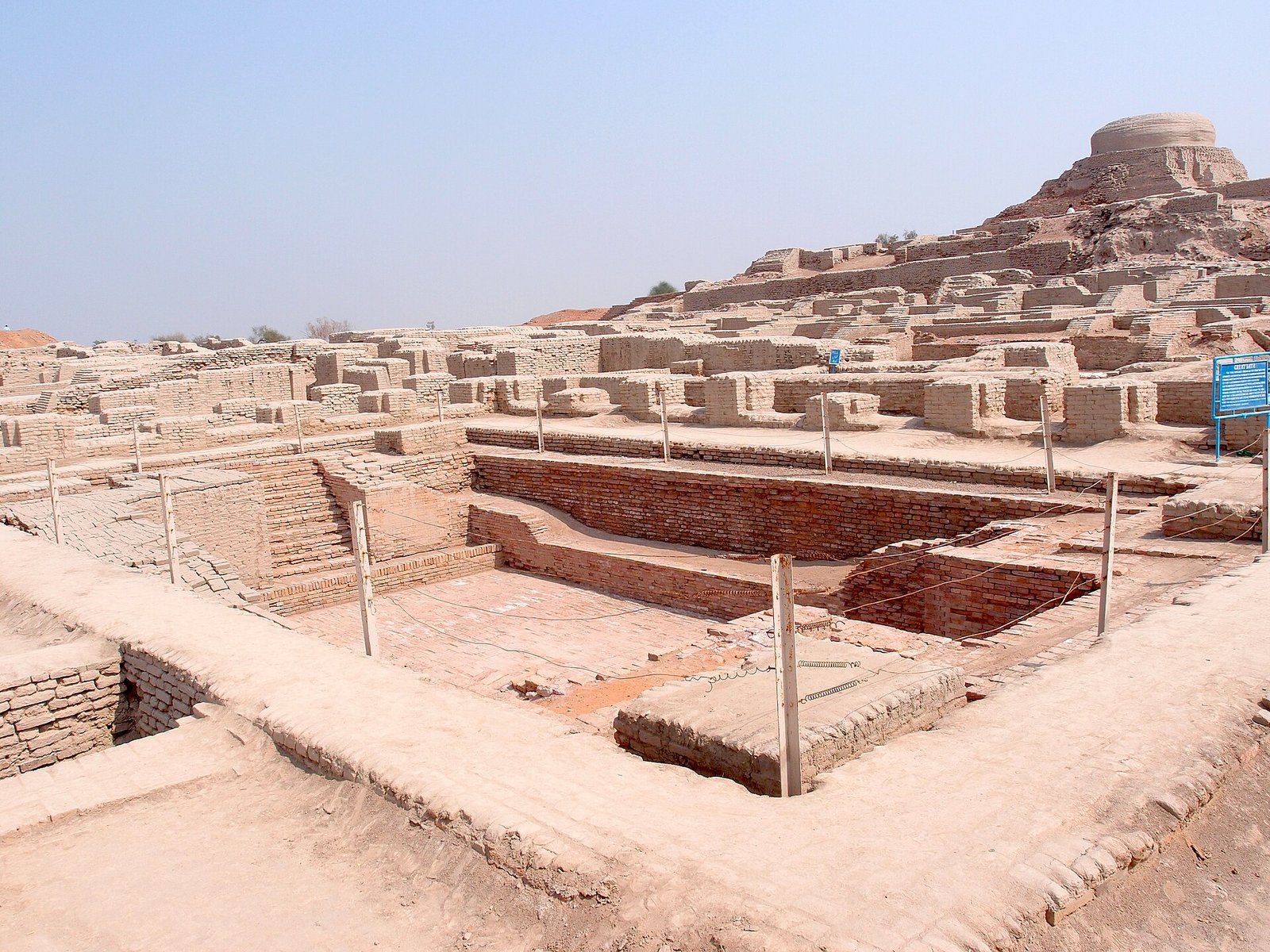
Malik’s message was that heritage cannot be protected by any one country alone when the threat — a changing climate — respects no border.
Dialogue Between Distinct Identities
On the sidelines of the forum, Malik held meetings with other delegations, including Tajikistan’s Minister of Culture Matlubakhon, with whom he discussed Pakistan-Tajikistan cooperation, and Mohammad Mahdi Imanipour, president of Iran’s Islamic Culture and Relations Organization.
Speaking to reporters in New Delhi, Malik described the gathering as a tremendous opportunity for multilateral dialogue and expressed hope that relations in the region would improve. He said culture could play an important role in bringing neighbouring countries closer, and that regional challenges, including terrorism, required a transparent mechanism based on evidence from both sides.
Responding to questions from Indian journalists, Malik said dialogue was possible between distinct identities, while uniformity left room only for a monologue rather than meaningful engagement. According to reports of his remarks, he reaffirmed Pakistan and India as two separate and sovereign identities, and argued that recognition of that reality was fundamental to meaningful regional engagement. He also challenged the concept of “Akhand Bharat”, or undivided India, and the ideology of Hindutva.
India, for its part, has made clear that the visit changes nothing in its position on the Indus Waters Treaty. Its Ministry of External Affairs reaffirmed on Friday that its stand on the treaty remains unchanged, after the treaty was suspended in 2025 following the Pahalgam attack and the four-day military confrontation between the two countries in May 2025. The clarification came after questions were raised about Malik’s participation and his reported remarks on the water-sharing agreement.
Looking Ahead to Islamabad 2027
The forum also carries significance for what comes next. Pakistan currently holds the SCO’s rotating chairmanship for 2026-27 and is scheduled to host the organisation’s next summit in Islamabad in August 2027. Malik’s proposal for a climate-resilient heritage framework was framed with that summit in mind, and Pakistan’s participation in New Delhi is being seen as part of its preparations for hosting the bloc.
For now, the forum’s test is a modest one: whether countries that disagree sharply on security and politics can still sit together to talk about history, language, art and heritage. The presence of a Pakistani minister in New Delhi for the first time in more than three years does not resolve any of the disputes between the two countries. But it does show that the multilateral table, at least, is still a place where both sides are willing to sit.
Culture alone will not repair a frozen relationship — but after three years without a ministerial visit, the fact that the conversation is happening at all is the story.
By The BNN Media
The Best News Network
News Beyond the Borders
Sources: The News; LawStreet; Pakistan TV; New Kerala; Daily Prabhat (ANI); Associated Press of Pakistan; Madhyamam.