By
Britain and the European Union are expected to sign off on Friday on a youth mobility scheme letting up to 100,000 young people a year live, work and study on each side of the Channel — the centrepiece of a wider reset covering food trade, carbon pricing and migration. But nothing is signed yet, and Downing Street says the talks are going “down to the wire”.
By The BNN Media
The Best News Network
News Beyond the Borders
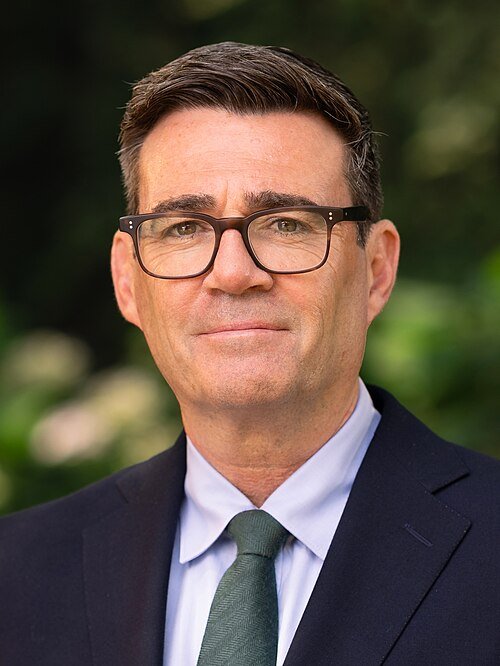
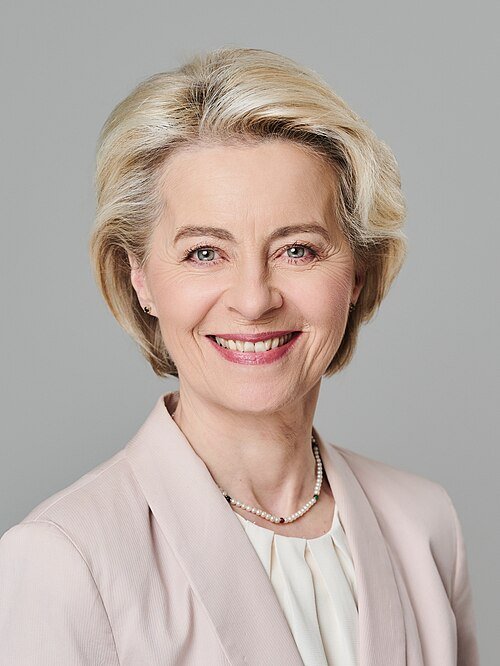
Brussels, Belgium — Prime Minister Andy Burnham met European Commission President Ursula von der Leyen and European Council President António Costa in Brussels on Friday, 20 November 2026, for only the second UK-EU summit since Britain left the European Union, with a package of deals on youth mobility, food trade and carbon pricing expected to be agreed.
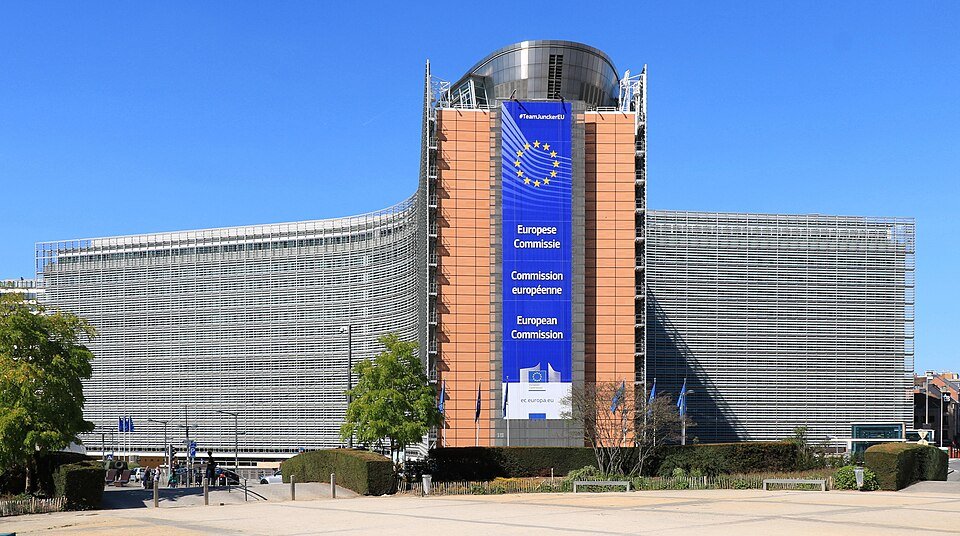
Mr Burnham was scheduled to hold just under an hour of talks with Mr Costa and Ms von der Leyen before a plenary session bringing together British ministers and European commissioners. The BBC understands the youth mobility scheme will be approved at the summit, while Downing Street said on Thursday that the negotiations were going “down to the wire” and the detailed terms had not been confirmed. Diplomats said EU member states backed the package late on Thursday night, but a final sign-off was still needed from the British side.
The summit is the biggest change to Britain’s relationship with the EU since Brexit, and Mr Burnham has presented it as a practical attempt to cut costs for households and businesses rather than a reversal of the decision to leave.
A 100,000-a-Year Youth Mobility Scheme
The youth mobility scheme is the most prominent element of the package. Under the reported terms, up to 100,000 young people from EU member states would be allowed to travel, work and study in the UK each year, and the same number of young Britons would be allowed into Europe. The scheme would be open to people aged 18 to 31 and would let them live, work, study, volunteer or travel for up to three years.
The numbers were hard fought. According to The Times, Britain initially sought a cap of 50,000, then 80,000, while the EU wanted the scheme uncapped; negotiators settled on 100,000. The scheme is expected to come into force by the end of the decade, and to include a review clause to keep it broadly proportionate.
There are restrictions in the small print. Young Britons would be limited to working in one EU country, and per-country limits are likely, with the EU dividing up the total among its 27 member states largely by population. That could mean some young Britons being turned down even if the full UK quota is not met. The UK already runs youth mobility schemes with 13 non-EU countries, including Australia, Canada and India.
The road to the deal was long. In 2024 the EU proposed allowing 18- to 30-year-olds to work or study in the EU and UK for up to four years. Labour, then in opposition, rejected the idea, arguing it amounted to reinstating freedom of movement. Since coming to government, the party has said it would consider a more restricted scheme with a time limit, a cap on numbers and a ban on participants claiming benefits.
For the first time since Brexit, up to 100,000 young Britons a year could live and work in Europe — and the same number of young Europeans in Britain.
Food, Farming and Cheaper Supermarket Prices
Alongside the youth scheme, the summit is expected to agree a deal cutting red tape on food and agricultural trade. Checks on British food exports to the EU would end, making things cheaper and easier for British exporters — and, Mr Burnham argues, cutting prices in the supermarkets.
In return, the UK would follow some EU food and drink rules for the first time since Brexit, under legislation the government would bring to Parliament next week if a deal is secured. The BBC’s Chris Mason reported that Britain would have no voting rights on those rules, though Europe editor Katya Adler said the UK had secured a larger advisory role in future food and drink regulations. The Times reported the agreement would also include a clause requiring the UK to repay European countries the cost of reimposing checks if a future government walked away from the deal.
Speaking to broadcasters on Thursday evening, Mr Burnham said: “What’s in it for us is the possibility of lower food prices and I can’t turn my back on that, lower costs for business, cutting red tape, and a really big win potentially of more collaboration on immigration — a Channel action plan — which is a really big deal if we can land that tomorrow. So I hope people can understand why I have pushed this because it could be a really good deal for Britain.”
Linking the Carbon Markets
The package is also expected to link the UK and EU emissions trading schemes, aligning the two carbon-pricing systems. The move is part of the wider reset and is intended to remove friction for energy-intensive industries trading across the Channel.
Mr Burnham has said the deals could add a modest 0.4% to Britain’s economy. Ms von der Leyen described the summit as one “of ambition and concrete results”, adding: “More opportunities for young people. Easier agrifood trade. And a stronger cooperation on economic security.”
Migration and the Channel
Migration is the third pillar of the summit. Mr Burnham was expected to announce a new migration pact with the bloc, with the two sides working together on returns to third countries and on the “pull factors” for irregular migrants. A draft statement seen by The Telegraph proposes a “structured dialogue on migration” between London and Brussels, covering joint work under the Channel Action Plan, action against irregular migration and migrant-smuggling networks, strategic communication, border management and legal pathways.
Mr Burnham has previously said the UK and EU could link up their law enforcement efforts, including sharing more data and criminal records of foreign nationals.
Security and Ukraine
The war in Ukraine is also drawing London and Brussels back together. The summit provides an opportunity to discuss stronger cooperation on security and defence, as well as joint efforts to restrict irregular migration — and it comes in the same week that European leaders gathered in Berlin to press for Ukraine security guarantees.
The Politics: Critics and Supporters
The deal has sharp critics at home. Conservative leader Kemi Badenoch has accused Mr Burnham of “reopening the divisions” of the Brexit referendum. Reform UK leader Nigel Farage, speaking to BBC Breakfast from Brussels, said the prime minister had no “democratic mandate to do any of this” and asked: “Where is our democracy?” Of the youth scheme he said: “We’re opening up to the beginning of free movement, open door immigration with the rest of Europe,” calling it “a very expensive and costly error”.
Mr Burnham was asked on Thursday evening whether there were any circumstances in which the UK would walk away from a deal on Friday. “There would always be those circumstances because I’m in this to get the best deal for Britain, always,” he said. The BBC’s Chris Mason described the proposals as “the biggest set of changes with Brussels since Brexit” but also “a series of tweaks”, rather than a wholesale reimagining of the relationship.
One sticking point remains unresolved in the public reporting: the EU’s request that EU students should pay the same tuition fees at UK universities as domestic students. The UK’s request to limit numbers was the other key sticking point in the negotiations ahead of the summit.
What Happens Next
If the package is agreed on Friday, the government has said it will introduce legislation to Parliament next week to implement the changes. The youth mobility scheme itself is not expected to come into force until the end of the decade, giving both sides time to build the systems behind it.
For Mr Burnham, in his first months as prime minister, the summit is the centrepiece of his Brexit reset — the biggest change to Britain’s relationship with the EU since it left the bloc six years ago. Whether the package survives contact with Parliament, and with the critics who call it free movement by another name, will decide whether Friday in Brussels becomes a turning point or a footnote.
The handshake in Brussels is not yet a signature — but if the reported terms hold, Friday will redraw the Channel crossing for a generation of young Britons and Europeans.
By The BNN Media
The Best News Network
News Beyond the Borders
Sources: BBC (via Geneva Times), 20 November 2026; The Times, 20 November 2026; WNCW (AP), 20 November 2026; Parliament News, 20 November 2026; Magna Bureau, 20 November 2026. The summit was still in progress at the time of writing; the youth mobility figures and other terms are reported terms, not a confirmed signed agreement.