 By
The United States has auctioned the first deep-sea mining leases in its history, selling rights to more than 31 million acres of Pacific seafloor near American Samoa just three days after a federal judge ruled the sale’s environmental review unlawful.
By The BNN Media
The Best News Network
News Beyond the Borders
Washington, United States — The Trump administration on Thursday, 19 November 2026, auctioned two 20-year deep-sea mining leases covering about 31.5 million acres of federal seafloor near American Samoa, the first sale of its kind in the United States, for a combined $6 million.
A first-of-its-kind sale
The auction, designated Lease Sale PACM-1, was held by the Marine Minerals Administration, a branch of the Department of the Interior created in July 2026. It took place at the Ventura County Fire Department Headquarters in Southern California, where a few dozen protesters gathered outside, according to the Associated Press.
Each of the two lease areas sold for the minimum bid of $3 million to the deep-sea mining startup Wetstone U.S. Ventures, according to the Marine Minerals Administration. Two companies attended the auction, but only Wetstone placed bids, the Associated Press reported. Wetstone did not immediately respond to a request for comment.
The sale follows an April 2025 executive order in which President Donald Trump directed his administration to develop critical minerals on the ocean floor to counter growing competition for resources from China.
For an industry that has never operated commercially anywhere in the world, the sale is a landmark — and it was completed over the objections of a federal judge, the territory’s own leaders and most of the people who commented on it.
What was sold — and for how much
The two lease areas lie in federal waters roughly 150 to 240 miles east of Pago Pago, in water 4,630 to 20,100 feet deep, according to the Department of the Interior. Together they cover about 31,503,235 acres — an area roughly the size of the US state of North Carolina.
- Lease area OCS-P 0568: about 16,332,256 acres — sold for $3 million
- Lease area OCS-P 0569: about 15,170,979 acres — sold for $3 million
- Total: about 31.5 million acres for $6 million — roughly 20 cents an acre
- Term: 20 years, with royalties of 2 per cent of production value for the first five years of commercial production, rising to 5 per cent after that
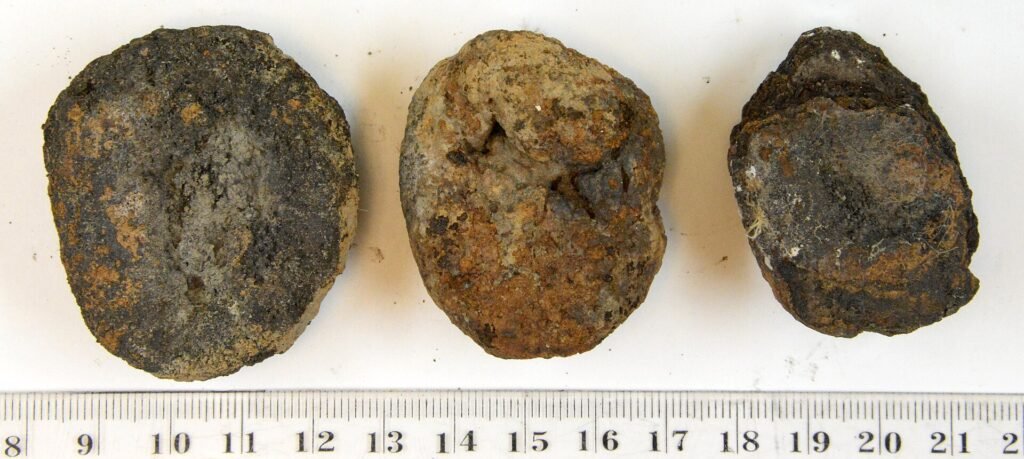
The leases are intended to support exploration for minerals found in polymetallic nodules and ferromanganese crusts on the seabed — deposits that can contain metals used in batteries, electronics, defence equipment and other industrial applications.
What the leases do — and do not — allow
A lease is not a licence to mine. The leases give Wetstone the right to carry out initial surveys of the seafloor and to prepare testing or mining plans, and the exclusive right to mine the areas commercially only if further environmental reviews approve it, according to the Associated Press and the Marine Minerals Administration.
Physical exploration, equipment testing and commercial mining would each require separate federal approvals, and any mining plan must be reviewed and approved by the relevant agencies before extraction can begin.
Globally, deep-sea mining is still at an experimental stage, and no company has started commercial operations anywhere, the Associated Press reported. The United States has never issued a lease for deep-sea minerals before.
The $6 million buys a foothold and a right to explore — not a mine. Whether anything is ever dug from this seabed will be decided in the reviews and court cases still to come.
The court ruling — and three lawsuits
The auction went ahead despite a ruling on Monday, 16 November by a federal judge in Hawaii, who found that the National Marine Fisheries Service had violated the Endangered Species Act in its review of the proposed sale. The judge found the agency had failed to even attempt to consider the potential effects on endangered species, and described its review as “cramped, expedited, informal”, according to the Associated Press.
The Marine Minerals Administration said it had addressed the ruling by starting to consult with the fisheries service on another environmental assessment — but it did not cancel or delay the auction. David Henkin, deputy managing attorney at the environmental law group Earthjustice, said the ruling made Thursday’s auction unlawful.
The sale is now the subject of three lawsuits: one brought by Earthjustice for Fa’asao Amerika Samoa and the Conservation Council of Hawaii; one filed on 18 November by the Natural Resources Defense Council and Finafinau, a youth-centred environmental group in American Samoa; and one filed on 19 October by a council of Samoan chiefs, the Faleula o le Manu’atele, challenging the government’s authority to lease the seabed off American Samoa at all. “We will use the full extent of the law to vigorously push for the leases to be voided,” Earthjustice attorney Chris Eaton said in a statement.
Opposition in American Samoa
Opposition in the territory itself has been sustained and near-unanimous. American Samoa banned deep-sea mining in its own waters in 2024, but the lease areas sit just beyond those waters, on the federal Outer Continental Shelf. The territory’s governor, its legislature and its congresswoman all oppose commercial deep-sea mining, and the overwhelming majority of the more than 76,000 public comments filed on the proposal opposed it, according to the Natural Resources Defense Council.
“We had hoped it would never come to this,” Sabrina Suluai-Mahuka, an American Samoa resident who has campaigned against the auction for more than a year, said in a statement on Thursday.
Why Rose Atoll matters
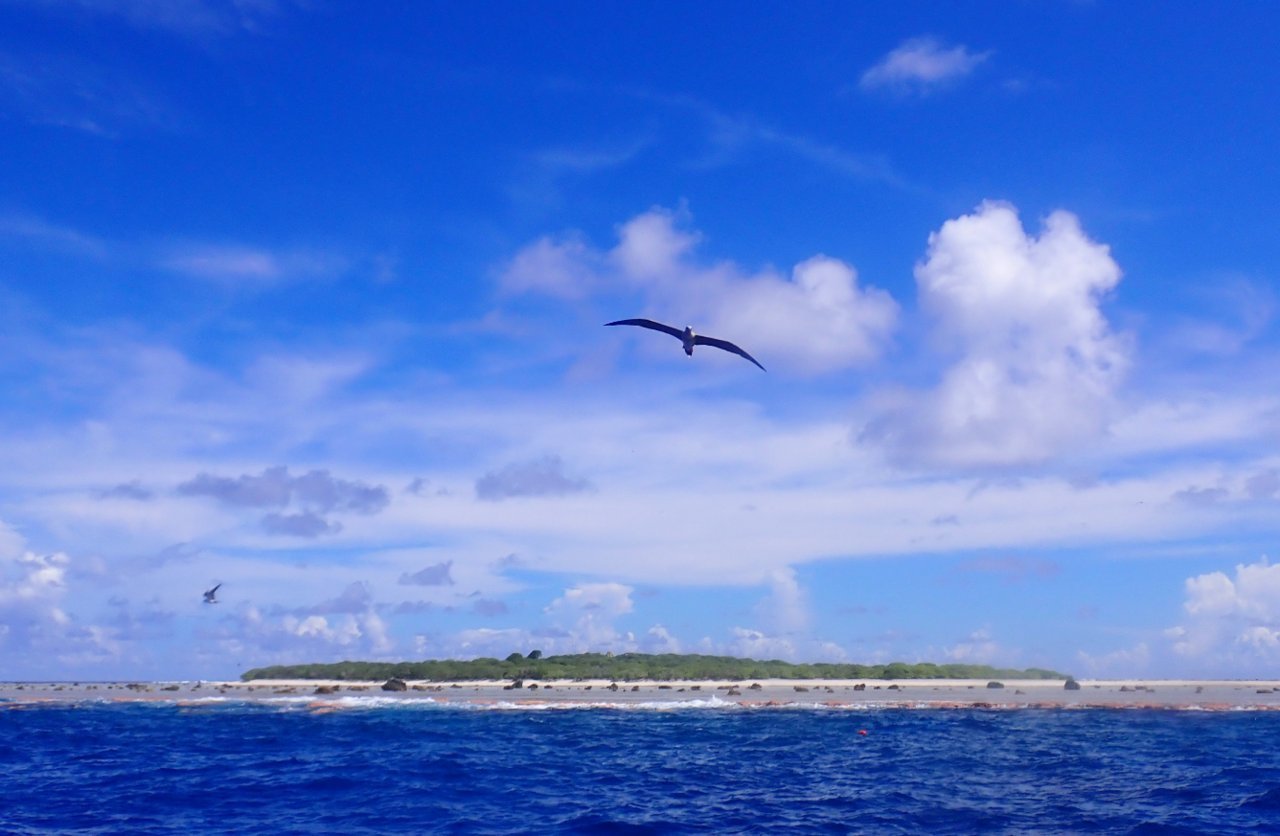
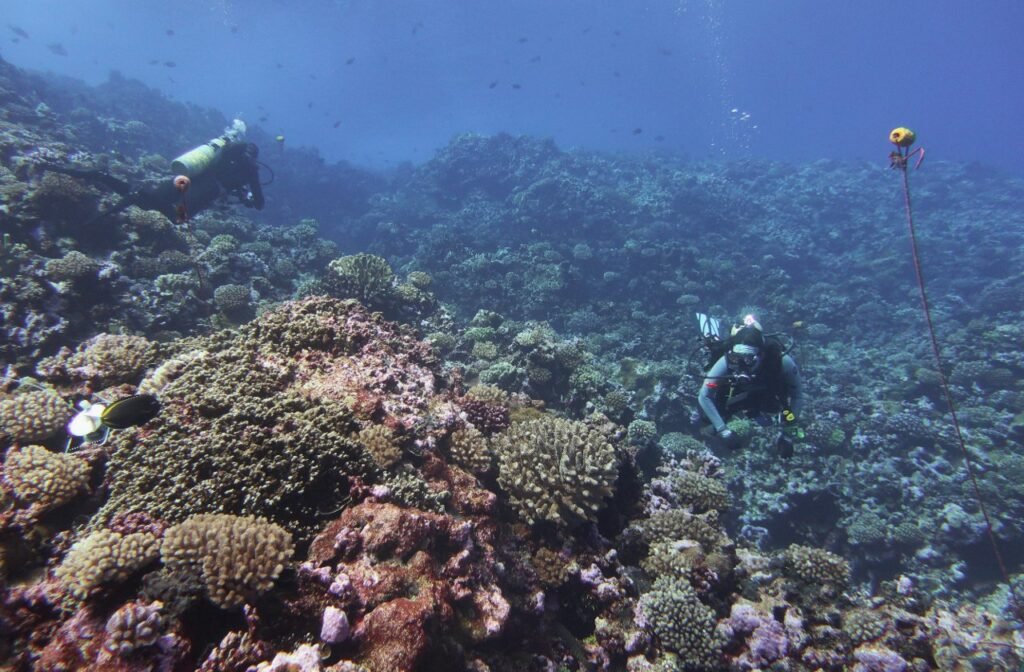
Much of the concern centres on Rose Atoll Marine National Monument, one of the most pristine coral atoll ecosystems in the world. At their closest point, the lease areas are about three miles from the monument, according to Greenpeace.
Rose Atoll lies about 130 nautical miles east-south-east of Pago Pago and was designated a marine national monument in 2009. Its reefs are home to about 272 species of reef fish, and its waters provide nesting grounds for the threatened green turtle and the endangered hawksbill turtle, as well as habitat for humpback whales. The judge’s ruling concerned risks to protected marine life including endangered blue, fin, sei and sperm whales, five sea turtle populations and five threatened coral species, according to Greenpeace.
Why the government wants the minerals
Supporters of the sale argue it is a matter of supply and security. The April 2025 executive order framed deep-ocean minerals as a way to secure domestic sources of critical minerals and reduce dependence on supply chains controlled by foreign adversaries, above all China. Erik Milito, president of the National Ocean Industries Association, said he expected industry interest and investment to grow in the coming years.
The administration is already considering further auctions of the seabed near the Northern Mariana Islands, Virginia and Alaska, the Associated Press reported, while the National Oceanic and Atmospheric Administration is reviewing permit applications from companies seeking to mine in international waters.
The government sees a strategic resource beneath the Pacific. The people who live beside that ocean see a place they have already voted to protect — and the courts will now decide which view prevails.
What happens next
The immediate future of the leases will be decided in court, on the adequacy of the environmental review, compliance with the Endangered Species Act, and the government’s underlying authority to lease the seabed off a US territory. If the leases survive, Wetstone must still complete seabed surveys, submit a mining plan and win further federal approvals before any equipment touches the seafloor. If the challenges succeed, the first deep-sea mining lease sale in American history could also become its shortest-lived.
Sources: The Associated Press; gCaptain; USA Today; Greenpeace USA; Natural Resources Defense Council; Federal Register; NOAA.
By The BNN Media
The Best News Network
News Beyond the Borders