By
The leaders of the world’s biggest economies have adopted a 122-paragraph declaration at the first G20 summit ever held on African soil, going ahead without the United States — and the handover of the rotating presidency to Washington is now the looming dispute.
By The BNN Media
The Best News Network
News Beyond the Borders
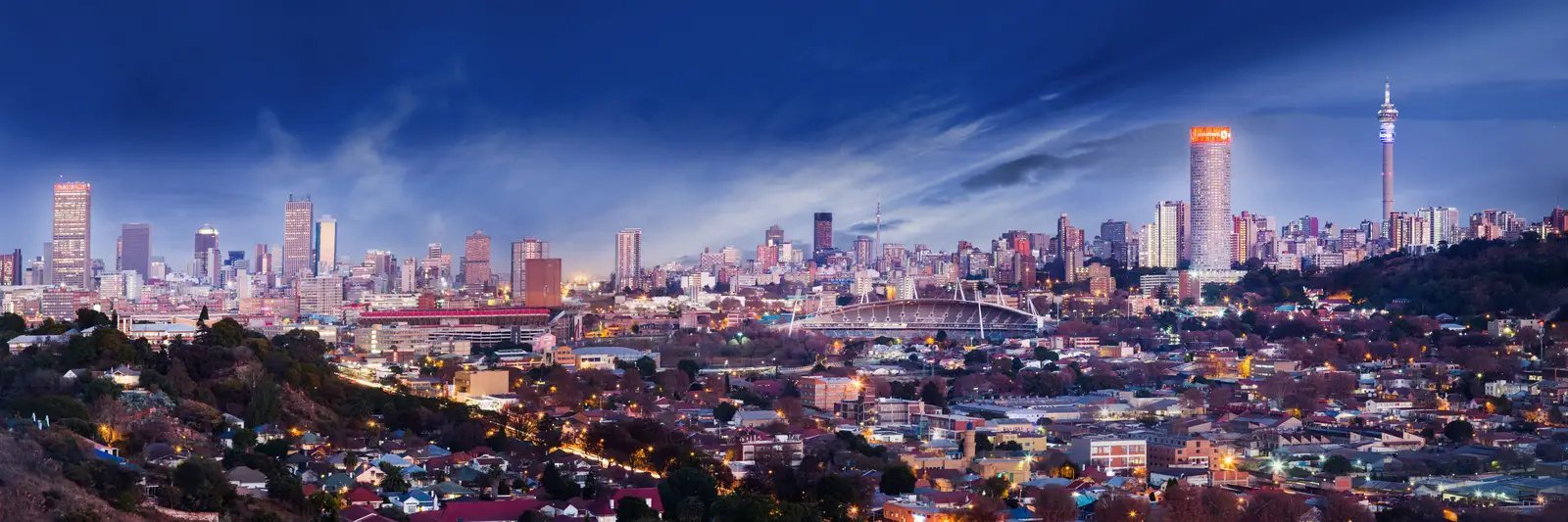
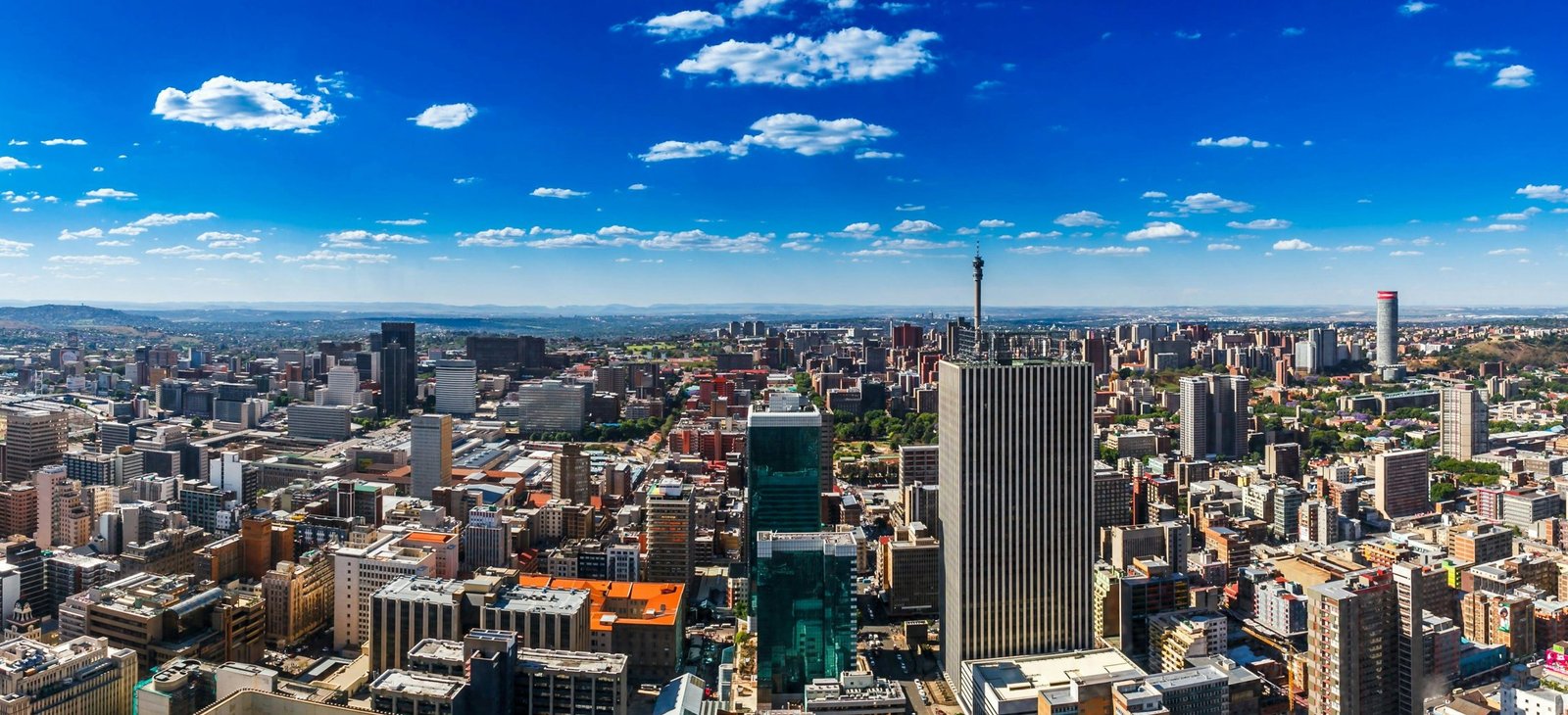
Johannesburg, South Africa — The leaders of the Group of 20 economies adopted a joint declaration at their summit in Johannesburg, a 122-paragraph document covering climate action, debt relief, critical minerals and global inequality, agreed by the leaders present without any delegation from the United States, which boycotted the meeting.
A declaration without America
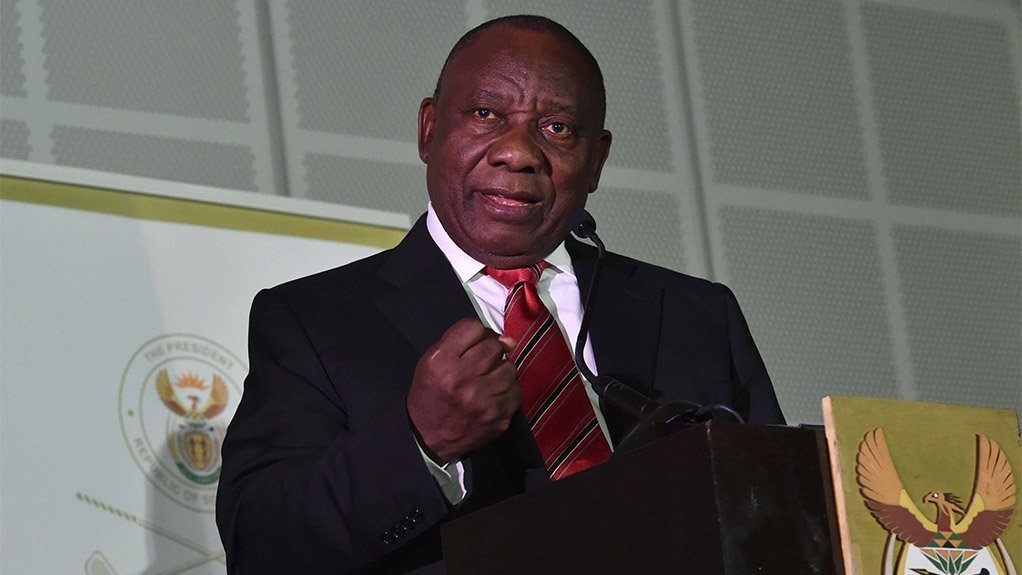
The declaration was adopted at the summit’s opening session on Sunday, 22 November, breaking with the usual practice of agreeing a leaders’ text only at the end of a summit. South African President Cyril Ramaphosa, hosting the first G20 summit ever held on African soil, told the opening session that “consensus has emerged”, and later said: “Today, we have adopted the leaders’ declaration of the G20 South Africa Summit, in which we outline the far-reaching actions on which we have agreed to build a better, more equal and sustainable world.”
The declaration was drawn up without seeking the consensus of the United States, and South African officials said Washington had pressed the host not to adopt a declaration without an American delegation. A senior White House official described the move as “shameful”, as reported by CNBC-TV18.
The message from Johannesburg was plain: the summit would rather issue a declaration without Washington than issue none at all.
What the 122 paragraphs say
The declaration, titled the “G20 South Africa Summit: Leaders’ Declaration”, is arranged around South Africa’s four presidency priorities — disaster resilience, debt sustainability, finance for a just energy transition, and critical minerals — under the summit theme of “Solidarity, Equality, Sustainability”. Its main commitments, as reported, include:
- Climate action — reaffirming the Paris Agreement and recognising the need to scale up investment and climate finance “from billions to trillions” globally, from all sources, while aligning financial flows with climate goals.
- Debt and the cost of capital — addressing the punishing debt-service burdens on poor countries, including a new Cost of Capital Commission aimed at the high risk premiums faced by African sovereign borrowers.
- Electricity for Africa — backing “Mission 300”, the joint World Bank and African Development Bank initiative to provide clean electricity access to 300 million people in Sub-Saharan Africa by 2030.
- Critical minerals — a framework for critical minerals that promotes sustainable extraction and processing and value addition in the countries where minerals are mined, rather than export of raw materials alone.
- Inequality — proposing the first global panel to address inequality, alongside commitments on gender equality, the empowerment of women and girls, and the implementation of the Beijing Declaration and Platform for Action.
- Global governance — reaffirming multilateralism with the United Nations at its core, and the importance of international cooperation in addressing economic inequality and instability.
The declaration also reaffirmed the commitment to the swift, full and effective implementation of the Kunming-Montreal Global Biodiversity Framework, and welcomed a Global Leaders’ Meeting on Women held in Beijing in October.
On paper, this is the most developing-world-focused declaration a G20 summit has produced — the test, as ever, will be whether the money and the reforms follow.
The handover row
The sharpest dispute of the summit is not over the declaration’s text but over what follows it: the handover of the rotating G20 presidency to the United States, which is due to host the next summit in Miami.
With no American delegation in Johannesburg, Ramaphosa said he would have to hand the presidency to an “empty chair”. Pretoria has insisted that the United States must come to South Africa to receive a proper handover, and the transfer of the presidency is now set for a standoff between the two countries, as reported on Sunday. No ceremonial handover has taken place: the summit itself continues into Monday, 23 November, under its published two-day programme.
The White House has accused South Africa of refusing to facilitate a smooth transition of the presidency. South Africa’s position is that a handover cannot be staged as if the boycott had not happened — and that the declaration, agreed by the leaders who did attend, stands on its own.
The handover row matters because it is about more than ceremony: it is about whether the United States, having boycotted the summit, can still expect the group to run on its terms.
Why Washington stayed away
President Donald Trump ordered the boycott over his claims that South Africa’s government persecutes its white Afrikaner minority, including claims about killings and land confiscations. Those claims have been widely discredited and publicly disproven, and Ramaphosa has rejected them. The United States is instead preparing to host the next G20 summit in Miami in 2026, at the Trump National Doral resort.
The boycott had raised doubts about whether the summit could produce anything at all, and about the future of the G20 itself. In the end, the leaders present chose to press on.
Washington’s absence was meant to diminish the summit; instead, it became the summit’s defining story — and the reason its declaration reads as a deliberate act of defiance.
What happens next
The United States takes over the G20 presidency on 1 December, and is due to host the next summit in Miami. How that handover is actually staged — and whether Washington accepts a declaration it had no hand in — is now the open question hanging over the group.
For South Africa, the summit was the culmination of a presidency year in which it held around 130 G20 meetings and put the development priorities of the Global South and the African continent at the centre of the agenda.
Whether the declaration’s promises on climate finance, debt and minerals turn into money and reform will be judged over the coming year, under an American presidency that has already signalled it intends to scale back its engagement in some G20 processes.
Why Johannesburg matters
For the first time, the world’s premier forum for economic cooperation met on African soil, chaired by an African president, with Africa’s priorities on its agenda — and it produced a declaration without the world’s largest economy in the room. That is a historic fact, whatever happens next.
But the declaration’s authority is genuinely contested. The United States, the group’s most powerful member, boycotted the summit, objected to the declaration and accused the host of abandoning consensus. The leaders who did adopt it insist the consensus of those present is enough.
Johannesburg proved the G20 can still act without Washington. It did not prove that Washington will accept what it decided.
By The BNN Media
The Best News Network
News Beyond the Borders