By
Two Russian missiles and a suspected drone came down on Polish soil during a huge overnight attack on Ukraine, in what Poland’s prime minister called a deliberate provocation timed to coincide with allied military exercises nearby.
By Ihsan Ur Rehman
Editor-in-Chief | The BNN Media – The Best News Network
News Beyond the Borders
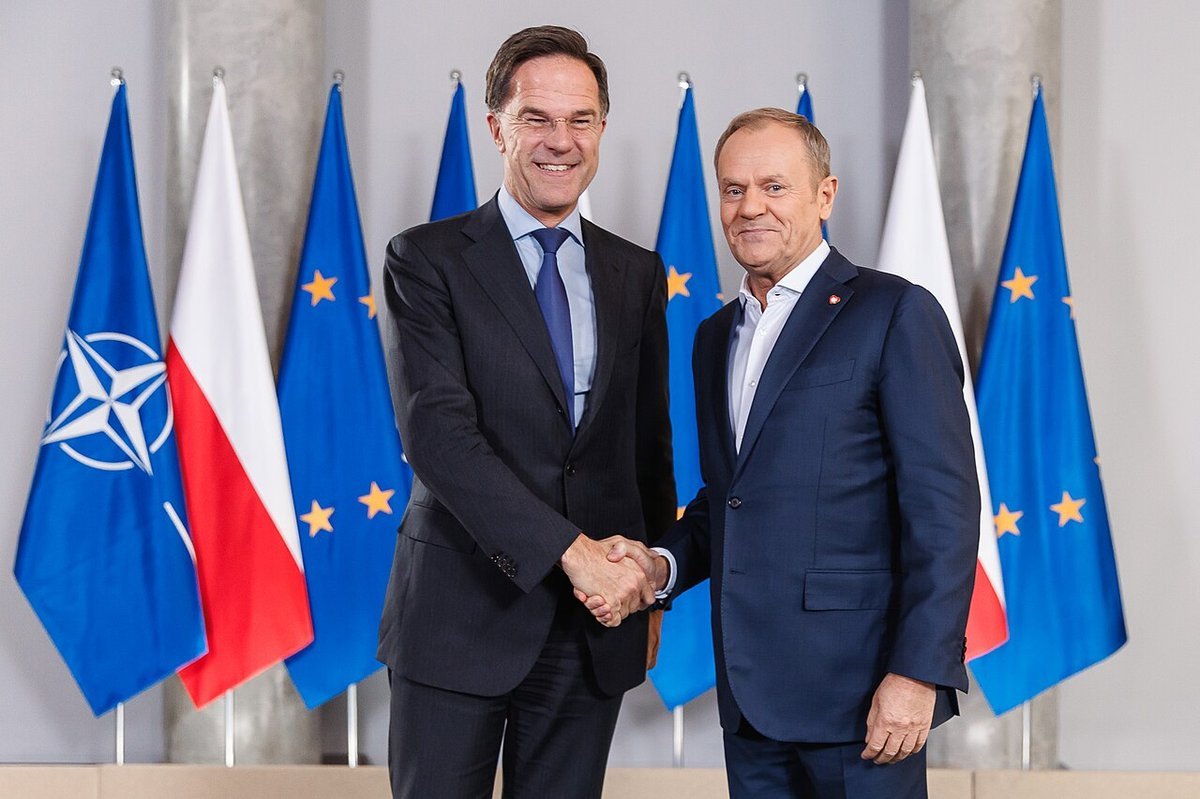
Warsaw, Poland — Russian missiles landed in south-eastern Poland on Friday, 20 November, as Moscow carried out a major overnight bombardment of neighbouring Ukraine, and NATO Secretary-General Mark Rutte called the incident a “grave violation” of Polish airspace.
Polish Prime Minister Donald Tusk said it appeared that “we are dealing with an intentional provocation” by Russia, pointing to the timing — the weapons came down close to where troops from 11 European nations were taking part in a large military exercise. No one was hurt in Poland, and no infrastructure was damaged, Polish officials said.
What Came Down, and Where
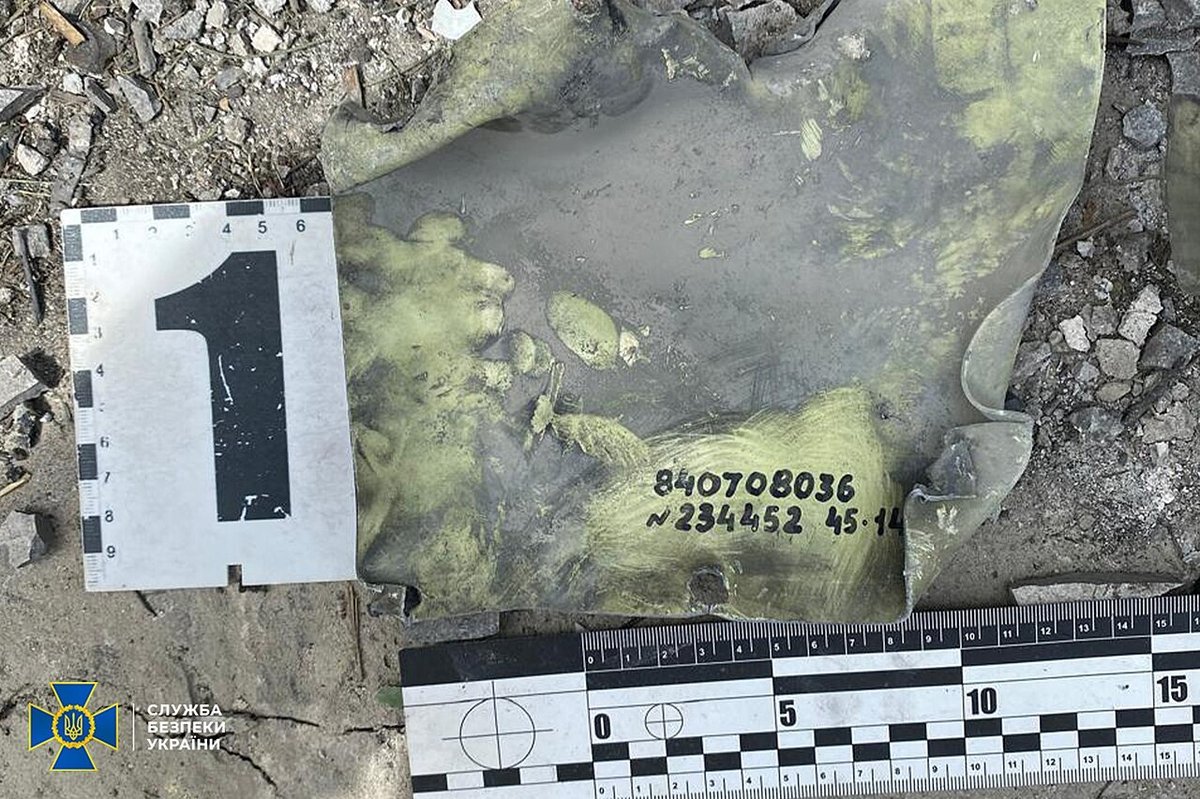
Polish officials said three Russian weapons crossed into Polish territory in the early hours of Friday. One of them — a Kh-101 cruise missile, the long-range weapon Russia routinely fires at Ukrainian cities — came down near the village of Nowy Lipowiec in the Lublin region, about 50 kilometres from the Ukrainian border, in an open field several hundred metres from the nearest buildings.
A second object, also assessed as a missile, struck near Rudnik nad Sanem, further west. A third — most likely a jet-powered drone — came down near Mołodycz, roughly 30 kilometres from the border. The three impact points form a loose corridor across south-eastern Poland, running close to the routes Russian weapons take into Ukraine.
Poland’s Defence Minister, Władysław Kosiniak-Kamysz, confirmed that debris from the objects had been recovered and that early checks at Nowy Lipowiec pointed to a Kh-101. “We know for certain that what fell on Polish territory came from Russia,” Tusk told reporters, adding that NATO partners, including the secretary-general, agreed with that assessment.
The three weapons landed in open farmland, and that is the only reason Friday did not become a far worse day for Poland.
A Deliberate Message, Warsaw Says
Tusk did not hide what he thought of the timing. The missiles came down on the final day of a two-week exercise that began on 9 November at the Nowa Dęba training area, where thousands of troops from 11 European nations in the so-called “coalition of the willing” are rehearsing a possible postwar mission in Ukraine — a force that would help stabilise the country and rebuild its military once the war ends.
“It is no coincidence that these objects fell near the site of military exercises involving the coalition of the willing,” Tusk said. “It does not look like an accident. I am choosing my words carefully, as this is a serious matter, but it appears we are dealing with a deliberate provocation.”
One of the missiles is believed to have crashed about 35 kilometres from where the exercises were taking place. Britain’s Defence Secretary, Wes Streeting, was among the politicians and military leaders watching the drills near Rzeszów on Friday, along with 300 British troops taking part. Streeting said the incursion was “not coincidence” and called it “yet another example of Russian provocation that is designed to divide Europe and to deter Ukraine’s allies from supporting its fight for freedom and democracy”.
Russia had made no public comment on the incursion as of Friday evening.
NATO’s Response: More Air Defence for the Eastern Flank
NATO Secretary-General Mark Rutte said he had spoken with Tusk about what he called the “grave violations of Polish airspace” and declared the alliance “in solidarity with Poland”. Writing on X, he said: “This incident is clearly dangerous – a consequence of Russia’s ongoing war against Ukraine.”
Rutte is due to travel to Warsaw on Saturday, 21 November, as Poland seeks a stronger allied presence on its eastern border. Defence Minister Kosiniak-Kamysz announced that Poland was formally asking NATO to allocate additional forces under Operation Eastern Sentry, the alliance’s standing air-defence mission on its eastern flank — specifically F-35 fighter jets and AWACS airborne early-warning aircraft to extend radar coverage across the region.
Lithuania said it would support Poland if Warsaw sought formal NATO consultations under Article 4 of the alliance’s founding treaty, which allows a member state to request urgent talks when it believes its territorial integrity or security is under threat. Whether Poland will formally make that request has not been announced.
The alliance’s answer so far is measured but firm: more aircraft, more radar, and a secretary-general on his way to Warsaw.
Air Defences Were on Alert — and Still Missed Them
Poland’s Armed Forces Operational Command had placed its air defences on heightened alert from Thursday evening, as Russia’s bombardment of Ukraine unfolded. At about 3:30 a.m., jets were scrambled and Patriot batteries were activated as a precaution — roughly three hours before the Kh-101 came down at Nowy Lipowiec.
Even so, the weapons were not intercepted. Polish officials said NATO pilots had a window of only about three minutes to identify and assess the objects before they came down in rural farmland — too narrow a margin to stop cruise-missile-speed weapons in time. Poland’s military command said it had tracked 11 potential airspace incursions during the night and confirmed that three crossed into Poland.
The incident is not the first of its kind. On 30 July this year, a Russian Kh-101 crashed in a field in the Lublin region, about 90 kilometres from the border, causing no injuries. In September 2025, about 20 Russian drones entered Polish airspace, and Poland invoked Article 4 of the NATO treaty. No stray Russian drone or missile from the war has led NATO to invoke Article 5, under which an attack on one ally is treated as an attack on all 32 members.
The Night Ukraine Was Hit
The weapons that crossed into Poland were part of a much larger Russian attack on Ukraine overnight. Russia fired a huge wave of strikes — first mainly jet-powered drones near the Polish border, then a second wave made up mostly of Kalibr and Kh-101 guided missiles. President Volodymyr Zelenskyy said the attack killed at least eight people in Ukraine.
Among the worst-hit places was Kryvyi Rih, the president’s home city in central Ukraine, where Russian ballistic missiles struck a restaurant in the city centre on Friday evening. Two people were killed — a seven-year-old boy and a 20-year-old ambulance paramedic who had rushed to the scene of the first strike — and 42 people were injured, 27 of them seriously, according to local officials. Follow-up drone strikes hit the same area while rescuers were still working there.
The attack followed days of escalation. Earlier in the week, Ukraine struck the Kerch Bridge linking Russia to occupied Crimea for a second night, and President Vladimir Putin warned of a “far more painful” response. He has also said Moscow would regard European forces sent to Ukraine under a peace deal as legitimate targets.
- Two missiles and a suspected drone came down in south-eastern Poland on Friday morning.
- No casualties or infrastructure damage were reported in Poland.
- NATO’s secretary-general called it a “grave violation” and is due in Warsaw on Saturday.
- Poland has asked NATO for more F-35 jets and AWACS aircraft under Operation Eastern Sentry.
- At least eight people were killed in Ukraine in the same overnight Russian attack.
What Happens Next
The immediate question is what NATO does next. Poland’s request for more aircraft and radar under Operation Eastern Sentry is already on the table, and Rutte’s visit to Warsaw on Saturday will be the first test of how far the allies are willing to go. European leaders have reacted with anger and alarm, describing the incident as a provocation and an irresponsible gamble that will only strengthen the West’s resolve to support Ukraine.
For Poland, the incident is a reminder of how close the war now runs to its own soil. The missiles landed in fields, not towns, and no one was hurt — but they landed within a few dozen kilometres of allied troops training for a mission in Ukraine, on a night when Russia was bombing Ukrainian cities a short flight away.
Friday’s incursion crossed a line that warnings alone have not stopped — and how NATO answers it in Warsaw this weekend will matter far beyond Poland’s border.
Reporting based on the Associated Press, BBC News and The Times, 20 November 2026. Earlier BNN coverage: Ukraine Strikes Kerch Bridge for a Second Night as Russia Hits Bridges Ahead of Thursday’s Summit
By Ihsan Ur Rehman
Editor-in-Chief | The BNN Media – The Best News Network
News Beyond the Borders