 By
Russian forces struck Kyiv with ballistic missiles overnight, wounding seven people and hitting a shopping centre, while two foreign grain ships were attacked near Odesa — as Ukraine warned that intelligence points to an even larger assault on its energy system.
By The BNN Media
The Best News Network
News Beyond the Borders
Kyiv, Ukraine — Russia struck Kyiv with ballistic missiles overnight, wounding seven people and hitting a shopping centre and two other buildings, Mayor Vitali Klitschko said, while Moscow said it had struck drone-related sites in the city. In the same night, Russia attacked two foreign cargo ships carrying more than 100,000 metric tons of grain near Ukraine’s Black Sea port of Odesa, Ukrainian Prime Minister Sergiy Koretskyi said on Thursday.
A Night of Ballistic Fire Over Kyiv
The missiles hit late on Wednesday on the east side of the Dnipro River, which bisects the capital. Klitschko, writing on Telegram, said two buildings had been hit in the Desnianskyi district on the city’s left bank, one of them badly damaged, and that casualties were possible. Reuters witnesses reported loud explosions across the city.
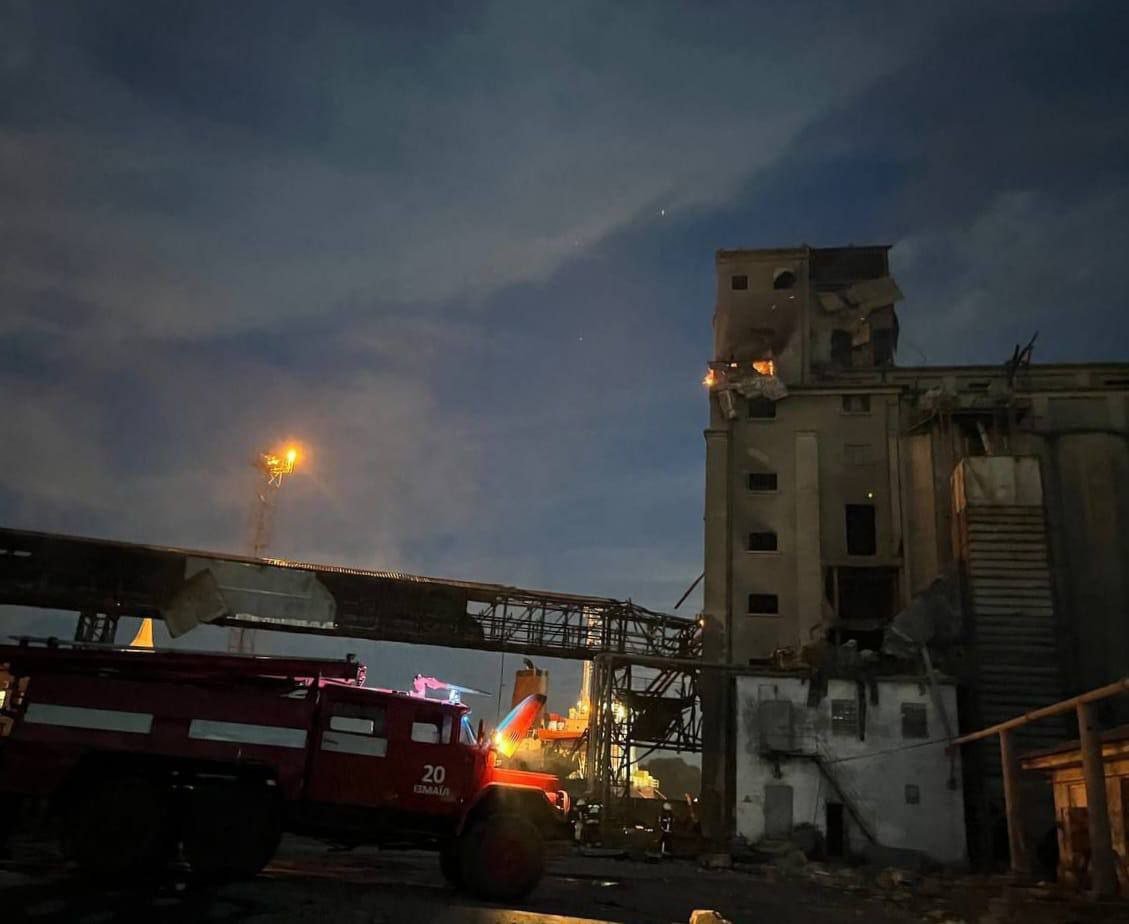
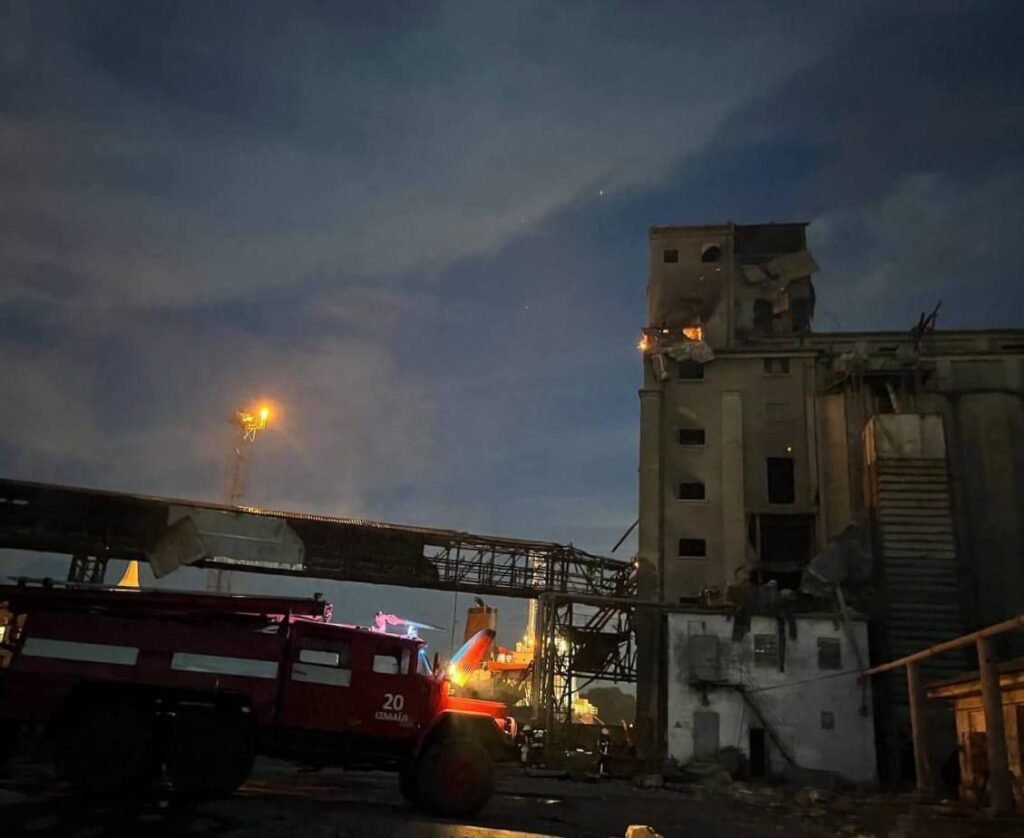
By Thursday morning, the mayor’s office put the toll at seven people wounded, two of them seriously. Footage from the aftermath showed thick black smoke rising over residential districts and commercial buildings, including near a shopping centre, as firefighters worked through the night.
Ukraine’s air force said Russia also launched more than 100 drones overnight, most of which were intercepted. The attack was part of a wider wave: the prime minister said Russia had struck Kyiv and seven other regions during the night, damaging water and heating facilities, residential buildings, shopping centres and civilian vessels, with at least 10 people injured in total. Ukrainian officials also reported two people killed in Kharkiv during the same wave.
Seven wounded in the capital, and a shopping centre in flames — the overnight strike reached deep into civilian life in Kyiv.
Grain Ships Hit Off Odesa
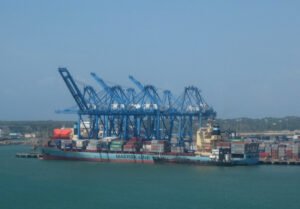
Near Odesa, Russia attacked two foreign civilian cargo ships carrying more than 100,000 metric tons of grain, Koretskyi said. He did not say where the grain originated, where the vessels had loaded their cargo, or give details of the damage or the crews. The vessels were not named.
Russia’s Defence Ministry, quoted by the Interfax news agency, said its forces had struck a dry cargo vessel south-east of Odesa in the Black Sea overnight, alleging it was carrying military equipment and dual-use goods to Ukraine. Russia says it does not attack civilian targets.
The attack on the ships is the latest blow to a trade route that has been under sustained fire. Ukraine has said grain shipments from its key Black Sea ports around Odesa have all but stopped since late July, after Russia sharply intensified attacks on grain terminals and merchant vessels.
Two ships, more than 100,000 tons of grain, and no word yet on their crews — the Black Sea export route took another direct hit.

Power and Heat Under Strain
The overnight strikes also hit Ukraine’s energy system. Deputy Energy Minister Artem Nekrasov said Russian attacks on energy infrastructure overnight caused power outages in seven Ukrainian regions: Dnipropetrovsk, Zhytomyr, Zaporizhzhia, Mykolaiv, Odesa, Kharkiv and Chernihiv.
With winter approaching, damage to water and district heating systems carries a particular threat. Strikes on heating plants and water supplies can leave whole apartment blocks without radiators and taps, and the prime minister’s statement listed water and heat facilities among the night’s targets in Kyiv and the regions.
- Dnipropetrovsk, Zhytomyr, Zaporizhzhia, Mykolaiv, Odesa, Kharkiv, Chernihiv: power outages reported after overnight strikes on energy infrastructure.
- Kyiv: seven people wounded; a shopping centre and two other buildings hit by ballistic missiles.
- Odesa: two foreign grain ships attacked, carrying more than 100,000 metric tons of grain.
- Kharkiv: two people reported killed, according to Ukrainian officials.
The target list — power, heat, water, homes and shops — points to a campaign aimed at the systems that keep Ukrainian cities running through winter.
A Bigger Attack Feared
President Volodymyr Zelenskyy said on Thursday that Ukrainian intelligence believes Russia is preparing a new massed attack on energy infrastructure, logistics and the facilities that keep cities and communities functioning. He called for stronger air defences as the damage from the latest strikes was still being assessed.
Military-focused reports also described the Kyiv missile wave as possibly preparatory, warning that a far larger strike could follow as early as the night of 26–27 November. Those claims have not been independently verified.
Ukraine, for its part, said it had struck oil reservoirs at Russia’s Transneft oil facility in Bashkortostan overnight, and a military airfield — part of a continuing exchange in which each side targets the other’s energy and logistics networks.
Kyiv’s warning is blunt: the night’s strikes may be the prelude to something larger, not the end of it.
The Grain Corridor Under Fire
Before the escalation, the three ports in the Odesa hub handled about 90 per cent of Ukraine’s agricultural and metallurgical exports. Kyiv has not formally banned port operations, but shipowners have avoided the ports because of the security risks, while soaring insurance costs have deterred traders.
President Zelenskyy said earlier this year that shipments from the Odesa ports were taking place only intermittently, while Agriculture Minister Taras Vysotskiy has said no exports were moving through them. Official data showed Ukraine had exported 7.6 million tons of grain so far in the 2026/27 July–June season, down from 11.5 million tons in the same period a year earlier.
Grain is still moving by other routes. Analysts’ data show that Ukraine’s state railway continues to transport grain towards Black Sea ports, and consultancy APK-Inform reported this week that 429 grain wagons were dispatched towards Odesa between 12 and 18 November, four times the level recorded a week earlier. Ukraine does not publish official data on shipments from its Black Sea ports, saying agricultural exports have instead been redirected to Danube River ports or moved by rail across land borders with eastern European countries.
The ships may have stopped sailing, but the grain has not stopped moving — it has simply been forced onto railways and rivers.

Moscow’s Account
Russia’s Defence Ministry said its forces had carried out a massive overnight strike on Ukraine, hitting military-industrial facilities in Kyiv. Moscow said the Kyiv strikes had hit drone-related sites, and said the vessel struck near Odesa was carrying military equipment and dual-use goods — claims Ukraine disputes.
The two accounts of the same night could hardly differ more: Ukraine describes attacks on a shopping centre, homes, heating plants and civilian grain ships; Russia describes a strike on military and dual-use targets. Neither side’s account of the damage to the grain ships has been independently verified.
The dispute matters beyond the battlefield. The Odesa ports are a hinge of global food supply, and every attack on a merchant vessel raises the risk premium on Black Sea shipping — and the price of the grain that does still reach world markets.
Two versions of the night, one set of burning buildings — and the truth, for now, rests with the wreckage and the wounded.
What Comes Next
The immediate questions are practical: how quickly power and heating can be restored in the seven affected regions, what happened to the two grain ships and their crews, and whether the larger attack President Zelenskyy warned of follows in the coming nights.
The wider picture is unchanged and unforgiving. The war’s diplomatic track — including Ukraine peace talks that European governments have sought to join — continues against a background of nightly strikes on cities, energy systems and export routes. Each overnight attack hardens the conditions under which any talks would have to take place.
For the people of Kyiv, the night ended with smoke over the left bank and seven neighbours in hospital. For the grain trade, it ended with two more ships struck and a corridor that grows more dangerous with every week. And for Ukraine’s energy system, heading into winter, it ended with a warning that worse may be coming.
The night of 25–26 November hit a capital, a port and a food supply chain at once — and Kyiv says the next wave may be bigger still.
By The BNN Media
The Best News Network
News Beyond the Borders