 By
More than 250,000 homes and businesses lost power as a powerful nor’easter battered the Eastern Seaboard on Thanksgiving Day, grounding hundreds of flights and flooding coastal streets — while millions of Americans tried to reach their families for the holiday.
By The BNN Media
The Best News Network
News Beyond the Borders
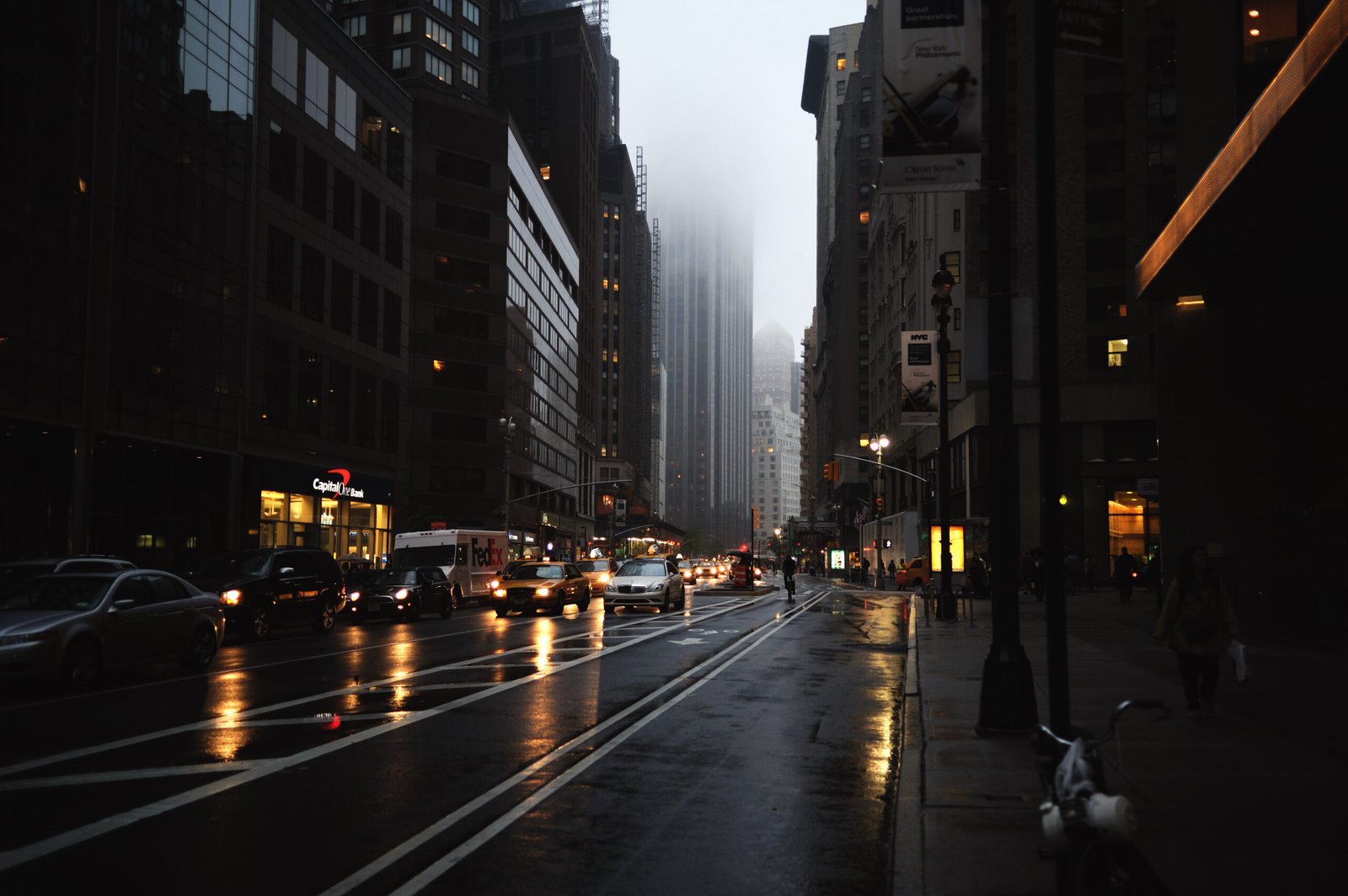
New York, United States — A powerful nor’easter battered the Eastern Seaboard on Thanksgiving Day, knocking out power to more than 250,000 customers, disrupting holiday travel across the country and flooding coastal communities from the Carolinas to New England. The storm, which strengthened as it moved up the coast, brought heavy rain, wind gusts of up to 70 miles per hour and major coastal flooding — and forecasters warned the worst was still to come as the day wore on.
A Holiday Without Power for Hundreds of Thousands
More than 250,000 customers nationwide were without power early on Thursday, according to the tracking site PowerOutage.us, and that number was expected to rise as the storm intensified through the afternoon and evening.
Missouri, where heavy, wet snow was falling on the storm’s western side, had the most outages in the nation, with more than 78,000 customers without power. Nearly 130,000 customers were without power across North Carolina and Virginia, where wind gusts reached 45 miles per hour. Wind gusts of up to 70 miles per hour were possible along the coast, while winds gusting to 40 to 50 miles per hour across inland areas threatened to bring down more trees and power lines.
AccuWeather’s vice president of forecast operations, Dan DePodwin, warned that winds this strong from the east were rare in this part of the country and could cause more tree damage than usual — and with it, more power cuts. “Should there be extensive tree damage in some neighbourhoods, the power could be out for days,” he said.
On a day built around cooking, heating and gathering, hundreds of thousands of households faced the holiday in the dark — with more outages expected as the storm peaked.
The Skies: Hundreds of Flights Cancelled
The storm struck at the worst possible moment for air travel. More than 360 flights into, out of, and within the United States had been cancelled early on Thursday, with more than 460 delayed, according to figures reported by CNN. On Wednesday, more than 6,000 flights were delayed and nearly 150 were cancelled.
The Federal Aviation Administration warned of “significant” weather-related disruption across the Northeast and mid-Atlantic, with heavy rain, strong winds and low clouds threatening operations at major airports. Arrival delays of 30 minutes were already in effect across much of the region, and the FAA said ground stops or ground delays were possible after 9 a.m. ET at airports serving New York, Washington, Philadelphia and Baltimore.
The National Weather Service warned that hazardous aviation conditions could persist into Friday morning, with reduced visibility, turbulence, strong winds and aircraft icing.
The disruption came in the middle of one of the busiest travel weeks of the year. The Transportation Security Administration said it expected to screen nearly 17.6 million passengers nationwide between 24 and 30 November, including more than 3 million on Sunday 29 November alone. AAA had forecast that 81.5 million Americans would travel for the holiday week — a near-record figure.
For travellers, the advice from airlines and airports alike was the same: check your flight before leaving home.
The Roads: A Record Travel Week Meets the Storm
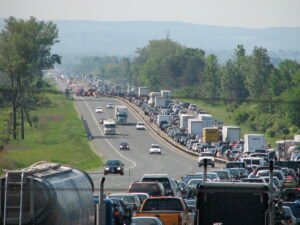
The roads were little better. Wind advisories stretched from northern Georgia through the mid-Atlantic and into southern New England, and forecasters warned that strong crosswinds could make steering difficult on stretches of Interstates 81 and 95, US Route 13 and the Garden State Parkway.
New Jersey’s governor, Mikie Sherrill, declared a statewide state of emergency on Wednesday night, taking effect at 6 p.m. “Damaging winds, heavy rain, and severe tidal flooding are expected through Friday, with the most dangerous conditions on Thanksgiving Day,” she wrote, urging residents to be prepared for “prolonged power outages, detours, and road closures” and to travel a day early if they could. New York’s governor, Kathy Hochul, declared a state of emergency for New York City and Nassau, Suffolk and Westchester counties.
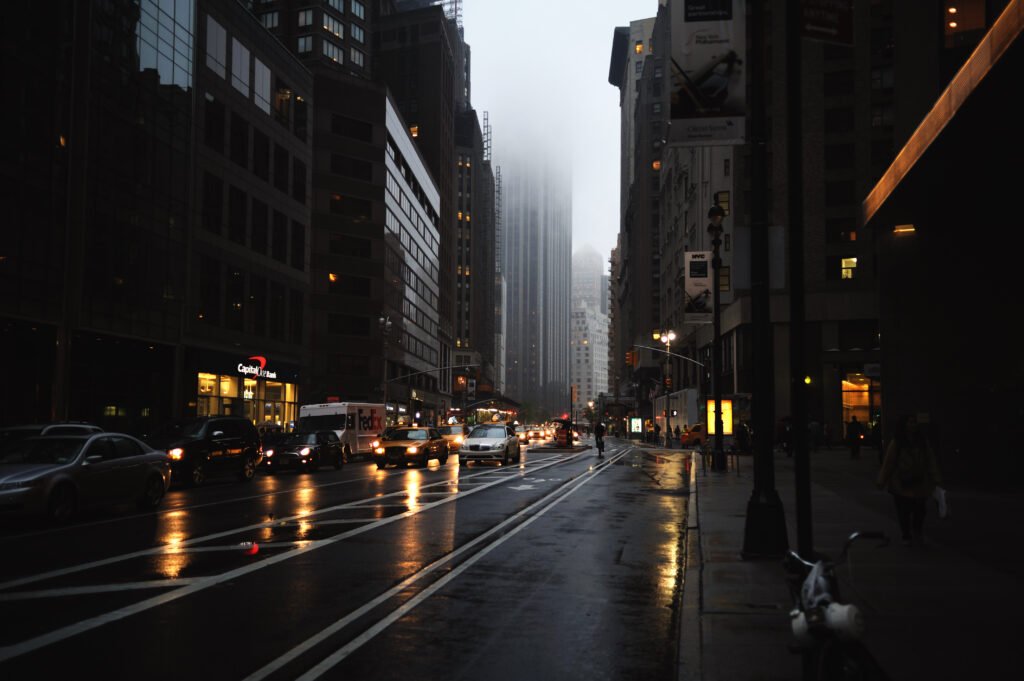
New York City’s mayor, Zohran Mamdani, said New Yorkers should expect severe weather on Thursday, including winds of up to 60 miles per hour, with the worst of the storm expected to hit in the afternoon through the late evening.
- More than 250,000 customers without power early Thursday, according to PowerOutage.us.
- More than 360 flights cancelled and more than 460 delayed early Thursday; more than 6,000 delayed on Wednesday.
- Gusts of up to 70 mph possible along the coast; 40 to 50 mph inland.
- Up to 13 inches of snow forecast for the St. Louis area by Thursday afternoon.
- 2 to 4 inches of rain expected from Washington D.C. to Boston.
The storm did not stop Thanksgiving travel — but it slowed it, rerouted it and, for many, postponed it.
The Coast: Flooding at High Tide
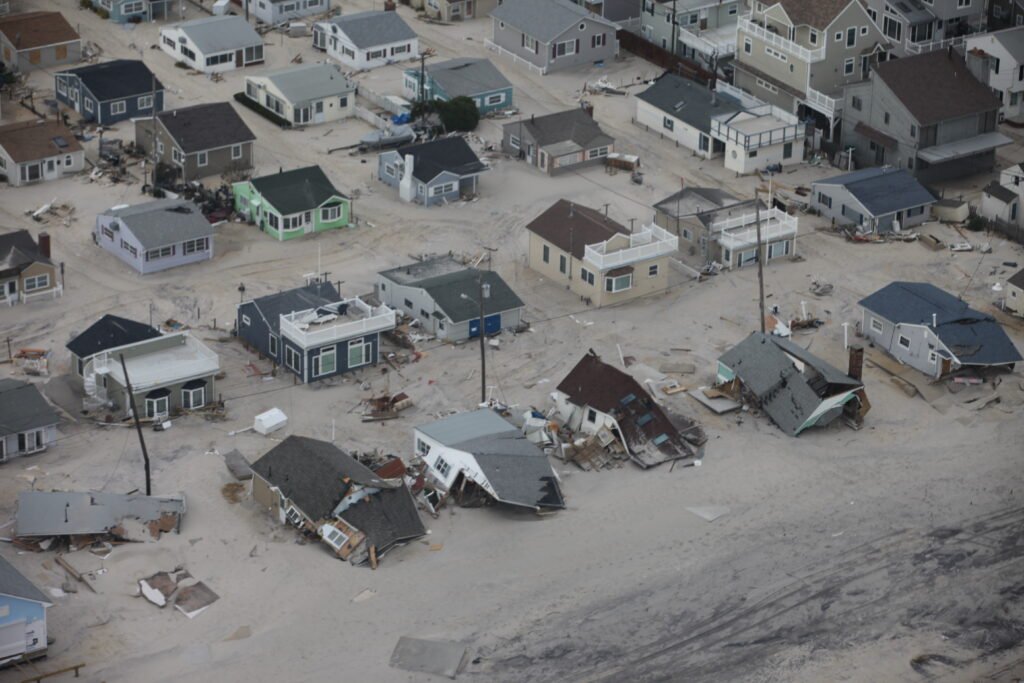
The storm’s winds struck the coast at a perpendicular angle, forcing ocean and bay water inland. The National Weather Service warned of major coastal flooding, beach erosion, strong wind gusts and heavy rainfall along the Eastern Seaboard.
Major coastal flooding was forecast around high tide on Wednesday night from North Carolina to Virginia, and on Thursday morning from the Delmarva Peninsula to New Jersey. Both of Thursday’s high tides were expected to bring moderate to major flooding around New York City and along the coasts of Long Island and Connecticut, with minor to moderate flooding further north along the New England coast into Friday.
In New Jersey, officials said the worst conditions were expected in Cape May, Ocean and Atlantic counties, where coastal flooding was a threat and wind gusts on the coast could reach 70 miles per hour. The National Park Service warned that the winds and pounding surf could threaten oceanfront structures along the Outer Banks of North Carolina, with some collapsing partially or completely.
For coastal communities, the danger was not only the rain falling from above, but the sea pushed in from the side.
Snow in the Middle of the Country
While the East Coast faced rain and wind, a separate winter storm buried parts of the Midwest in snow. Winter storm watches and warnings were in effect across parts of Missouri and Illinois, with up to 13 inches of snow forecast for the St. Louis area by Thursday afternoon.
Missouri’s heavy, wet snow was the main reason the state led the nation in power outages early on Thursday, with more than 78,000 customers in the dark. The same storm system that drenched the East Coast was, on its western flank, a full winter storm.
Severe weather also battered the West Coast, where powerful waves and unusually high king tides prompted coastal flood warnings stretching from Southern California to Washington state. A massive wave tore away part of a pier in Pacifica, California, on Wednesday, and authorities in Marin County issued an evacuation warning for beachfront residents in Stinson Beach before lifting it later in the day.
From snow in St. Louis to storm surf in California, the holiday weather was a coast-to-coast event — but the East Coast bore the worst of it.
A Thanksgiving Moved Indoors
For millions of families, the storm redrew the holiday itself. The 100th Macy’s Thanksgiving Day Parade was moved to Saturday after city officials and organisers decided the high winds made the giant balloons unsafe to fly — the first postponement in the parade’s century-long history.
Elsewhere, the holiday moved indoors and, for many, earlier than planned. Families cooked ahead of the worst of the weather, checked on generators, charged their devices and, in the hardest-hit areas, accepted that guests might arrive a day late — or not at all. Officials repeatedly urged residents never to drive through flooded roadways and to stay away from beaches and coastlines as the surf pounded in.
The storm also threatened the holiday’s evening centrepiece: the Thanksgiving night football game in Buffalo, where two of the league’s top teams were due to meet amid wind-driven rain.
Thanksgiving 2026 will be remembered not for the weather that ruined it, but for the way millions of families worked around it.
What Comes Next
The storm was expected to linger into Friday, with the National Weather Service warning that hazardous conditions could persist into Friday morning and coastal flooding continuing along the New England coast late on Thursday into Friday. Power companies across the mid-Atlantic and Northeast were braced for the outage total to climb as the strongest winds arrived on Thursday afternoon and evening.
For travellers, the return leg of the holiday weekend now looms as the next test. With more than 3 million passengers expected to pass through airports on Sunday alone, airlines and airports will be watching the forecast as closely as the families trying to get home.
The nor’easter arrived on the busiest travel day of the American year and left its mark on every part of it — the lights, the flights, the roads, the coasts and the dinner table. The holiday went on. It just went on indoors, in the rain, and, for hundreds of thousands of people, in the dark.
The storm will pass by the weekend. The Thanksgiving it disrupted will not be forgotten so quickly.
By The BNN Media
The Best News Network
News Beyond the Borders