 By
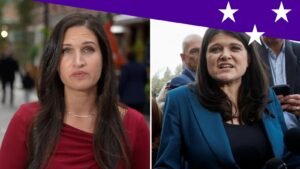
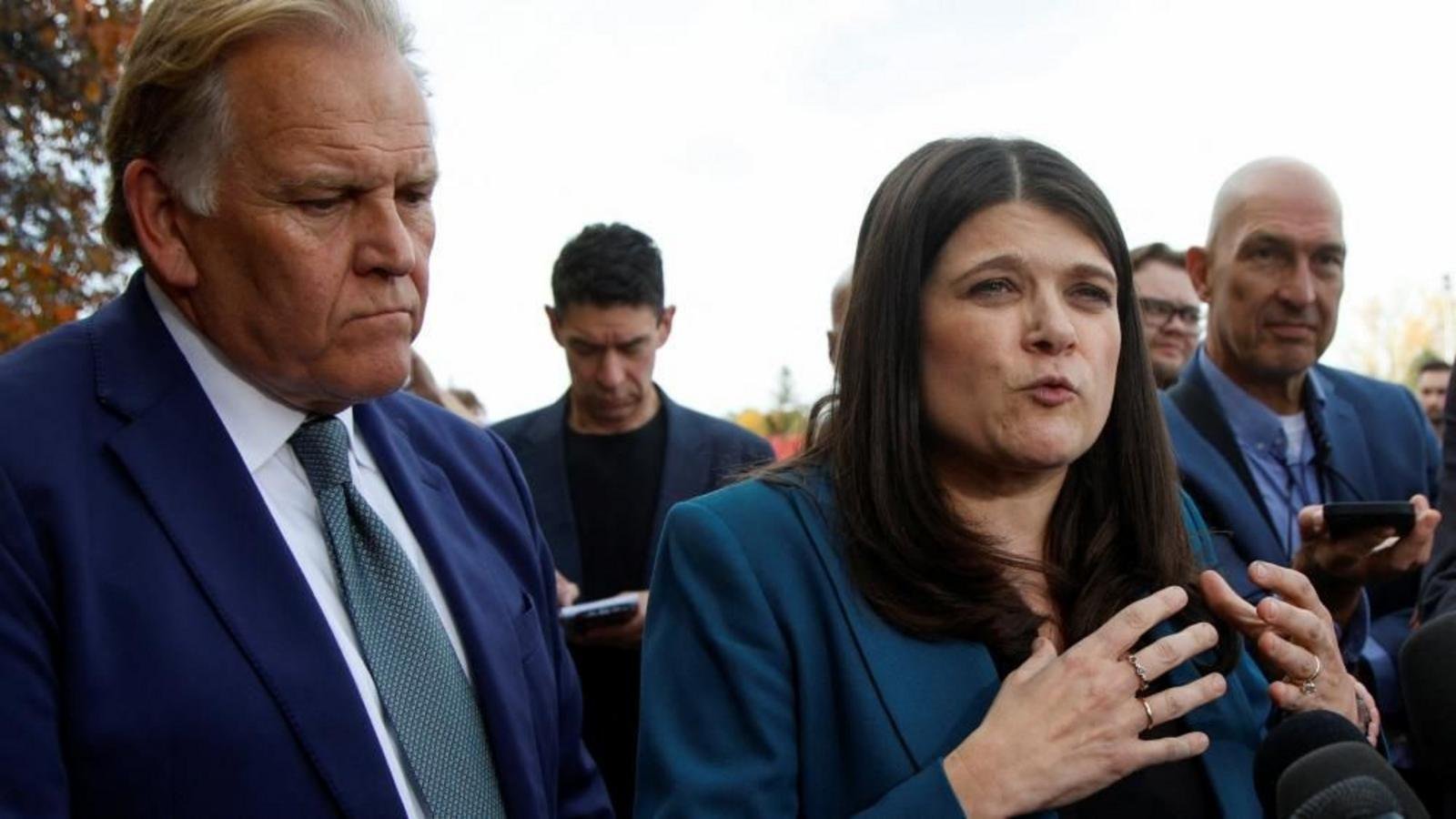
The political ecosystem of the American Rust Belt was rocked on Tuesday following an unprecedented crossover endorsement in Michigan’s pivotal United States Senate contest. Representative Haley Stevens, following a bitter primary defeat to progressive champion Abdul El-Sayed, publicly declared her support for the Republican nominee. The decision has fractured the state’s Democratic coalition, triggering acute accusations of betrayal from party loyalists and raising urgent questions about regional party unity ahead of a general election that could decide control of the upper chamber of Congress.
Strategic Background & Timeline of the Rift
The intra-party fallout in Michigan represents the culmination of months of compounding ideological friction between moderate pragmatic factions and an increasingly organized progressive wing. Haley Stevens, a seasoned moderate legislator with deep ties to traditional industrial leadership, faced off against Abdul El-Sayed, a dynamic public health figure backed by national grassroots movements, in one of the most closely watched Democratic primaries of the election cycle.
The primary campaign was defined by stark policy contrasts regarding economic development, healthcare restructuring, and foreign policy stances. When El-Sayed secured a decisive victory in the primary, political observers anticipated a standard consolidation of party resources. However, lingering animosities from the campaign combined with deep-seated ideological differences prevented a unified front. The timeline escalated rapidly over recent weeks, culminating in Stevens’ public break from party ranks—a move that fundamentally alters the strategic calculus for both major national parties in a key swing state.
Verified Facts & Key Developments
Official statements released Tuesday morning confirmed that Haley Stevens will actively campaign alongside the Republican challenger, marking one of the most high-profile party defections in recent Michigan electoral history. Within hours of the announcement, senior Democratic officials issued fierce denunciations. One top party official characterized the endorsement as a despicable betrayal that prioritizes personal grievance over collective political governance and legislative integrity.
Conversely, the Republican campaign immediately capitalized on the endorsement, framing it as evidence of a growing bipartisan consensus against ideological extremism. Financial disclosure data and strategy memos indicate that national political action committees are now recalibrating their media buys, anticipating a much tighter race in districts previously considered safe blue strongholds. Democratic leadership in Washington has begun emergency consultations to shore up voter turn-out and prevent further defections among moderate suburban voters.
This endorsement breaks the implicit social contract of modern party primary politics. When personal ideology or post-primary resentment overrides institutional solidarity, it signals a deeper fragmentation in how political coalitions maintain power in highly competitive industrial states.
QA Roundup: Deep Political & Economic Analysis
Q: What immediate impact does this endorsement have on the Michigan Senate contest?
A: The endorsement provides immediate political cover for moderate suburban Democrats and independent voters who may feel alienated by progressive policy agendas. By granting explicit permission to cross party lines, Stevens complicates El-Sayed’s strategy to unify the traditional Democratic base. It forces the El-Sayed campaign to reallocate critical resources toward suburban defense rather than expanding turnout in core urban centers.
Q: How are national party leaderships reacting to this breach of solidarity?
A: Democratic national leadership is treating the situation as a containment crisis. National committee figures are working behind the scenes to lock down endorsements from labor unions, local mayors, and civic leaders to offset the narrative of a party in collapse. Meanwhile, Republican strategists view Michigan as an increasingly viable flipped seat, diverting financial capital from secondary battleground states to maximize pressure in the Midwest.
Q: What are the broader economic and policy implications for the region?
A: Michigan serves as the epicenter for major national initiatives regarding automotive manufacturing, clean energy transition funds, and labor policy. A shift in Senate representation—or even a prolonged political stalemate—creates regulatory uncertainty for corporate stakeholders, manufacturing consortiums, and organized labor unions that rely on consistent federal legislative advocacy for industrial subsidies and infrastructure grants.
Q: Does this signal a permanent shift in Rust Belt political dynamics?
A: While crossover endorsements are rare, this rift reflects a broader structural realignment occurring across the American industrial heartland. The tension between traditional centrist economic policy and progressive social agendas continues to test the durability of suburban-urban political coalitions, suggesting that future primary battles will carry increasingly high systemic risks for party unity.
Key Takeaways & Strategic Intelligence
- Unprecedented Defection: Haley Stevens’ public endorsement of the Republican nominee breaks long-standing party norms following a highly competitive primary loss.
- Fierce Party Backlash: Democratic leadership has forcefully condemned the move as a betrayal, initiating emergency measures to preserve base voter cohesion.
- Suburban Vulnerability: The crossover endorsement targets moderate suburban independents, threatening to erode the Democratic margin of victory in key suburban counties.
- National Senate Balance: The unexpected instability in Michigan forces national strategists to rethink campaign spending and electoral pathways for Senate majority control.
Future Outlook & Strategic Projections
Over the coming weeks, the Michigan Senate race will serve as a definitive litmus test for party discipline and voter retention in battleground environments. Observers should monitor whether organized labor organizations maintain their unified endorsement of the Democratic ticket or if individual local chapters mirror the suburban split. Furthermore, candidate debates scheduled for the coming month will likely focus heavily on party loyalty, governance capabilities, and regional economic stability, defining the narrative for voters in the critical final stretch before election day.