 By
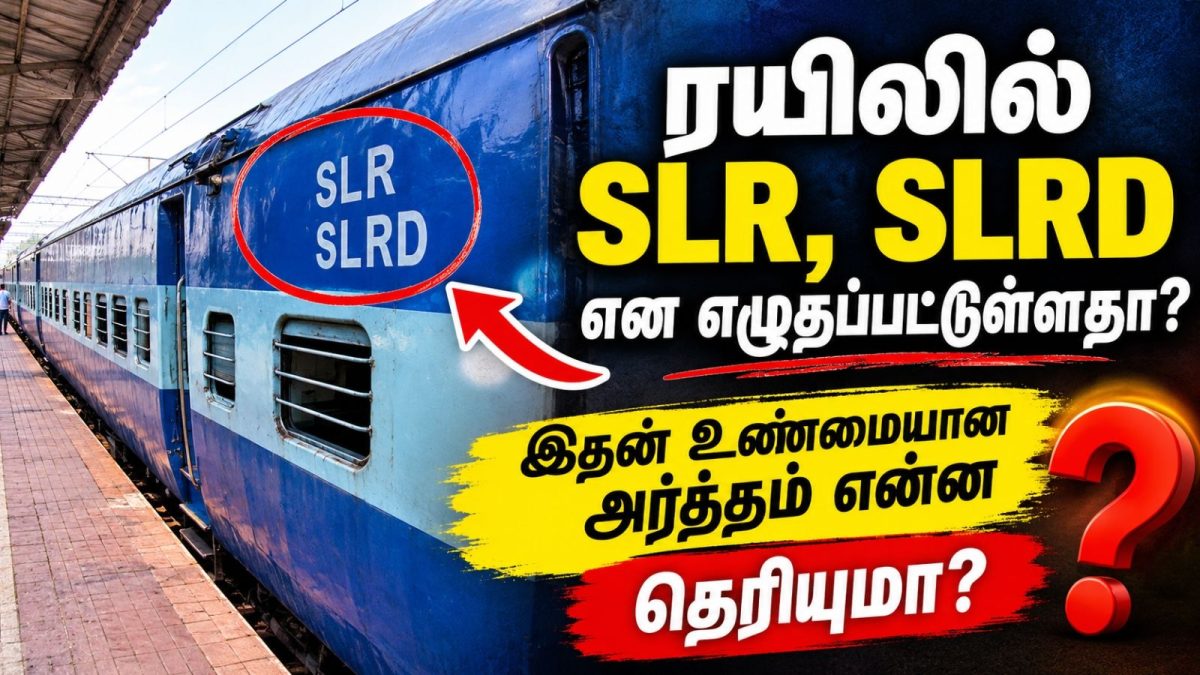
Have you ever noticed the letters SLR, SLRD or LSLRD written on coaches while travelling by train? Many passengers may mistake an SLR coach for a sleeper compartment, but the two serve very different purposes. An SLR coach is a combination of passenger seating, luggage accommodation and a brake van. Indian Railways also operates specially designed versions of these coaches with facilities for passengers with disabilities. So, what do these codes mean, and how are these coaches different from regular sleeper compartments?
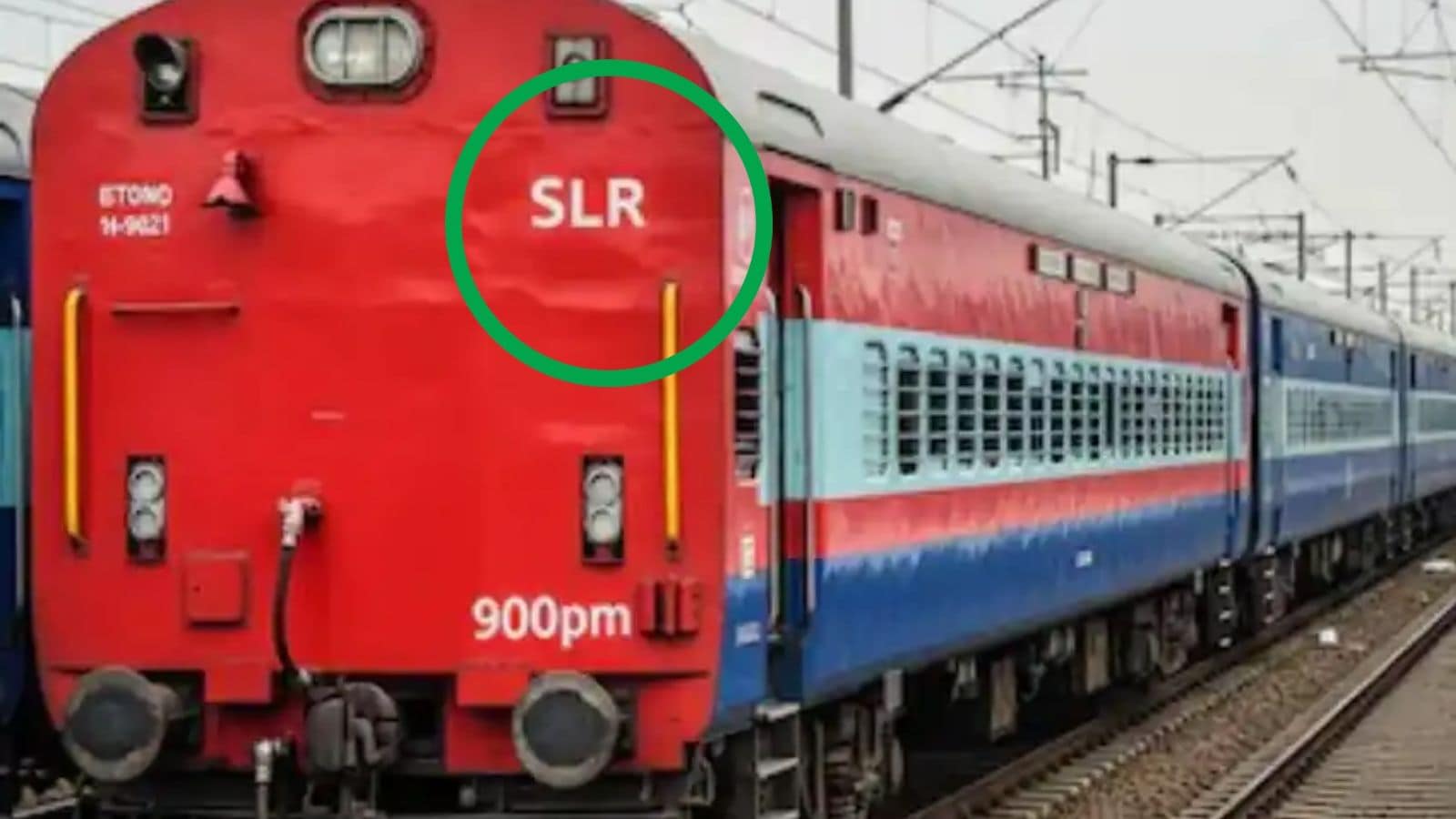
The abbreviation SLR stands for Second Class-cum-Luggage-cum-Brake Van. As the name suggests, it is a composite coach that combines seating accommodation for second-class passengers with a separate section for luggage and a brake van. Unlike sleeper coaches, it does not provide sleeping berths. Its primary purpose is to accommodate passengers travelling in the second class, carry permitted luggage and provide space for the train manager to carry out operational duties.
SLR coaches serve three main purposes. First, they provide seating accommodation for second-class passengers in a designated section of the coach. The number and arrangement of seats depend on the coach’s design. Second, they have a separate compartment for carrying luggage and other permitted items, subject to railway rules. Third, they include a brake van section with arrangements for the train manager, including seating and space for essential equipment required while performing official duties.
What is the difference between SLR, SLRD and LSLRD?
Indian Railways uses different codes to identify SLR coaches based on their design and facilities. An SLR is a conventional second-class luggage-cum-brake van. An SLRD is a similar coach that also has a compartment specially designed for passengers with disabilities, commonly referred to as Divyangjan passengers. Depending on the coach design, this compartment can include wider entrances, wheelchair space and accessible toilet facilities. LSLRD refers to an LHB-designed luggage-cum-brake van with a compartment for Divyangjan passengers. The additional ‘L’ identifies the LHB coach design.
What do GSLRD, GSLRDAC, GSRD and other codes mean?
Indian Railways also uses several other codes to identify different coach configurations. GSLR stands for a second-class-cum-luggage-and-brake-van coach, while GSLRD refers to one with an additional compartment for passengers with disabilities. GSLRDAC is a similar coach with an air-conditioned compartment for Divyangjan passengers. GSRD refers to a second-class coach with a brake van and a dedicated compartment for passengers with disabilities. These codes help distinguish coaches based on their passenger accommodation, luggage facilities, brake van arrangements and accessibility provisions.
Are there SLR coaches at both ends of every train?
It is not mandatory for every passenger or mail and express train to have SLR coaches at both ends. Their number and placement depend on the train’s composition and operational requirements. In many trains, these coaches are positioned at one or both ends of the rake. Specially designed coaches with Divyangjan compartments may also be placed at designated positions to make boarding and alighting more convenient for passengers with disabilities. However, the arrangement can vary from one train to another.
What is the difference between SLR and sleeper coaches?
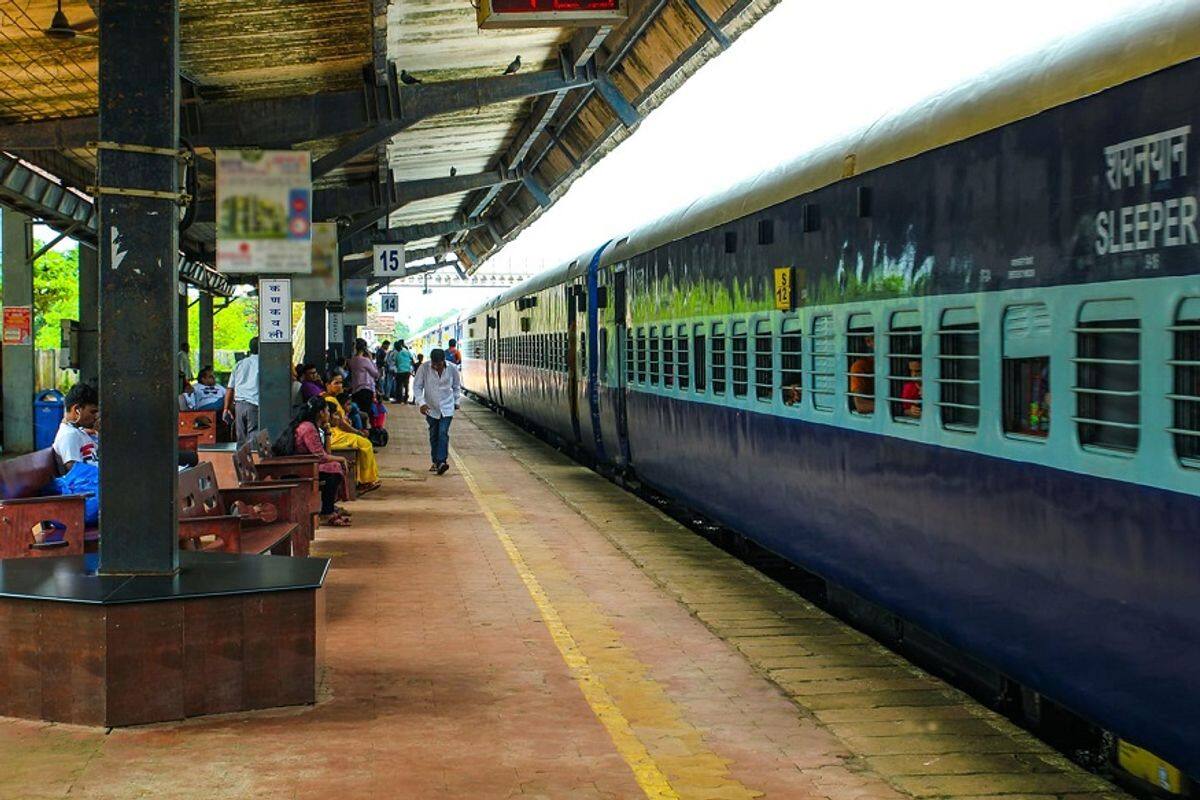
An SLR coach is not the same as a sleeper-class compartment. While an SLR coach has seating accommodation for second-class passengers, along with designated luggage and brake van sections, a sleeper coach provides berths on which passengers can lie down and sleep during their journey. Sleeper-class coaches are generally identified by labels such as S1, S2, S3 and so on. Therefore, passengers should check their tickets and the coach codes displayed on the train rather than assume that every passenger coach is meant for overnight travel.