By
The Bundeswehr has told every unit to stop flying Chinese-made drones, including models from DJI, the world’s largest drone maker — the second time it has issued such an order, after the first one was quietly undone by a 500-drone purchase.
By Akhtar Saleem Khan
Head of IT | The BNN Media – The Best News Network
News Beyond the Borders
BERLIN — Germany’s military will no longer use Chinese-made drones, a Defence Ministry spokesperson said on Wednesday, 10 November, amid mounting concern among Western militaries that the aircraft could pose a security risk and be used to transmit sensitive information to Beijing.
An Immediate Halt
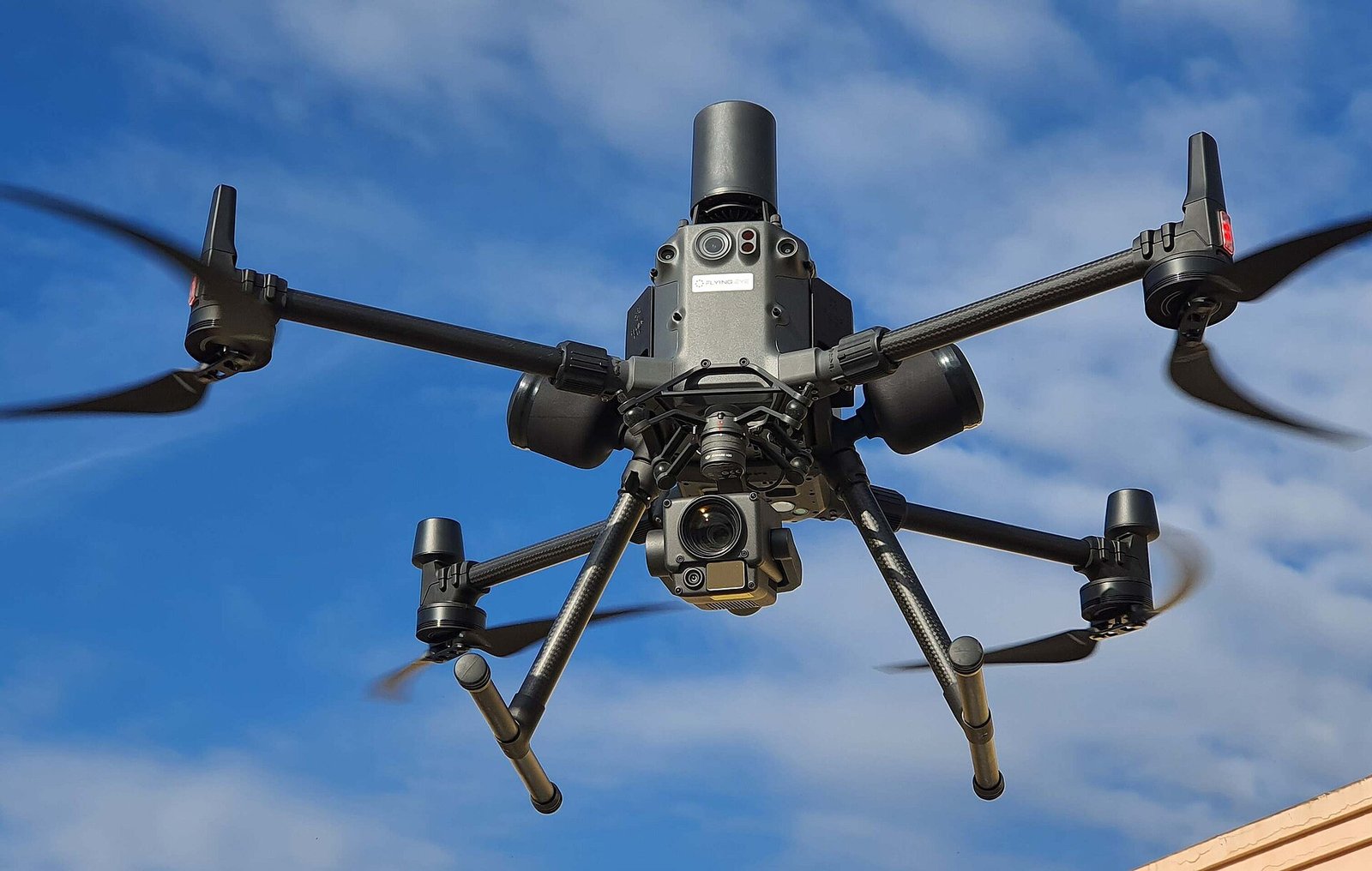
The order covers commercially available Chinese-made drones used at barracks and training grounds, and it took effect immediately, Der Spiegel reported on Tuesday, 10 November, with Reuters carrying the report worldwide the same day. Drones from Chinese manufacturers had previously been permitted as a cost-effective option for target practice and training purposes. They will now be replaced with European products.
“To strengthen the Bundeswehr’s self-sufficiency and technological sovereignty, Chinese-made models will no longer be used,” the spokesperson said in an emailed statement.
Local commanders had been allowed to buy the drones under a 2024 strategy that included a “white list” of approved systems, several of them made by DJI, the world’s largest drone maker, Der Spiegel reported. There is no central record of what individual units purchased — which is why, rather than removing individual models, the military imposed a blanket halt on the whole category.
The fear driving the decision, as reported, is that these aircraft could transmit sensitive information to Chinese intelligence agencies, including exercise details, images of secure barracks and training grounds, and classified information about German weapons systems.
Not a Blanket Ban — the Ministry’s Own Words
The Defence Ministry’s confirmation came with an important qualification. The spokesperson stressed that there is no blanket ban on the use of systems from specific countries, and that the decision is based on individual risk assessments aimed at safeguarding military security, IT and data security.
That distinction matters. On the ministry’s account, Chinese-made models are being removed because each has been assessed as a risk — not because of a general prohibition on a country’s products. The outcome for the troops is the same: Chinese models will no longer be used, and existing systems must be replaced with national or European alternatives.
The ministry is drawing a careful line: the drones are going, but Berlin is not declaring a country-wide ban.
The Ban That Did Not Stick
Germany’s armed forces have banned Chinese drones before. In November 2023, Lieutenant General Martin Schelleis, then head of the Joint Support Service, signed Order 159, banning unmanned aircraft from states with special security risks — “currently only China” — on the warning that Bundeswehr data could flow to Beijing.
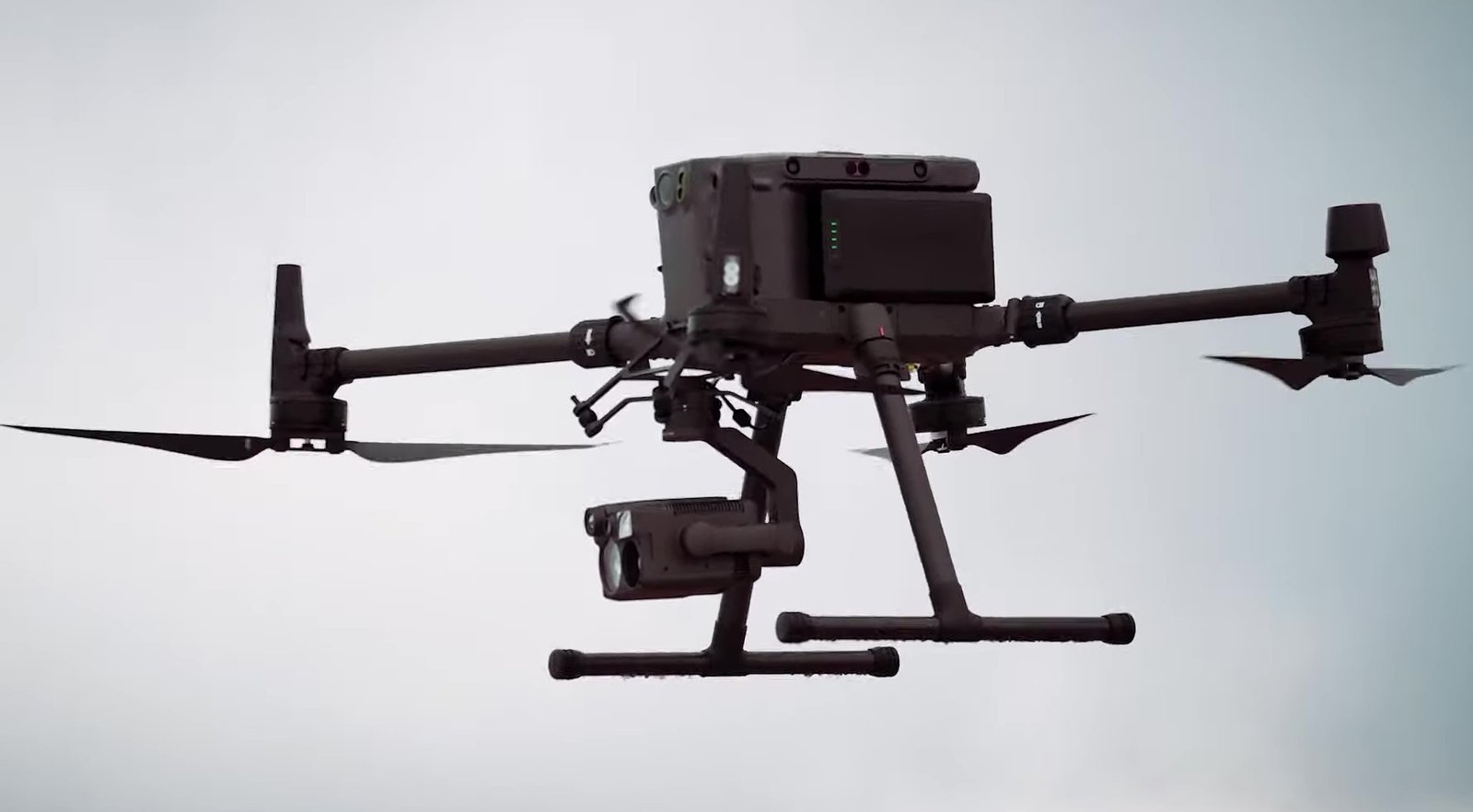
A year later, the military did the opposite. In November 2024, the Bundeswehr signed a framework contract with supplier Droneparts GmbH for 500 DJI Matrice M30T drones, the thermal-imaging version of DJI’s professional quadcopter. As of mid-2025, the drones could be used only for training, according to the investigative newsroom CORRECTIV, and the ministry said DJI systems were strictly excluded from combat, operational and sensitive reconnaissance use. Units used them for taster courses for future drone pilots and as targets for air-defence systems.
Whether the drones ever leaked sensitive data is not known, Der Spiegel wrote. But one insider who had repeatedly filed complaints against the Bundeswehr’s use of DJI drones told the magazine that the MAD, Germany’s military counterintelligence service, found forensic traces of data being diverted from drones the Bundeswehr had flown. The ministry did not answer Der Spiegel’s questions about those suspicions directly.
The Defence Ministry has declined to say how many Chinese drones it has bought for training since 2024, citing military security — so the true inventory is unclear.
DJI’s Reply
DJI has repeatedly said its drones do not pose a security risk. In May, the company told US lawmakers that an independent review had found “no evidence of data transmission outside the United States”.
Critics of the drones point to Chinese law, which imposes cooperation duties on organisations — the National Intelligence Law (2017), Article 7, requires organisations and citizens to support and cooperate with national intelligence work — as a reason defence ministries treat these devices differently from other consumer electronics. No published independent audit of the drones the Bundeswehr bought has surfaced in the coverage reviewed, and no attack using them has been proven; the force treats the matter as a risk.
Cars, Sensors and a Wider Pattern
The restrictions do not stop at drones. The Defence Ministry said it had no general ban on vehicles from specific countries or manufacturers, but that sensors installed in modern vehicles are seen as potential security risks, and access to sensitive military sites can therefore be restricted where necessary. Der Spiegel reported that Chinese cars were also barred from barracks premises, with Chinese-brand vehicles including BYD and Geely kept out of garrisons and other defence sites.
Germany is not alone. The United States last month prohibited vehicles made by China’s BYD on its air base on Japan’s Okinawa island, and Poland in February banned Chinese-made vehicles from military facilities over concerns their sensors could be used to collect sensitive data. In August, The Telegraph reported that K3 Scout maritime reconnaissance drones fitted with Chinese-made components had secretly transmitted information to China — a report the German coverage noted as part of the wider concern.
- What was ordered: an immediate halt to commercially bought Chinese drones at barracks and training grounds, with existing systems to be replaced by German or European products.
- What it is not, per the ministry: a blanket ban on systems from any particular country — the decision rests on individual risk assessments.
- The history: a 2023 ban (Order 159), a 2024 contract for 500 DJI Matrice M30T drones, and now a second halt.
- The open questions: how many Chinese drones the Bundeswehr actually holds, and whether any sensitive data was ever transmitted.
A consumer gadget became a strategic problem the moment it carried a camera onto a military base — and Germany has now decided, for the second time, that the risk is not worth it.
By Akhtar Saleem Khan
Head of IT | The BNN Media – The Best News Network
News Beyond the Borders
Sources: Reuters; DroneXL; TechTimes.