 By
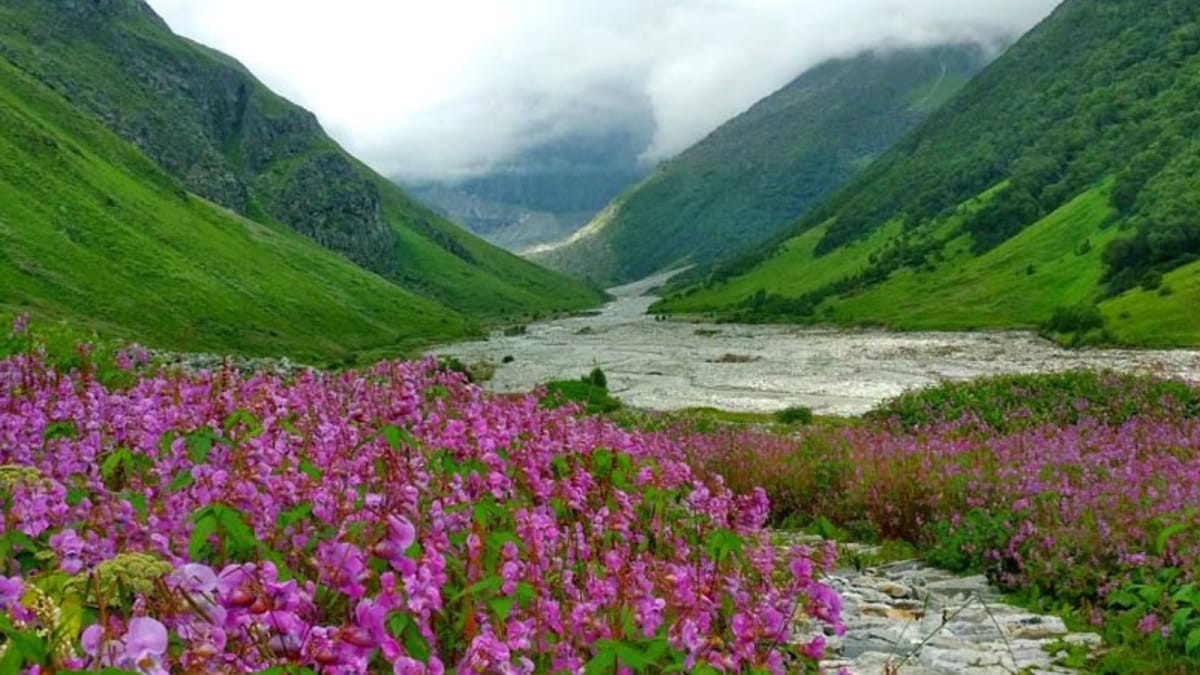
The Pushpawati River flows through the famous Valley of Flowers National Park in Uttarakhand. Situated in Chamoli district of the Garhwal Himalayas, the valley is known for its colourful alpine flowers, mountain landscapes and rich biodiversity. (Image: Wikimedia Commons)
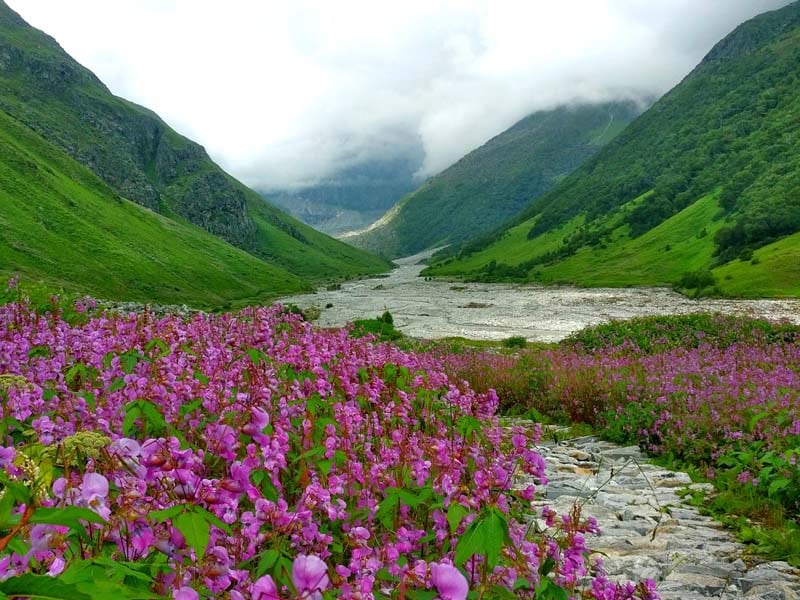
The river originates from the Tipra Glacier and flows through the high-altitude valley before joining the Bhyundar Ganga near Ghangaria. Their combined stream is known as the Lakshman Ganga, which later meets the Alaknanda River at Govindghat. (Image: uttarakhandtourism.gov.in)
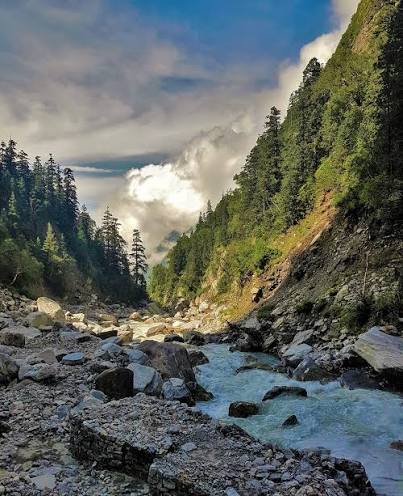
Pushpawati River flows through the Valley of Flowers, a protected Himalayan region in Uttarakhand. The river is an important geographical feature of the national park. Its source is the Tipra Glacier, located in the upper Himalayan region near Gauri Parbat. (Image: Facebook)
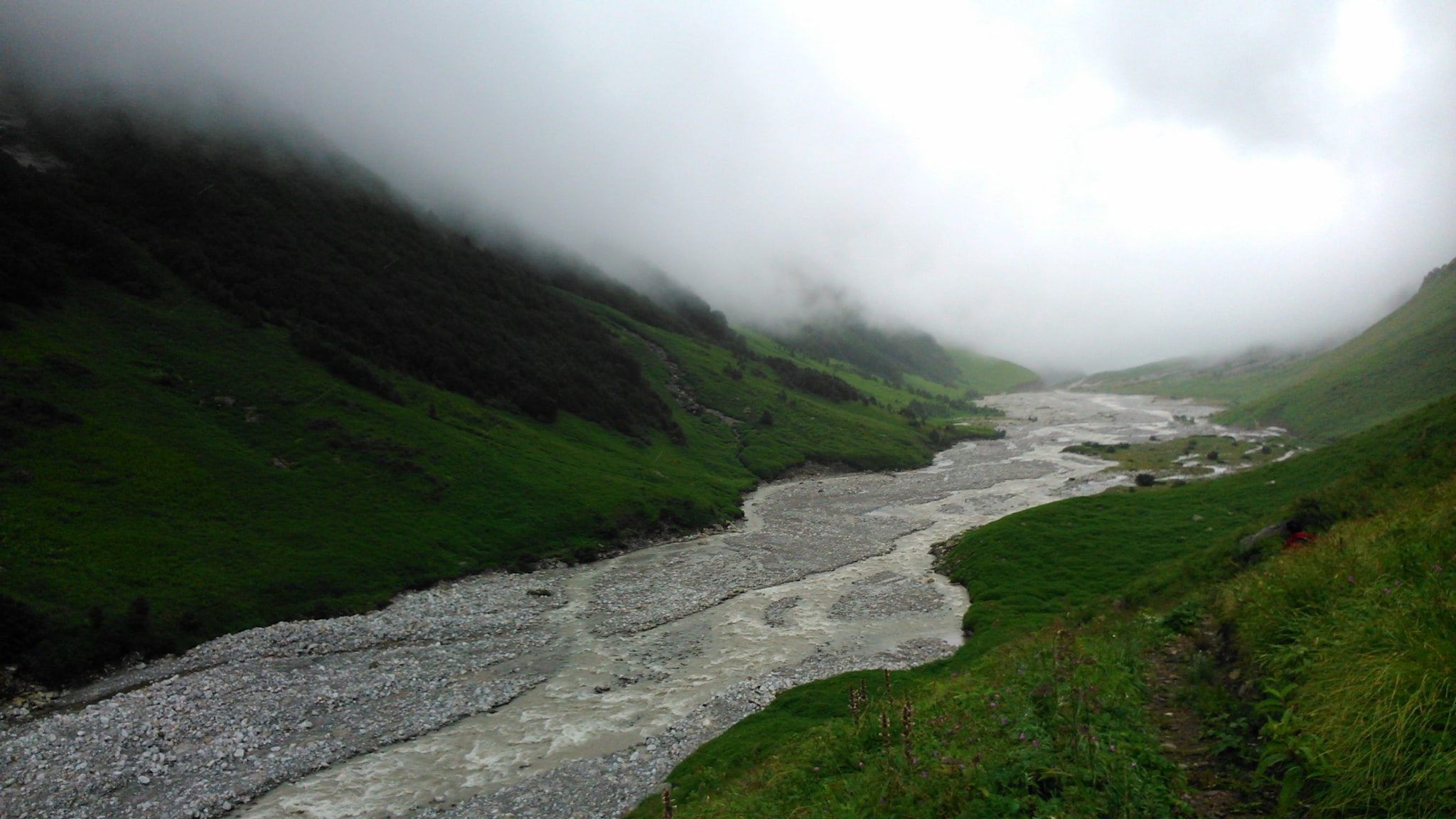
The Pushpawati flows through the valley and joins the Bhyundar Ganga near Ghangaria. The river system eventually connects with the Alaknanada, one of the major headstreams of the Ganga. (Image: Wikimedia Commons)
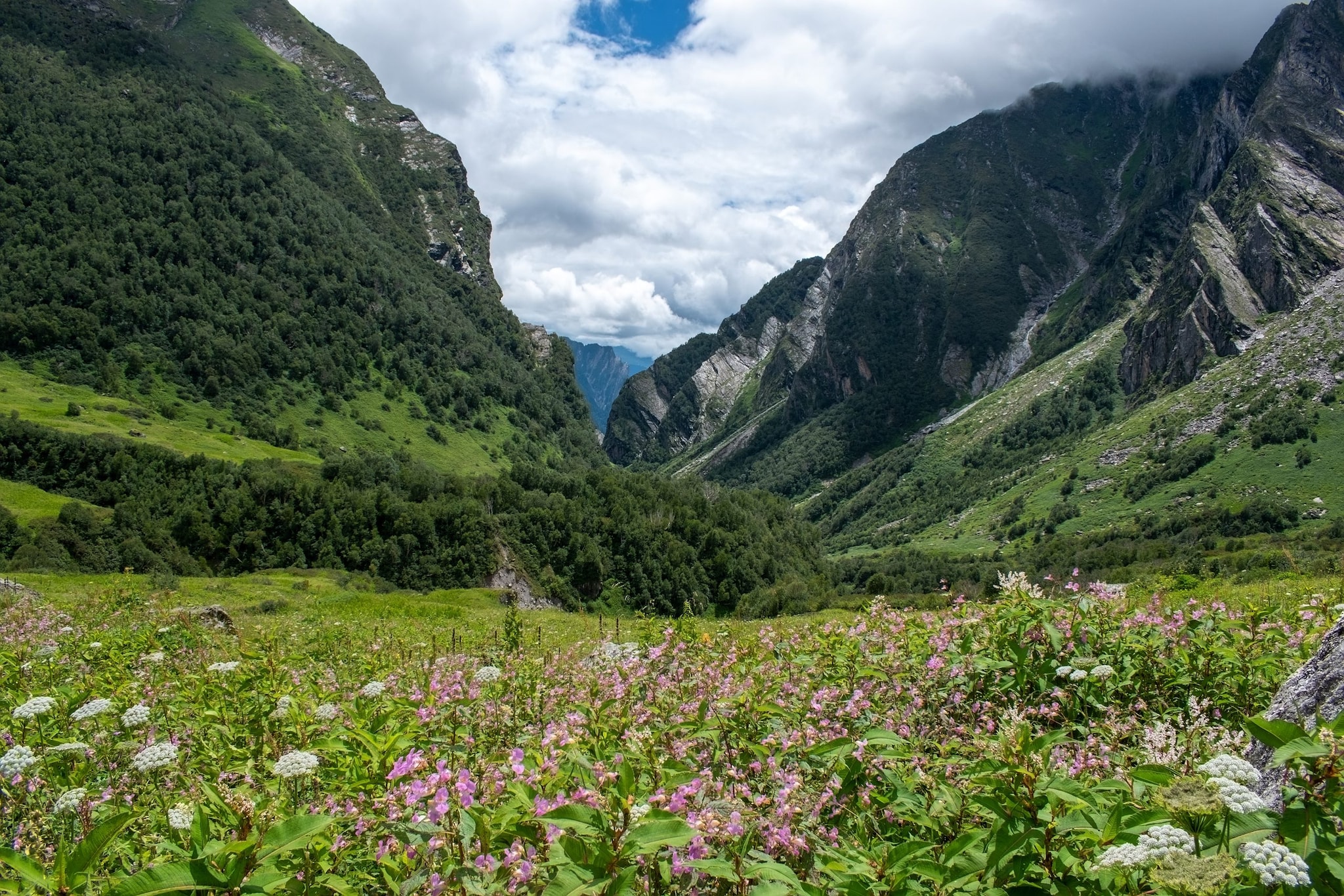
The Valley of Flowers National Park is situated in Chamoli district of Uttarakhand, in the Garhwal Himalayas. It is part of the Nanda Devi Biosphere Reserve and is recognised as a UNESCO World Heritage Site along with Nanda Devi National Park. (Image: Wikimedia Commons)
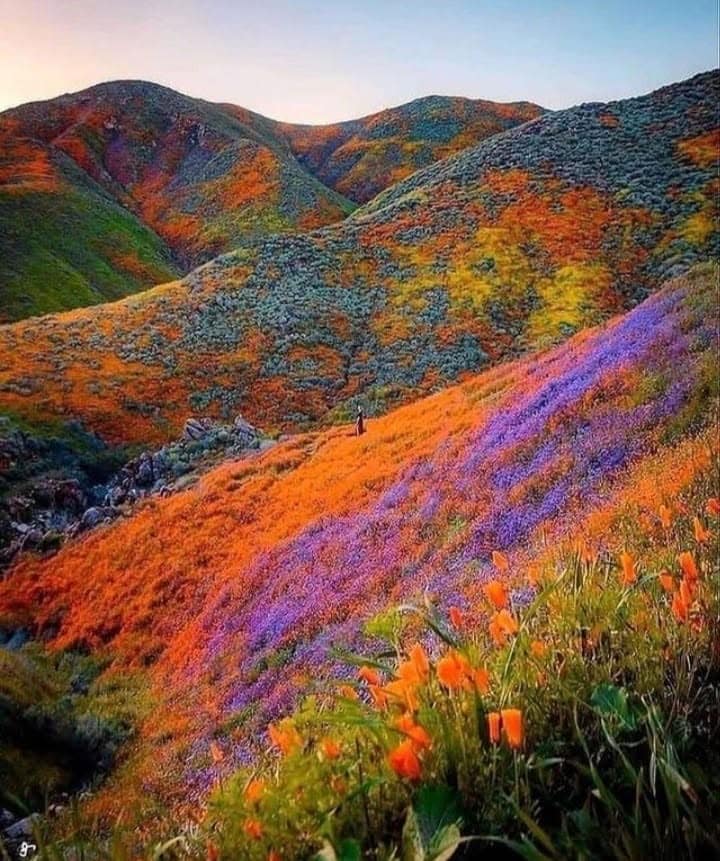
The Valley of Flowers is known for its alpine meadows, rare plants and seasonal flowering landscape. During the flowering season, the valley is covered with different variety of wildflowers. (Image: Facebook)