Gold prices have fallen nearly 25% from their January 2026 peak. FundsIndia’s 46-year analysis reveals how long gold can take to recover and what investors should know.
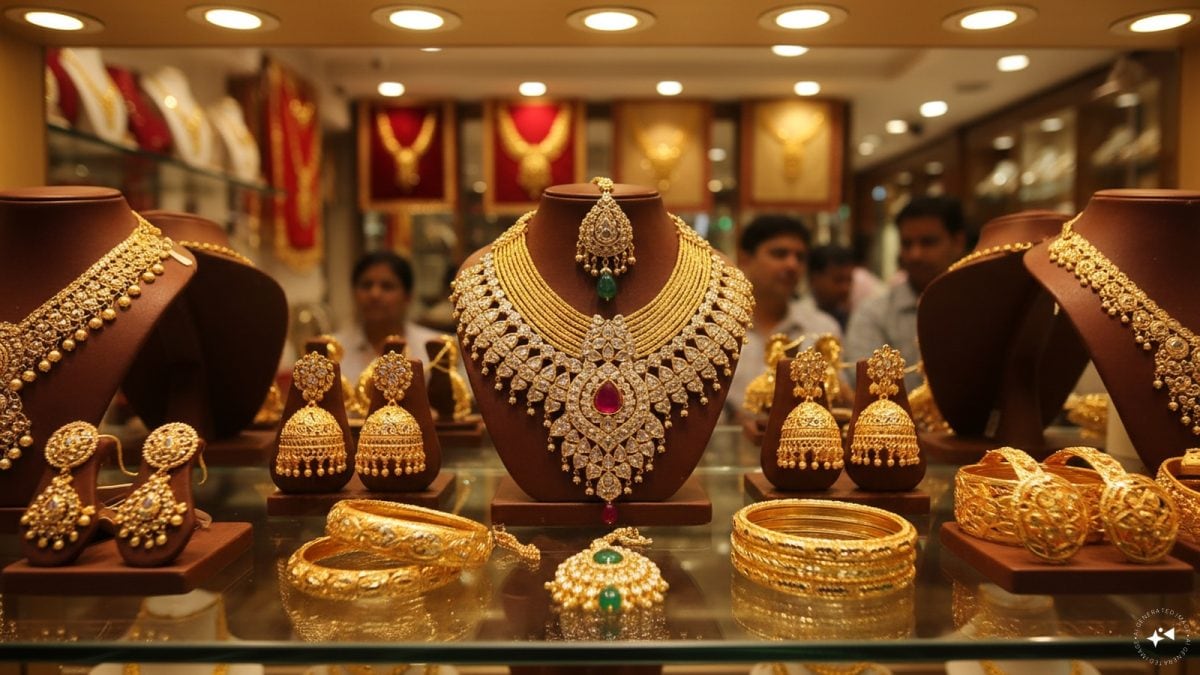
How much have gold prices fallen? Gold has also witnessed sharp price movements in 2026. The price of 24-carat gold in India touched Rs 1,79,140 per 10 grams on January 30, 2026. By November 17, the price had fallen to Rs 1,34,470 per 10 grams. This represents a decline of nearly 29.94% from its record high. The movement highlights how gold prices can correct sharply even after a strong rally. (Representational image)he FundsIndia report also compares gold’s price movements with those of the Sensex. Gold traded below its previous peak on 71% of the days examined, compared with 66% for the Sensex. When the decline exceeded 20%, gold experienced such a fall on 25% of the days, while the Sensex did so on 27%. However, when the decline crossed 30%, the Sensex recorded such falls on 15% of the days, compared with just 10% for gold. (Representational image)Historical data shows that gold can take several years to recover from a major price correction. After falling 57% from its peak in January 1980, gold took until November 1989 to regain its previous high — a recovery period of nearly 10 years. Following a 31% decline in 1996, it took six years and four months to recover. Similarly, after falling 29% from its November 2012 peak, gold took six years and seven months to return to its previous high. Across these three instances, the average recovery period was around seven and a half years. (Representational image)Does this mean you should avoid investing in gold? Not necessarily. Gold can still play an important role in a long-term investment portfolio. According to the FundsIndia report, gold delivered an average annual return of 10% across the 10-year investment periods examined since 1980. However, this does not guarantee that every investor will earn the same return. Your purchase price and investment duration can significantly influence the outcome. Investors should therefore account for the possibility of price corrections and avoid putting all their money into gold at once. Diversifying across different asset classes can help manage investment risks. (Representational image)
Stay Ahead, Read Faster
Scan the QR code to download the News18 app and enjoy a seamless news experience anytime, anywhere.
Gold has long been a popular investment choice among Indians. Many people buy it in the hope that its value will appreciate over time. It can also serve as a financial cushion during emergencies, as gold can be pledged with banks to secure a loan. Investors may also sell their holdings when prices rise to book profits. However, do gold prices always move upwards? What happens if you buy gold just before a sharp correction? Data covering the past 46 years suggests that investors may need to think carefully before assuming that gold is a risk-free investment. (Representational image)

 By