
 By
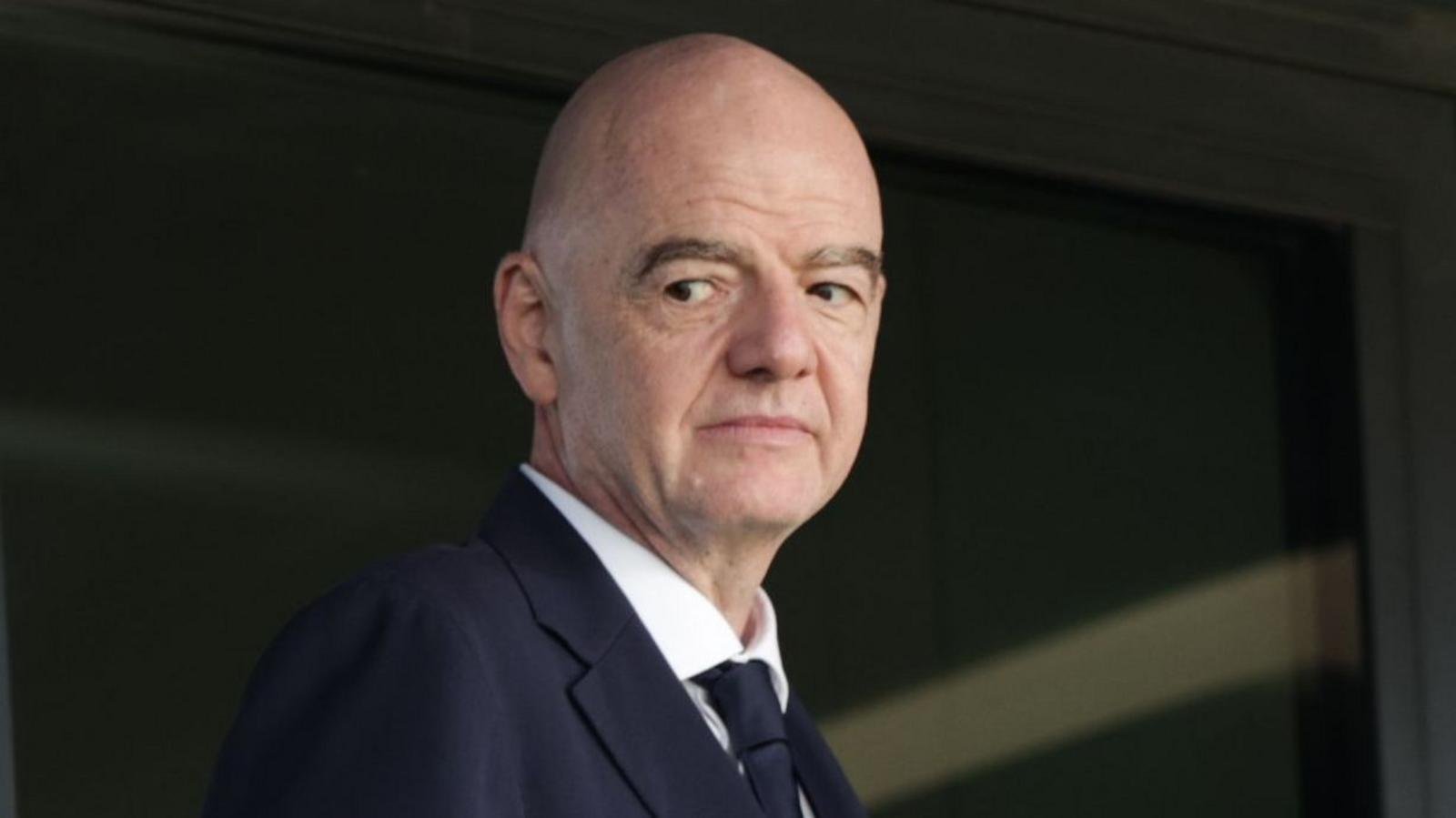
By In what marks a significant recalibration of his administrative strategy, FIFA President Gianni Infantino has proposed an external review of world football’s governing body. The unexpected gesture of openness comes at a critical juncture as Infantino seeks to consolidate broad continental support to sustain his tenure atop the global game. By inviting independent scrutiny into Zurich’s operational frameworks, leadership is attempting to balance expanding commercial ambitions with persistent calls for structural institutional transparency.
A Calculated Concession in Zurich
For nearly a decade, the leadership of FIFA has maintained a tightly controlled administrative grip over global football, steering the organization through major commercial expansions, controversial tournament bidding cycles, and sweeping structural realignments. However, Gianni Infantino’s recent signal that he is open to an external examination of FIFA’s operational apparatus indicates a calculated diplomatic shift. The proposal suggests a willingness to entertain outside expertise to assess how decision-making power, financial distributions, and administrative oversight are executed within the Zurich headquarters.
This tactical maneuver arrives as regional confederations express growing concern over the rapid centralization of executive authority. While Infantino’s tenure has delivered historic financial dividends to member associations through expanded solidarity payouts, critics argue that institutional checks and balances have been systematically diluted. By framing an external review as an opportunity to modernize governance, the FIFA presidency is seeking to disarm internal opposition while presenting a posture of modern management to commercial partners and regulatory authorities worldwide.
Political Realpolitik and Continental Alliances
The timing of this administrative proposal is directly linked to the complex political arithmetic required to maintain control over FIFA’s 211 member associations. Securing long-term stability requires building unified coalitions across key continental blocks, including UEFA in Europe, CONMEBOL in South America, and rapidly growing voting blocs in Africa, Asia, Oceania, and North America. Recent debates over the international match calendar, expanded club competitions, and revenue-allocation models have created friction among power brokers in European and South American football, who wield substantial political and economic influence.
By initiating talks surrounding institutional reform, Infantino is offering a crucial bargaining chip to regional leaders who have demanded greater consultation and input into high-level policy. Rather than allowing dissatisfaction to coalesce into a formal challenge, leadership is proactively shaping the agenda. Observers note that offering an independent review enables the current administration to project accountability while simultaneously steering the parameters of any prospective structural changes.
The proposal for an external audit is both a defensive shield and an offensive political strategy. By controlling the mechanism of reform, FIFA leadership aims to satisfy critics without compromising the core levers of executive power.
Commercial Expansion and Governance Scrutiny
Underpinning the internal political dynamics is the massive economic scaling of modern football. FIFA’s push to launch an expanded 32-team Club World Cup, alongside the upcoming 48-team men’s World Cup, has elevated the commercial stakes to unprecedented heights. Multi-billion-dollar broadcast rights, corporate sponsorships, and sovereign wealth investments have transformed global sports governance into an arena of high-stakes corporate diplomacy. With larger financial flows comes heightened regulatory oversight from international legal bodies, financial regulators, and commercial stakeholders who require stringent compliance standards.
Corporate sponsors and institutional broadcast partners have increasingly prioritized environmental, social, and governance metrics when allocating capital. An external review, if conducted with legitimate independence, could serve to insulate FIFA from reputational risks that previously plagued the organization during the systemic corruption crises of mid-2010s. Ensuring operational integrity is no longer merely an ethical consideration; it is a fundamental prerequisite for safeguarding multi-billion-dollar commercial pipelines.
Key Takeaways & Strategic Intelligence
- Strategic Shift: Infantino proposes an external governance review to build consensus and neutralize political friction among confederations.
- Electoral Realignment: Openness to reform serves as a key diplomatic tool to secure multi-continental backing for continued leadership tenure.
- Commercial Imperative: Expanded tournament formats and multi-billion-dollar broadcasting deals necessitate higher governance and compliance standards.
- Implementation Risks: Independent stakeholders emphasize that any review process must possess genuine authority rather than serving as a superficial public relations exercise.
Skepticism and the Anatomy of Institutional Reform
Despite the high-profile nature of Infantino’s announcement, seasoned governance experts and advocacy groups remain skeptical about the potential depth of any proposed review. Previous iterations of reform within global sports federations have frequently suffered from compromised mandates, limited access to executive documentation, and non-binding recommendations that allow leadership to cherry-pick favorable outcomes. The critical test for this initiative will lie in the selection criteria for the external panel, its access to financial records, and whether its final recommendations will be made public without administrative redaction.
Representatives from player unions, fan coalitions, and transparency watchdogs have voiced concerns that internal administrative reforms often fail to address fundamental structural issues, such as executive term limits, voting rights distribution, and independent ethics enforcement. Without a binding mandate from the FIFA Congress, an external review risks becoming a symbolic exercise designed to satisfy immediate news cycles without altering the core power dynamics that govern international sport.
Future Outlook & Strategic Projections
The coming months will demonstrate whether Infantino’s proposal represents a genuine institutional evolution or a temporary political overture. As formal discussions progress toward the next FIFA Congress, member associations will scrutinize the precise terms of reference established for the external review panel. If key confederations unite behind structural requirements—including mandatory transparency standards and formal oversight mechanisms—the initiative could catalyze meaningful reform across global football. Conversely, if the process is perceived as tightly managed by Zurich officials, resistance from major European and South American stakeholders is likely to intensify, potentially setting the stage for prolonged administrative debates over the future direction of the world’s most lucrative sport.