 By
Last Updated:
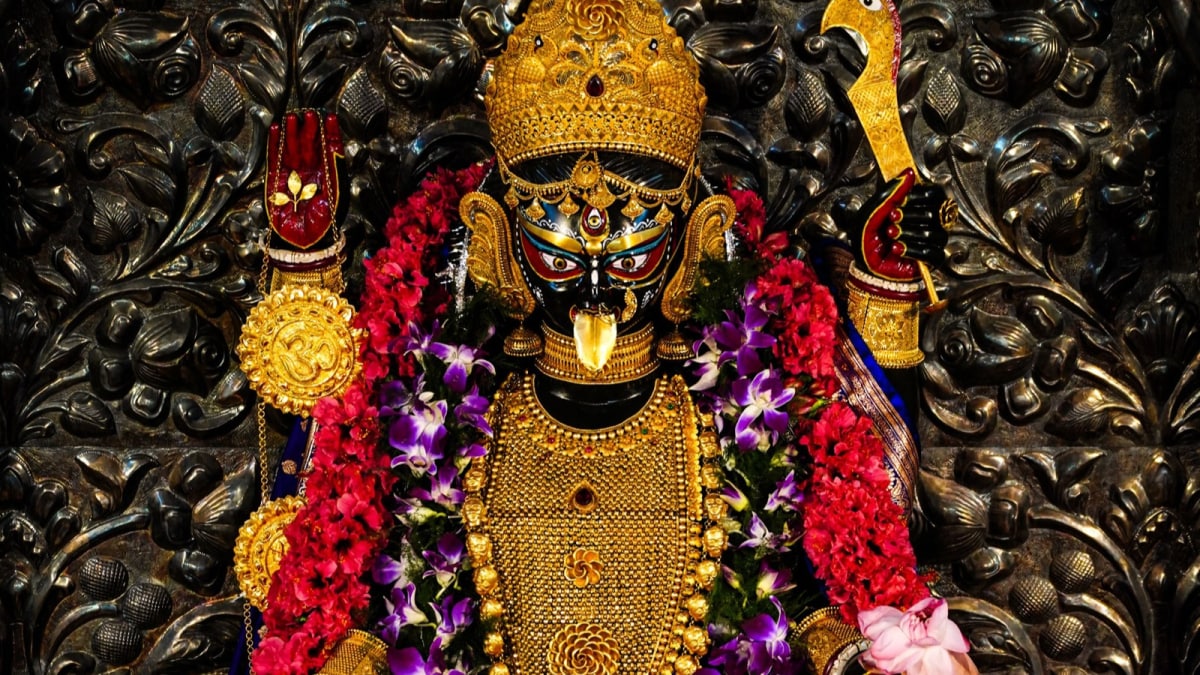
Kali Chaudas 2026 will be observed on November 7. From the midnight puja muhurat to rituals and mythology, here’s everything you need to know about the festival.




Dedicated to Goddess Kali, Kali Chaudas is observed with prayers for protection and the destruction of evil. Know the 2026 date, shubh muhurat, puja vidhi and significance.
As Diwali draws closer, homes across India are getting ready for the festival of lights. Amid the preparations, prayers and family traditions, a lesser-known but deeply significant observance holds a special place for many devotees: Kali Chaudas. For some, it is a night to seek the blessings of Goddess Kali; for others, it is an occasion to pray for protection, courage and freedom from the fears and negativity that weigh them down.
Observed on the fourteenth day of Krishna Paksha in the Hindu month of Kartik, Kali Chaudas is particularly significant in Gujarat and parts of western India. Also known as Kali Chaudash, the festival is associated with the destruction of evil and the belief that divine power can help overcome darkness. Devotees worship Goddess Kali and, in some traditions, Lord Hanuman, as they seek strength and protection for themselves and their families.
But when is Kali Chaudas in 2026, what is the shubh muhurat for puja, and which rituals are traditionally followed? Here’s everything you need to know about the festival and the beliefs behind it.
Kali Chaudas 2026: Date And Shubh Muhurat
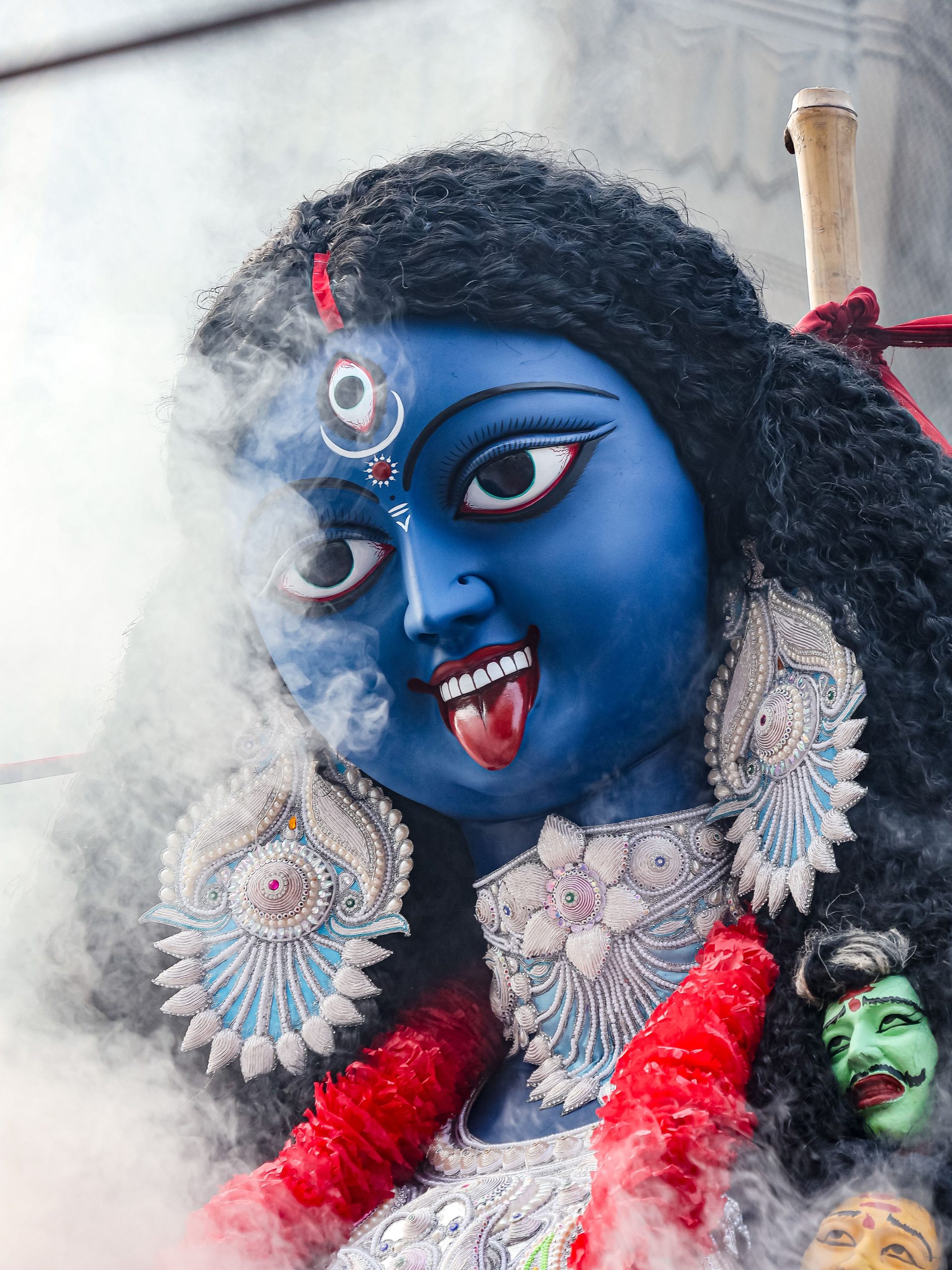
Kali Chaudas will be observed on Saturday, November 7, 2026. The festival is associated with Krishna Chaturdashi, the fourteenth day of the waning lunar fortnight. For Kali Chaudas, the midnight period, known as Nishita Kaal, holds particular importance.
According to the New Delhi Panchang, the important timings are:
Kali Chaudas: Saturday, November 7, 2026
Chaturdashi Tithi Begins: 10:47 AM on November 7
Chaturdashi Tithi Ends: 11:27 AM on November 8
Kali Chaudas Puja Muhurat: 11:39 PM on November 7 to 12:31 AM on November 8
Duration: 52 minutes
The midnight worship period is considered significant because the observance is traditionally linked to Chaturdashi prevailing during Nishita Kaal. Since Hindu festival dates are determined by lunar timings and regional Panchang calculations, the date and muhurat may vary slightly across locations. Devotees should check the timings applicable to their city.
Kali Chaudas 2026: Puja Vidhi And Rituals
Kali Chaudas rituals vary across regions and families, but the central observance involves prayers to Goddess Kali. In several traditions, devotees also worship Lord Hanuman and seek blessings for strength and protection.
Here are some of the practices associated with the festival:
1. Prepare The Puja Area
Devotees begin by cleaning the space where the puja will be performed. A picture or idol of Goddess Kali is placed in the prayer area, which is then arranged with flowers, incense and a diya.
2. Worship Goddess Kali
Devotees offer prayers to Goddess Kali, seeking her blessings to overcome fear, negativity and obstacles. Traditional offerings may include red flowers, kumkum, incense and sweets, depending on family customs.
3. Light Diyas
Lighting lamps is an important part of the Diwali festivities. Diyas symbolise the victory of light over darkness, and many households light them as part of their prayers for peace, protection and well-being.
4. Offer Prayers To Lord Hanuman
In several regional traditions, Lord Hanuman is also worshipped on Kali Chaudas. Devotees may visit a Hanuman temple, offer prayers at home or recite the Hanuman Chalisa, seeking courage and protection.
5. Perform Aarti And Offer Prasad
The puja is concluded with an aarti and an offering of prasad. The prasad is then shared among family members as part of the observance.
The exact rituals and offerings are not the same everywhere. Devotees generally follow their family traditions or seek guidance from a local priest.
Kali Chaudas: Religious Significance And Mythological Beliefs
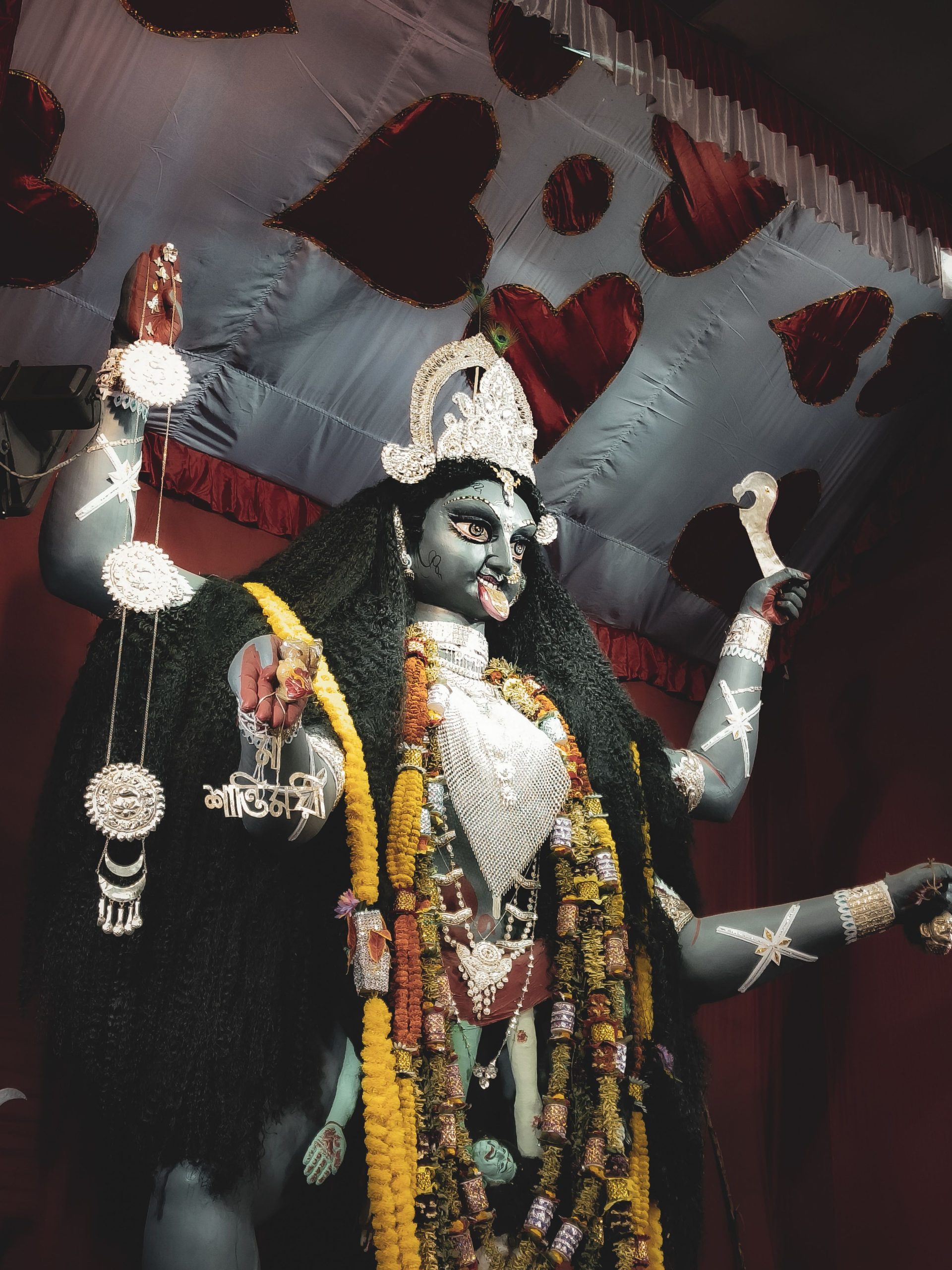
Kali Chaudas is dedicated to Goddess Kali, a fierce manifestation of the divine feminine power, or Shakti. She is worshipped as the destroyer of evil and a protector of the universe. Her form, often depicted with a fierce expression and powerful symbolism, represents the strength to overcome fear, ignorance and destructive forces.
One of the mythological stories associated with Goddess Kali is her battle with the demon Raktabija. According to the legend, every drop of Raktabija’s blood that fell to the ground gave rise to another demon, making him extremely difficult to defeat. Goddess Kali eventually overcame him by preventing his blood from touching the ground. The story is often understood as a representation of her immense power to destroy evil and restore balance.
For devotees, Kali Chaudas is therefore more than a ritual observed before Diwali. It is an occasion to seek the Goddess’s protection and pray for the strength to face difficulties. The observance also reflects the belief that darkness, fear and negative forces can be overcome through faith and divine intervention.
In Gujarat and parts of western India, Kali Chaudas is associated with traditional protective rituals and prayers to ward off negative energies. In certain communities, the night is also linked to Bhut Chaturdashi, although customs and beliefs differ across regions.
Is Kali Chaudas The Same As Naraka Chaturdashi And Choti Diwali?
Kali Chaudas, Naraka Chaturdashi and Choti Diwali are often used interchangeably, but their religious associations and regional observances are distinct.
Kali Chaudas is primarily associated with the worship of Goddess Kali and the belief in protection from negative forces. It is particularly significant in Gujarat and parts of western India, where midnight worship is an important feature of the observance.
Naraka Chaturdashi commemorates Lord Krishna’s victory over the demon Narakasura. According to Hindu mythology, Krishna defeated Narakasura and liberated those held captive by him. The occasion symbolises the triumph of good over evil and is associated with rituals such as the traditional early-morning oil bath, known as Abhyanga Snan.
Choti Diwali is the popular name given to the day preceding the main Diwali celebrations in several parts of India. It is marked by lighting lamps, preparing festive food and getting homes ready for the celebrations.
In 2026, Kali Chaudas falls on November 7, while Naraka Chaturdashi and Choti Diwali are observed on November 8 in the New Delhi calendar. This difference is linked to the Panchang rules used to determine the observances, including the importance of the midnight period for Kali Chaudas.
Is Kali Chaudas The Same As Kali Puja?
No. Kali Chaudas and Kali Puja are separate observances, although both are dedicated to Goddess Kali.
Kali Chaudas is observed during Krishna Chaturdashi and is particularly significant in Gujarat and parts of western India. Kali Puja, on the other hand, is performed on the Amavasya night of Diwali and is especially prominent in West Bengal and other parts of eastern India.
Both festivals honour Goddess Kali, but they fall on different lunar days and follow distinct regional traditions.
Quick Answers
 Ask News18
Kali Chaudas will be observed on Saturday, November 7, 2026. According to the New Delhi Panchang, the main puja muhurat during Nishita Kaal runs from 11:39 PM on November 7 to 12:31 AM on November 8, with a total duration of 52 minutes.
Ask News18About the Author

Our life needs a bit of style to get the perfect zing in the daily routine. News18 Lifestyle is one-stop destination for everything you need to know about the world of fashion, food, health, travel, r…Read More
November 04, 2026, 14:00 IST