 By
Last Updated:
While cancer can develop due to a combination of genetic, biological and environmental factors, the findings highlight the importance of prevention and identifying risks before.




While reducing exposure to known risk factors can lower the chances of developing certain cancers, prevention does not mean every case can be avoided.
Nearly 4 in 10 cancer cases worldwide could potentially be prevented by addressing known risk factors, according to a major global analysis by the World Health Organization (WHO) and its International Agency for Research on Cancer (IARC).
The findings, released ahead of World Cancer Day on February 4, 2026, estimate that 37% of all new cancer cases recorded in 2022, amounting to approximately 7.1 million cases, were linked to preventable causes. The research examined 30 preventable risk factors across 185 countries and 36 cancer types, including tobacco consumption, alcohol use, excess body weight, physical inactivity, air pollution, ultraviolet radiation and nine cancer-causing infections.
Experts stress that prevention offers one of the most effective and cost-efficient strategies for lowering cancer incidence, easing pressure on health systems and improving long-term population wellbeing.
While cancer can develop due to a combination of genetic, biological and environmental factors, the findings underline the importance of prevention and identifying risks before they lead to disease.
Tobacco Use Continues to Drive the Highest Share of Preventable Cancers
Tobacco remains the single largest preventable contributor, responsible for approximately 15% of all new cancer cases globally. Smoking is strongly linked not only to lung cancer but also to cancers of the mouth, throat, oesophagus and several other sites.
In men, tobacco accounted for an estimated 23% of new cases. Public health measures such as higher tobacco taxes, plain packaging, smoke-free environments and accessible cessation support remain critical tools for reducing this burden.

Cancer-Causing Infections Account For A Significant Share
Infections were linked to about 10% of new cancer cases worldwide — the second-largest category after tobacco.
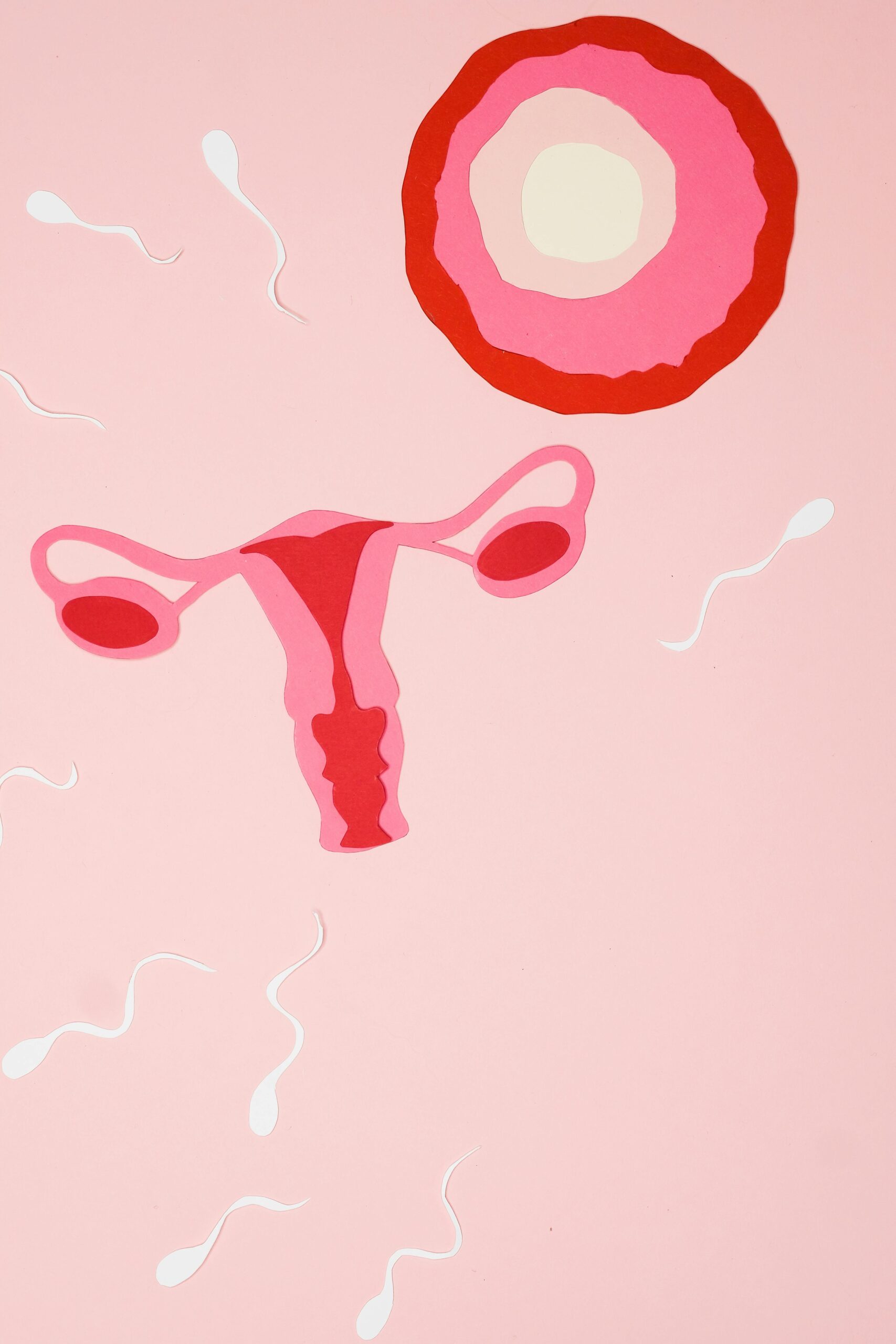
Human papillomavirus (HPV) is the dominant cause of cervical cancer, while Helicobacter pylori is a primary driver of stomach cancer, and hepatitis B and C viruses contribute substantially to liver cancer.
For women in many regions, infections ranked as the leading preventable cause, surpassing smoking and excess body weight. HPV vaccination and hepatitis B immunisation, combined with screening programmes, offer proven pathways to prevent these cancers before they develop.
Alcohol Consumption And Excess Body Weight Can Increase Cancer Risk
Alcohol consumption accounted for approximately 3% of new cancer cases globally in the WHO analysis. Regular alcohol consumption is associated with cancers of the breast, liver, mouth, throat, oesophagus and bowel.
Meanwhile, excess body weight and physical inactivity can contribute to cancer risk through metabolic and hormonal changes, chronic inflammation and other biological processes.

Lung, Stomach and Cervical Cancers
Three cancer types — lung, stomach and cervical, together made up nearly half of all preventable cases in both men and women. Lung cancer was primarily driven by smoking and air pollution, stomach cancer by H. pylori, and cervical cancer almost entirely by HPV. These patterns highlight where targeted interventions can deliver the greatest impact.
Air Pollution And Occupational Exposure Should Not Be Overlooked
Cancer prevention is not limited to personal lifestyle choices. Environmental and occupational exposures also play a role.
Long-term exposure to outdoor and indoor air pollution is associated with an increased risk of lung cancer. Ultraviolet radiation from sunlight and artificial tanning devices can damage skin cells and increase the risk of skin cancer.
Certain workplace exposures, including asbestos, chemicals and other carcinogenic substances, can also contribute to cancer development.
Prevention And Early Detection Can Make A Difference
While reducing exposure to known risk factors can lower the chances of developing certain cancers, prevention does not mean every case can be avoided. Some cancers develop despite the absence of identifiable risk factors, while genetic predisposition and other biological factors can also influence an individual’s risk.
The WHO recommends avoiding tobacco, maintaining a healthy weight, eating a balanced diet, exercising regularly, limiting alcohol consumption, getting recommended HPV and hepatitis B vaccinations, protecting the skin from excessive UV exposure and reducing exposure to indoor and outdoor air pollution.
Quick Answers
 Ask News18
According to a major global analysis by the World Health Organization (WHO) and its International Agency for Research on Cancer (IARC), nearly 4 in 10 cancer cases worldwide, or approximately 37% of all new cases recorded in 2022, are potentially preventable by addressing known risk factors.
Ask News18About the Author

Our life needs a bit of style to get the perfect zing in the daily routine. News18 Lifestyle is one-stop destination for everything you need to know about the world of fashion, food, health, travel, r…Read More
November 12, 2026, 20:01 IST