By
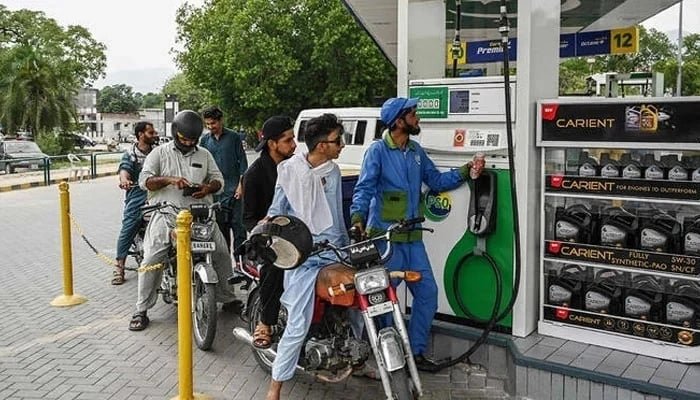
The government has cut the price of petrol by Rs3 a litre to Rs319, effective from Tuesday, 24 November, while the price of high-speed diesel stays unchanged at Rs357 a litre under the new daily pricing system.
By The BNN Media
The Best News Network
News Beyond the Borders
Islamabad, Pakistan — The price of petrol has been cut by Rs3 a litre to Rs319, while high-speed diesel remains unchanged at Rs357 a litre, the Oil and Gas Regulatory Authority (OGRA) announced on Monday, 23 November 2026. The revised prices take effect from Tuesday, 24 November, under the petroleum pricing mechanism approved by the federal government.
The New Prices
Petrol, officially motor spirit, will now sell at Rs319 a litre, down from Rs322. The cut of Rs3 a litre works out to a reduction of just under one per cent. High-speed diesel, the fuel used by trucks, buses, tractors and much of industry, stays exactly where it was, at Rs357 a litre.
The rates announced by OGRA are ex-depot prices, the notified national rates from which pump prices are worked out. In practice, the price a motorist pays can vary slightly from city to city and from station to station, so the board at the pump remains the final word on the day.
The cut gives motorists modest relief, but it leaves the bigger cost in the system untouched.
What Changed — and What Did Not
The split decision is the second petrol cut in four days. On Friday, 20 November, OGRA had already lowered petrol by Re1 a litre to Rs322, while raising diesel by Rs2 a litre to Rs357. Monday’s notification takes petrol a further Rs3 lower and leaves diesel where Friday’s increase put it. The cuts continue a run of reductions that began earlier in November, when petrol had been cut to Rs332 a litre.
| Fuel | Old price (per litre) | New price (per litre) | Change |
|---|---|---|---|
| Petrol (motor spirit) | Rs322 | Rs319 | Down Rs3 |
| High-speed diesel | Rs357 | Rs357 | No change |
Taxes and duties make up a large part of what motorists pay. According to The Standard, the current prices include Rs114 a litre in taxes and duties on petrol and Rs100 a litre on diesel. That means more than a third of the petrol price at the pump is tax, not fuel.
Petrol is cheaper; diesel, the fuel that moves goods and grows food, is not.
How the Daily Pricing System Works
Pakistan no longer revises fuel prices once a fortnight. Under the system now in force, OGRA publishes revised prices daily, calculated from a seven-day average of international product prices converted at the prevailing rupee-dollar rate.
Petroleum Minister Ali Pervaiz Malik has said fuel prices are fixed on a daily basis because of fluctuations in international market prices, and that the aim is to pass the full impact on to consumers immediately and to make the process more transparent. The Standard reported that the minister linked the volatility to hostilities between Iran and the United States and to supply disruptions in the Middle East.
The government has also said the burden of the levy has been shifted from consumers to refineries under a recently enforced mechanism, a change presented as part of the effort to bring prices down for consumers.
Under daily pricing, today’s relief can be revised tomorrow — the Rs319 rate is the price for 24 November, not a promise for the week.
What the Cut Means for Motorists
For a motorbike rider, the saving is small but real. A rider filling a 10-litre tank pays Rs30 less than last week. For a car owner filling 40 litres, the saving is Rs120 on a full tank. It is not the kind of cut that transforms a household budget, but after months in which fuel prices were a constant source of pressure, any fall is welcome.
Reports on Monday put petrol below Rs320 for the first time since July, a milestone that underlines how far prices have come down from their recent highs. That reading comes from market reporting rather than from OGRA itself, and it should be read as such.
- Motorbike and car owners pay less at the pump from Tuesday.
- Ride-hailing drivers and delivery riders, who buy fuel every day, feel the benefit first.
- Commuters who use public transport are unlikely to see fares fall on the back of a Rs3 cut alone.
The relief is genuine, but it is modest — Rs3 a litre helps, it does not transform.
Diesel: Why No Change Matters More
The unchanged diesel price is the more important half of Monday’s announcement. Diesel powers the trucks that carry goods between cities, the buses that carry passengers, the tractors that work the fields and the generators that keep factories running when the power fails.
When diesel stays at Rs357, transport costs stay where they are, and so do the freight charges built into the price of food and other goods. That is why economists and transporters watch the diesel price at least as closely as the petrol price. A cut in petrol helps the private motorist; a cut in diesel would help bring down the cost of almost everything that travels by road.
Monday’s notification gives no change on that front. Transporters and farmers will pay the same for diesel on Tuesday as they paid on Monday.
Until diesel moves, the cost of moving goods — and therefore the price of goods — stays put.
What Happens Next
Because prices are now fixed daily, the next notification can arrive as early as Tuesday evening, with any new rates taking effect from Wednesday. Motorists should therefore check the latest notified price before filling up, rather than assuming Rs319 will still apply later in the week.
Whether petrol falls further will depend on the same two factors that decide every daily revision: the international price of refined fuel and the value of the rupee against the dollar. If international prices keep easing and the rupee holds its ground, further small cuts are possible. If either turns, the daily system can just as quickly push prices back up.
For now, the direction is down. Petrol has fallen twice in four days, from Rs323 to Rs319, and the government says the daily system is designed to pass international movements on to consumers without delay. The test will be whether that promise holds when international prices rise as well as when they fall.
The trend is welcome, but under daily pricing it is only as secure as the next notification.
By The BNN Media
The Best News Network
News Beyond the Borders