By
US inflation rose to 3.8% in October, core inflation hit a three-year high, and the economy grew far faster than expected. Traders now see a Federal Reserve rate rise on 8–9 December as all but certain — with another increase expected in January.
By The BNN Media
The Best News Network
News Beyond the Borders
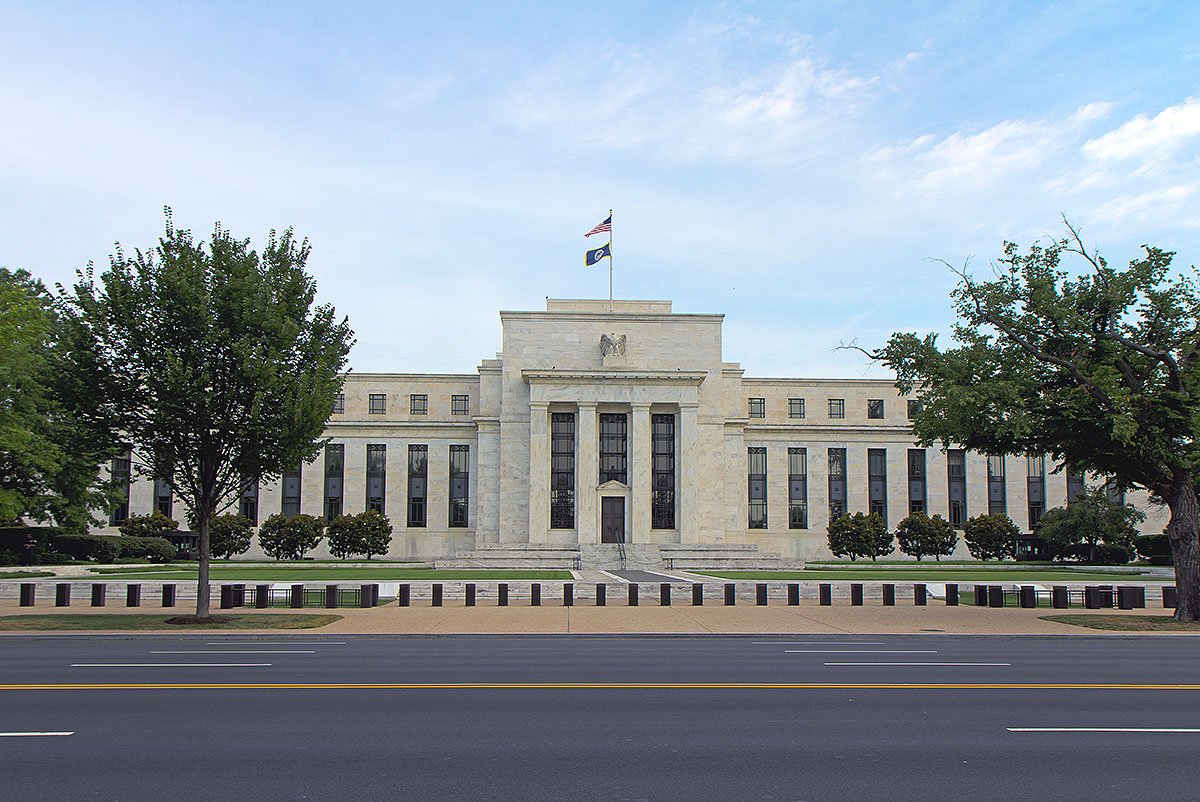
Washington, United States — Financial markets have priced in a quarter-percentage-point interest rate rise from the Federal Reserve at its 8–9 December meeting, after new data showed US inflation climbing further in October and the economy growing much faster than expected. The Fed’s preferred inflation gauge rose 3.8% over the year to October, up from 3.6% in September, the Commerce Department’s Bureau of Economic Analysis said on Wednesday, 25 November 2026.
The Inflation Numbers
The Personal Consumption Expenditures (PCE) Price Index — the measure the Fed uses for its 2% inflation target — rose 0.3% in October after an unrevised 0.5% gain in September, matching economists’ forecasts in a Reuters poll. Over the 12 months to October, it increased 3.8%, after advancing 3.6% in September.
The detail that worried markets most was underneath the headline. Excluding volatile food and energy prices, the so-called core PCE index also rose 0.3% over the month, but its annual rate climbed to 3.3%, up from 3.1% in September — its highest level in three years, according to Reuters.
Three months in a row of 0.3% monthly core increases, reported in market coverage of the release, suggest price pressures are not fading. Inflation has now run above the Fed’s 2% target for about five and a half years, and the October data moved it further away, not closer.
The message from the data is plain: inflation is sticky, and it is rising again.
What Markets Now Expect
Traders moved fast. Financial markets have priced in a quarter-point rate rise at the Fed’s December 8–9 meeting from the current 3.75%–4.00% range, and expected another increase in January, according to CME’s FedWatch tool cited by Reuters.
Before the data, a December rise was already widely expected. After it, the odds hardened: Reuters reported traders pricing in a 98% chance of a 25-basis-point rise next month, with a 60% chance of an additional rise in January. Other market measures put the December probability slightly lower, at around 92%, but the direction is the same — a December Fed rate hike now looks certain, and the only live debate is how far and how fast the Fed goes after that.
Fed Governor Christopher Waller has signalled he could support an even bigger half-percentage-point increase to quell inflation, Reuters reported — a sign that the hawks on the rate-setting committee are gaining confidence.
The Fed’s own survey of business conditions, published the same day, pointed in the same direction. Its Beige Book reported that prices ‘increased moderately overall’ in recent weeks, with businesses reporting sustained cost pressure from energy, transport, healthcare, insurance and tariff-related expenses. Input costs were outpacing selling prices, the survey found, because competition and price-sensitive customers limited firms’ ability to pass higher costs on in full.
Growth Running Hot
The inflation data did not arrive alone. On the same day, the Commerce Department revised third-quarter growth sharply higher: the economy grew at an annualised 4.3% in the July–September quarter, up from a 3.4% initial estimate and well above forecasts.
That combination — faster growth and faster inflation — is exactly what makes the Fed’s job harder. If the economy were slowing, the central bank could argue that past rate rises were doing their work. Instead, the data suggest the economy is running hot enough to keep generating price pressure.
Consumer spending, which accounts for more than two-thirds of US economic activity, rose 0.3% in October after an upwardly revised 0.6% increase in September. Reuters reported that spending is being driven mostly by higher-income households, whose wealth was boosted by the stock market before the recent sell-off in technology shares. Historically low layoffs and moderate hiring are helping other households sustain spending, though inflation is eroding wage gains — and households are saving less and dipping into their savings to keep spending.
Strong growth plus sticky inflation leaves the Fed little room to wait.
The Beige Book: Sticky Costs on Main Street
The Federal Reserve’s Beige Book, a compendium of survey-based data and commentary from businesses compiled by its 12 regional banks, gave policymakers a ground-level view two weeks before their December decision — and it was not comforting.
‘Contacts across a range of sectors reported sustained cost pressure from energy, transportation, healthcare, insurance, and tariff-related expenses,’ the report said. It added that contacts expected both expenses and prices to continue rising in the coming months.
Employment levels rose in the survey period, and growth continued — the economy is not stalling. But the cost squeeze is real: firms are absorbing higher input costs they cannot fully pass on, which squeezes margins today and raises the risk of further price rises tomorrow as businesses try to catch up.
Reuters noted that market-based expectations for rate rises had eased somewhat amid a steep sell-off in stock markets over concerns about the sustainability of the artificial intelligence investment boom. Even so, Fed policymakers have sounded increasingly hawkish, and the Beige Book gives them fresh evidence that inflationary pressure is broad-based rather than confined to one sector.
A Global Turn Towards Tighter Money
The Fed is not acting in isolation. Central banks around the world are moving in the same direction, and the same week brought hawkish signals from London and Tokyo.
Bank of England Governor Andrew Bailey told Parliament’s Treasury Committee on Wednesday that it is more likely than not the Bank will have to raise interest rates further if energy prices stay elevated. The Bank raised rates by 25 basis points earlier this month — its first increase of the year — and traders put the chance of another rise at its December meeting at 80%, according to LSEG data cited by Reuters. The Bank of England publishes its Financial Stability Report on Thursday, 26 November.
In Japan, Bank of Japan board member Naoki Tamura said on Thursday that the central bank must keep raising interest rates as long as underlying inflation is around 2% and financial conditions remain loose. The Bank of Korea, meanwhile, raised its own rate to 3.25% this week.
The picture is consistent: after years in which rate cuts were the story, the world’s major central banks are now, almost in unison, warning that rates may have to go higher to contain inflation.
- United States: markets price a 25-basis-point rise on 8–9 December, with another expected in January.
- United Kingdom: Bank of England signals further rises possible if energy prices stay high; December decision due 17 December.
- Japan: Bank of Japan board member says rates must keep rising while underlying inflation sits near 2%.
- South Korea: Bank of Korea raised rates to 3.25% this week.
What It Means for Households and Borrowers
A Fed rate rise feeds through to everyday borrowing — though not always in the way people expect. Credit card rates, which are typically tied to the prime rate, tend to adjust within one or two billing cycles, so households carrying a balance feel a rise quickly. Home equity lines of credit and adjustable-rate loans linked to prime move in the same direction.
Fixed-rate mortgages are different: 30-year fixed rates track Treasury bond yields rather than the Fed’s rate directly, so a December rise would not automatically push them higher. But yields themselves have been volatile, and the prospect of further rises keeps borrowing costs elevated across the board.
Savers, by contrast, may see slightly better returns: savings account rates tend to follow the Fed’s rate upward, though banks are often slow to pass the full increase on.
The harder question is for spending. Economists expect consumer spending to slow into 2027 because of inflation, Reuters reported, and households are already saving less and drawing on savings built up in earlier years. A rate rise in December, followed by another in January, would add to that squeeze — just as households head into the holiday season and the new year.
What to Watch Next
The calendar now points to a single date: 8–9 December, when the Federal Open Market Committee meets to decide on rates. Between now and then, traders will watch every speech from Fed officials for hints about whether the rise will be a quarter point — or, as Governor Waller has suggested, something bigger.
Thursday, 26 November brings thin trading, with US markets closed for the Thanksgiving holiday and an early close on Friday. Thin liquidity can make prices jump more than usual on small news, so the week’s data may still move markets even with Wall Street shut.
The European Central Bank publishes the account of its October policy meeting on Thursday, and the Bank of England’s Financial Stability Report lands the same day — both will be read for further signs of the global turn towards tighter money.
The December decision now looks settled in all but name. The real question for 2027 is how many more rises follow — and how much the economy, and households, can take.
By The BNN Media
The Best News Network
News Beyond the Borders
Sources: Reuters — ‘US inflation rises further in October’ (25 Nov 2026); Reuters — ‘Fed survey shows continued growth and sticky inflation in recent weeks’ (Beige Book, 25 Nov 2026); Reuters — ‘Sterling dips as traders await US inflation data’ (25 Nov 2026, CME FedWatch probabilities, Bank of England and Bank of Japan comments); FXStreet — ‘Global Markets re-pricing Fed rate expectations amid PCE inflation concerns’ (26 Nov 2026). GDP revision (4.3% from 3.4%) and core PCE three-month run as reported in Reuters and market coverage of the 25 Nov release.