By
Victoria’s Liberal–National Coalition has won the state’s election in a landslide, ending 12 years of Labor government and making Jess Wilson the state’s next premier — the first woman popularly elected to the job.
By The BNN Media
The Best News Network
News Beyond the Borders
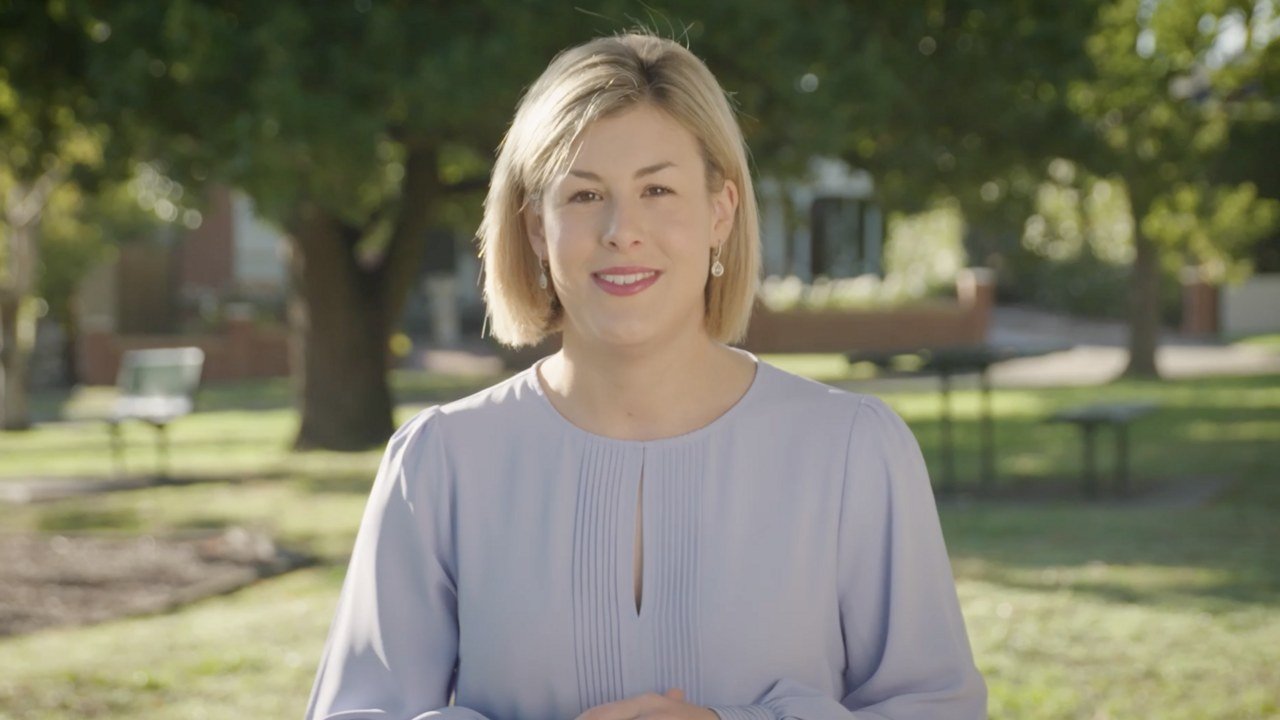
Melbourne, Australia — The Liberal–National Coalition has won the 2026 Victorian state election, held on Saturday, 28 November, ending 12 years of Labor government in Australia’s second-most populous state. The Australian Broadcasting Corporation (ABC) called the result for the Coalition on Saturday evening, and outgoing premier Ben Carroll telephoned Liberal leader Jess Wilson to concede before 8:30 p.m. Wilson, 36, is set to become Victoria’s 51st premier, its youngest leader since federation and the first woman popularly elected as premier.
A Landslide Called Within Hours
The scale of the result became clear quickly. The ABC declared that Labor could not retain government at about 7:43 p.m. AEDT on Saturday, less than two hours after polls closed, after early counts showed a steep fall in the party’s vote across metropolitan and regional electorates.
ABC projections put the Coalition on at least 49 of the 88 seats in the Legislative Assembly, above the 45 needed for an outright majority, with 57.5 per cent of votes counted. By midday on Sunday, with more than 60 per cent of ballots counted, the Australian Associated Press reported that the Coalition had secured 50 seats, with more expected to go its way.
Labor, which had held 54 seats, was projected to win only a handful — three seats in the ABC’s Saturday-night snapshot, rising slightly in later counts. The Greens were projected to win six or seven seats, a record for the party, and were vying with Labor to become the state’s largest opposition party.
The result was not close. By the time Carroll conceded, the Coalition had already crossed the majority threshold, and the only question left was the size of the win.
Carroll Concedes — and Loses His Own Seat
Carroll’s defeat was personal as well as political. He did not only lose the government; he lost his own seat of Niddrie in Melbourne’s north-west, which he had held since 2012 and which Labor had held since the seat was created in 1976.
The ABC projected the loss on Saturday night, with Liberal candidate Samantha Byrne expected to succeed him. Early counting showed a swing of about 17.7 per cent to the Liberals in the seat. Reports described Carroll as the first Victorian premier to lose his seat at a state election.
Carroll had been premier for just 123 days, having taken over in July 2026 after Jacinta Allan stepped down. He delivered his concession speech before 9 p.m. on Saturday night.
“It’s not the result we wanted, but it is a result we accept. As leader of the party, I take full responsibility,” Carroll said, according to the Australian Associated Press.
Who Is Jess Wilson?
Wilson, the Liberal member for Kew, entered state parliament in 2022 and took the Liberal leadership in November 2025. At 36, she will be Victoria’s youngest premier since federation and its first millennial premier.
She will also be the first woman to win the Victorian premiership at a general election. Neither Jacinta Allan nor Joan Kirner — the state’s earlier female premiers — achieved that, having taken office through party-room votes rather than an election victory.
On Sunday morning, in her first public appearance since the win, Wilson stopped for coffee in Kew with her young son Patrick on her hip before starting her first day at the helm. She has promised voters “a fresh start” and vowed not to let the state down.
Wilson’s formal appointment as premier follows the Victorian Electoral Commission’s declaration of results and a swearing-in by the state’s governor — constitutional steps that come after the election result itself.
Twelve Years of Labor Comes to an End
Labor had governed Victoria since 2014, first under Daniel Andrews, then under Jacinta Allan, and finally under Carroll. The 2026 defeat ends that 12-year period in government in a state long regarded as one of the centre-left party’s strongholds.
The Coalition last won an election in Victoria in 2010, governing for four years before Labor returned to power. Saturday’s result reverses that history with interest: the ABC’s projections put Labor on track for its worst election result, with its primary vote falling to just over 18 per cent — behind One Nation on about 20 per cent.
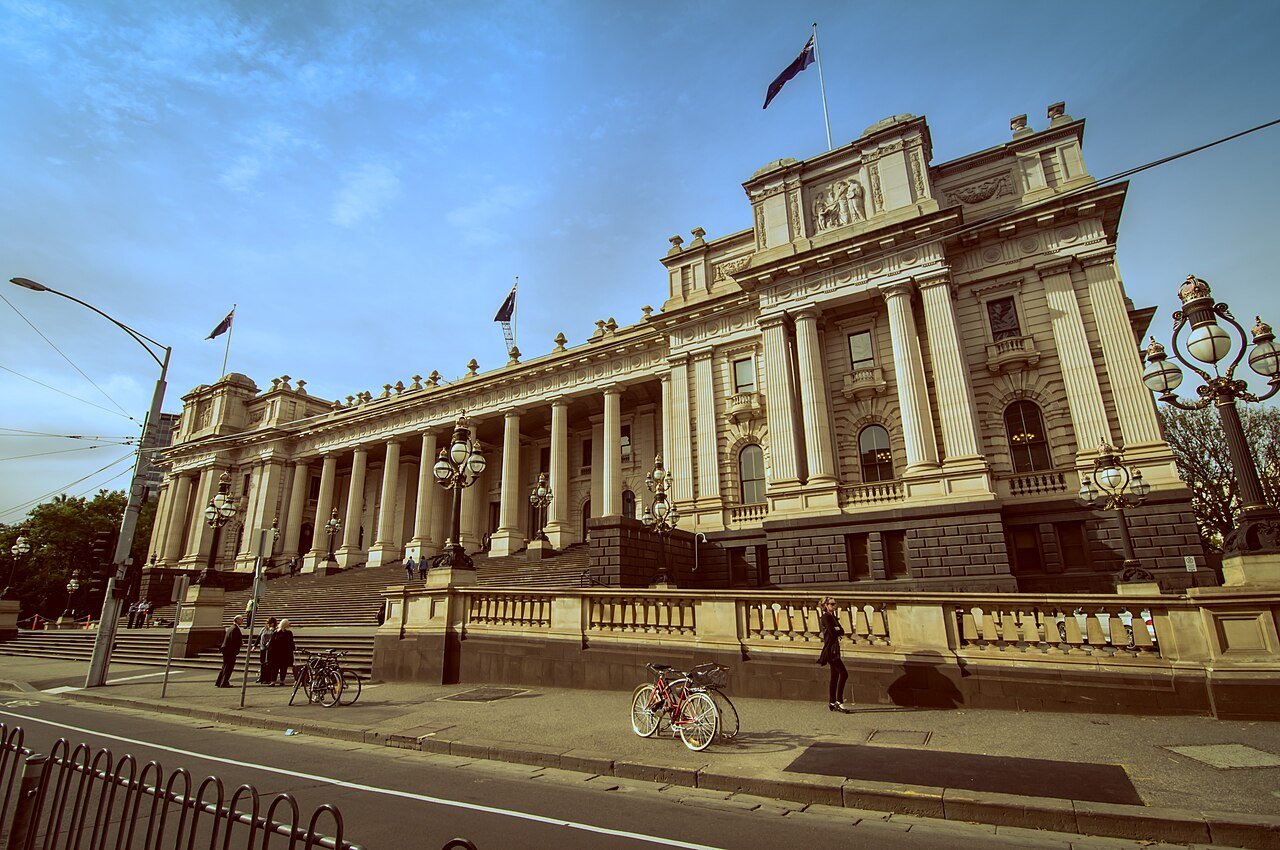
The collapse reached into Labor’s heartland. The Liberals took Frankston and Mordialloc in the south-east, Hastings on the Mornington Peninsula, Box Hill and Ringwood in the eastern suburbs, and South Barwon, a seat they had not won off Labor since the 1990s. Traditional Labor strongholds in the west and north — Point Cook, Sydenham, Werribee and Melton — fell as well.
The Greens’ Record Night — and One Nation’s Rise
The election also reshaped the rest of the parliament. The Greens secured a record seven seats in early projections, holding Brunswick, Richmond and Melbourne, taking Pascoe Vale and Preston off Labor and Prahran off the Liberals.
One Nation, the anti-immigration party founded by Pauline Hanson in 1997, was projected to win its first lower-house seat in Victoria, at Kalkallo, where Troy Steans unseated Labor’s Ros Spence on a swing of about 20.7 per cent. The party’s surge in the polls over the past year had been driven by frustration over housing costs, immigration and living standards, according to Reuters.
Hanson claimed credit before the count was done, saying the Liberals could not have won without her party’s support. But the Coalition’s majority was won on its own numbers, and One Nation’s projected single seat left it far short of the breakthrough some had predicted.
- Coalition: at least 49 seats projected (45 needed for a majority)
- Labor: down from 54 seats to single figures in projections
- Greens: six to seven seats, a record result
- One Nation: one seat projected, its first in the Victorian lower house
The Greens’ deputy leader, Sarah Mansfield, told the ABC there had been “a rejection of the two major parties, of the two-party system” — a warning for the winners as well as the losers.
What Drove the Result
The campaign was fought against the backdrop of cost-of-living pressure, housing costs and state debt. Wilson inherits what reports describe as Australia’s most indebted state, and the new government will face immediate questions about how it plans to repair the budget while delivering on its promises.
Labor’s primary vote of just over 18 per cent tells its own story. A government that had held power for 12 years lost the confidence of voters across the city and the regions at the same time, and the swing was large enough to sweep away seats Labor had held for decades.
The outgoing treasurer, Colin Brooks, also lost his seat of Bundoora to Liberal candidate Chris Parr on a swing of 16.1 per cent, underlining that the defeat reached the heart of the government’s senior ranks.
Counting Continues — but the Government Is Decided
Counting will continue through the weekend and into next week, with postal and pre-poll votes set to decide further seats. The final composition of the 88-member Legislative Assembly — and of the 40-member Legislative Council, where early counting projected about 10 seats for the Coalition, five for One Nation, four for Labor and three for the Greens — will not be known for several days.
What is decided is the government. The Coalition has won its majority, Carroll has conceded, and Wilson will be sworn in as premier once the Electoral Commission declares the official results.
After 12 years in opposition, the Coalition returns to power in Victoria. For Labor, the task now is choosing a new leader and rebuilding from one of the worst defeats in the party’s history in the state.
By The BNN Media
The Best News Network
News Beyond the Borders