
 By
Last Updated:
Inspired by Fatima Sana Shaikh’s first 10K running challenge? Here are five beginner-friendly running tips to build stamina, improve endurance and prepare for your first 5K or 10K


News18
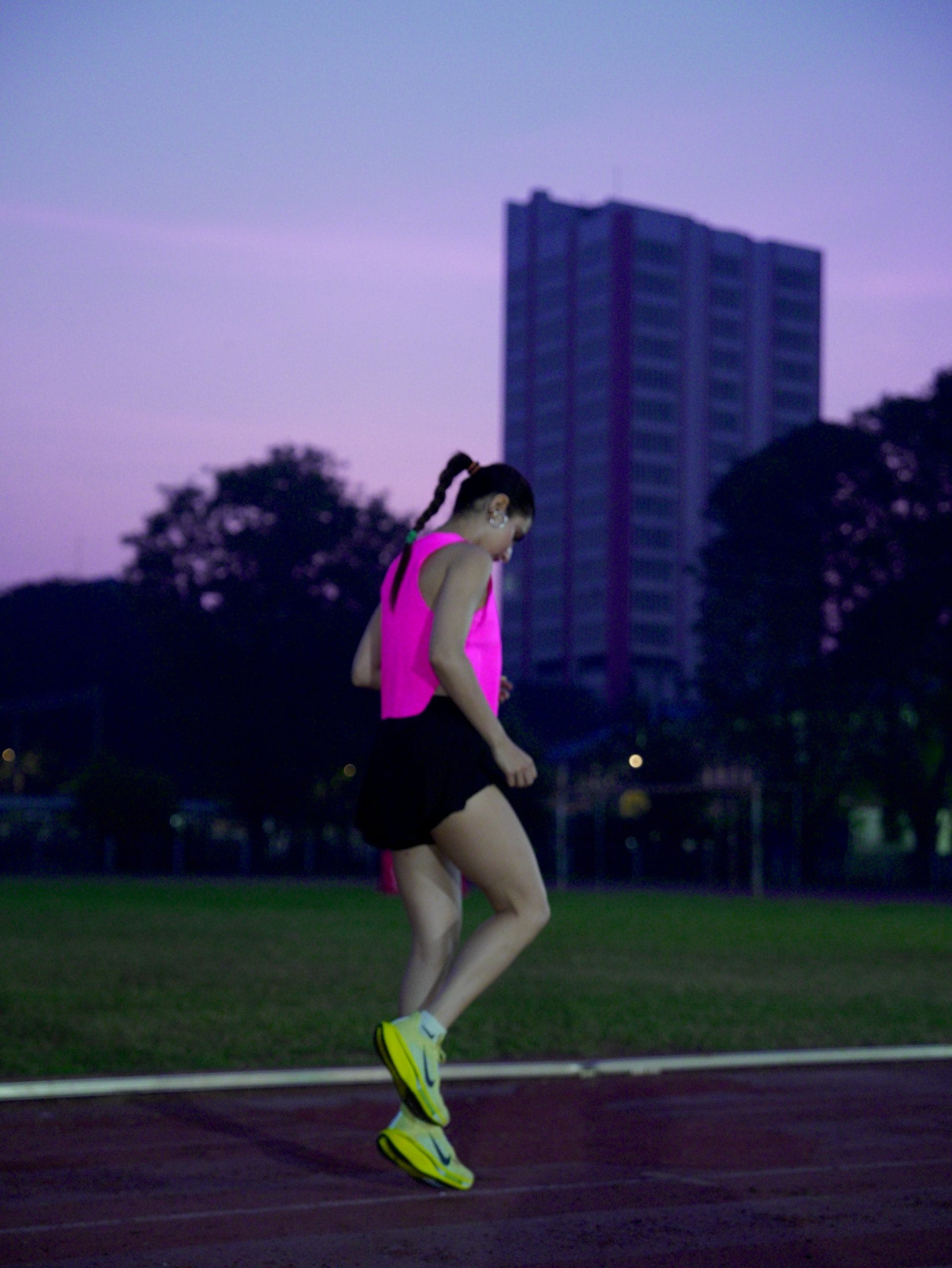
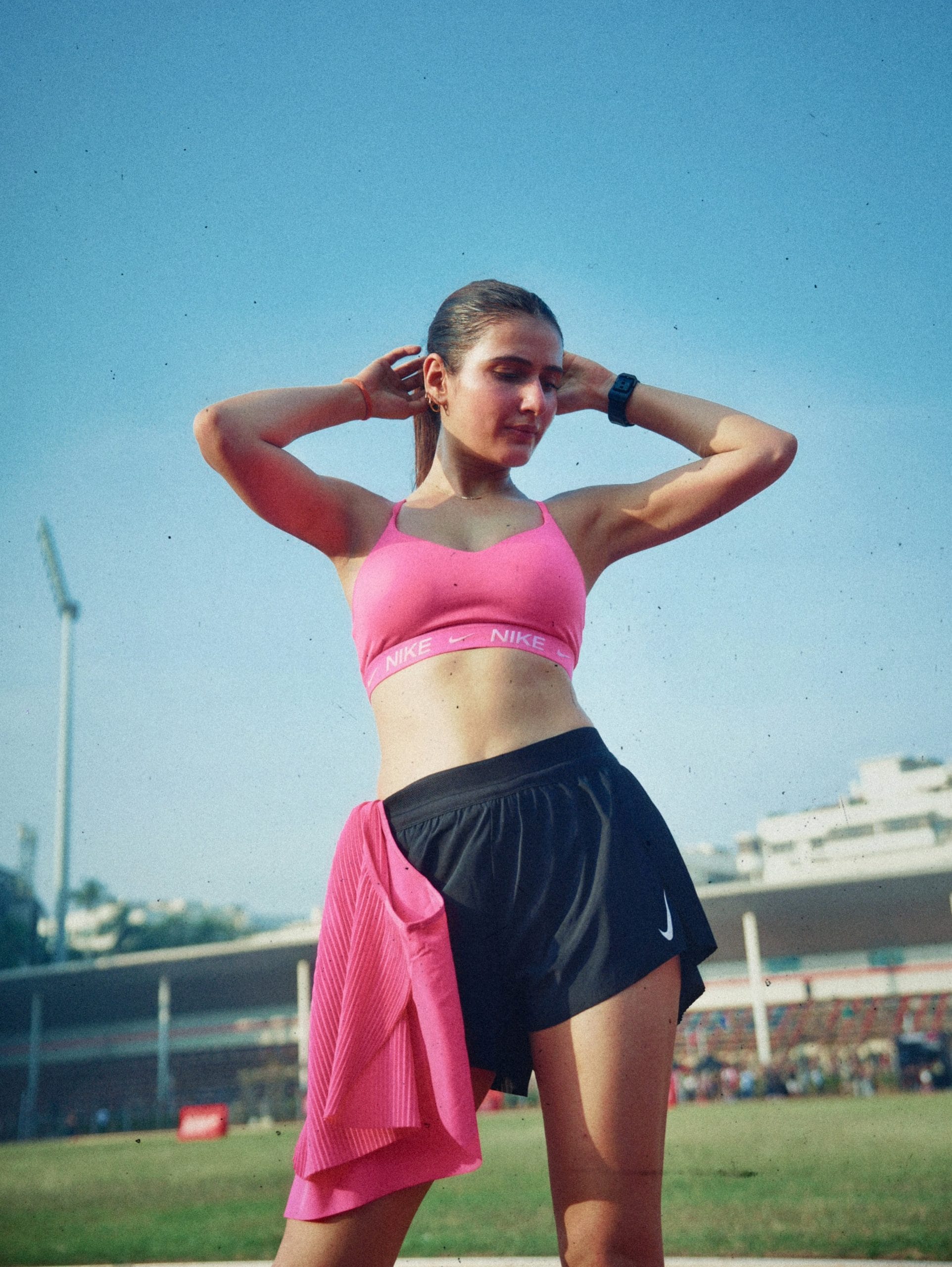
Actress Fatima Sana Shaikh is lacing up her running shoes for a new fitness challenge: her first 10K run. The actor recently shared a glimpse of her preparation on social media, admitting that she still has plenty of training ahead but is excited about taking on the challenge. With a touch of humour, she wrote that she was finally putting her years of “running away from things” to good use. Her update is a reminder that even fitness enthusiasts have to work towards building their stamina and endurance before taking on a long-distance run. If you have been thinking about starting your running journey but do not know where to begin, you do not need to jump straight into running several kilometres. A gradual approach, the right equipment and a consistent routine can help you build confidence.
Here are 5 beginner-friendly tips to get started.
1. Start With A Walk-Run Routine Instead Of Running Non-Stop
One of the biggest mistakes beginners make is trying to run continuously from their very first day. Your body needs time to get used to the physical demands of running, so begin by alternating short periods of jogging with walking. For instance, walk briskly for five minutes to warm up, jog for one minute and then walk for another one or two minutes. Repeat this cycle for around 20 to 25 minutes, depending on your comfort level. Gradually increase the jogging intervals as your stamina improves. The NHS Couch to 5K programme also follows this approach, building running time over nine weeks rather than expecting beginners to cover the distance immediately.
2. Set A Realistic Goal And Track Your Progress
Fatima is preparing for a 10K, but beginners do not need to make that their first target. Start with a smaller goal, such as completing a 20-minute walk-run session or running continuously for five minutes. Once you become comfortable, you can work towards completing your first 3K or 5K. Use a running app or smartwatch to track your time, distance and progress, but do not become obsessed with speed. Focus on building endurance and improving gradually. Having a realistic target can also make it easier to stay motivated when you are just starting out.
3. Invest In Comfortable Running Shoes And The Right Clothing
You do not need an expensive fitness wardrobe to begin running, but comfortable, supportive footwear is important. Choose running shoes that fit properly, provide adequate support and feel comfortable when you move. If possible, get your feet assessed at a specialist running store before purchasing a pair. Wear breathable clothing that allows you to move freely, and choose reflective details if you plan to run early in the morning or after sunset. Women should also consider a supportive sports bra for comfort. Avoid buying equipment simply because it is popular online; prioritise fit and function.
4. Build A Consistent Routine And Give Your Body Time To Recover
Running every day is not necessary when you are a beginner. Start with two or three sessions a week, leaving recovery days between runs. You can use these days for gentle walking, cycling, yoga or light strength training. Exercises that strengthen your legs, glutes and core can support your running and help improve overall fitness. Remember to warm up with a brisk walk and gentle dynamic movements before running, followed by a cool-down walk. If you experience persistent pain or unusual discomfort, take a break rather than trying to push through it. Consistency matters more than trying to do too much in the first week.
5. Pay Attention To Hydration, Food And Sleep
Running requires energy, so do not begin a new fitness routine while ignoring your everyday nutrition and recovery. Eat balanced meals that include carbohydrates for energy, protein for muscle repair and vegetables and fruits for essential nutrients. If you are running after a long gap between meals, a light snack such as a banana or a slice of toast may help. Drink water through the day and stay hydrated before and after your run, especially in warm weather. Getting adequate sleep is equally important because your body needs time to recover between training sessions. Avoid comparing your progress with someone else’s running journey; your pace and endurance will develop with time.
Quick Answers
 Ask News18
Fatima Sana Shaikh is training and lacing up her running shoes for her very first 10K run.
Ask News18About the Author

Abigail Banerji is a Senior Sub Editor with News18’s English desk. She brings 6 years of experience across both print and digital newsrooms, spanning editorial planning, reportage, copy editing, conte…Read More
November 17, 2026, 18:27 IST