By
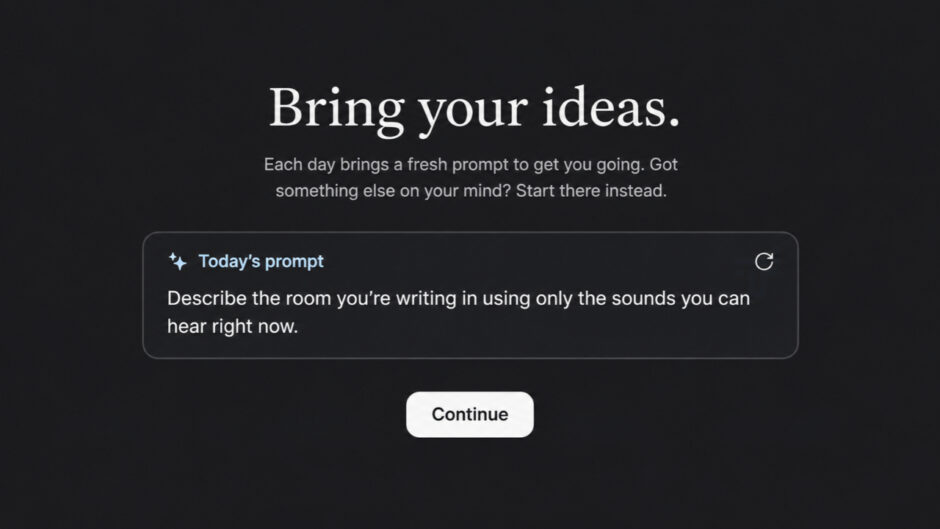
Medium launched a new app called TK on Monday. It puts an AI assistant directly inside the writing editor, allowing users to summon help by typing “@TK” followed by a request. The app is free for anyone with a Medium account and available on the web at launch. A desktop version is on the roadmap.
The name borrows from a well-known publishing convention. In journalism, “TK” serves as a placeholder meaning “to come.” Writers use it to mark spots where missing information needs filling in later. The unusual letter pairing stands out in text, making it easy for editors and proofreaders to catch before publication. In Medium’s app, TK takes on a new role by attempting to fill those blanks with AI assistance.
The AI features cover several practical writing needs. Users can ask quick research questions without switching tabs. They can pull in bits of earlier writing saved inside the app. TK also ships with specific editorial skills, including headline feedback and style guide matching for Medium publications. Additionally, the app can connect to a user’s own AI agent through an MCP server or Claude skill. This connection lets TK draw on the agent’s memory of the user’s projects, positions, and ideas.
Beyond AI, TK includes a social layer for human feedback. Writers can share early drafts with others and collect responses before publishing. The app imports and exports Markdown but does not function as a Markdown editor itself. Writing inside TK is not encrypted, since the app prioritizes collaboration. However, users can set access control permissions on their work.
The launch arrives at a tense moment for AI in publishing. Multiple authors have lost book deals over suspicions of AI-assisted writing in recent months. A Canadian publisher ended its relationship with an author over AI concerns. Literary awards have also faced scrutiny after winners drew accusations of writing with AI help. The debate centers on where assistance ends and authorship begins. Critics argue that an AI assistant’s editorial suggestions can effectively become the writing itself.
Medium is taking the opposite side of that argument. The company declared that AI makes writing more important, not less. It also called AI a technology that amplifies human intelligence using the written word as its foundation. However, Medium also acknowledged the risks. Low-quality content and blurred lines between human and AI writing remain real concerns.
To address those concerns, TK includes a transparency feature. Authors can publish notes explaining exactly how AI contributed to their writing. Medium described this as a first step toward making the provenance of writing clear and inspectable in the AI era. That includes showing the prompting and source material behind AI-assisted sections.
For Medium, TK represents a bet that transparency can resolve the AI writing controversy better than prohibition. Whether the publishing world agrees remains an entirely separate question. Authors who have lost careers over AI suspicion may find little comfort in a disclosure label. Meanwhile, writers who already use AI tools privately now have a platform that openly supports the practice.