 By
More than $12 billion from Venezuelan oil, gold and minerals passed through a US Treasury account in the first nine months of 2026 — and almost 99 per cent of it was sent back. A 53-page report now sets out where the money went, and what it does not explain.
By Muhammad Noman
Journalist | The BNN Media – The Best News Network
News Beyond the Borders
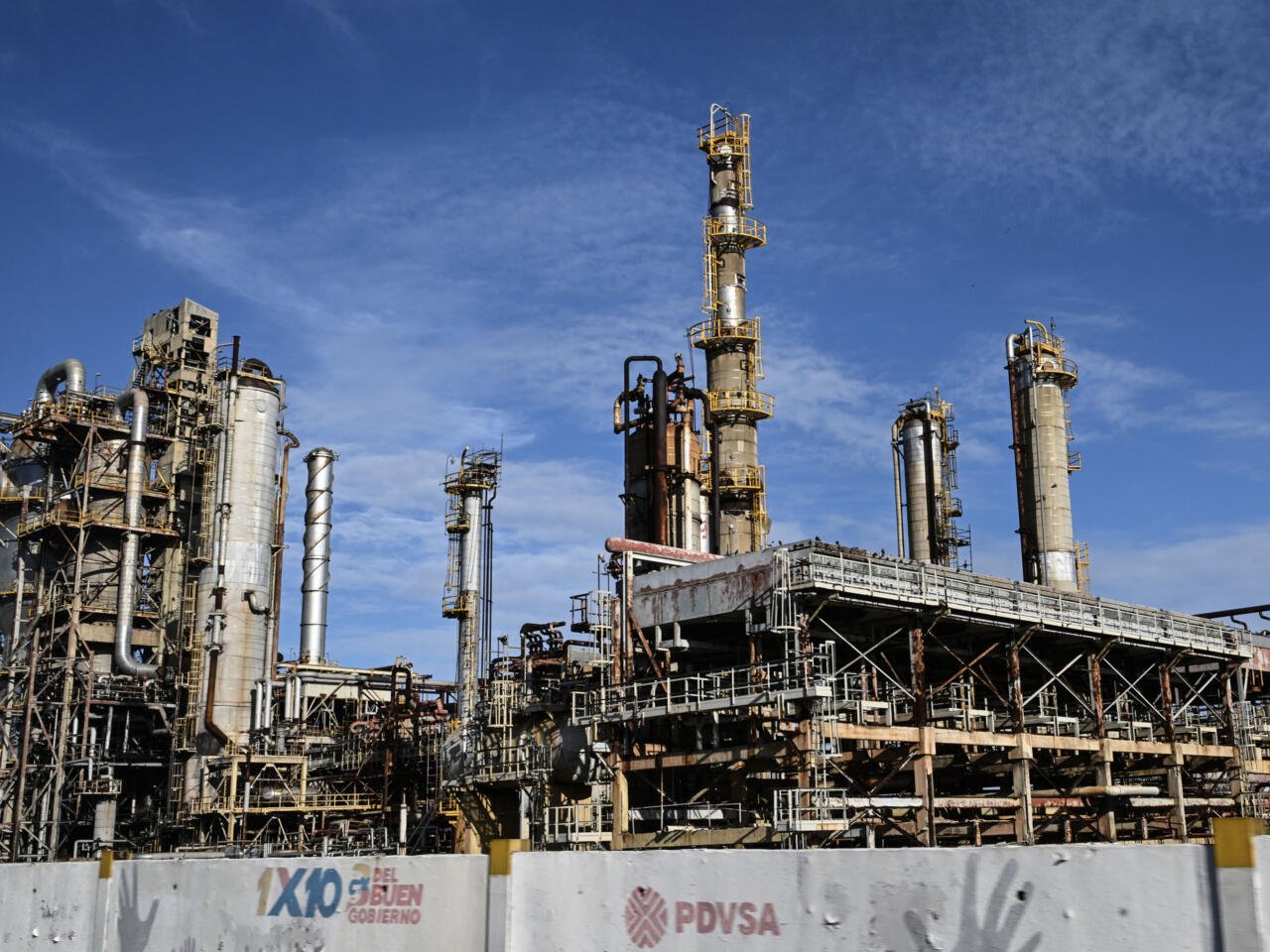
WASHINGTON, United States — The United States handled more than $12 billion of Venezuela’s oil revenues in the first nine months of this year, according to a report made public by the State Department on Thursday, 12 November, in an arrangement established after President Donald Trump’s administration seized then-President Nicolás Maduro in January. The 53-page report, prepared by the accounting firm KPMG and dated 29 October, sets out how funds were deposited into a US Treasury account by buyers of Venezuelan oil and other natural resources, and released to the interim government in Caracas.
What the Report Counts
The report — formally titled the Report on Venezuela Custody Account Operations — covers flows into and out of US-controlled accounts between 3 January and 30 September 2026. In that period, $12.26 billion was deposited:
- More than $12.1 billion from the sale of oil, other petroleum-based products and natural gas
- $108 million from sales of gold
- $22 million from minerals
- $24.6 million from fertiliser
Of that total, $12.11 billion — nearly 99 per cent — was disbursed, leaving $168.6 million in the account at 30 September, the end of the 2026 budget year. The report was transmitted to Congress in early November, and its details were first reported by the New York Times on Tuesday, 10 November.
“The report shows the process is working,” a State Department official said in comments issued anonymously. “In its first nine months, the account has supported the use of Venezuela’s oil and other natural resource revenues for essential public services, macroeconomic stability, and the rebuilding of key sectors such as energy, healthcare, and infrastructure.”
Nearly every dollar that went in went back out. The argument now is over what the ledger leaves out.
Where the Money Went
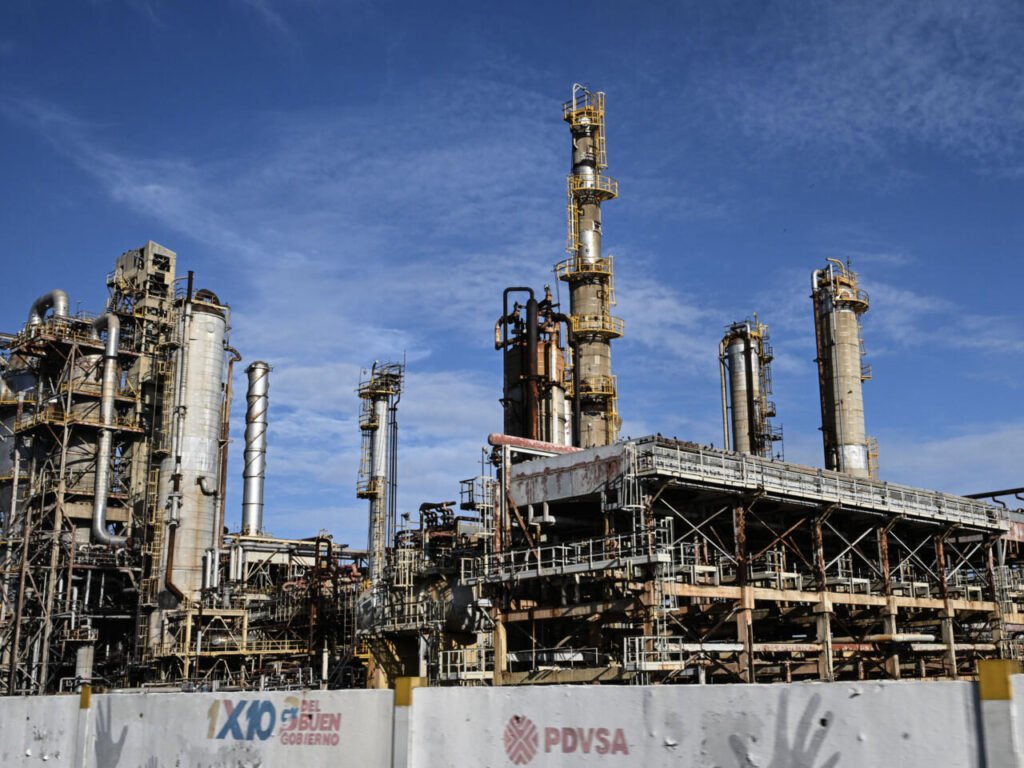
Most of the disbursed money — about $11.7 billion — went to foreign exchange auctions run by Venezuela’s commercial banks, in effect to prop up the bolívar, the national currency. A further $133 million went directly to vendors for services provided to the Venezuelan government.
The report gives some detail on those vendor payments: $5 million for the Miami-based law firm Greenberg Traurig, nearly $24 million for dialysis and coal-mining equipment, and $8.7 million to settle Venezuela’s debts for vaccine procurements with the Pan-American Health Organisation. Overall, the report says, approximately $9.4 billion went to “legal entities” and $2.9 billion to “individuals” — without naming them.
On ownership, the report is explicit: “The funds remain sovereign property of Venezuela” but are “held pending disposition for public, governmental, or diplomatic purposes” as determined by US Secretary of State Marco Rubio. The document itself states the money is “held and managed exclusively for the benefit of the Venezuelan people”.
The Account Behind the Numbers
The arrangement — the Venezuela Custody Account — was created days after the 3 January operation in which US forces seized Maduro and his wife and flew them to the United States to face drug-trafficking charges. Buyers of Venezuelan crude pay into US Treasury-controlled accounts, and the money is released to Venezuela’s central bank only after review and approval by the Treasury and State Departments.
The account was initially set up at the Qatar National Bank in January and moved to Citibank in New York later that month. At a White House meeting with oil company leaders on 9 January, President Trump announced an executive order, Safeguarding Venezuelan Oil Revenue for the Good of the American and Venezuelan People, and said Venezuela had already handed over 30 million barrels of previously sanctioned oil — “about $4 billion worth” — that was on its way to the United States.
The money flows month by month through the report’s own table: $500 million in January, $1 billion in February, $1.5 billion in March and $2.1 billion in April, peaking at $2.44 billion in May, then falling to $921 million in July, $1.02 billion in August and $1.36 billion in September. Venezuela’s oil output has climbed above 1.2 million barrels a day.
Who Bought the Oil
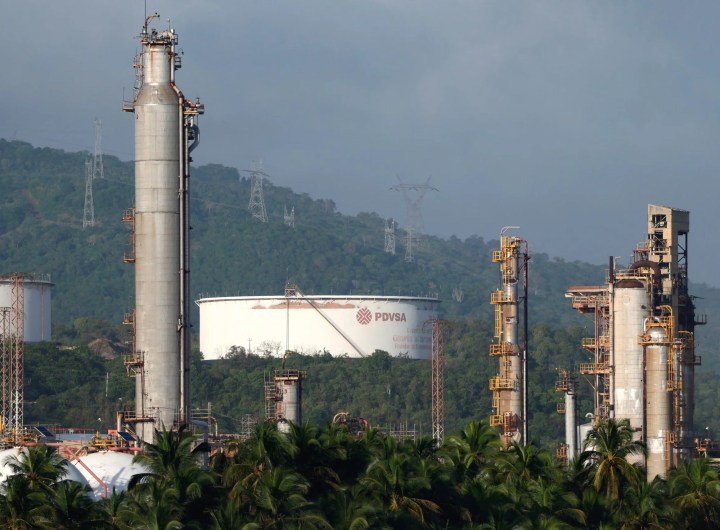
The State Department redacted the names of the 20 companies that purchased oil and gold during the first nine months of 2026 in the publicly released version of the report. The New York Times reported that the majority came from commodity giants Trafigura and Vitol, which together accounted for 61 per cent of deposits and were awarded special licences to sell Venezuela’s oil shortly after the 3 January operation. Reuters reported that a Vitol gasoline trader’s ties to Vice President JD Vance helped the company secure its licence.
Each buyer had to go through vetting by the US government for compliance with sanctions and money-laundering controls — a sharp break from past practice, when Venezuela’s government faced little scrutiny in the management of its oil funds.
The interim government in Caracas — led by acting President Delcy Rodríguez, who took over after Maduro’s capture — has worked closely with Washington ever since. Rodríguez has pushed through overhauls of the oil and mining laws to open both sectors to foreign investors, and Rubio said in October that her government had met its commitments so far under his three-phase plan for Venezuela.
What the Report Does Not Answer
For all its detail, the report is a ledger of the money Washington chose to route through its own account — not a full account of Venezuela’s oil income. It does not say how much the crude earned in total, it names none of the buyers, and it offers little evidence that the dollars improved life for Venezuelans rather than the balance sheets of importers.
Independent estimates put the gap in the billions. Venezuelan economist José Guerra puts it at more than $8 billion: the report’s $12.26 billion in deposits over nine months sits well below independent estimates of the country’s oil export earnings alone. Venezuela booked $18.2 billion in oil revenue in 2025, under sanctions, lower prices and a US naval blockade.
- $12.26 billion deposited into the custody account, 3 January – 30 September 2026
- $12.11 billion disbursed — nearly 99 per cent
- $168.6 million remaining in the account at 30 September
- 20 depositors, names redacted; Trafigura and Vitol reported to account for 61 per cent
- $11.7 billion channelled through foreign exchange auctions; $133 million paid directly to vendors
The politics are moving, too. Democrats, who won both chambers of Congress in last week’s midterm elections, have promised closer scrutiny of the oil arrangements the Trump administration reached with Rodríguez’s government. Congress first asked for this accounting months ago; the report’s arrival is unlikely to end the questions about it.
The report proves the money moved — $12.26 billion in, $12.11 billion out. What it does not prove is where, in the end, it all landed.
By Muhammad Noman
Journalist | The BNN Media – The Best News Network
News Beyond the Borders