
 By
The Muttahida Qaumi Movement-Pakistan has demanded a referendum in December on the creation of new provinces in Pakistan, escalating a row inside the ruling coalition that has already seen the party threaten to quit the government over what it calls the failure to deliver on promises made to Karachi and urban Sindh.
By The BNN Media
The Best News Network
News Beyond the Borders
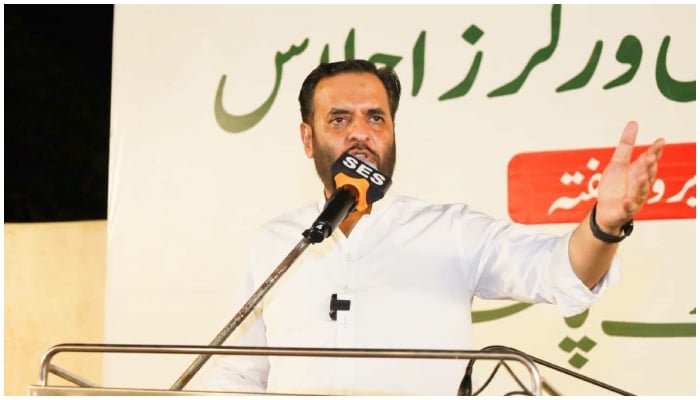
KARACHI, Pakistan — The Muttahida Qaumi Movement-Pakistan (MQM-P) has demanded a referendum in December on the creation of new provinces in Pakistan, escalating a row inside the ruling coalition that has already seen the party threaten to quit the government. MQM-P leader Dr Khalid Maqbool Siddiqui said the party wants the people of Sindh to decide whether new administrative units should be carved out of the province, a demand that has put fresh strain on the coalition led by the Pakistan Muslim League-Nawaz (PML-N).
What MQM-P Wants
The MQM-P has long advocated for the creation of new provinces, arguing that Pakistan’s existing provinces are too large to govern effectively and that smaller units would bring government closer to the people. The party’s latest demand is for a referendum to be held in December, in which voters in Sindh would be asked whether they support the creation of new provinces.
Dr Siddiqui said the referendum should be held alongside any local government elections, and that the results should be binding on the federal and provincial governments. He argued that the demand for new provinces is not about ethnicity or language, but about administrative efficiency and better governance.
The demand is not new — but the deadline is. December gives the coalition weeks, not months, to respond.
The Coalition Row
The demand has deepened a row inside the ruling coalition. The MQM-P is a key coalition partner, and its support is important for the government’s majority in the National Assembly. But the party has grown increasingly frustrated with what it sees as the government’s failure to deliver on promises made to Karachi and urban Sindh.
The MQM-P has accused the government of failing to address the city’s water crisis, its deteriorating infrastructure and the lack of local government powers. The party has also complained that the 27th Constitutional Amendment, which was passed recently, did not address its concerns about provincial autonomy and the distribution of resources.
The coalition’s survival may depend on whether the government can find a way to accommodate the MQM-P’s demands without alienating its other partners.
The 27th Amendment and the Provinces Debate
The debate over new provinces comes against the backdrop of the 27th Constitutional Amendment, which was passed by Parliament in November 2026. The amendment made significant changes to the Constitution, including changes to the appointment of judges and the structure of the armed forces.
The MQM-P had sought the inclusion of provisions on new provinces in the amendment, but its proposals were not accepted. The party has said it will continue to push for the creation of new provinces through other means, including the December referendum it is now demanding.
The 27th Amendment is law. The provinces debate is not over.
The Politics of New Provinces
The creation of new provinces is one of the most sensitive issues in Pakistani politics. The demand for a separate province in southern Punjab, to be called Saraikistan or South Punjab, has been a longstanding demand of the Pakistan Peoples Party (PPP) and others. The MQM-P’s demand for new provinces in Sindh is equally contentious, with the PPP — which governs Sindh — firmly opposed to any division of the province.
The PPP has said it will not accept any move to divide Sindh, and has accused the MQM-P of trying to create divisions along ethnic lines. The MQM-P has rejected that charge, saying its demand is about governance, not ethnicity.
What Happens Next
The MQM-P has given the government until December to announce a referendum on new provinces. If the government does not respond, the party has threatened to reconsider its position in the coalition — a move that could destabilise the government.
The government has not yet responded formally to the demand. But with the MQM-P’s support important for the coalition’s majority, the coming weeks are likely to see intense negotiations behind the scenes.
December is the deadline the MQM-P has set. Whether the government meets it — or calls the party’s bluff — will shape the coalition’s future.
By The BNN Media
The Best News Network
News Beyond the Borders
Sources: Dawn; Associated Press; The True Post.
