 By
Seven in ten children under five who contract Ebola in the Democratic Republic of Congo’s current outbreak have died, according to UNICEF data, as the virus continues to spread through Bunia and Beni in the east of the country — with the overall case fatality rate now standing at 70 percent for children under five.
By The BNN Media
The Best News Network
News Beyond the Borders
KINSHASA, Democratic Republic of Congo — Seven in ten children under five who contract Ebola in the Democratic Republic of Congo’s current outbreak have died, according to UNICEF data through 4 November 2026, as the virus continues to spread through Bunia and Beni in the east of the country. The overall case fatality rate for children under five now stands at 70 percent — a devastating figure that has prompted urgent calls for more resources to protect the youngest and most vulnerable.
The Outbreak So Far
The current Ebola outbreak was declared on 4 September 2026 in Bulape, in the Kasai province of the Democratic Republic of Congo. Since then, the virus has spread to Bunia and Beni, two cities in the east of the country that have been at the centre of previous Ebola outbreaks.
As of 4 November 2026, UNICEF reported 61 confirmed cases of Ebola in the Democratic Republic of Congo, with 43 deaths — a case fatality rate of 70 percent. The outbreak has affected 12 health zones across the country, with Bunia and Beni accounting for the majority of cases.
The outbreak is not yet under control, and the numbers are still rising.
A Devastating Toll on Children
Children have been hit hardest by the outbreak. UNICEF data shows that children under five account for a significant proportion of cases, and their case fatality rate is far higher than the overall rate.
Of the 61 confirmed cases, 14 were children under five. Of those 14 children, 10 have died — a case fatality rate of 71.4 percent, which UNICEF has rounded to “seven in ten.” The figure is a stark reminder of how vulnerable young children are to Ebola, which causes severe fever, vomiting, diarrhoea and internal bleeding.
Seven in ten children under five who catch Ebola in this outbreak do not survive.
Why Children Are So Vulnerable
Young children are particularly vulnerable to Ebola for several reasons. Their immune systems are still developing, making it harder for them to fight off the virus. They are also more likely to become dehydrated from vomiting and diarrhoea, which are common symptoms of Ebola.
In addition, children in Bunia and Beni often live in crowded conditions with limited access to clean water and sanitation, which increases their risk of exposure to the virus. Many children in the region are also malnourished, which weakens their immune systems and makes them more susceptible to severe disease.
The combination of a developing immune system, poor nutrition and crowded living conditions makes young children the most vulnerable group in any Ebola outbreak.
The Response
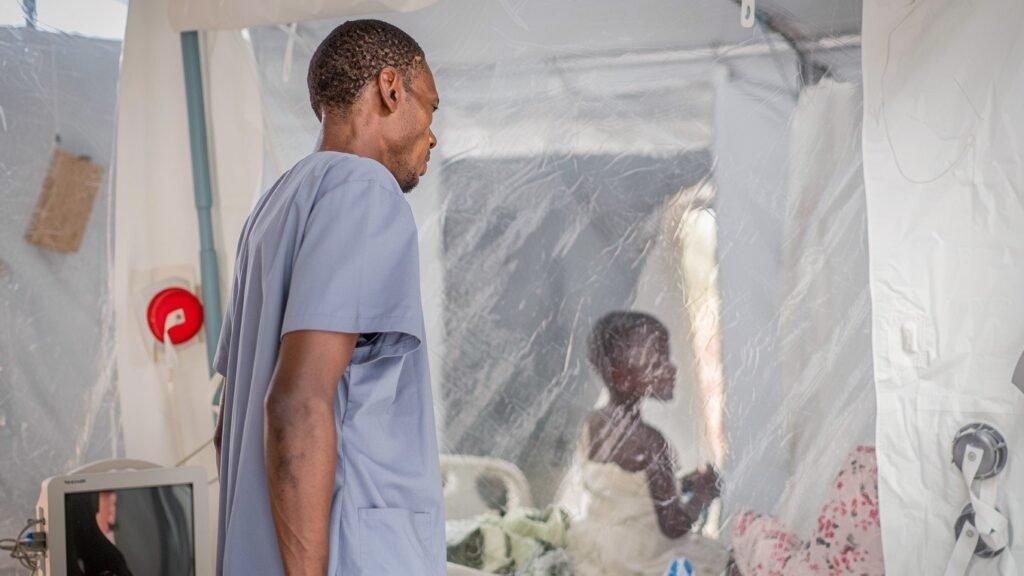
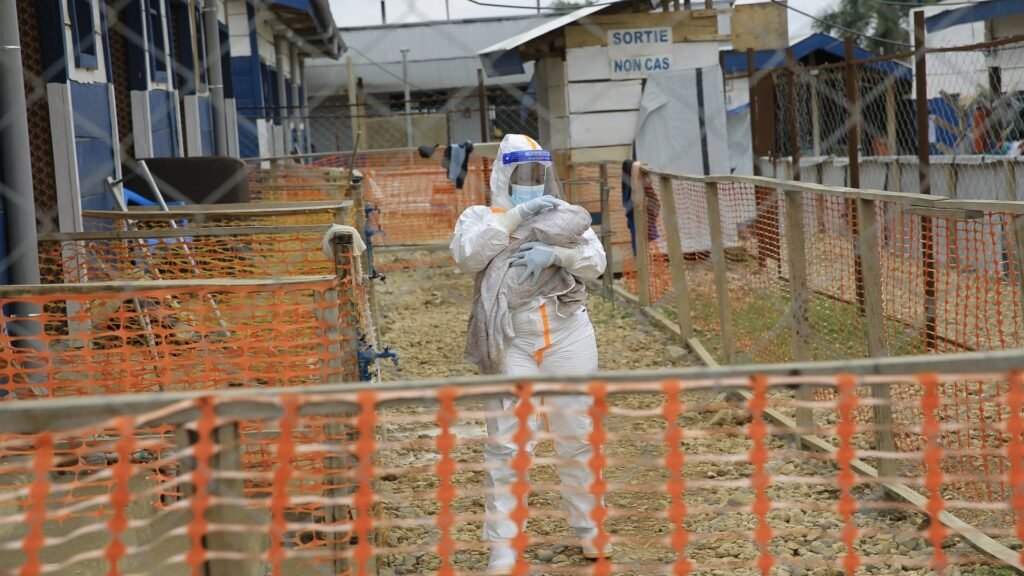
The response to the outbreak has been swift but challenging. The World Health Organization (WHO) has deployed teams to Bunia and Beni to support the local health authorities, and has set up Ebola treatment centres in both cities.
Vaccination is a key part of the response. The WHO has approved the use of the rVSV-ZEBOV vaccine, which has been shown to be highly effective in preventing Ebola. As of 4 November, more than 3,000 people had been vaccinated in Bunia and Beni, including health workers and contacts of confirmed cases.
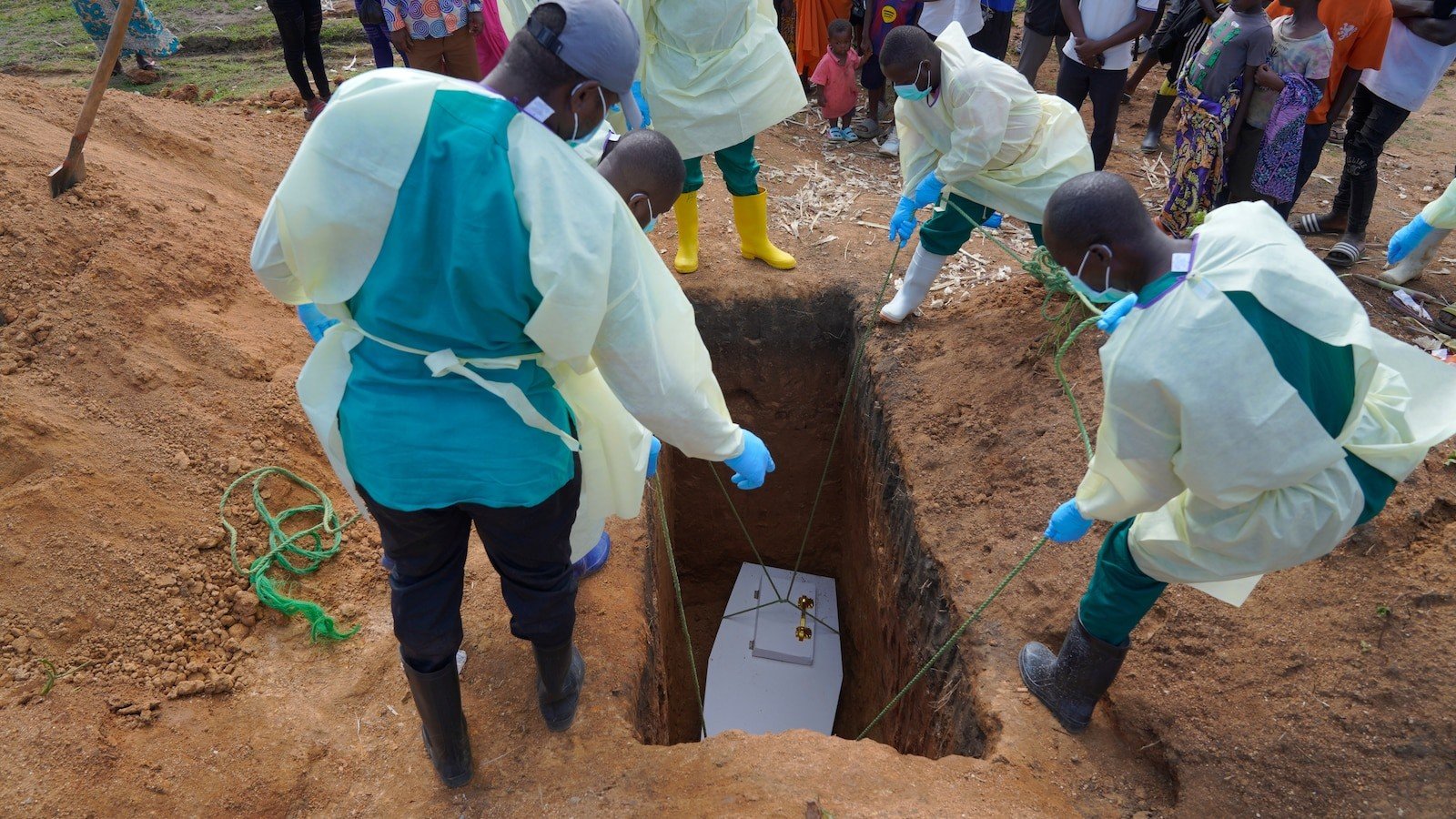
However, the response faces significant challenges. Bunia and Beni are in a region affected by ongoing conflict, which makes it difficult for health workers to reach affected communities. There are also concerns about community resistance to vaccination and to safe burial practices, which are essential to stopping the spread of the virus.
The response is underway, but the challenges are formidable.
The Bigger Picture
The current outbreak is the 16th Ebola outbreak in the Democratic Republic of Congo since the virus was first identified in 1976. The country has more experience with Ebola than any other nation, but each outbreak brings new challenges.
The 2018–2020 Ebola outbreak in the eastern Democratic Republic of Congo was the second-largest in history, with 3,470 cases and 2,287 deaths. That outbreak was declared over in June 2020, but the virus has returned several times since then.
The Democratic Republic of Congo has faced Ebola before and beaten it. But this outbreak is testing the country’s health system once again.
What Needs to Happen
UNICEF has called for urgent action to protect children from Ebola. The agency is calling for more funding for the response, for more health workers to be deployed to affected areas, and for more support for communities affected by the outbreak.
UNICEF is also calling for better access to clean water and sanitation in Bunia and Beni, and for more support for children who have lost parents to Ebola. The agency estimates that more than 1,000 children have been orphaned by the outbreak so far.
The children of Bunia and Beni need help now — not in weeks or months, but today.
By The BNN Media
The Best News Network
News Beyond the Borders
Sources: UNICEF; World Health Organization; Médecins Sans Frontières.