 By
France’s cost-of-living protest movement entered a new phase on Tuesday as a nationwide public-sector strike drew smaller crowds than the autumn’s earlier mass marches, while the Interior Ministry said more than 15,000 people have now been detained since the unrest began — including 2,661 minors — and the government moved to ban the sale of fireworks ahead of planned Yellow Vest actions this weekend.
By The BNN Media
The Best News Network
News Beyond the Borders
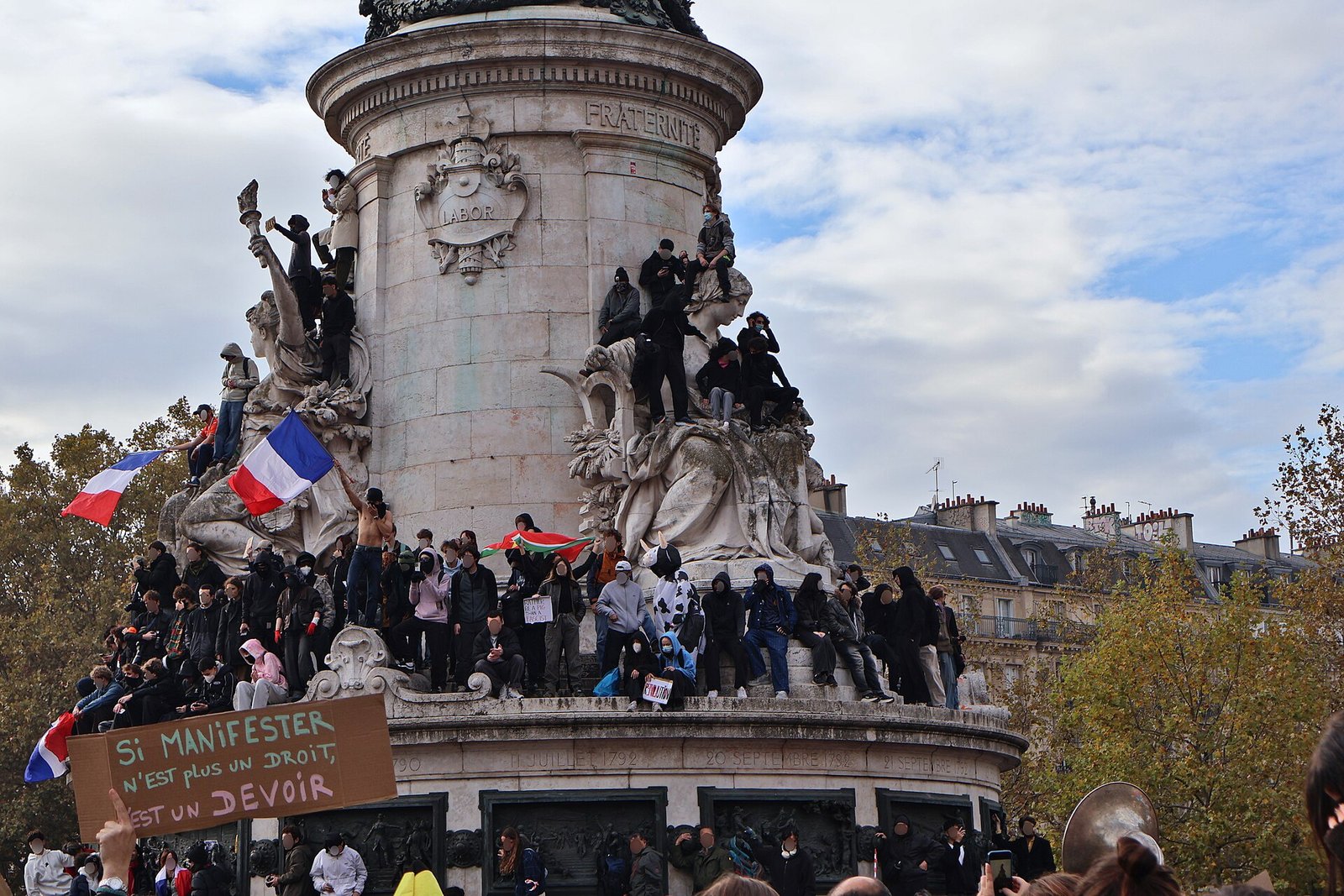
PARIS, France — France’s cost-of-living protest movement entered a new phase on Tuesday, 17 November, as a nationwide public-sector strike drew smaller crowds than the autumn’s earlier mass marches, while the Interior Ministry said more than 15,000 people have now been detained since the unrest began — including 2,661 minors. The government has also moved to ban the sale of fireworks ahead of planned Yellow Vest actions this weekend, as the movement that began in September shows signs of both fatigue and fragmentation.
A Quieter Tuesday
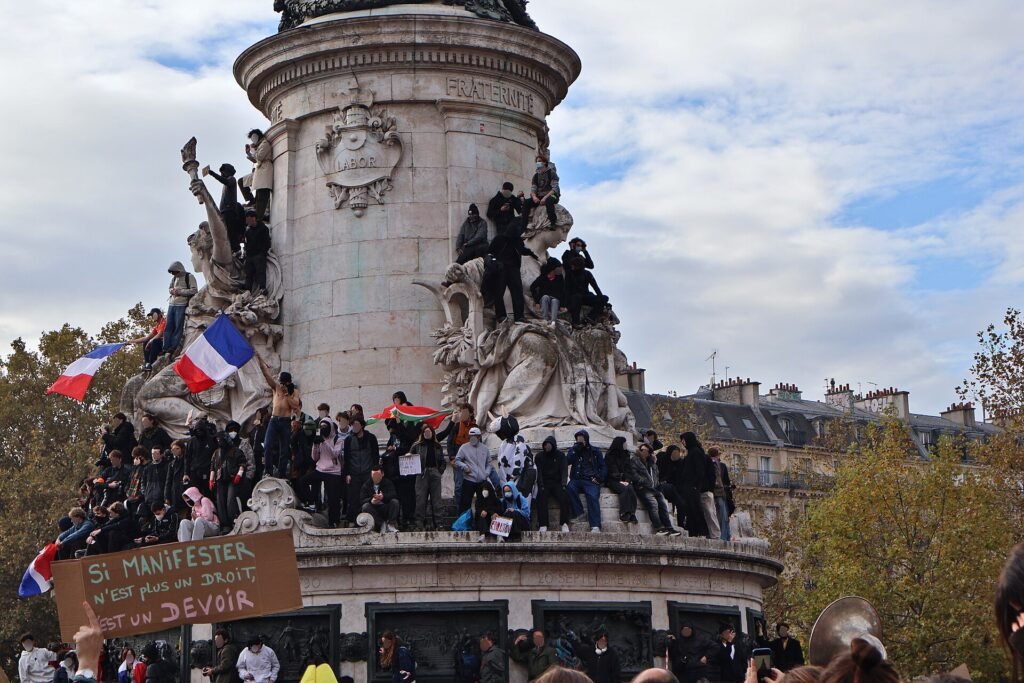
Tuesday’s strike was called by the CGT, France’s largest trade union confederation, along with other public-sector unions, to protest against the government’s budget plans and the rising cost of living. The action affected schools, hospitals, public transport and local government services across the country.
Turnout was markedly lower than the movement’s peak. The Interior Ministry put the number of demonstrators at 550,000 nationwide on 17 October — the last comparable day of action — while the CGT claimed far higher figures. On Tuesday, the crowds were smaller still, with unions acknowledging that the momentum of the autumn’s mass marches has faded.
The numbers tell a story of a movement that has not been defeated — but is losing its mass.
15,000 Detained
The Interior Ministry said on Tuesday that more than 15,000 people have been detained since the protest movement began in September, including 2,661 minors. The figures were released by Interior Minister Bruno Retailleau, who has taken a hard line on the unrest.
The detentions include people arrested during demonstrations, during blockades of roads and roundabouts, and during overnight disturbances in several cities. The ministry said the majority of those detained were released without charge, but a significant number face prosecution for offences including damage to property, violence against police officers and participation in unauthorised gatherings.
Fifteen thousand detentions in two months is an extraordinary figure for a protest movement in a Western democracy.
A Movement Losing Steam — or Changing Shape?
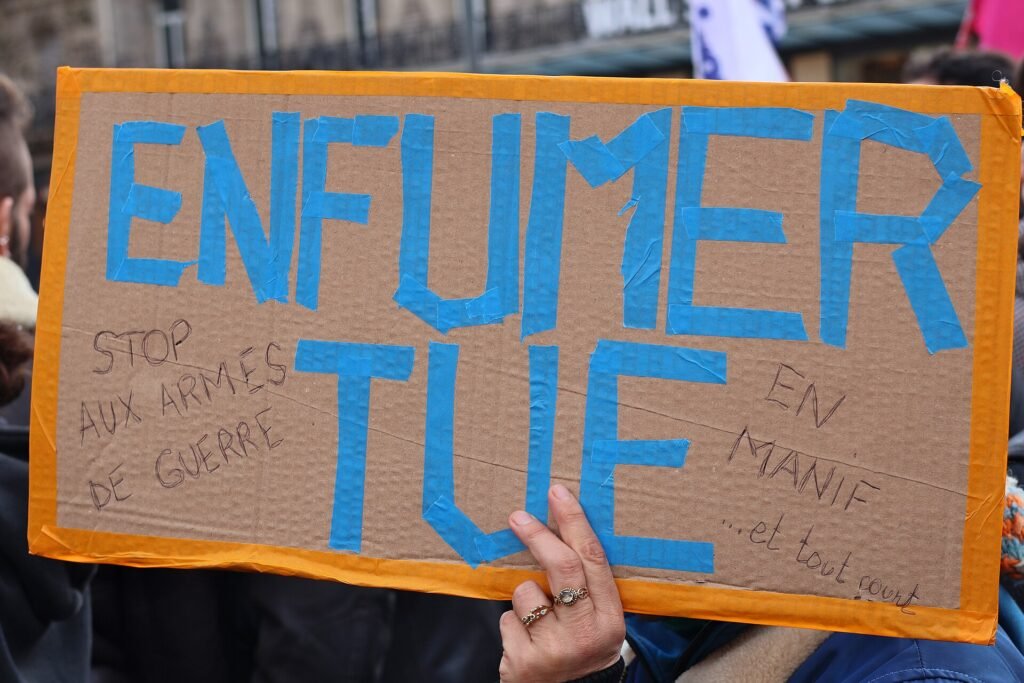
The falling turnout and the rising detention figures point to a movement at a crossroads. The protests began in September as a broad coalition against the cost of living, bringing together trade unions, the Yellow Vest movement, students and pensioners. At their peak, they drew hundreds of thousands of people onto the streets of Paris and other major cities.
Since then, the movement has fragmented. The trade unions have focused on sectoral strikes and negotiations with the government, while the Yellow Vests have returned to their roots: decentralised actions, road blockades and weekend demonstrations. The two wings of the movement now barely coordinate.
The government, for its part, has combined concessions with repression. It has announced measures to help households with energy costs and has opened negotiations with the unions on public-sector pay. At the same time, it has maintained a heavy police presence at demonstrations and has moved to ban the sale of fireworks — a staple of Yellow Vest protests — ahead of this weekend’s planned actions.
The Government’s Response
Interior Minister Bruno Retailleau, known for his hardline stance on law and order, has defended the police response. He said the detentions were necessary to maintain public order and to prevent the kind of violence that marred some of the early protests.
The government has also announced a ban on the sale of fireworks, effective immediately, in an effort to prevent their use as projectiles during demonstrations. The ban covers the period up to and including the weekend of 21–22 November, when Yellow Vest groups have called for nationwide actions to mark the anniversary of the movement’s founding in 2018.
The fireworks ban is a small measure, but it signals the government’s determination to control the streets this weekend.
What Happens Next
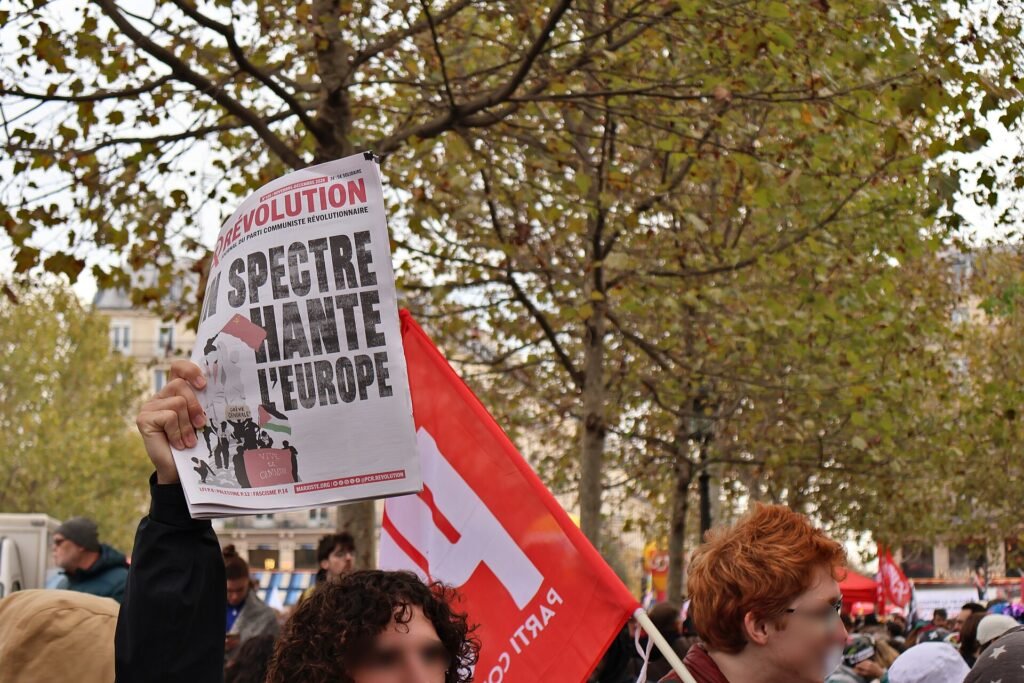
The movement’s future is uncertain. The trade unions have called for further strikes in December, while the Yellow Vests have planned a sixth consecutive Saturday of action on 21 November, followed by further actions on 20–22 November.
Whether the movement can regain its early momentum depends on several factors: the outcome of the government’s budget negotiations, the level of public support for the protests, and the ability of the unions and the Yellow Vests to coordinate their actions.
For now, the streets of Paris are quieter than they were in October. But the grievances that brought hundreds of thousands of people onto the streets — the rising cost of living, stagnant wages and a sense that the government is out of touch — have not gone away.
The protests may be smaller, but the anger that drives them has not diminished.
By The BNN Media
The Best News Network
News Beyond the Borders
Sources: France 24; Le Monde; The Guardian; Reuters.