 By
Leaders of the world’s biggest economies have gathered in Johannesburg for the first G20 summit ever held on African soil, with South Africa pressing the case for disaster relief, debt sustainability, a just energy transition and critical minerals — and with the United States absent from the table.
By The BNN Media
The Best News Network
News Beyond the Borders
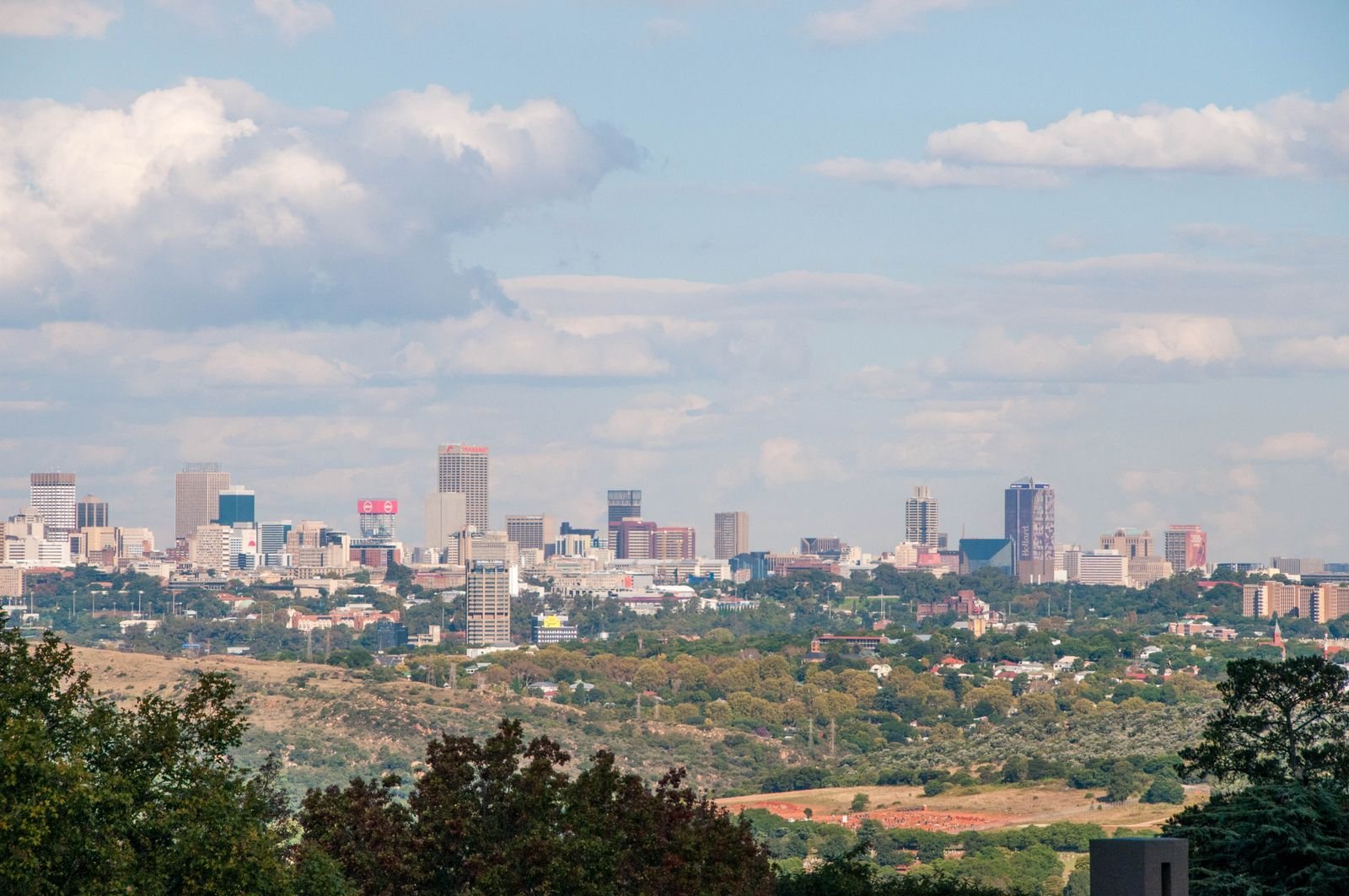
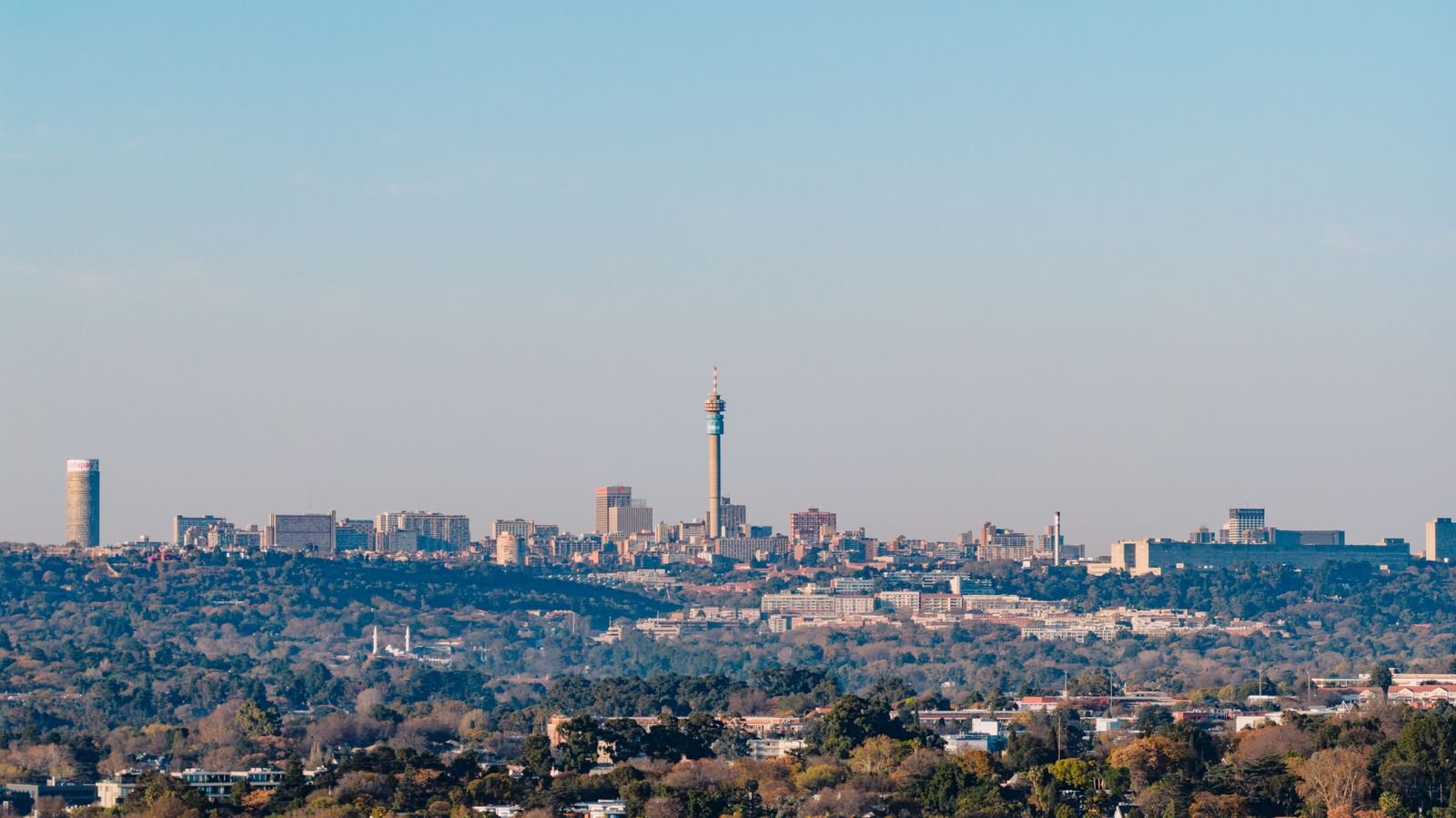
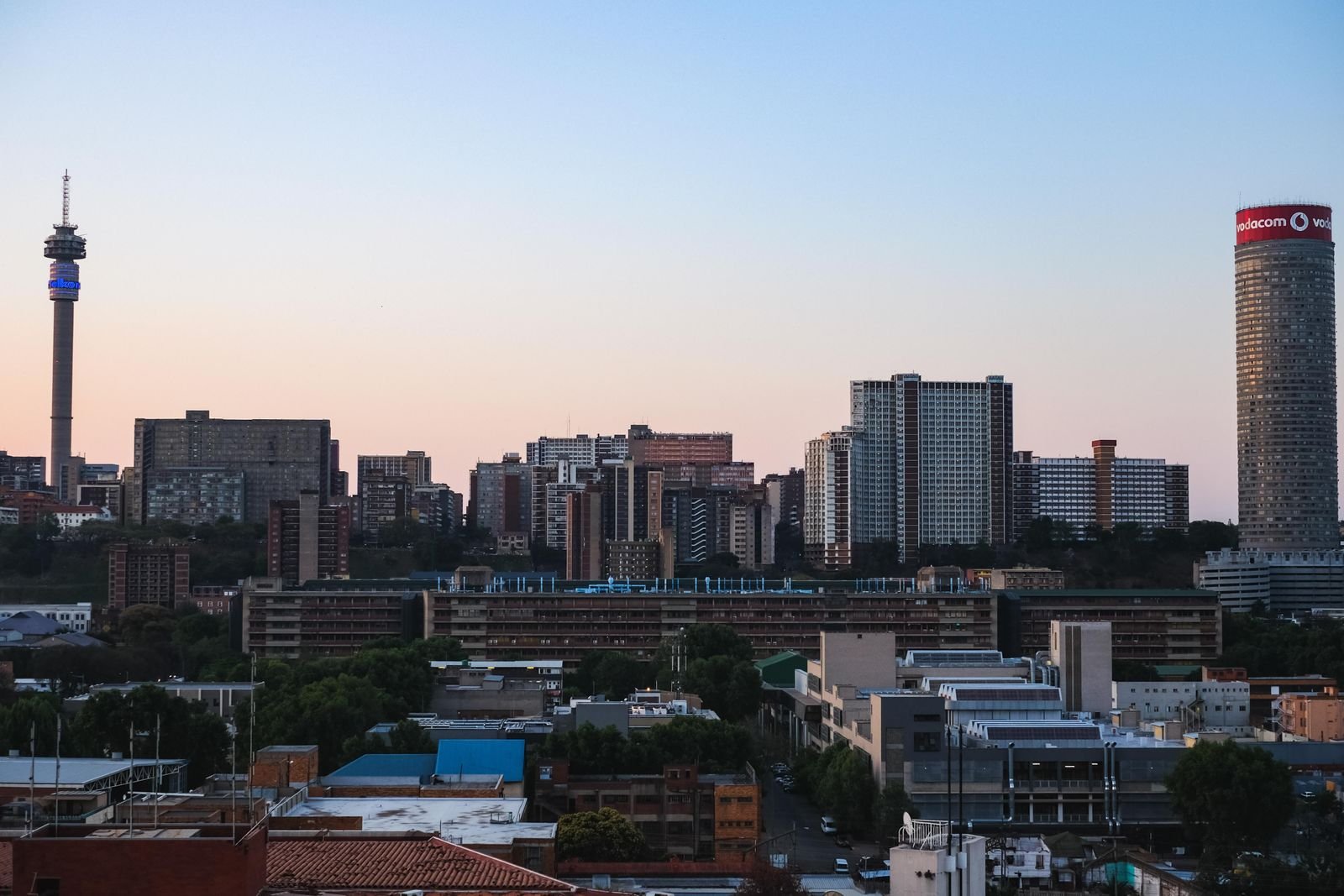
Johannesburg, South Africa — The 20th G20 Leaders’ Summit opened in Johannesburg on Sunday, 22 November 2026, the first time the leaders of the world’s major economies have met on African soil, with South African President Cyril Ramaphosa welcoming leaders to the two-day meeting at the Nasrec Expo Centre under the theme “Solidarity, Equality, Sustainability”.
A first for Africa
Ramaphosa opened the summit by telling leaders it was “an honour and a privilege to welcome you all to the first G20 Leaders’ Summit to be held on African soil”, adding: “We gather here at the Cradle of Humankind to affirm our common humanity.”
South Africa is the first African country to hold the presidency of the G20, the group of 19 major economies plus the European Union and the African Union. The African Union became a permanent member of the G20 in 2023, during India’s presidency, and the Johannesburg meeting is the fourth consecutive G20 summit to be held in the Global South, after Indonesia, India and Brazil.
The symbolism of the setting is the story of this summit: for the first time, the world’s premier forum for economic cooperation is meeting in Africa, and Africa’s development priorities are at the centre of its agenda rather than at its edges.
The host’s agenda: four priorities
At the start of its presidency, South Africa set out four high-level priorities, which Ramaphosa restated in his opening address:
- Disaster resilience and response — scaling up post-disaster reconstruction, with climate-driven disasters hitting hardest the countries least able to afford recovery and rebuilding.
- Debt sustainability for low-income countries — renewing efforts to make the debts of developing countries sustainable, with a particular emphasis on African countries.
- Finance for a just energy transition — mobilising more, and better, climate finance for developing economies.
- Critical minerals for inclusive growth — harnessing critical minerals for sustainable development, including by processing and adding value to minerals where they are extracted.
Beyond those four priorities, the presidency has also put inclusive economic growth, industrialisation, inequality, employment, food security and artificial intelligence on the agenda. Ramaphosa said South Africa had held around 130 G20 meetings across the country and elsewhere on the African continent during its presidency year, and that much of that work would be presented to leaders in Johannesburg.
The agenda is deliberately a developing-world agenda — and that is precisely what South Africa promised its presidency would deliver.
The American absence
The summit opened without the United States. President Donald Trump announced that no US government official would attend the Johannesburg meeting, citing what he described as human rights abuses against Afrikaners and other descendants of Dutch, French and German settlers in South Africa, including claims about killings and land confiscations. The United States is instead preparing to host the next G20 summit, in Miami in 2026.
Ramaphosa has rejected the claims behind the boycott, and South Africa said the summit would proceed as planned despite the American decision. The absence of the world’s largest economy is a serious blow to the gathering’s authority, and it leaves open the question of who will formally receive the G20 presidency when South Africa’s term ends.
A G20 without the United States can still talk, but its ability to deliver on debt, climate finance and trade will be judged against the empty chair.
Modi and the Global South at the table
Indian Prime Minister Narendra Modi is attending the summit on a three-day visit to South Africa from 21 to 23 November, his fourth visit to the country and his 12th G20 summit. He was warmly welcomed by Ramaphosa on his arrival at Nasrec, and he is expected to hold a series of bilateral meetings on the margins of the summit, as well as taking part in a meeting of the leaders of India, Brazil and South Africa. Ahead of the summit, he held a bilateral meeting with Australian Prime Minister Anthony Albanese.
Other leaders at the table include Brazilian President Luiz Inácio Lula da Silva, while China is represented by Premier Li Qiang, Russia by presidential aide Maksim Oreshkin and Indonesia by Vice President Gibran Rakabuming Raka, according to reports from the summit.
With the United States absent, the leaders present carry a heavier burden: the summit’s claim to speak for the world economy rests on them.
Two days of talks
According to the published programme, the first day of the summit, Sunday, is devoted to inclusive and sustainable economic growth, international trade, food systems and reducing social inequality in developing countries. Monday’s sessions are expected to take up the fair use of mineral resources, the development of artificial intelligence and decent working conditions, alongside discussions on reforming the World Trade Organization, the stability of the global monetary system and reform of the International Monetary Fund and the United Nations.
Expert work prepared during the year will also be put before leaders, including a review of the G20’s first twenty years, the work of a G20 Africa Expert Panel led by former South African finance minister Trevor Manuel, and recommendations from an expert committee on global inequality led by Professor Joseph Stiglitz. Ramaphosa also welcomed the Sevilla Commitment adopted in June, which sets out a renewed global framework for financing development.
What is not known yet
This is a preview of a summit that has just begun. No outcome has been agreed yet, and no joint declaration or final statement can be reported at the time of writing. Leaders will spend two days in discussion, and any agreement will have to be measured against the four priorities South Africa set — and against the fact that one of the group’s most powerful members is not in the room.
Outside the Nasrec venue, a small protest was reported on the opening day, and police said a criminal case had been opened after a tense demonstration by members of the group Operation Dudula.
The honest test of Johannesburg will not be the opening ceremony, but whether two days of talks produce anything concrete on debt, disaster relief, climate finance and minerals.
Why this summit matters
For South Africa, the summit is the culmination of a year in which it sought, in Ramaphosa’s words, to ensure that “the development priorities of the Global South and the African continent find expression firmly and permanently on the agenda of the G20”. For the continent, it is a chance to move from being discussed at the G20 to shaping what the G20 discusses.
Whether that ambition survives contact with an absent United States and the hard arithmetic of debt and climate finance will become clear only when the leaders leave Johannesburg. For now, the fact of the meeting itself — a G20 summit in Africa, chaired by an African president, with Africa’s priorities on the agenda — is the story.
Whatever the outcome, Johannesburg has already made history: the G20 has finally come to Africa.
By The BNN Media
The Best News Network
News Beyond the Borders
Sources: Statement by President Cyril Ramaphosa at the opening of the G20 Leaders’ Summit, Government of South Africa (gov.za); IANS reporting on Prime Minister Modi’s attendance and bilateral meetings; Qazinform / TV BRICS reporting on the summit programme and delegations; Daily Maverick reporting on President Trump’s announcement that no US government official would attend; Africa-Press reporting on the protest outside the Nasrec Expo Centre; G20 South Africa (g20.org).