By
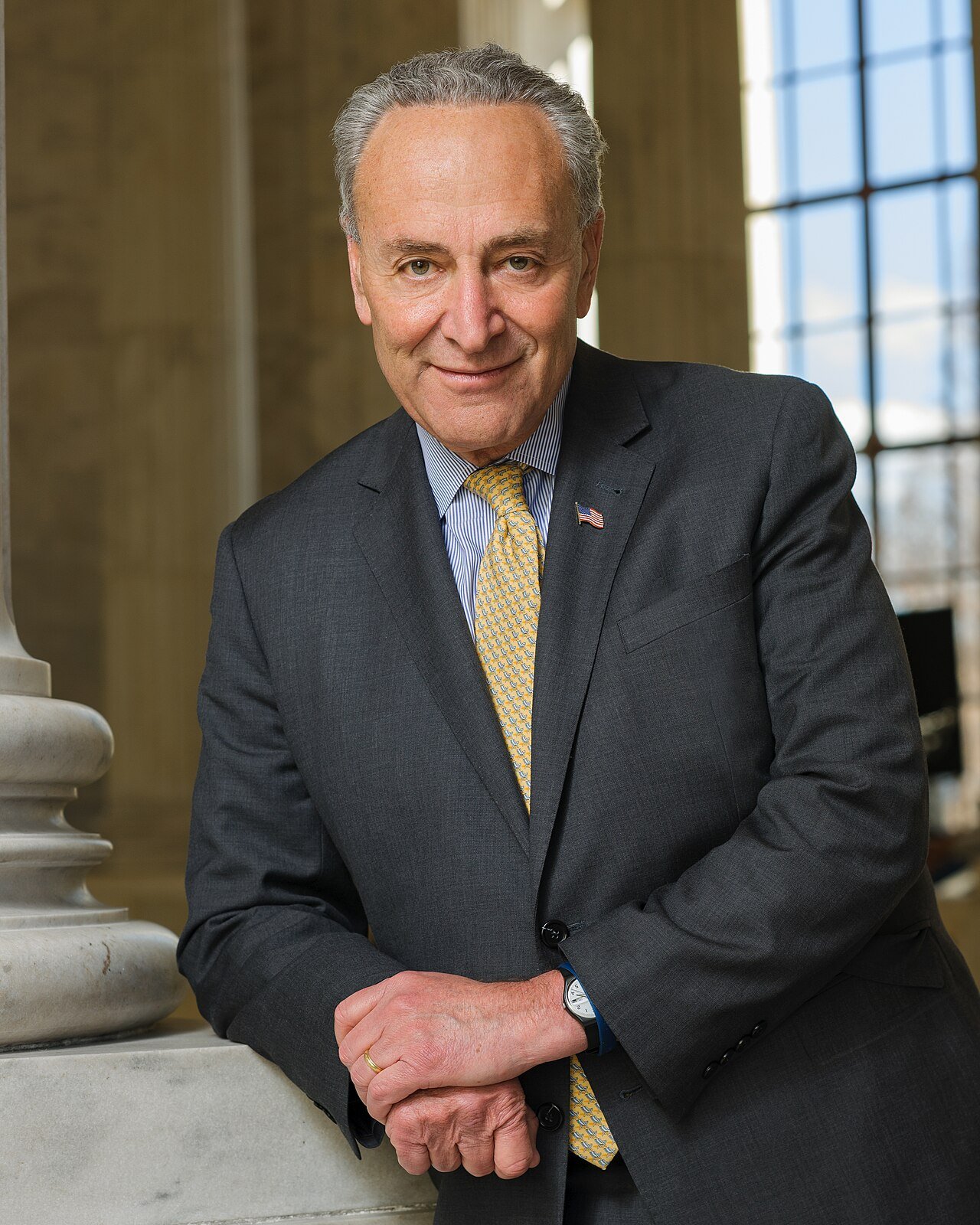
Chuck Schumer led Senate Democrats to a sweeping midterm victory and a 56-seat majority. Now, just weeks later, he must defend his leadership against a challenger from his own party, in the first contested Senate Democratic leadership race since 1994.
By The BNN Media
The Best News Network
News Beyond the Borders
Washington, United States — Senate Democratic leader Chuck Schumer, who led his party to a 56-seat majority in November’s midterm elections, now faces a challenge for his own job from Senator Chris Van Hollen of Maryland, with the contest to be decided by a secret vote of 56 Senate Democrats on December 1. Schumer, who turns 76 on Monday, has said he is confident he will win, but a growing group of progressives and incoming senators argues that the scale of the party’s victory demands new leadership.
A Victory Followed by a Challenge
Schumer led Senate Democrats through November’s midterm elections, in which the party flipped nine Senate seats, including in several states that President Donald Trump won by double digits in 2024. The result gave Democrats a decisive 56-seat majority and control of the chamber in the next Congress.
The response from parts of the party was not only celebration. Progressives argued that the victory should mark a break with the party’s established leadership, and that Schumer, who has led the Senate Democratic caucus for the past decade, should make way for a successor.
Van Hollen, 67, announced his challenge on November 12 in an interview with MS NOW. He has served in the Senate since 2017 and previously spent 14 years in the House of Representatives. He cast his candidacy as a response to what voters had demanded in the midterms.
“This is not about any one individual, but it is about answering the call of the American people,” Van Hollen said in that interview, describing the election result as a “huge outburst of democracy” and a call “to reject the status quo and to reject business as usual.”
Schumer won the election for his party — and now must win an election inside it.
The Case for Change
Van Hollen has argued that the 2026 results show voters want the party to break with the status quo and adopt a bolder approach, giving new voices, including incoming progressive lawmakers, more influence in the caucus. He has run an increasingly public campaign, although the outcome will be decided in private by the 56 Senate Democrats.
“I’m in this to win it,” Van Hollen said on Thursday. “That’s my goal. I think if we want to move forward on an ambitious agenda like this, we need new leadership. We need to change the culture of the Democratic caucus. People need to have more input. Our new members need to be at the table.”
Many of the incoming freshmen said during their campaigns that they would oppose Schumer for Democratic leader. Senator-elect Troy Jackson of Maine, who defeated five-term Republican Senator Susan Collins, put it plainly: “Do I like Chuck Schumer? He’s been great, but I do think it’s time for new ideas.”
In an interview on CNN’s “State of the Union” last week, Van Hollen cited what he called a “hunger for change” among Senate Democrats. He said two incoming senators had won despite Schumer’s efforts to back their primary opponents, and he criticised Schumer for aligning with powerful pro-Israel and cryptocurrency interests in those races.
The populist Working Families Party, which backs like-minded Democratic candidates in elections, wrote to Schumer on November 13 calling for a generational leadership change. “We write first to thank you,” the party’s leaders said, adding: “If you step aside at the height of a victory you helped secure, you would show voters that the Democratic Party heeded their call for change. The new majority can begin its work united and focused on fighting for the people who elected them.”

The Case for Staying
Schumer has projected confidence throughout the contest. “I will be elected majority leader,” he told reporters matter-of-factly last week. He is strongly favoured to win, according to Reuters, and at least 16 Democrats have publicly committed to backing him, while only six have said they will vote for Van Hollen.
His supporters point to the midterm result itself as the strongest argument in his favour: he led the party through the campaign that delivered the majority, and they say continuity matters as Democrats prepare to govern in the next Congress. Schumer has been the top Democrat in the Senate since 2017, serving in both minority and majority leader roles.
Senator Tim Kaine of Virginia suggested the leadership fight reflected a healthy discussion within the caucus about its future direction. “And there’s nothing wrong with that,” he told Reuters.
Schumer has also swatted down questions about his future beyond the leadership election. “I’m focused on 2027 and delivering for the American people,” he said on Wednesday.
The numbers, as publicly declared, favour Schumer — but the vote is secret, and the public count is only part of the picture.
Who Is Backing Whom
The contest has drawn in some of the party’s best-known figures. Senator Bernie Sanders of Vermont and Senator Elissa Slotkin of Michigan held a joint news conference on Senate leadership in which they called for change, and Sanders later said he would vote for Van Hollen, according to USA Today.
Senator-elect Abdul El-Sayed of Michigan, who backed Van Hollen, said the Maryland senator stands out because he understands how Washington and the Senate work as a past chair of the House and Senate Democrats’ respective campaign arms, and because he is willing to take risks. El-Sayed pointed to Van Hollen’s trips to advocate for a wrongly deported migrant and to draw attention to Israel’s war in Gaza as examples of that willingness.
“Those two things are what we need right now, and we need to rethink the way we legislate,” El-Sayed said.
New Mexico Senator-elect Peggy Flanagan has also thrown her support behind Van Hollen, according to USA Today. On Schumer’s side, Senators Kirsten Gillibrand of New York and Ruben Gallego of Arizona have voiced their support, and Maine Senator Angus King, an independent who caucuses with the Democrats, has said he stands with Schumer.
The Wider Leadership Picture
The Senate Democratic leadership post is the only unresolved role among Congress’s top four positions. House Democrats last week nominated Hakeem Jeffries to be speaker in the next Congress, John Thune will continue to lead Senate Republicans, and Representative Jim Jordan will succeed Speaker Mike Johnson as the top House Republican.
That context matters because the next Senate majority leader will lead the party’s confrontation with President Donald Trump during the final two years of his administration, and will help shape the party’s identity heading into the 2028 presidential election. Van Hollen has said he would use the “full power” of the Senate to respond to voters’ demands to end the Iran war and lower the cost of living, according to CNN.
For Schumer, there is also a personal stake beyond December 1. He is up for re-election in 2028, and losing the leadership race could make him a more vulnerable target, as ambitious Democrats such as Representative Alexandria Ocasio-Cortez consider running for his seat. A memo from Ocasio-Cortez’s campaign acknowledged she could run for president, the Senate or re-election to the House in 2028.

What Happens on December 1
The leadership election will be held by secret ballot, and the winner will need a simple majority of the caucus. Van Hollen has said he has talked to most Senate Democrats and believes the race “is very much in flux”, while Schumer has said he already has the votes.
Whatever the result, the contest has already exposed a divide that the midterm victory did not erase: between a party establishment that credits Schumer with delivering the majority, and a younger, more progressive wing that says the majority was won in spite of the old leadership, not because of it.
- Chuck Schumer, 75, turning 76 on Monday, has led Senate Democrats since 2017 and says he will be elected majority leader.
- Chris Van Hollen, 67, of Maryland, announced his challenge on November 12, arguing voters demanded a break with the status quo.
- At least 16 Democrats have publicly backed Schumer; only six have publicly backed Van Hollen, according to Reuters.
- Democrats flipped nine Senate seats in November, winning a 56-seat majority.
- The secret-ballot vote takes place on December 1, the first contested Senate Democratic leadership race since 1994.
A party that won big in November now has to decide whether the leader who delivered that victory is the right person to lead what comes next.
Reporting based on Reuters, CNN and USA Today, 12–22 November 2026.
By The BNN Media
The Best News Network
News Beyond the Borders