By
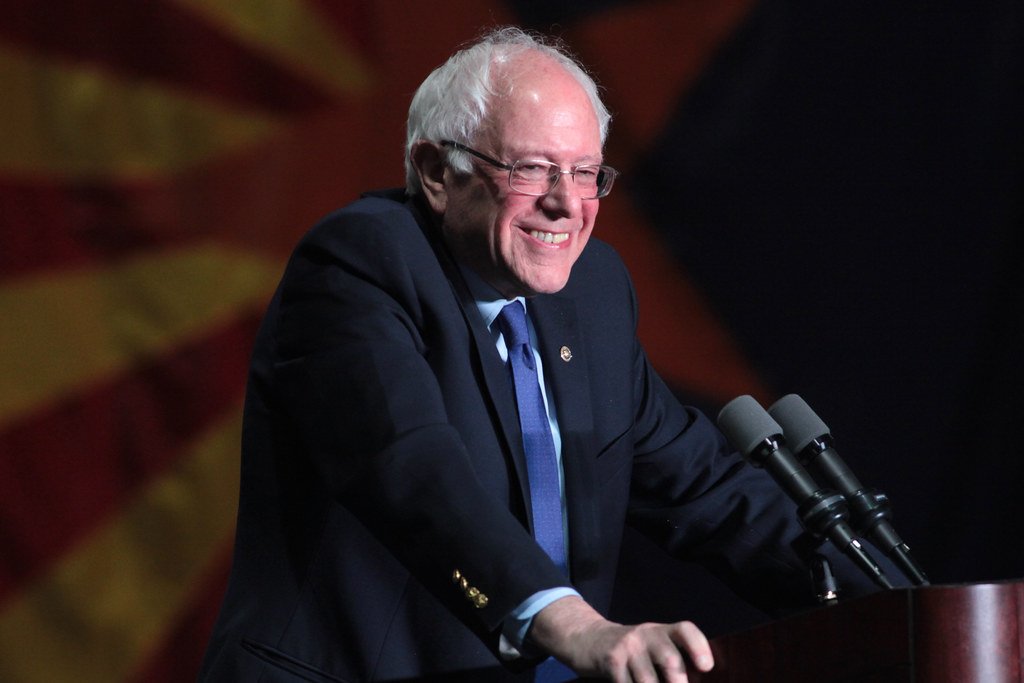
Senator Bernie Sanders has said he will make Medicare for All his top priority when he takes over as chairman of the Senate’s health committee in January, unveiling a four-year plan to build a universal system — and throwing his support behind House Democratic leader Hakeem Jeffries’s proposal to expand Medicare first.
By The BNN Media
The Best News Network
News Beyond the Borders
WASHINGTON — Senator Bernie Sanders said on Wednesday, 18 November, that he would prioritise passing Medicare for All if he becomes chairman of the Senate Health, Education, Labor and Pensions (HELP) Committee next year, as expected when Democrats take control of the Senate in January. His plan would build the universal, single-payer system over four years, starting by lowering the Medicare eligibility age from 65 to 55, adding dental, vision and hearing cover, and guaranteeing healthcare for every child through the age of 18.
A Four-Year Path to Universal Cover
Sanders’s agenda, first provided to the Associated Press, lays out the legislative steps for a proposal he has championed for years and that he and other progressive candidates campaigned on this cycle. The design is deliberately gradual: rather than switching the whole system at once, it would expand Medicare in stages.
In the first year, the eligibility age would drop from 65 to 55, coverage would expand to include dental, hearing and vision care, and healthcare would be guaranteed for children through age 18. The age would then fall to 45, then to 35, and in the fourth year the system would cover everyone. Sanders proposes paying for the change by shifting financing away from private premiums towards payroll contributions and higher taxes on the wealthy, Wall Street and large firms, according to the AP account.
Saying that “Medicare for All” is no longer “a radical idea”, Sanders told reporters on a call that he intends to focus on universal healthcare and oversight investigations when he takes over the committee, where he currently serves as ranking member. He also intends to take what he called a “hard look at the impact of AI and robotics on the well-being of the American people.”
For the first time, a single-payer plan has a committee chairman and a governing majority behind it, rather than serving only as a campaign promise.
Backing for the Jeffries Plan
Sanders also threw his support behind proposed Medicare reforms from House Minority Leader Hakeem Jeffries, who is poised to serve as Speaker in the next Congress. Jeffries said on Tuesday that Democrats know simply returning to the status quo “is not acceptable”, and that they are preparing ways to expand access by lowering the Medicare eligibility age, adding vision, hearing and dental coverage, and ensuring all children are covered. He has pledged to get to work “right out of the gate” to restore Affordable Care Act subsidies and reverse Medicaid cuts enacted under Republicans.
Sanders told MS NOW’s Chris Hayes he was “very glad” to see the House leader’s proposal, and said: “Jeffries basically supported the first year of Medicare for All.” The Associated Press noted that this is Sanders’s own characterisation of Jeffries’s position, rather than a claim Jeffries himself has made in those terms.
Senator-elect Abdul El-Sayed of Michigan, a physician and a prominent voice for Medicare for All in the new Senate intake, also welcomed the Jeffries proposal, telling MS NOW’s Jen Psaki on Tuesday that it was “a great start”. “I think the challenge we sometimes have is we realize that if we want to climb Mount Everest, none of us are supermen, so we can’t leap it in one tall bound,” he said.
The New Majority Behind Him
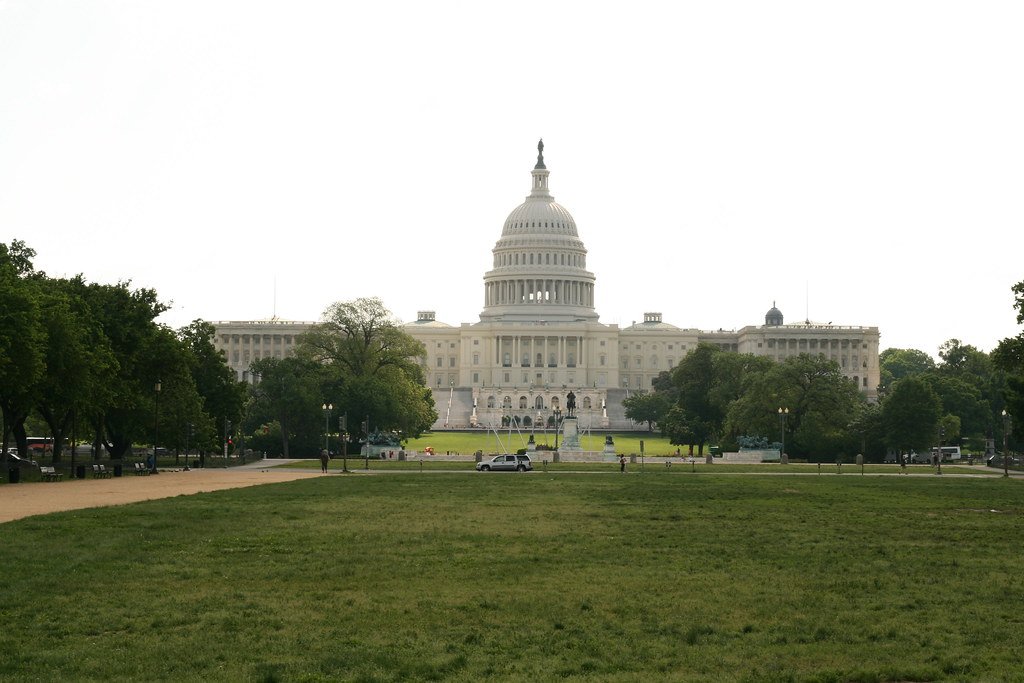
Sanders’s plan arrives with the political arithmetic behind it. Democrats will hold a 56-44 majority in the Senate when the new Congress convenes in January — their largest advantage in 16 years — a majority secured in part by Democrat Mary Peltola’s win in Alaska’s Senate seat. That majority is what puts Sanders in line for the HELP chairmanship, a post he previously held from 2023 to 2025, when he worked with Republicans on legislation to lower prescription drug costs and expand access to primary care. He also chaired the Senate Budget Committee from 2021 to 2023.
The HELP Committee under Sanders will also look into how health insurance companies are “ripping off the American people” and why pharmaceutical companies charge higher prices for certain drugs in the United States than they do in other countries, according to reporting of his call with reporters.
The politics have shifted — but the plan still has to survive the Senate, the House and the White House.
Oversight: Insurers, Drug Prices and AI
Beyond legislation, Sanders plans to use the chairmanship as an investigatory platform. The HELP Committee will examine how health insurers treat patients and why drug companies charge Americans more than patients in other countries for the same medicines — themes Sanders has pressed for years, including during his previous chairmanship from 2023 to 2025, when he worked with Republicans on legislation to lower prescription drug costs and expand access to primary care.
He also intends to take what he called a “hard look at the impact of AI and robotics on the well-being of the American people” — a signal that the committee’s agenda will extend beyond healthcare financing into the effects of new technology on jobs and living standards.
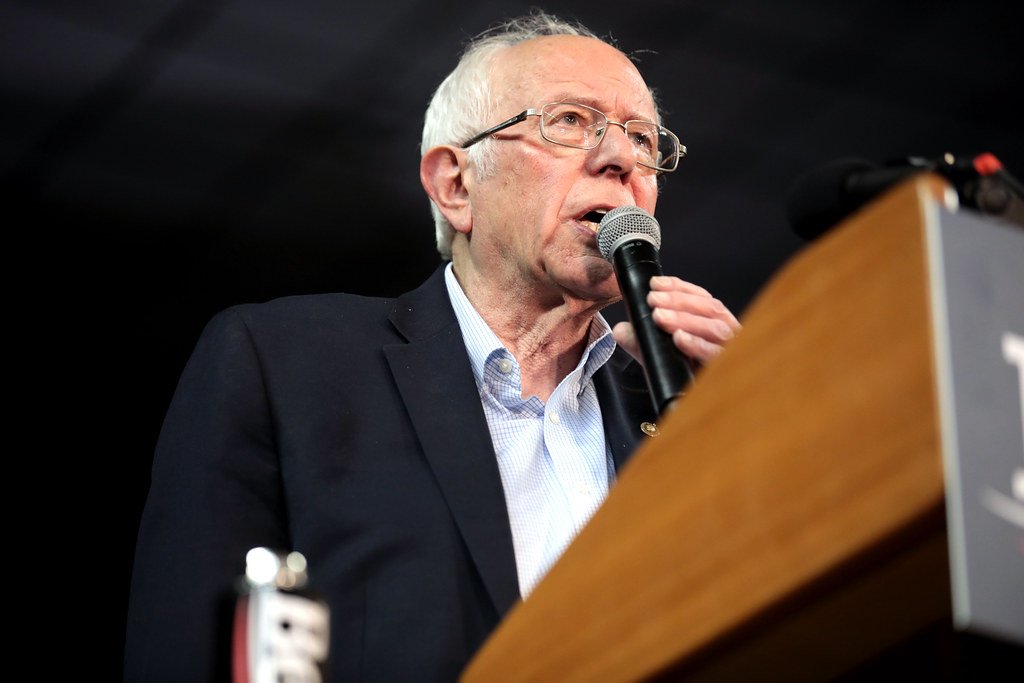
The gavel gives Sanders two tools — a legislative pen and a subpoena — and he has said he intends to use both.
The Hurdles Ahead
Anything that passes Congress in the next two years will still need to be signed by President Donald Trump to take effect. Sanders rejected the notion that Trump, a Republican, would not sign something like Medicare for All into law.
Even so, the obstacles are formidable. The cost of a universal system, the financing, and whether House leadership backs even the first stage all remain open questions. Jeffries has so far framed his own proposal as an expansion of Medicare, not as the first year of a single-payer system, and the gap between those two descriptions is where the coming debate will be fought.
For Sanders, who has spent a political career arguing that the United States should guarantee healthcare as a right, the moment is the closest he has come to turning that argument into law. Whether the first year of his four-year plan can pass — and whether Jeffries’s expansion and Sanders’s transformation are the same road or two different ones — will be one of the first tests of the new Democratic majority.
Sanders has the gavel, the majority and a plan. What he does not yet have is the votes — or the signature.
By The BNN Media
The Best News Network
News Beyond the Borders