By
By The BNN Media
The Best News Network
News Beyond the Borders
The grandson of a Greek silversmith, he spent four decades as chairman of the house his family built — and made its bold, colourful jewels the signature of Hollywood glamour. His funeral takes place in Rome today.
Rome, Italy — Paolo Bulgari, the Italian jeweller who helped turn his family’s business into a global luxury powerhouse, has died in Rome at the age of 89, his family announced on Saturday. The cause of his death has not been disclosed.
A Family Announcement on Saturday
“The greatest jeweler of our times is gone,” the family said in a statement carried by the Italian newspaper Il Sole 24 Ore, remembering him as an “extraordinary figure” who “loved Italy and was an ambassador for Italy all around the world.”
The Bulgari company, now part of the French luxury group LVMH, confirmed the death. In a tribute posted on Instagram on Saturday, the house remembered him as a “true creative soul” who left “an indelible mark on the world of jewellery” and would continue to inspire future generations.
His funeral will take place on Monday at the Basilica of Santa Croce in Gerusalemme — the Basilica of the Holy Cross in Jerusalem — one of the seven pilgrim churches of Rome.
For a house built on colour, boldness and Roman pride, he was the man who set its course for more than forty years.
From a Rome Workshop to the World
The company was founded in 1884, when Paolo’s grandfather, the Greek silversmith Sotirios Voulgaris, opened a jewellery shop in Rome after leaving the Ottoman Empire. He later adapted his name as Bulgari in Italian.
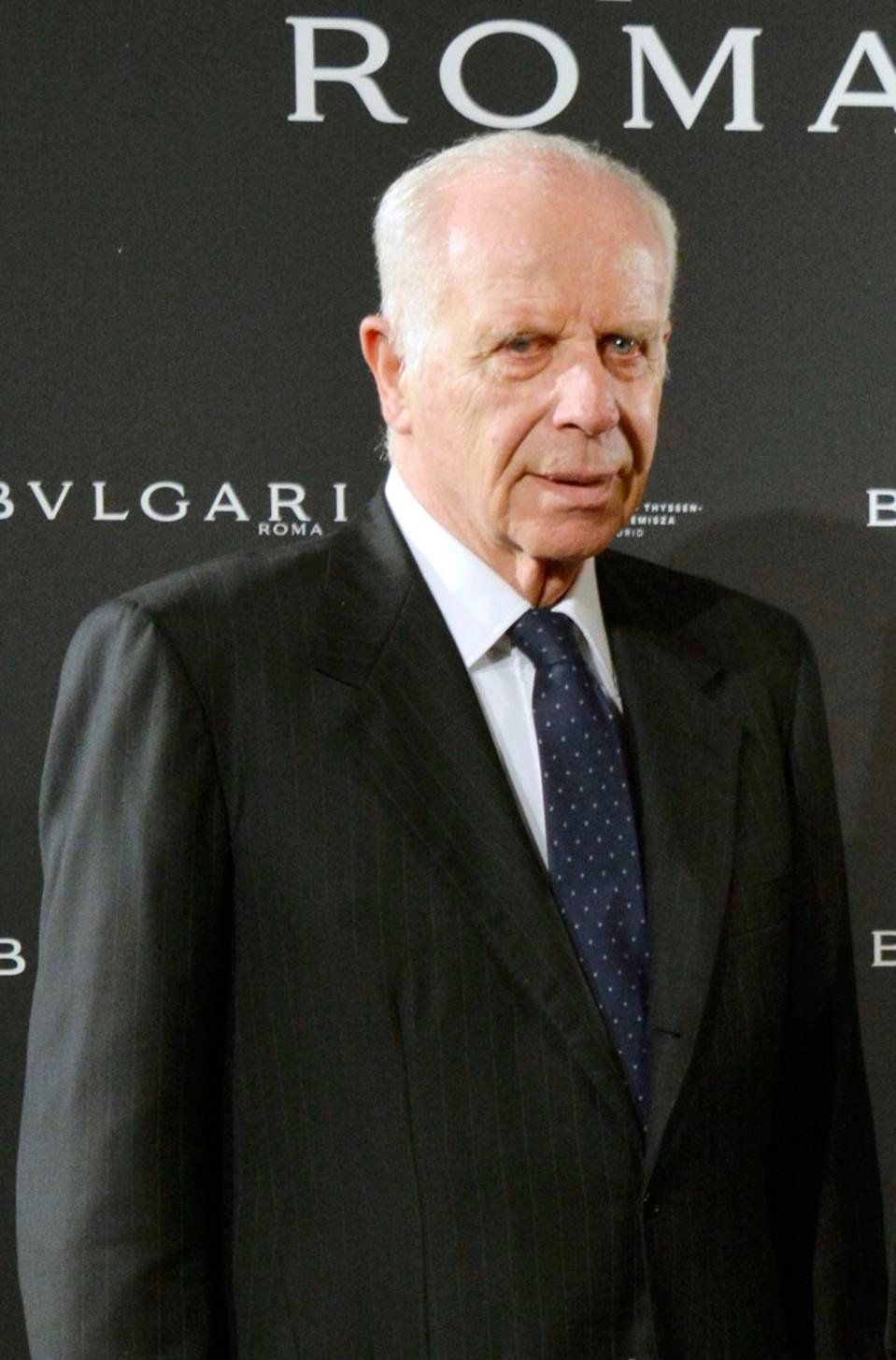
Paolo Bulgari was born in Rome in 1937 and joined the family business in 1960, shortly after leaving school, developing an expertise in precious gemstones. Alongside his brothers, he built the house’s distinctively Italian style — and, from 1984, as chairman of the Bulgari Group, he oversaw its transformation from a celebrated Roman jeweller into an international luxury brand.
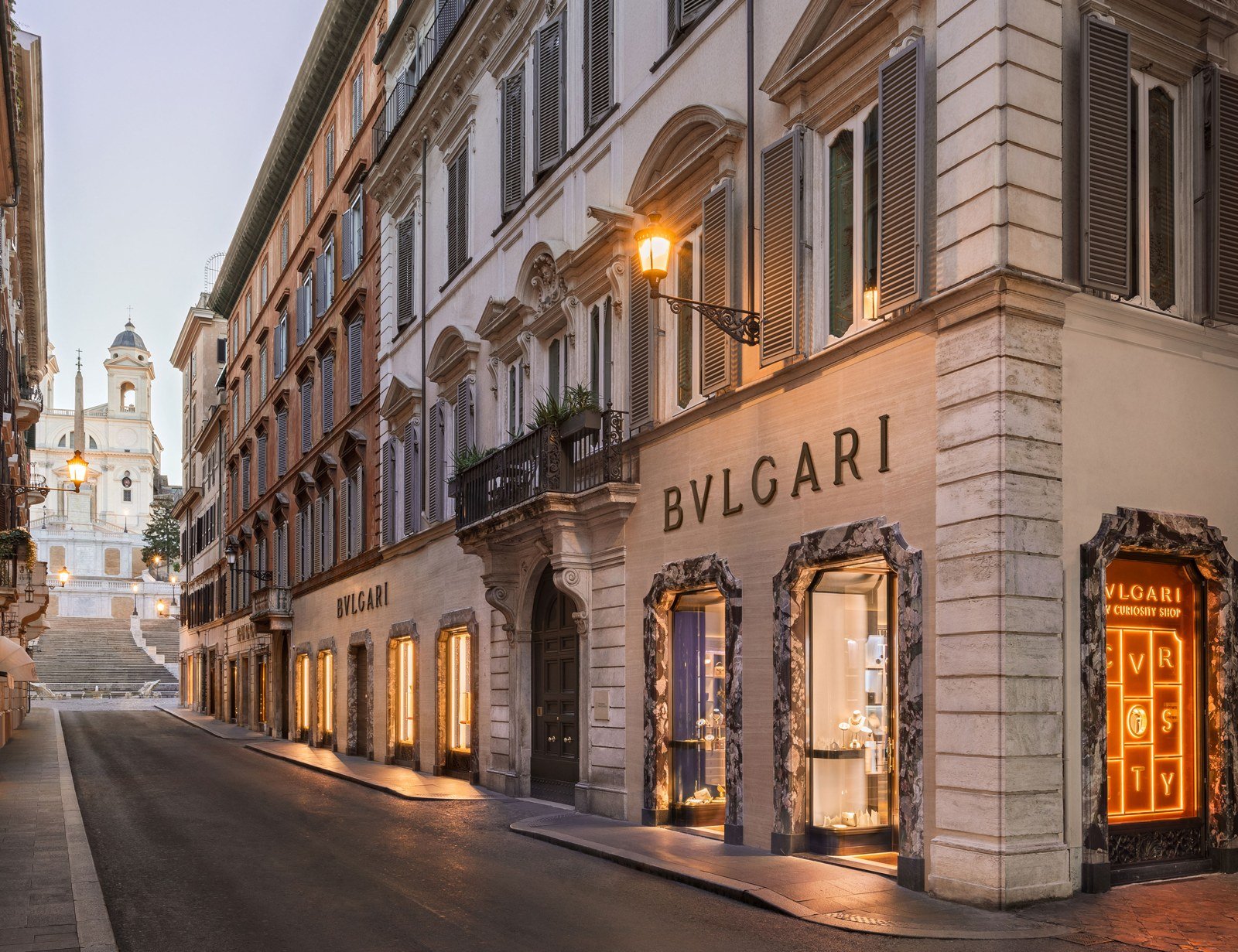
Under his leadership, the company opened boutiques in New York, Paris and Geneva, and expanded far beyond jewellery into watches, perfumes, leather goods, accessories and hotels. The flagship brand, BVLGARI — which uses the classical Latin “V” in place of “U” — became one of the most recognisable names in luxury, with stores in major world capitals.
LVMH chief executive Bernard Arnault said on Saturday that throughout his life, Paolo had played a pivotal role in the success of the Bulgari brand, “while preserving and embodying its Italian spirit and deeply rooted Roman heritage.”
The Italian Style That Broke the Rules
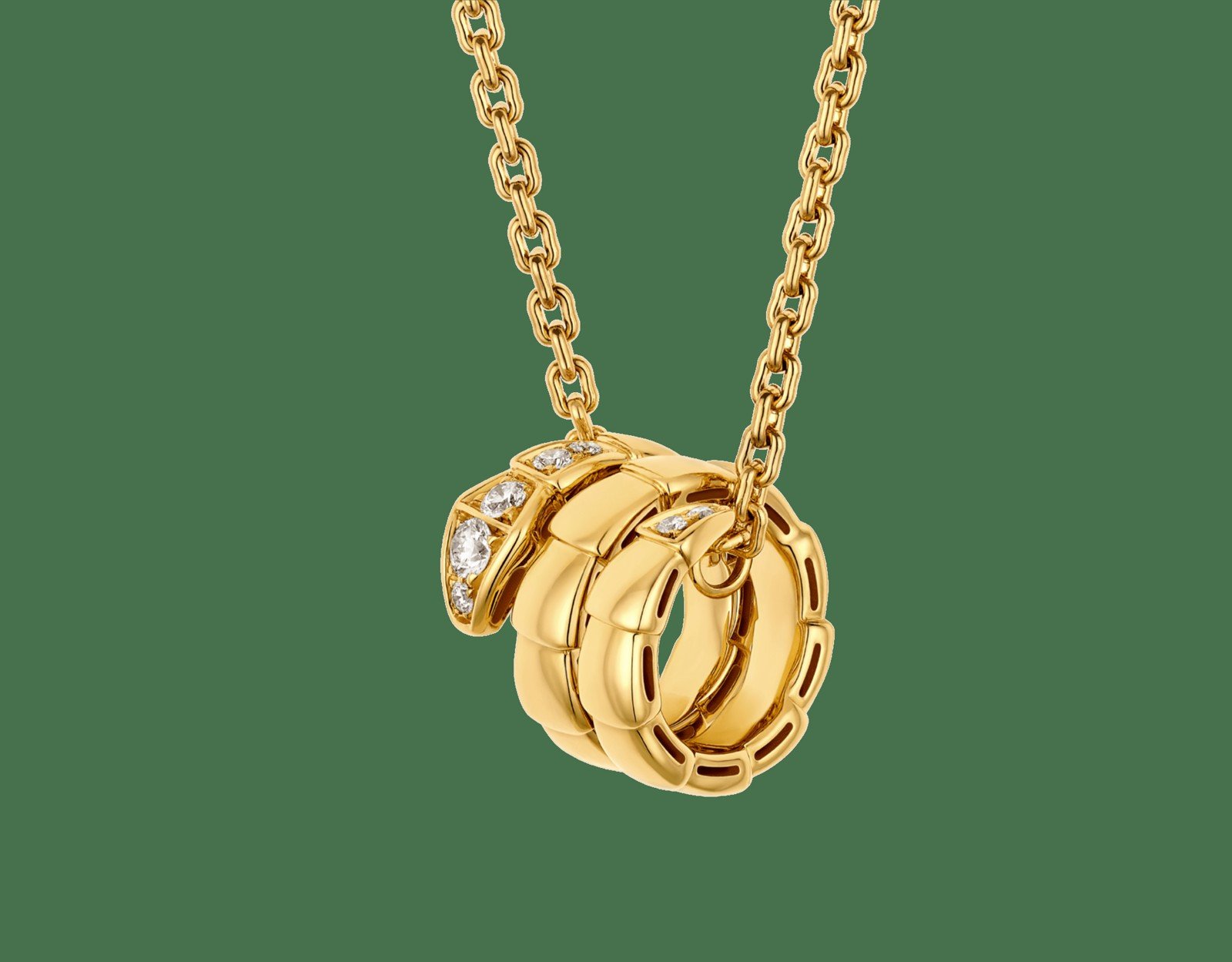
What set Bulgari apart was a deliberate break with tradition. Where the great Parisian houses favoured delicate, restrained designs, Paolo Bulgari and his brothers built a style around oversized coloured gemstones, rich yellow gold and bold shapes — jewellery that was unmistakably Italian and impossible to miss.
It was a gamble on colour and confidence, and it worked. The house’s serpent motif, its cabochon stones and its combinations of gems that other jewellers would never have dared to put together became its signature — and the reason its pieces were instantly recognisable on a red carpet or in a photograph.
He summed up his own philosophy in words the company quoted in its tribute: “Everything can be a source of inspiration. There are no rules in creativity. Never.”
Jeweller to the Stars
Bulgari became synonymous with Hollywood glamour in the 1950s and 1960s, when film stars flocked to its flagship boutique on Rome’s Via Condotti during the city’s La Dolce Vita era. Its most famous admirer was Elizabeth Taylor, who developed a love for the brand while filming Cleopatra in Rome, where she began her romance with co-star Richard Burton.
Burton gave Taylor a Bulgari emerald-and-diamond brooch for their engagement in 1962, followed by a matching 16-emerald diamond necklace as a wedding gift in 1964, according to Christie’s, which later auctioned both pieces. Burton famously joked that the only Italian word Taylor learned during her time in Rome was “Bulgari.”
The house’s jewels also became part of one of the most scrutinised royal romances of the 1990s. Diana, Princess of Wales, was reportedly given a diamond-studded Bulgari ring by Dodi Fayed shortly before the couple died in a Paris car crash in 1997.
Other famous admirers included Sophia Loren, Audrey Hepburn, Ingrid Bergman and Grace Kelly. In recent years, Zendaya, Anne Hathaway and Hudson Williams have been among the brand’s modern-day ambassadors.
Wealth, Kidnapping and the LVMH Sale
The family’s immense wealth also made it a target. In a 2005 interview with the Italian magazine Panorama, Paolo Bulgari recalled personally negotiating the release of his brother Gianni, who was abducted at gunpoint in Rome in 1975 and freed about a month later after a reported ransom payment of 1.3 billion Italian lire.
Eight years later, their cousin and her teenage son were kidnapped from their country estate. Both were released after 35 days, according to a documentary by Italian broadcaster RAI in which they recounted their kidnapping.
The family’s direct control of the house ended in 2011, when the Bulgaris sold a controlling stake in the company to LVMH in a deal valued at more than $5 billion — closing more than a century of family ownership, while Paolo remained the public face of the brand he had spent his life building.
Through kidnapping, succession and sale, the house he shaped never lost the Roman identity he insisted on.
Tributes and a Funeral in Rome
The tributes since Saturday have come from across the luxury world, but the family’s own words set the tone: a man who loved Italy and carried it with him everywhere.
Paolo Bulgari’s death closes a chapter that began in a small Roman workshop in 1884 and ended with a name known in every capital in the world. The funeral at the Basilica of Santa Croce in Gerusalemme on Monday brings that story home to Rome — to the city where his grandfather opened his first shop, where the Via Condotti flagship still stands, and where the jeweller who made Italian glamour a global language will be laid to rest.
By The BNN Media
The Best News Network
News Beyond the Borders