By
A French Comté matured for two years inside a former military fortress in the Jura mountains has been named the world’s best cheese, beating more than 5,300 entries from 45 countries at the 2026 World Cheese Awards in Spain.
By The BNN Media
The Best News Network
News Beyond the Borders
Córdoba, Spain — Fromageries Arnaud’s Comté Fort des Rousses 24 Months has been named World Champion Cheese at the 2026 World Cheese Awards, held in Córdoba, Spain, on 12 November 2026, after a final round so close that it ended in a three-way tie on 81 points before a tie-breaker separated the winner from its rivals.
The Winner Is Announced
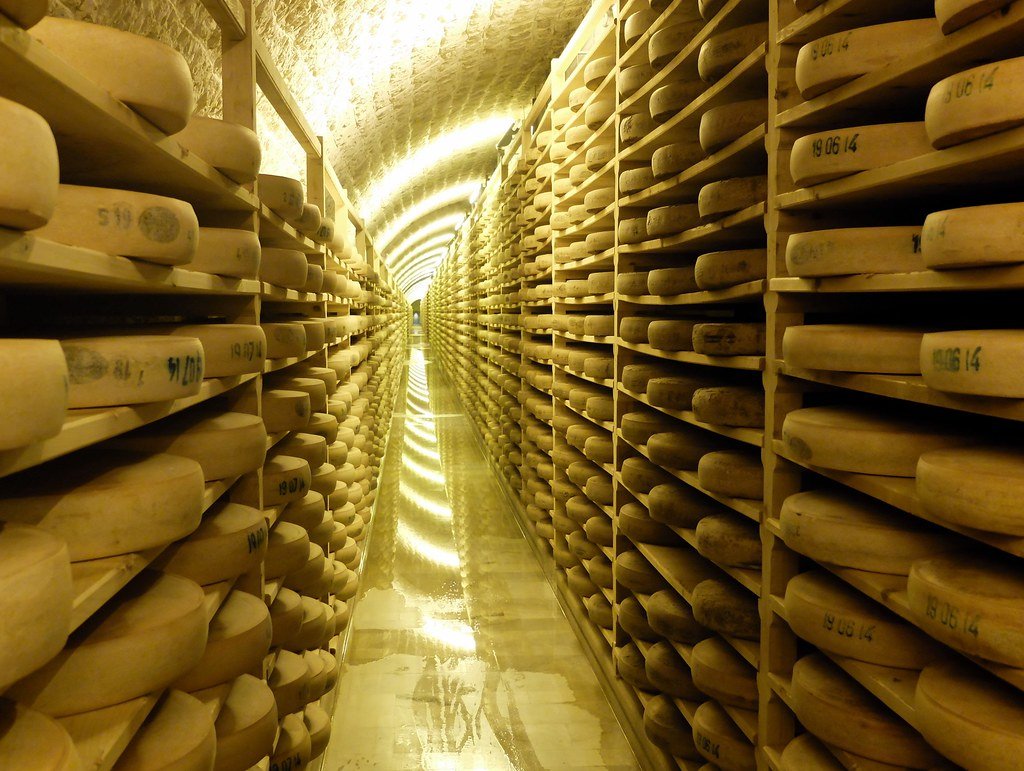
The winning cheese is a hard cheese made from raw cow’s milk in France’s Franche-Comté region, on the border with Switzerland, and aged for two years by the family-run cheese maturer JuraFlore inside the vaulted cellars of Fort des Rousses, a former military fortress in eastern France near the Swiss border.
The awards, organised by the Guild of Fine Food, are among the most respected events in the cheese world. This year, 5,330 cheeses from 45 countries were laid out on tables in the competition hall in Córdoba and assessed by 270 judges from 51 countries for taste, smell, appearance, texture and mouthfeel.
From that enormous field, 108 cheeses earned the top “Super Gold” distinction, and 14 of them went forward to a final judged live on stage by a super jury of 14 experts, each championing one cheese.
Out of 5,330 cheeses from 45 countries, one 24-month Comté stood above them all.
A Three-Way Tie Decided by Consistency
The final could hardly have been closer. When the scores were counted, three cheeses stood level on 81 points: the winning Comté, an Ossau-Iraty from France, and a Le Gruyère AOP from Switzerland.
Organisers broke the tie by removing each cheese’s highest and lowest scores — and the Comté won because its scores had the smallest range. In other words, it was not the cheese that any single judge loved most, but the cheese that every judge rated highly. It was the most consistent performer in the room.
The 14 finalists came from five countries — France, Switzerland, Italy, Spain and Portugal — and included an Italian pecorino and an aged goat’s milk cheese from Spain coated in edible flowers. Portugal’s representative, Queijo de Ovelha Curado, finished on 79 points.
The title was decided not by a runaway victory, but by the narrowest of margins — and by consistency.
What the Judges Tasted
The judge who championed the Comté in the final was Spanish expert Rafael Domínguez González, one of the 14 super judges. His praise centred on one quality above all: complexity.
“It is the complexity, obviously,” he said of the cheese. “We see how it evolves in the mouth. It starts to develop in different layers of flavor, beautiful nutty layers. It definitely left a mark here.”
He added that the cheese’s flavours stayed with him: “Those beautiful, nutty, savory flavors really left a mark on me.”
Cheese author and educator Patrick McGuigan, who co-hosted the judging of the finalists on stage, pointed to the cheese’s deep golden colour as the visible sign of its two years of maturing. “You can see the color, that dark, dark golden color. That’s coming from time, basically,” he said. “Some people argue that time is the fifth ingredient in cheese. You’ve got your milk, your starter cultures, your rennet, your salt. But time can play a huge part in developing flavor.”
The Guild of Fine Food said the judging panel also praised the cheese’s dark, thick, developed rind, which was crumbly and slightly sticky, as well as its golden, well-aged colour, its texture and its flavour.
Complexity, layers of nutty flavour, and a deep golden colour earned over two years — that is what the judges rewarded.
The Fortress That Makes the Cheese
The winning cheese takes its name from the place where it matures: Fort des Rousses, in the village of Les Rousses in the Jura mountains of eastern France.
The fort’s story begins with Napoleon Bonaparte, who from 1800 held the site as a strategic military position on France’s eastern border. The fortress itself was built between 1843 and 1862, becoming one of France’s largest fortified complexes, and it later served as a military base and training camp before its vaulted cellars were converted to cheese maturing in 1998.
Today, the fort holds around 50,000 square metres of vaulted stone cellars — one of France’s largest cheese caves — housing nearly 140,000 wheels of Comté. The Charles Arnaud cellar inside the fort, where this year’s world champion was aged, is dedicated solely to Comté cheeses.
Two Years of Patience
The cheese was aged by JuraFlore, a traditional family-run affineur — a cheese maturer — founded in 1907. Speaking to the awards ceremony by video link, Franck Arnaud, a descendant of JuraFlore’s original founder, said: “It’s such a pleasure. We have 120 years next year and a family business all this time. It’s an amazing pleasure for me, this news, and I can’t wait to tell the others.”
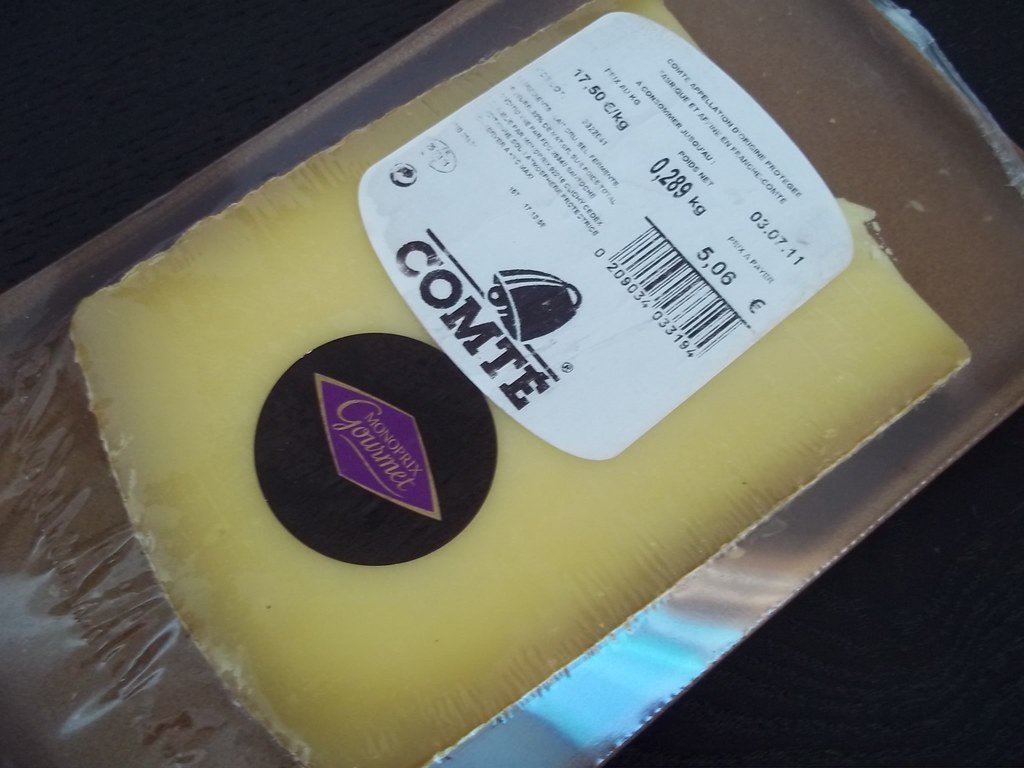
Comté is a cooked and pressed cheese made from unpasteurised cow’s milk, traditionally made in the Jura Massif. Time changes it profoundly: a young Comté typically smells of butter, dried apricots and caramel, while a Comté aged for a long time becomes more fruity, spicy and nutty.
That transformation is the whole point of the two years in the fort. The thick stone walls and vaulted cellars hold the cool, humid conditions the wheels need, and the cheese slowly develops the layered, nutty character that the judges praised in Córdoba.
Two years in a stone fortress, and a family business approaching its 120th year — the winning cheese is the product of patience as much as of milk.
The Contest in Numbers
The scale of the World Cheese Awards is part of what makes the title matter. The 2026 edition, the 38th, was held alongside the Andalucía-Gusto del Sur International Cheese Festival in Córdoba, and its numbers tell the story:
- 5,330 cheeses entered, from 45 countries
- 270 judges, from 51 countries
- 108 cheeses awarded Super Gold
- 14 cheeses reached the final, from five countries
- 81 points each for the three tied finalists — decided by the smallest range of scores
- 24 months — the age of the winning Comté
- ~140,000 wheels of Comté maturing inside Fort des Rousses
Judges assessed the cheeses blind, scoring appearance, aroma, texture, flavour and mouthfeel, with the points awarded in the opening rounds deciding bronze, silver and gold medals before the super jury chose the overall champion.
What the Win Means
For Fromageries Arnaud and JuraFlore, the title is recognition for a way of working that has barely changed in more than a century: milk from mountain farms, traditional methods, and time — two full years of it — inside a fortress built for soldiers and now given over to cheese.
For the wider cheese world, the result is a reminder that the most celebrated cheese of 2026 was not a novelty or an experiment, but a classic: a hard mountain cheese, made from raw milk, matured slowly in the place where it has always been matured. In a competition of more than 5,000 entries, that was enough.
The world’s best cheese of 2026 is a story of a place, a family, and two years of waiting — and it was won by the cheese every judge could agree on.
By The BNN Media
The Best News Network
News Beyond the Borders
Sources: CNN (12 Nov 2026); Fox News; New York Post (21 Nov 2026); Dairy Processing; Haut-Jura Regional Nature Park.