By
The European Union and Indonesia have signed a sweeping trade and investment deal after a decade of negotiations, removing duties on more than 90 per cent of the goods traded between them and giving European exporters cheaper access to South-East Asia’s largest economy.
By Muhammad Noman
Journalist | The BNN Media – The Best News Network
News Beyond the Borders
Brussels, Belgium — The European Union and Indonesia signed a comprehensive trade agreement and an investment protection agreement on Saturday, 21 November, bringing to an end 10 years of negotiations that began in July 2016 and were concluded in September 2025.
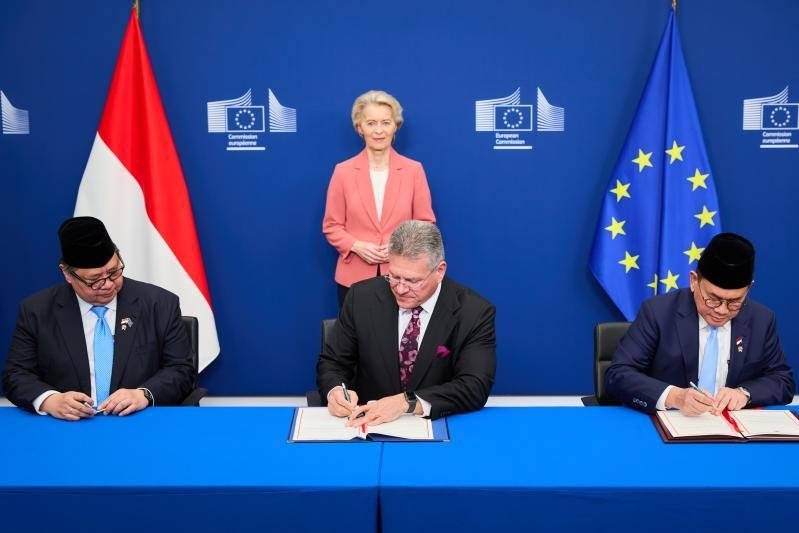
The two agreements — the Indonesia–European Union Comprehensive Economic Partnership Agreement, known as IEU-CEPA, and a separate Investment Protection Agreement — were signed at the European Commission’s headquarters in Brussels. European Commission President Ursula von der Leyen attended the ceremony and described the deal as “one of the most ambitious deals the European Union has concluded in Asia.”
The Signing in Brussels
EU Trade Commissioner Maroš Šefčovič signed the trade agreement with Indonesian Trade Minister Budi Santoso, and the investment protection agreement with Coordinating Minister for Economic Affairs Airlangga Hartarto. Von der Leyen spoke by telephone with Indonesian President Prabowo Subianto before the ceremony, and the Indonesian leader is expected to visit Brussels on 11 December.
The signing came three days after EU governments authorised the signature of the pact on Wednesday, 18 November. The deal still needs approval from the European Parliament, and Indonesia must complete its own ratification, before it can take effect. Both sides say they expect it to come into force in early 2027.
After a decade at the negotiating table, the signatures in Brussels turn a long-promised partnership into a signed agreement.
What the Deal Removes
At the heart of the agreement is a broad cut in tariffs. Both sides will remove import duties on more than 90 per cent of products traded between them, according to the European Commission.
- Indonesia will remove duties on most EU agricultural exports and on EU automotive exports, which currently face tariffs of up to 50 per cent.
- The European Union will give zero-duty access to 90.4 per cent of Indonesian tariff lines entering the European market, with most of the rest phased out over three to 15 years.
- The agreement protects 221 EU geographical indications, covering well-known European food and drink names.
- The deal is expected to cut the duty bill for EU exporters by €650 million ($713 million).
The European Union currently exports around €1 billion a year of agri-food products to Indonesia, and total trade between the two sides stood at €28.9 billion in 2025.
The numbers explain why both sides kept returning to the table: the savings are large, and they start as soon as the deal takes effect.
What It Means for European Exporters
For European businesses, the deal opens one of the world’s fastest-growing large markets on far better terms. Indonesia is South-East Asia’s largest economy and the world’s fourth most populous country, with around 280 million people, and the agreement connects it directly to the EU’s single market of 450 million people.
Indonesian officials say the preferential access will sharpen the competitiveness of the country’s leading exports, including footwear, textiles and processed commodities. European investment and green technology are expected to support new processing facilities in Indonesia and create jobs there.
Hartarto said the agreement “opens the opportunity for superior national products to enter the European market while attracting quality investment to Indonesia’s strategic sectors.”
What Indonesia Gains
Jakarta’s main prize is secure, duty-free access to European consumers for the goods it already sells in large volumes. Beyond tariffs, Indonesian officials point to the investment protection agreement as equally important: it gives European investors legal certainty, which the government hopes will draw more capital into manufacturing, electric vehicles, electronics and pharmaceuticals.
The deal also settles a long-running irritant. European environmental rules aimed at curbing deforestation have angered Jakarta for years, and Indonesia — alongside Malaysia — is one of the world’s two biggest palm oil producers. The agreement gives both sides a stable framework for managing those disputes through trade rules rather than unilateral measures.
For Indonesia, the deal is about more than tariffs: it is a vote of confidence from the world’s largest trading bloc in its economy.
Why Brussels Wanted It Now
The agreement is part of a deliberate EU drive to diversify its trade and reduce its dependence on any single partner, while offsetting the impact of US President Donald Trump’s tariffs. Von der Leyen has made new trade deals a centrepiece of her second term, and the EU now has 45 free trade agreements with 80 partners.
Indonesia is the latest in a run of deals with fast-growing Asian economies, and Brussels sees it as a gateway to a region of more than 600 million people. For the EU, the timing matters: with transatlantic trade under strain, agreements with partners such as Indonesia spread the risk.
What Happens Next
The hard work is not over. The European Parliament must approve the agreements, and Indonesia’s House of Representatives must complete its own ratification. Officials in Jakarta are working to finish the process in time for the deal to take effect in 2027, and before the EU’s Generalised Scheme of Preferences facility for Indonesia expires on 1 January 2027.
Businesses on both sides will also need time to prepare: customs procedures, rules of origin and the protection of geographical indications all have to be put into practice before exporters can claim the new zero-duty rates.
If ratification goes smoothly, European carmakers, farmers and food producers will start saving hundreds of millions of euros a year, and Indonesian exporters will gain a permanent, duty-free foothold in Europe. After ten years of talks, both sides now have a deadline that matters more than the negotiations themselves.
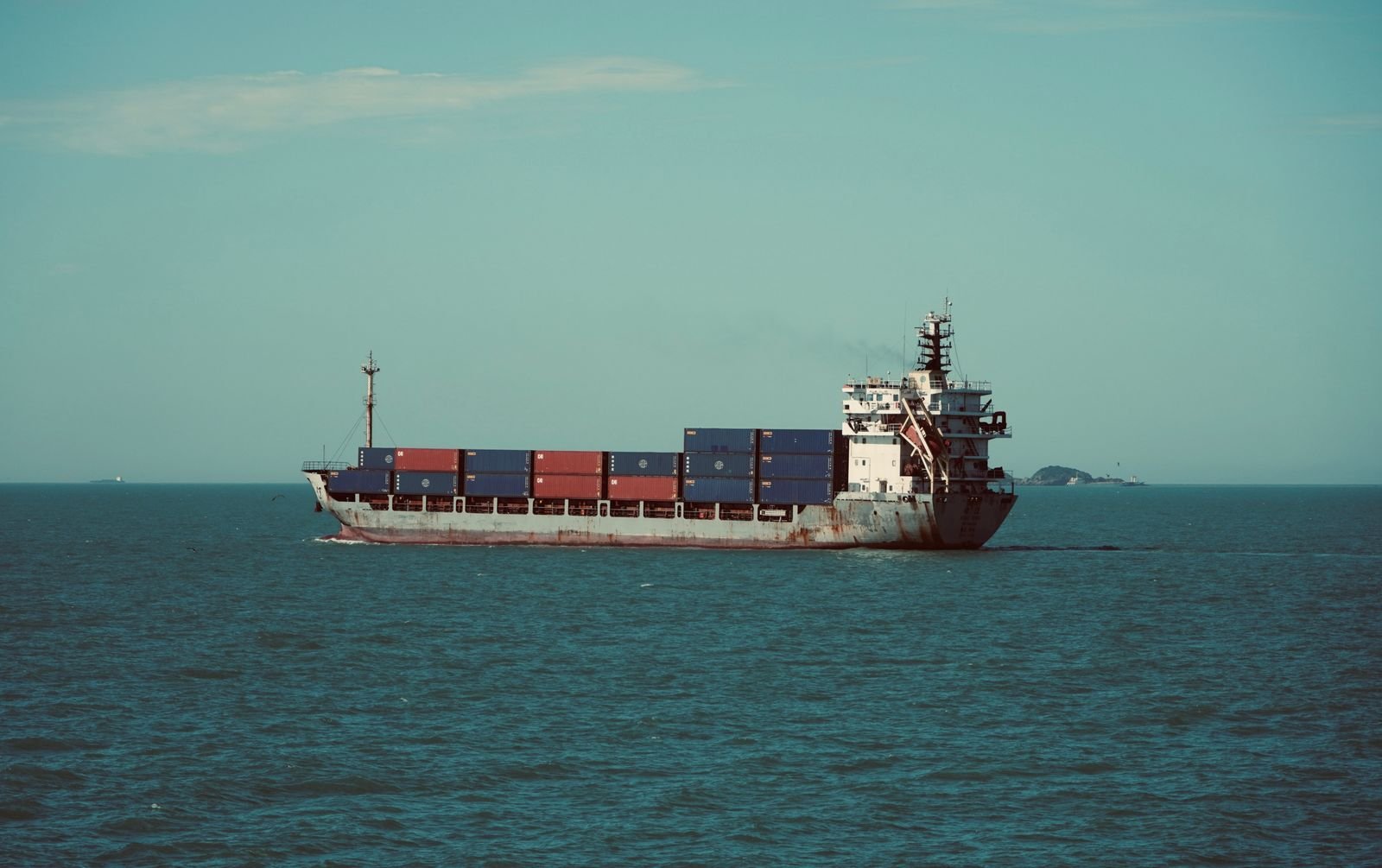
Ten years of talks ended with signatures in Brussels — but the deal will only matter when the tariffs actually fall in 2027.
Reporting based on Reuters, 21 November 2026; ANTARA News, 21 November 2026; and the European Commission Audiovisual Service.
By Muhammad Noman
Journalist | The BNN Media – The Best News Network
News Beyond the Borders