By
As winter settles over China, shoppers are voting with their wallets — and the verdict is awkward for the brands that spent years pushing down jackets upmarket. The coats flying off the shelves are the cheap ones, while premium labels find their priciest jackets gathering dust.
By The BNN Media
The Best News Network
News Beyond the Borders
Beijing, China — Chinese shoppers are snapping up budget down jackets priced below 500 yuan (about $69) as cold weather arrives, while questioning the value of premium brands, Reuters reported on 28 November 2026. A 399-yuan down jacket filled with 90% goose down and produced for Peking University sold out online in mid-November, and a women’s down jacket from US brand Rokka&Rolla, priced at 499.9 yuan at Walmart-owned Sam’s Club, also sold out, according to the retailer’s app.
Budget Jackets Sell Out as Winter Arrives
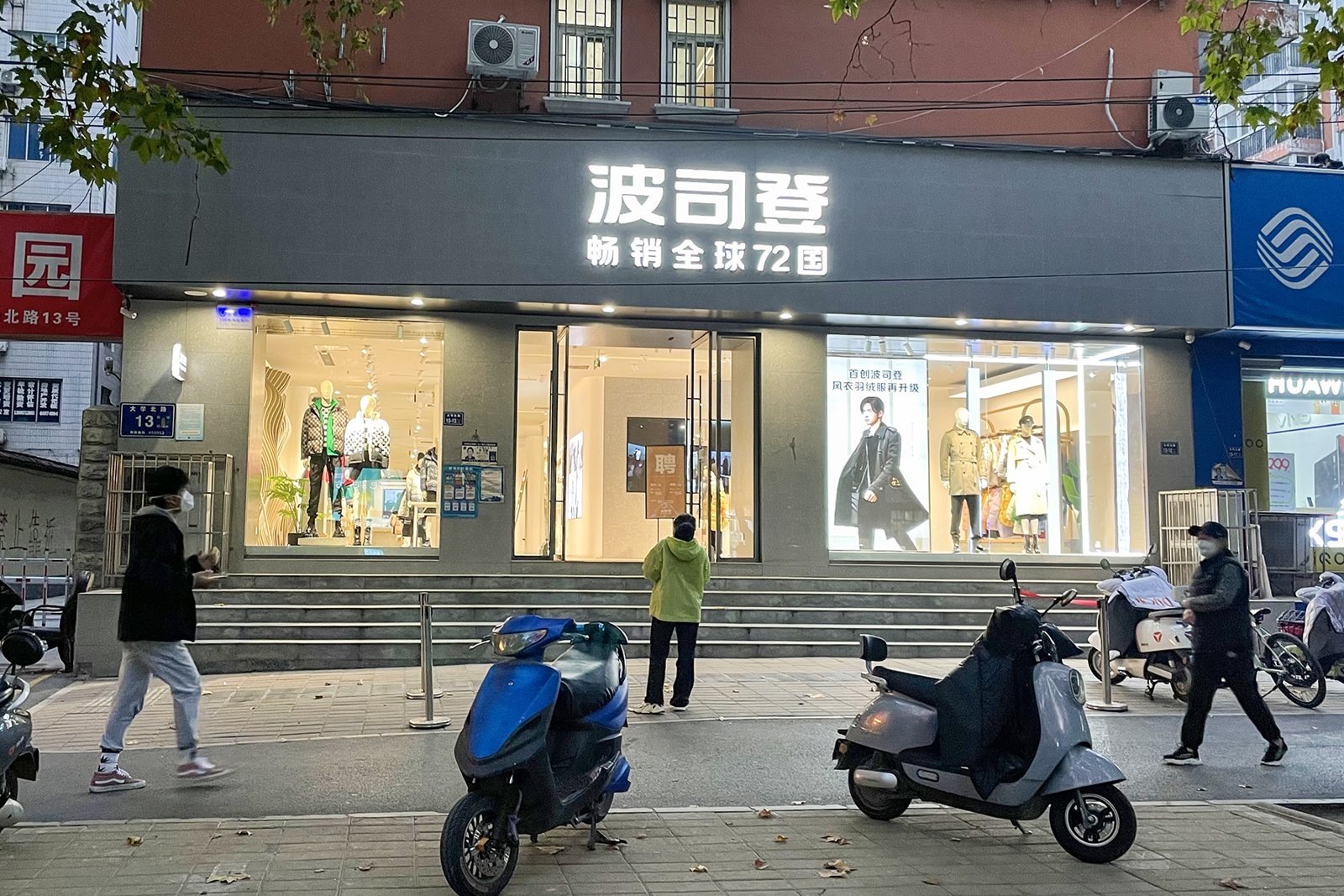
The rush for affordable warmth has been one of the clearest retail stories of China’s early winter. The Peking University jacket, which drew widespread attention on Chinese social media before selling out, became a symbol of the shift: a well-made, warm coat at a price ordinary shoppers could accept without thinking twice.
It was not an isolated case. At Sam’s Club, the 499.9-yuan Rokka&Rolla jacket disappeared from the retailer’s app just as temperatures fell. Reuters reported that jackets priced below 500 yuan were selling briskly across the market, while shoppers openly questioned whether the premium labels were worth the extra money.
The trend marks a shift towards more cost-conscious spending in a market where shoppers have long been pushed to buy more luxurious and expensive clothing, Reuters reported. For many Chinese consumers, staying warm no longer seems to require spending heavily — and the brands that assumed otherwise are now feeling the consequences.
The season’s bestseller is not the most expensive coat in the shop. It is the one priced like a sensible purchase.
A Decade of Rising Prices
The resistance has been building for years, because prices have climbed far faster than many shoppers’ comfort. Research firm iiMedia said the average price of a down jacket in China had more than doubled over the past decade and was forecast to exceed 1,000 yuan in 2025.
That steady climb was driven by brands moving their ranges upmarket — better fill, designer collaborations, flagship stores in prime locations and prices to match. For a time, shoppers went along with it. Down jackets became a status purchase as well as a practical one, and domestic brands such as Bosideng set out to compete with global luxury names such as Canada Goose and Moncler.
But the economics around the shopper have changed. Reuters’ video report from Shanghai on 27 November, presented by Shanghai Bureau Chief Casey Hall, pointed to stagnant wages, weak job security and worries about the property market slump as the forces making consumers more careful with their money. The average price of a down jacket has more than doubled to around $150 over the past decade, according to research cited in the report — and many shoppers have decided that is enough.
Prices doubled, but pay packets did not — and shoppers have finally drawn a line.
The 500-Yuan Line in the Sand
The clearest evidence of where that line sits comes from a survey released this month, cited by Reuters, which found that jackets priced between 401 yuan and 600 yuan were the most popular among consumers. That is the band where the sell-outs are happening — and it sits far below what the premium brands are asking.
The gap is stark:
- Budget favourites: about 399–500 yuan (roughly $55–$69) — selling out, including the Peking University jacket and the Rokka&Rolla jacket at Sam’s Club
- Most popular range: 401–600 yuan, according to this month’s survey
- Bosideng core products: about 1,500–2,500 yuan (roughly $210–$350), the average price the company has said its main lines now carry
- Premium showcase pieces: about 2,278 yuan for a Bosideng jacket featured in advertisements with singer and brand ambassador Wang Leehom
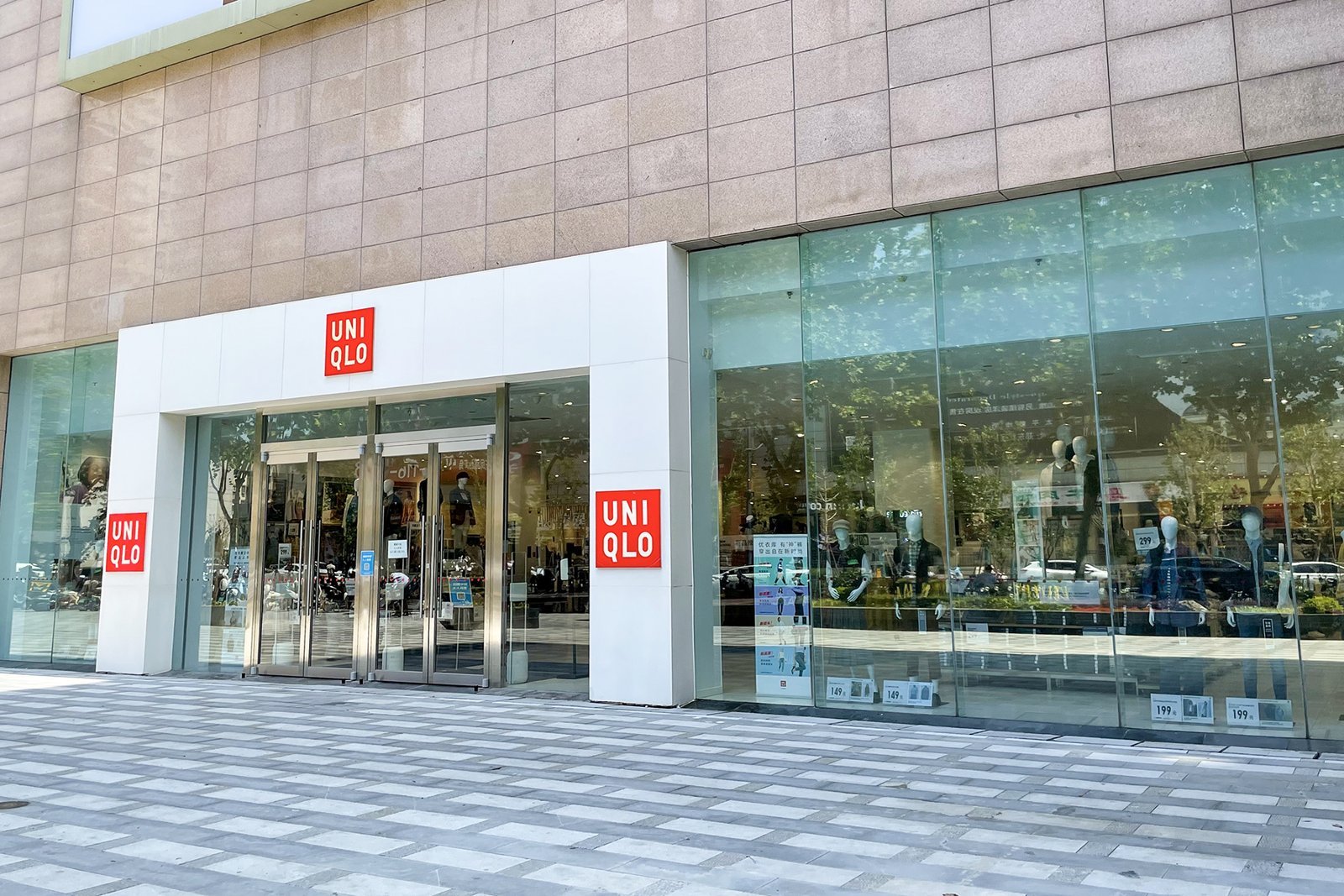
In other words, the jackets shoppers actually want cost roughly a quarter of what the premium push is asking them to pay. Uniqlo, which targets a $55–$85 price point for its down jackets — its PUFFTECH jacket sells for 399 yuan (about $55) on Tmall — has positioned itself squarely inside the range shoppers are choosing.
Bosideng’s Upmarket Gamble
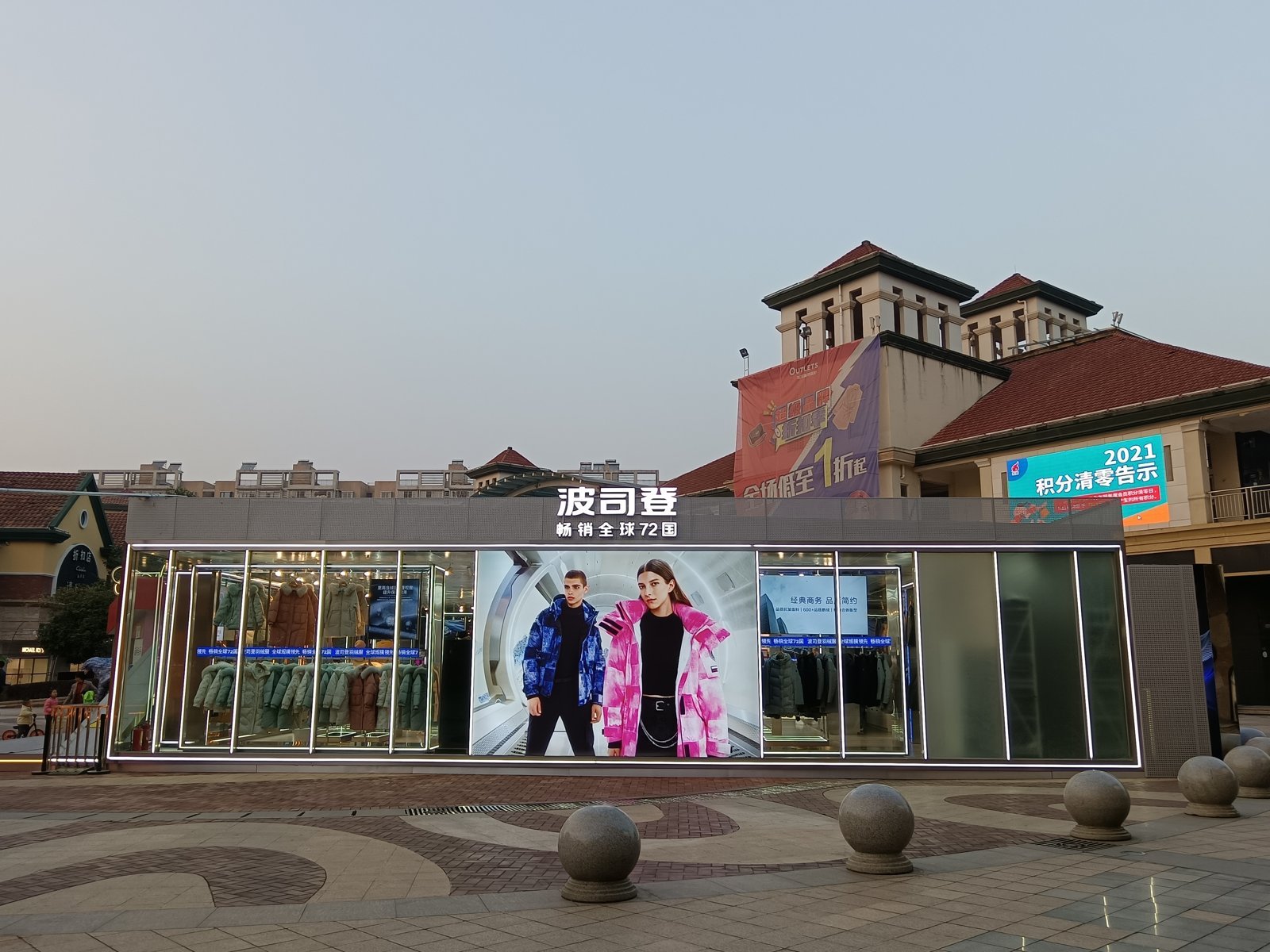
No brand illustrates the tension better than Bosideng, China’s largest down-jacket maker. The company has spent years trying to move from a household winter-wear name into the luxury bracket, opening flagship stores in London and Paris, working with Olympic skier Eileen Gu and launching collections with British designer Kim Jones, formerly of Louis Vuitton and Dior.
This month it launched its third collection from Kim Jones. But some of the higher-priced items saw only limited sales on its flagship store on Tmall, the upmarket online shopping platform, Reuters reported. A blue jacket featured in advertisements with Wang Leehom carried a price tag of about 2,278 yuan but sold just 16 units in the 30 days to 13 November, according to figures displayed on the Tmall store.
Bosideng did not respond to a request for comment from Reuters. The company has also been investing in its factories, including a smart factory in Suzhou using AI and robotics to cut labour costs, as it tries to justify premium prices with better quality and technology. The question the market is now asking is whether shoppers will pay luxury prices for a high-tech jacket made in China — and this winter’s answer, so far, has been hesitant.
Bosideng’s bet is that quality and design can carry a luxury price. This winter, shoppers are answering: prove it first.
Value Over Prestige
The shift is not simply shoppers trading down to the cheapest thing they can find. As Mark Tanner, founder and managing director of Shanghai-based consultancy China Skinny, told Reuters: “Many shoppers are not hunting for the cheapest copy. They want comparable design, function or pleasure without paying a large prestige premium.”
That distinction matters. Shoppers are still buying — in large numbers. More than 30 million down jackets were sold during this year’s Singles’ Day shopping festival, according to e-commerce giant Alibaba, while Uniqlo and Bosideng ranked first and second by sales, retaining their long-held positions at the top of China’s down-jacket market.
Uniqlo surpassed 100 million yuan in Tmall sales within 24 minutes of Singles’ Day promotions launching on 20 October, Tmall said, and the platform listed the brand’s lightweight down jacket, which typically retails for around 500 yuan in China, among its top-selling products. The winners, in other words, are the brands that offer warmth, design and a fair price together — not the ones asking shoppers to pay for the label alone.
Shoppers are not giving up on good coats. They are giving up on paying for the prestige on top of them.
The Luxury End Holds Firm
Yet the picture is not one-sided, and the top of the market has not collapsed. Demand remains resilient among wealthier buyers, and the global luxury brands are still growing in China.
Canada Goose said its Greater China revenue rose 32.5% in the quarter ended September. And Moncler continues to outperform a broader luxury slowdown in the world’s second-largest economy — “China is a very healthy region for Moncler,” the brand’s Chief Corporate and Supply Officer, Luciano Santel, said last month.
The result is a market splitting in two: a broad middle that has become sharply price-sensitive, and a wealthy minority that keeps buying premium outerwear without hesitation. For brands in between — the domestic names trying to climb from the middle to the top — that split is the hardest place to be.
What It Means for Brands — and for Winter
China remains a major stage for global fashion — Gucci is set to present its Cruise 2028 collection in Shanghai in May 2027 — but the puffer-jacket season carries a warning for any brand that assumes Chinese shoppers will keep paying more each year.
The lesson of this winter is that value, not prestige, now decides what sells. Brands that can offer a warm, well-designed jacket at a price shoppers consider fair — around 400 to 600 yuan — are selling out. Brands asking several times that amount must now show, not just claim, why the extra money is worth it. For Bosideng and its rivals, that means the next few months will test whether years of investment in design, technology and flagship stores can win over a shopper who has learned to ask a simple question before buying: is this coat really worth that much?
For shoppers, at least, the answer this winter has been straightforward. Warmth has not become a luxury — and they are not about to start paying luxury prices for it.
The puffer jacket was always about keeping warm. This winter, Chinese shoppers reminded the brands of that.
By The BNN Media
The Best News Network
News Beyond the Borders