 By
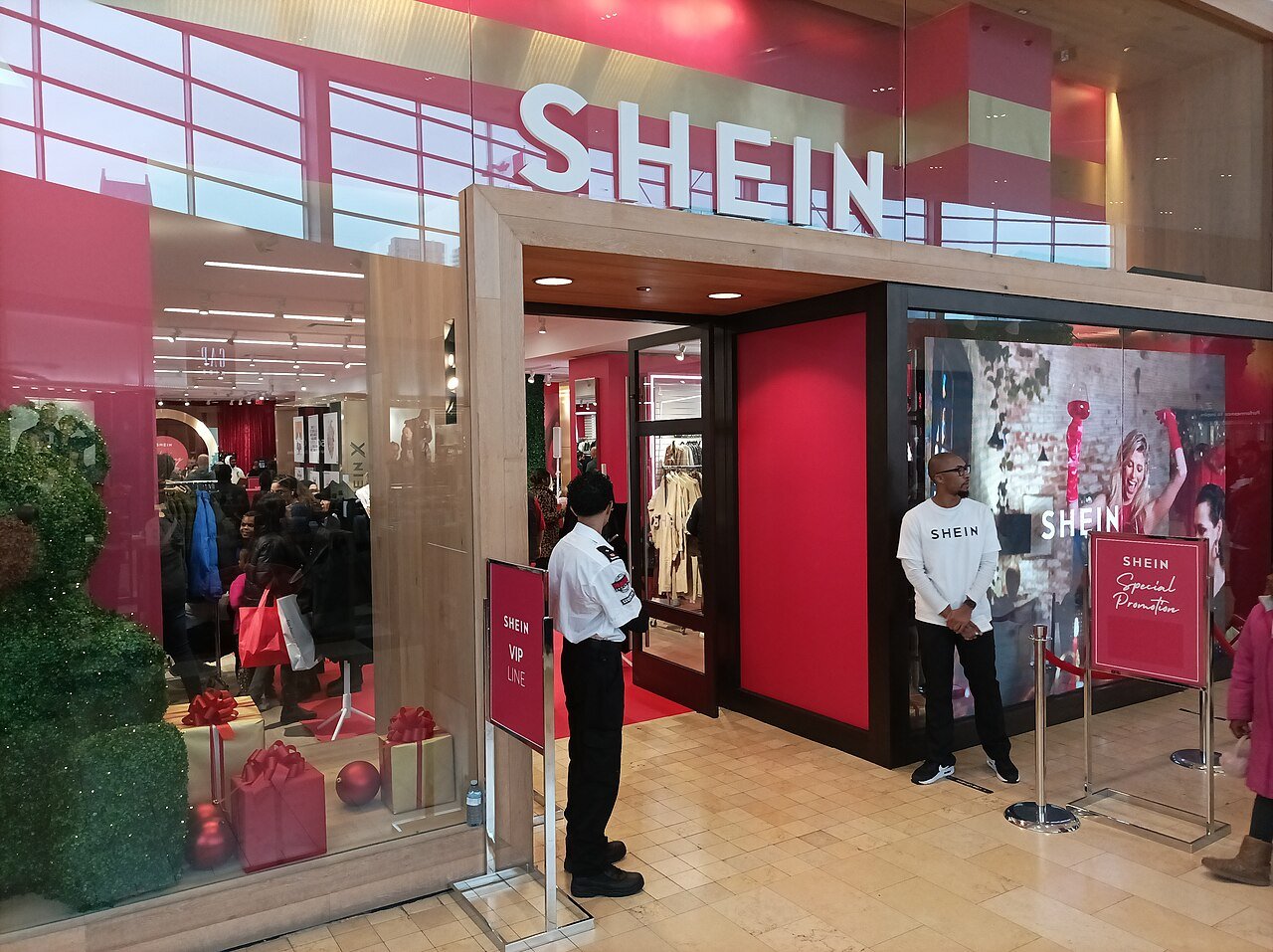
The US Federal Trade Commission says Shein promised fast, reliable shipping and honest reviews — but tens of thousands of shoppers got parcels weeks late or never at all, while negative reviews were suppressed and cotton labelled American came from China.
By The BNN Media
The Best News Network
News Beyond the Borders
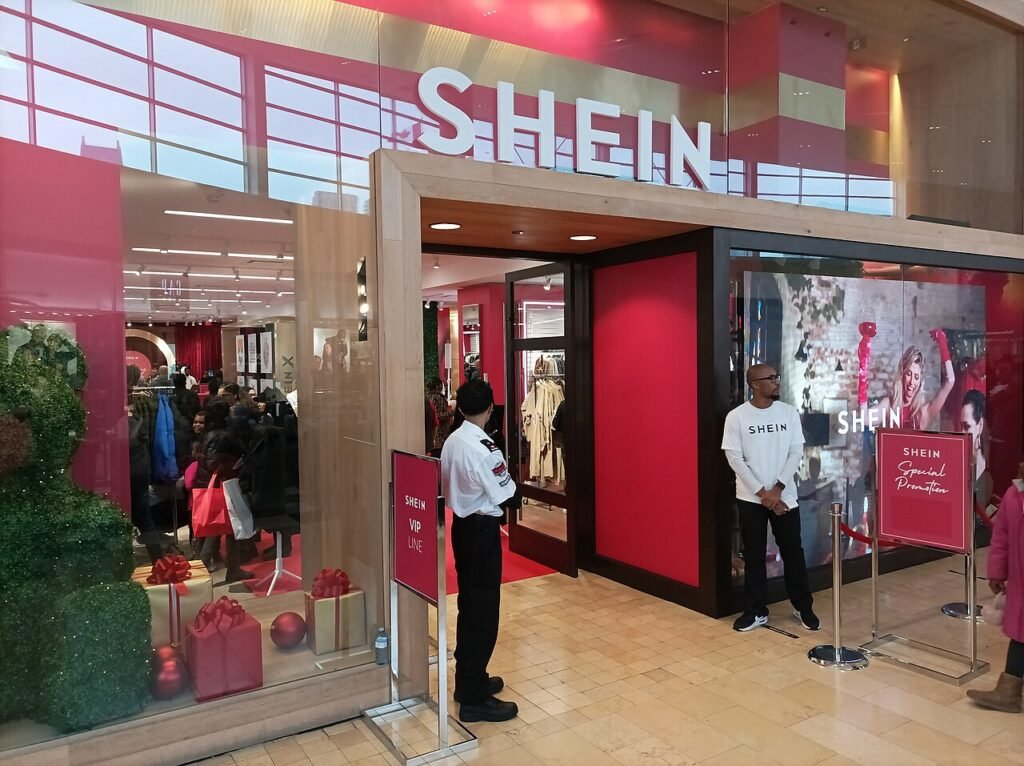
Washington, United States — Shein, the fast-fashion giant that ships nearly one million packages to the United States every day, will pay $100 million to settle allegations by the US Federal Trade Commission (FTC) that it misled American shoppers over shipping times, product reviews and the origin of the cotton in its clothes. The settlement was announced on Tuesday 24 November and reported widely on Wednesday, in what is one of the largest consumer-protection actions ever taken against a fashion retailer.
A $100 Million Settlement
The FTC filed its complaint and a proposed settlement order on 24 November in the US District Court for the Central District of California. The Commission voted 2–0 to authorise the filing. Under the proposed order, the $100 million will be used to provide redress — refunds — to consumers harmed by the practices the FTC alleges.
The money is not yet paid out, and the order is not yet in force: a stipulated final order of this kind takes effect only once a District Court judge approves and signs it. The proposed order records that Shein neither admits nor denies the FTC’s allegations, and no court has found that Shein broke the law. What follows is the FTC’s case, as set out in its complaint — allegations, not findings.
“Shein attracted consumers with promises of affordable clothing, fast delivery and use of suppliers that earned above-average ratings on standards related to child and forced labor, among other representations,” said Christopher Mufarrige, Director of the FTC’s Bureau of Consumer Protection. “In reality, the company misled millions of consumers about its products, its suppliers and the authenticity of its customer reviews. Shein further compounded consumer harm by making it extraordinarily difficult to obtain customer service.”
A hundred million dollars, a federal court filing, and a list of allegations that goes to the heart of how the world’s biggest fast-fashion retailer treats its customers.
Deliveries That Arrived Late — or Never
The central allegation is about shipping. Shein marketed its delivery as fast, transparent and reliable — in the FTC’s words, “lightning fast” — repeating delivery estimates on product pages, at checkout and in confirmation emails. But tens of thousands of consumers reported that their orders arrived days, weeks or months late, while some never received their orders at all.
The FTC alleges that Shein did not give shoppers the delay notices the law requires when a seller cannot ship on time, and did not offer the refunds the law requires in those cases. Shoppers who tried to chase a late or missing order, the complaint says, often could not reach anyone at all. Although Shein ships nearly a million packages a day to the United States, as of September 2025 it employed only five customer service agents to handle telephone inquiries from American consumers — and it did not publish a phone number for those agents on its website. Consumer requests, the FTC says, often went unanswered.
The scale of the complaints is striking. Reuters, citing FTC records, reported that consumers lodged more than 12,000 complaints between January 2020 and June 2026, involving transactions worth more than $11 million. The FTC’s own complaint says its internal analyses showed logistics complaints reaching as high as 53 to 54 per cent of all consumer complaints between 2021 and 2024.
- Nearly 1 million packages shipped to the US every day.
- Five customer service agents handling US telephone inquiries as of September 2025.
- Tens of thousands of consumers reporting orders days, weeks or months late — some never delivered.
- More than 12,000 complaints to the FTC between January 2020 and June 2026, worth more than $11 million.
A retailer built on speed, the FTC alleges, left its customers waiting — and then left them with no one to call.

The Reviews Shoppers Never Saw
The second strand of the case concerns the reviews on Shein’s own website. The FTC alleges that Shein systematically prevented negative reviews from being displayed, publishing positive reviews while suppressing or deleting reviews from customers who criticised its products or returned them.
That matters because reviews are, for an online-only retailer, the closest thing shoppers have to trying a garment on. A shopper reading Shein’s site would have seen a far rosier picture of its products than its customers actually reported — and would have had no way of knowing that the picture had been filtered.
The allegation falls under the FTC’s Rule on the Use of Consumer Reviews and Testimonials, which took effect in October 2024, alongside Section 5 of the FTC Act and the Mail, Internet, or Telephone Order Merchandise Rule — the rule that governs what a seller must do when it cannot ship on time.
If the allegation is right, millions of shoppers made buying decisions on the basis of reviews Shein had curated in its own favour.
The Cotton That Was Not What It Seemed
The third strand reaches into Shein’s supply chain — and into one of the fashion industry’s most sensitive subjects. The FTC alleges that cotton Shein represented as grown in the United States was found to originate from China, and that cotton used in at least some of its products could not be traced to any country of origin at all. Its testing of cotton origins, the agency says, was often inaccurate or inconclusive.
The allegation lands against a charged backdrop. Shein has long faced questions over whether its clothes contain cotton from China’s Xinjiang region, where the US and human rights groups say government-sponsored forced labour programmes target Uyghur minorities. Shein has previously said it does not use Chinese cotton in products sold in the US, where the Uyghur Forced Labor Prevention Act bans imports from Xinjiang. The FTC’s complaint does not allege that Shein’s cotton came from Xinjiang — it alleges that the company’s claims about where its cotton came from were deceptive and, in some cases, untraceable.
The same section of the complaint takes aim at Shein’s “evoluSHEIN” range, marketed as sourced from suppliers with above-average ratings in social-compliance audits designed to protect against child and forced labour. The FTC alleges Shein failed to provide a single audit that supported those claims.
The cotton in a ten-dollar dress, the FTC alleges, came with a story Shein could not prove — and in some cases, a story that was not true.
What Shein Must Do Now
Under the proposed order, Shein will be prohibited from misrepresenting shipping and delivery times, suppressing negative product reviews, refusing to provide adequate customer service, and making deceptive claims about supplier and manufacturer audits or product traceability. The $100 million is due within 30 days of the order being entered by the court, and will be held in escrow by Shein’s lawyers until then.
Shein, which was founded in China and is now based in Singapore, said it had agreed to continue strengthening its consumer practices and compliance efforts as part of the settlement. The FTC will use the funds to reimburse consumers, according to the agency and court documents — though no claim form exists yet, and no eligibility, payment amounts or dates have been announced. The FTC or its designee will administer the fund.
The size of the payment is considerable even by Shein’s standards: Reuters reported that it represents about 44 per cent of the company’s second-quarter profit, according to an earlier Reuters report.
The settlement does not end the scrutiny of fast fashion’s biggest name — it puts its business model, from the warehouse to the website, under a court-backed set of rules.
Why This Matters Beyond Shein
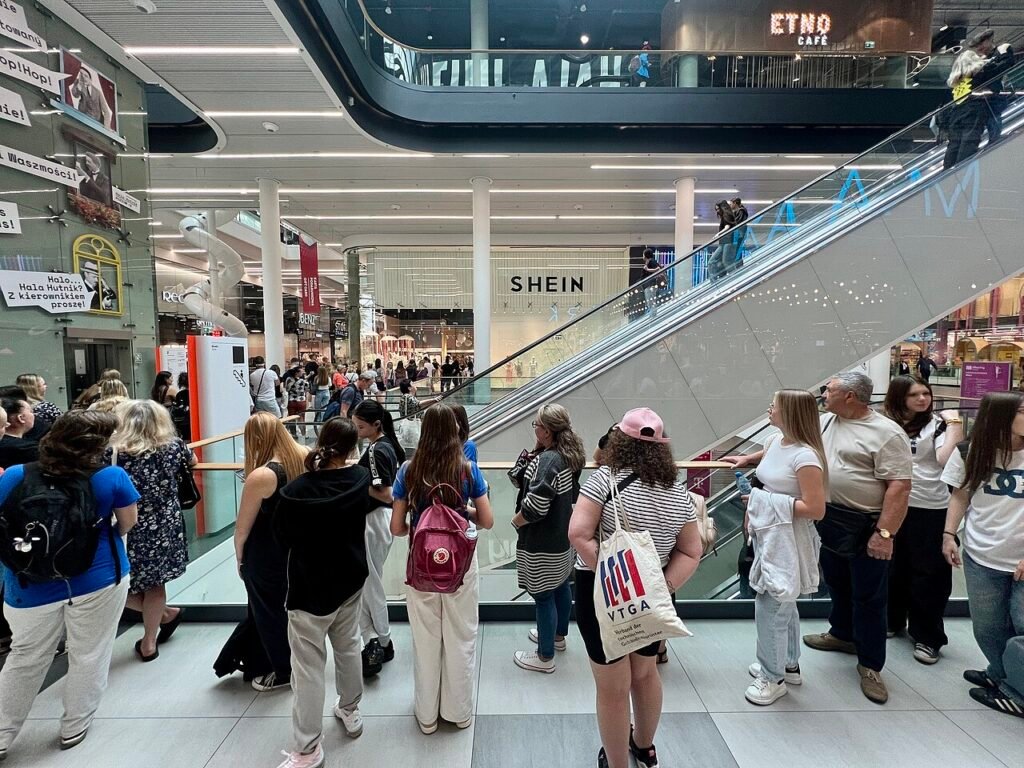
Shein is not the first fast-fashion retailer to face questions about its supply chain, its labour standards or its marketing — but the FTC’s action is the most detailed official account yet of how the model works at the sharp end, where a shopper’s parcel does not arrive and there is no one on the phone to ask about it.
The case also shows how regulators are now treating the mechanics of online shopping — delivery promises, review displays, customer-service access — as consumer-protection issues in their own right, not as minor inconveniences. A website that hides its phone number, filters its reviews and over-promises on delivery is, in the FTC’s view, breaking the law, however cheap its clothes may be.
For shoppers, the practical message is narrower. Anyone who bought from Shein in the US and believes they were harmed by a late or missing delivery, or by a misleading review or product claim, may in time be eligible for redress from the $100 million fund — but there is nothing to claim yet, and no form to fill in. The FTC will say when and how that process works.
For the fashion industry, the message is broader: the era in which a retailer’s claims about speed, ethics and origins went largely untested is ending — and the bill, when it comes, can run to nine figures.
Shein built an empire on the promise of cheap clothes, fast. The FTC’s case is that, for millions of American shoppers, the fast part was a fiction — and the cheap part came with claims the company could not back up.
By The BNN Media
The Best News Network
News Beyond the Borders