
 By
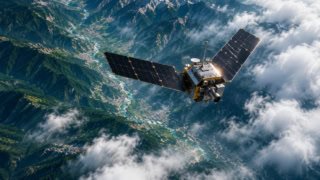
Google has put an AI chip in orbit and it is already writing poetry. The company’s Suncatcher prototype satellite went online this week. It carries the first Google Tensor Processing Units ever sent to space. Its first task after commissioning was writing a haiku about Earth.
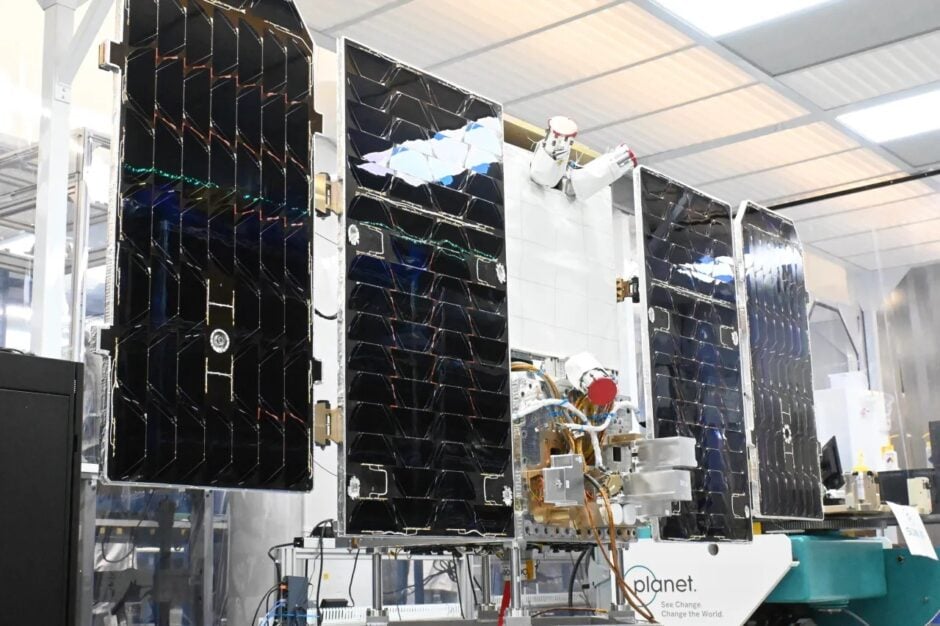
The satellite launched earlier in October on a SpaceX Falcon 9 rocket. It rode alongside more than 100 other spacecraft into orbit. Planet Labs built the satellite carrying Google’s hardware. After roughly three weeks of subsystem testing, it was ready. Engineers on the ground sent their first prompt to the satellite. They asked the pre-loaded Gemma 4 model to write a haiku about space.
The haiku goes as:
Blue marble below
Data streams in silent grace
Starlight feeds my core. ✨
The satellite carries four TPUs and generates up to 1 kW of electricity. However, power constraints mean it can only run one TPU at a time.
That single chip operates for about 20 minutes per session. This limitation complicates the already tricky process of communicating with space. Even so, the model successfully generated poetry and orbital reports. A spokesperson confirmed the satellite was operating normally.
The ongoing test campaign focuses on two key challenges. First, engineers must study how the chips perform under thermal stress. Second, they need to assess how space radiation affects the processors. Radiation can cause “bit flips” that corrupt stored data silently. Ground testing in particle accelerators suggested minimal impact for inference.
However, real orbital conditions could behave differently than simulations. Training workloads face greater radiation risk than inference tasks. These tests will verify those predictions directly.
If the prototype proves capable, Google plans two more satellites in 2027. Those spacecraft will support higher power generation for longer operation. They will also demonstrate optical links between satellites in orbit. These laser connections could eventually support distributed AI workloads.
Google’s Suncatcher project envisions networks of close-flying satellites. They would eventually perform large inference workloads together in orbit. The vision depends heavily on SpaceX’s Starship rocket.
https://www.techjuice.pk/google-suncatcher-satellite-tpu-space-ai/


