By
By The BNN Media
The Best News Network
News Beyond the Borders
A 24-hour nationwide strike has cancelled flights at 15 regional Greek airports, halted ferry sailings and limited Athens metro services to six hours, stranding island travellers on one of the busiest travel days of the autumn.
Athens, Greece — A nationwide 24-hour strike brought much of Greece’s transport network to a standstill on Wednesday, 25 November, cancelling about 32 domestic flights at 15 regional airports and halting ferry services, as public sector workers walked out to demand higher wages and better public services.
Fifteen Airports With No Scheduled Flights
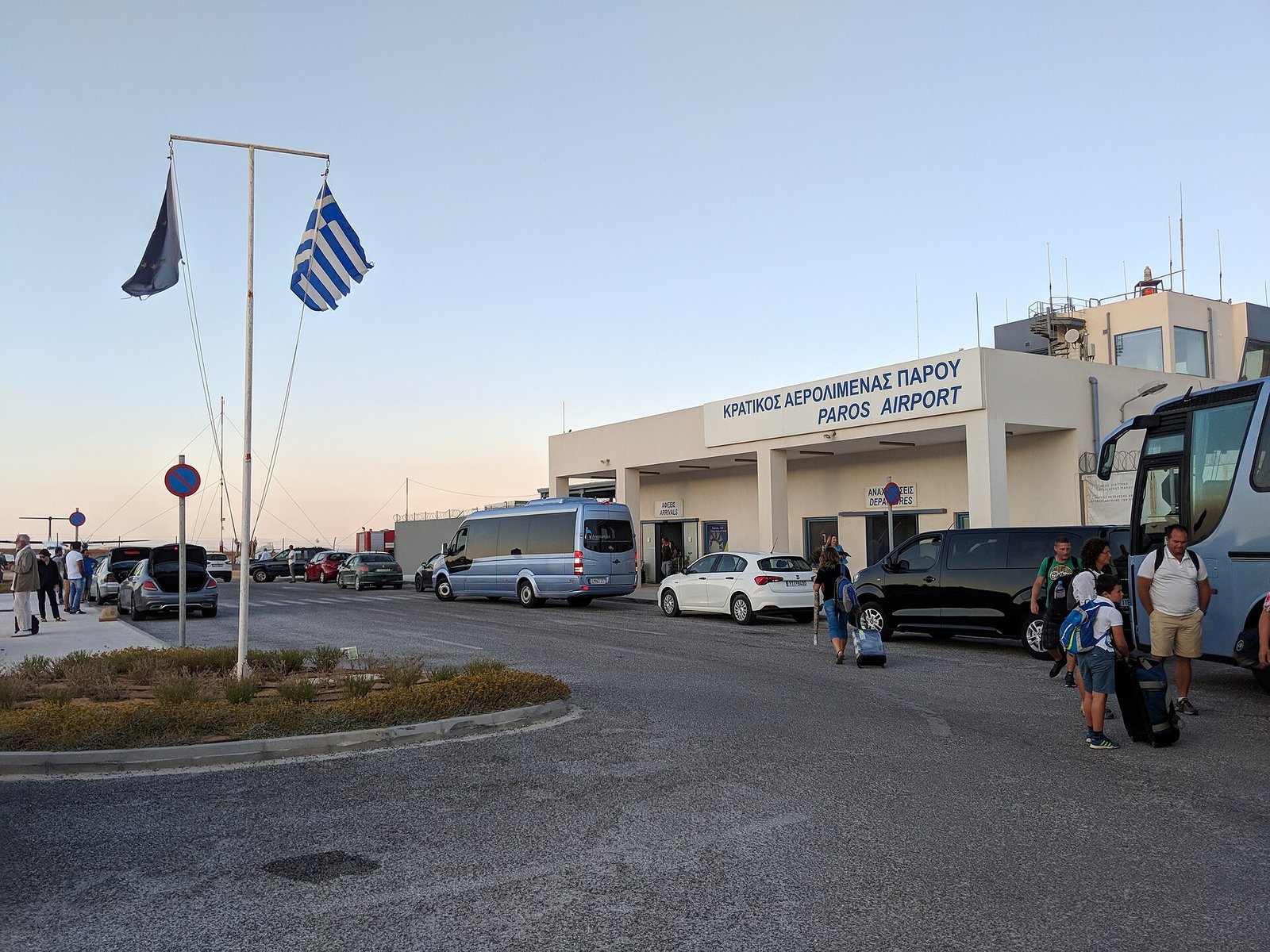
The flight disruption was caused by a walkout of the telecommunications staff of the Hellenic Civil Aviation Authority, whose members operate the Airport Flight Information Service used at Greece’s smaller regional fields. Without them, no scheduled flights could operate at 15 airports for the day, according to Greek media reports.
The affected airports are Astypalaia, Ikaria, Kalymnos, Karpathos, Kasos, Kastellorizo, Kythira, Leros, Milos, Naxos, Paros, Sitia and Syros — a list that reads like an island-hopping itinerary — plus Kastoria and Kozani on the mainland. Only state, military, ambulance, humanitarian and search-and-rescue flights were permitted at those airports, under a formal notice to airmen covering the stoppage.
Greek reports differ on the exact number of cancelled flights, with estimates ranging from about 14 to more than 30; the figure of about 32 cancellations is the one most widely reported, including by Reuters. The strike was a one-day action, so normal schedules were expected to resume on Thursday, 26 November.
For travellers hoping to reach the smaller islands, Wednesday was effectively a no-fly day — and the only way in or out was by sea, which was itself largely shut down.
Aegean and Sky Express Cancel Island Services
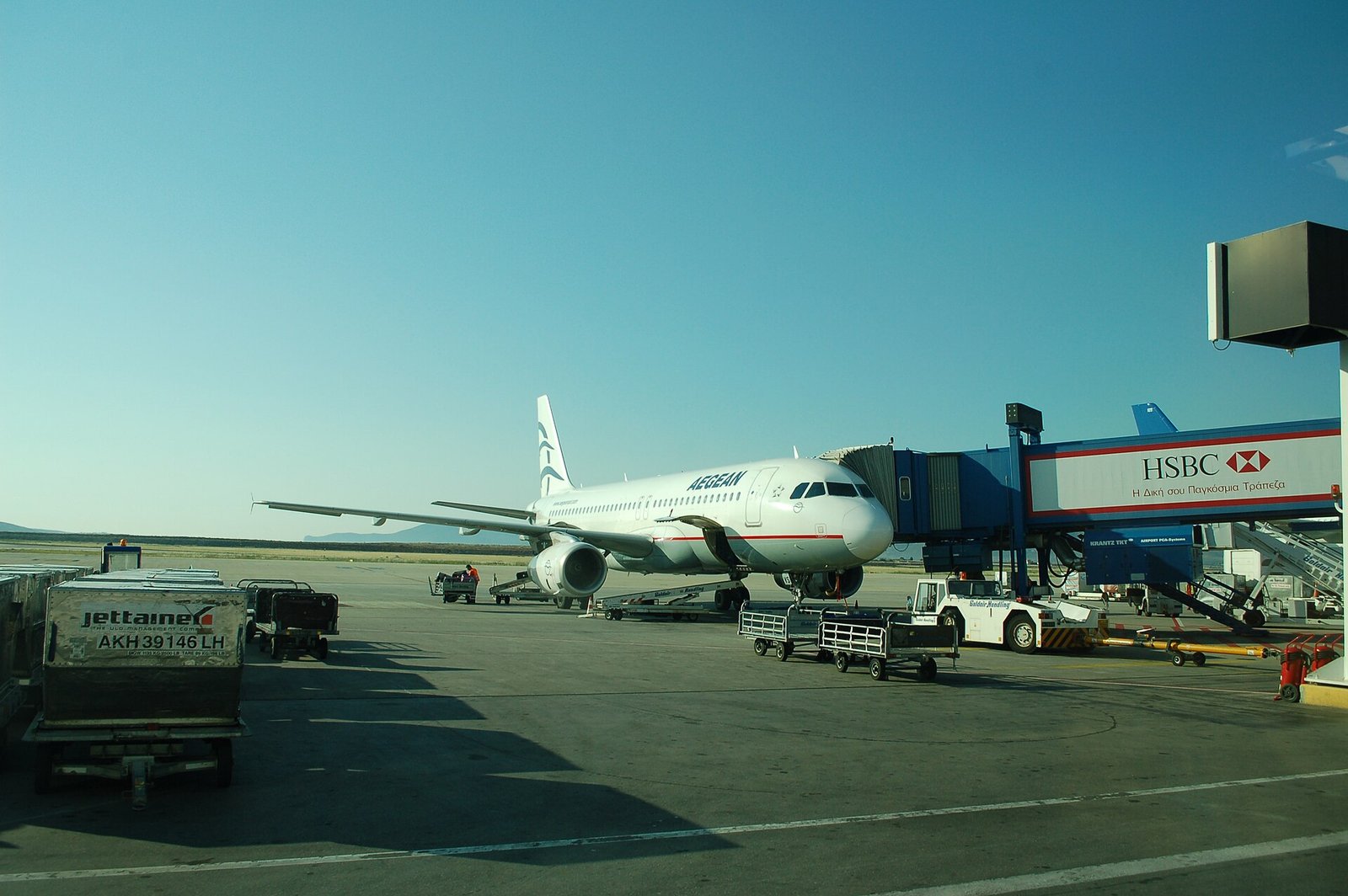
Greece’s two main domestic carriers both cancelled services to the affected airports. Aegean Airlines cancelled seven round-trip pairs, including two rotations between Athens and Paros and its flights to Naxos, Milos and Ikaria, as well as a multi-stop service running Athens–Sitia–Kasos–Karpathos–Rhodes.
Sky Express cancelled 13 legs, among them services to Karpathos, Naxos, Kythira, Paros and Syros and its Athens–Kastoria–Kozani run. The airline said it would contact affected customers by email, while Aegean told passengers they could rebook free of charge through its call centre or take a refund or voucher.
The cancellations are a setback for Aegean in a month when the airline has also been expanding — Aegean is due to fly Athens–Damascus from 2 December as European airlines reconnect with Syria — but Wednesday’s disruption was confined to the domestic island network, not the airline’s international routes.
Ferries Stay in Port, Athens Metro Runs Six Hours
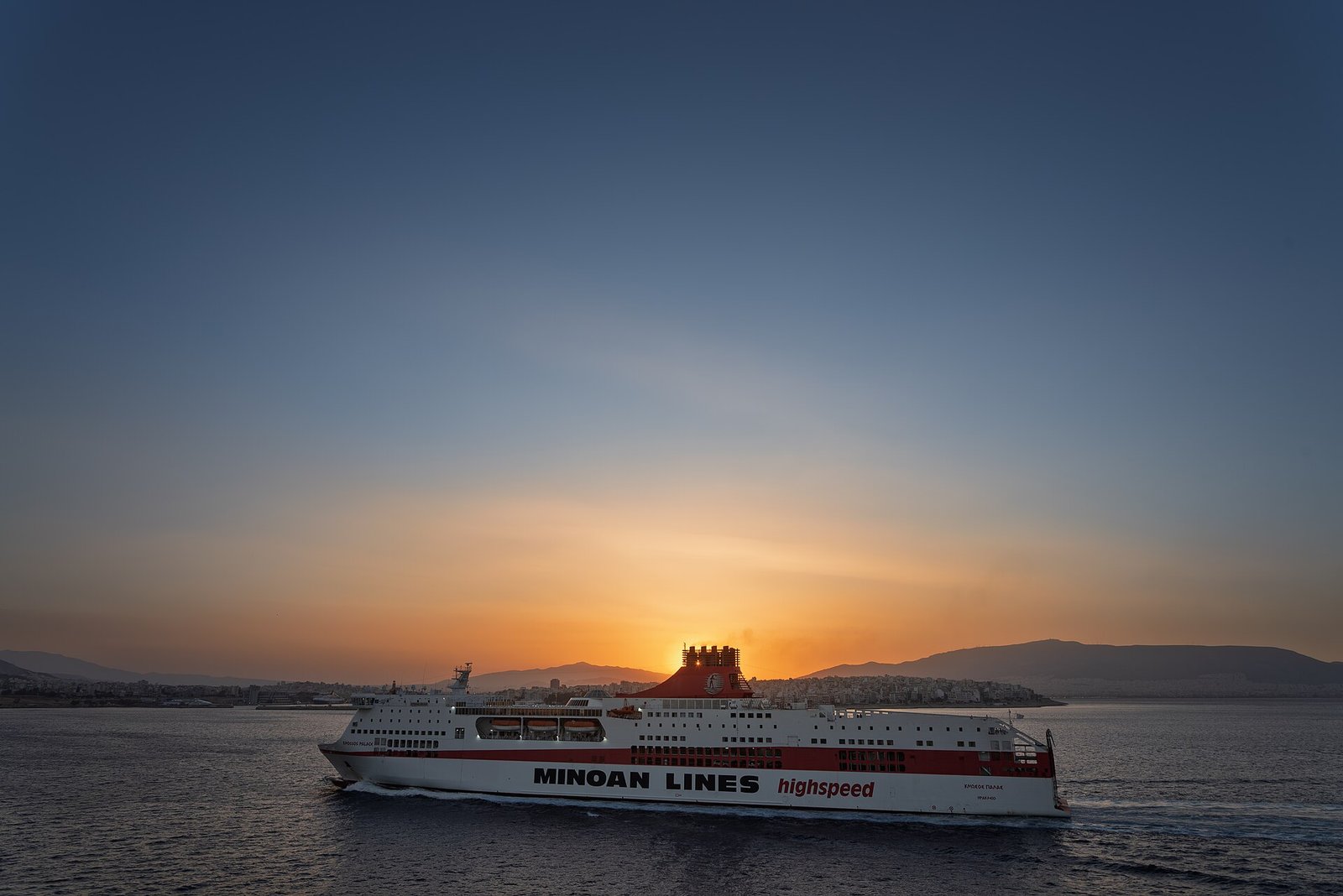
The strike reached well beyond the airports. Seafarers’ unions stopped most ferry sailings nationwide, with the Panhellenic Union of Merchant Marine Engineers and the Panhellenic Union of Lower Engine-Room Crew Members calling a 24-hour strike covering all categories of vessels from just after midnight until midnight on 25 November. The Panhellenic Union of Merchant Marine Sailors also joined, affecting ports in Attica and ferry services on Adriatic routes.
In Athens, metro lines 1, 2 and 3 and the tram network ran only between 9 a.m. and 6 p.m., following work stoppages by staff of STASY, the operator of the capital’s metro and tram network. Metro services to and from Athens International Airport also ran on a limited schedule.
Rail services, including the suburban railway, were expected to operate normally, and buses and trolleybuses were also reported to be running. The breadth of the action — air, sea and city transport at once — is what made Wednesday’s strike unusually disruptive for travellers.
With the islands’ airports closed and the ferries tied up, many travellers had no alternative route at all — the two ways on and off a Greek island were shut on the same day.
Why Workers Walked Out
The strike was called by ADEDY, Greece’s largest public sector trade union confederation, and joined by several private-sector unions. Workers are demanding the restoration of the 13th and 14th monthly salaries — annual bonuses scrapped during Greece’s debt crisis — along with wage increases, more spending on health and education, and improved working and living conditions.
The action, reported by Reuters from Athens, also sought action on the cost of living, jobs and social problems. Public sector workers have staged a series of one-day strikes over pay and staffing in recent years, but the participation of aviation telecommunications staff and seafarers gave this one an unusually direct effect on travel.
The timing, in late November, falls outside the peak summer tourist season, so the disruption hit Greek residents and off-season visitors rather than the summer crowds. Even so, island communities that depend on daily air and ferry links for supplies, medical travel and business felt the stoppage immediately.
Athens Airport Keeps Flying
Travellers heading to or from the capital itself were largely spared. Flights at Athens International Airport were expected to operate normally, after the Civil Aviation Authority went to court to stop other aviation unions from joining the strike. On 23 November, a court declared the 24-hour strike announced by the Federation of Civil Aviation Authority Associations (OSYPA) unlawful, keeping the main airport’s services running.
That distinction matters for anyone planning a journey through Greece this week: the disruption was concentrated on the smaller regional and island airports, not on Athens. International flights in and out of the capital were not part of the cancellations announced by Aegean and Sky Express.
Passengers with bookings to the affected islands were advised to contact their airline or shipping company directly. Aegean said affected passengers could change tickets without a reissue fee or fare difference by calling its customer line, while Sky Express said it would notify passengers by email using the address given with their reservation.
What Travellers Should Do Now
For anyone caught by the strike, the practical advice is straightforward. First, check the status of the specific flight or sailing before travelling to the airport or port — schedules were expected to return to normal on Thursday, but rebooked passengers will be competing for limited seats on the first flights out. Second, keep every receipt: airlines operating in the European Union owe passengers care and, in many cases, re-routing or refunds when flights are cancelled, even when the cause is a strike.
Third, consider the ferry alternative only after checking that sailings have actually resumed, since seafarers’ unions were part of the same 24-hour action. And for travel within Athens, plan around the metro’s reduced hours — 9 a.m. to 6 p.m. — with early-morning and evening journeys needing a bus, taxi or other option.
The strike was scheduled to end at midnight on Wednesday, and with no extension announced, Greece’s island links should be back in service on Thursday. But for the travellers who spent Wednesday watching departure boards that never changed, the day was a reminder of how quickly a small group of essential workers can close off an entire archipelago.
The strike lasted a single day — but for island travellers, a single day with no flights and no ferries is a day with no way home.
By The BNN Media
The Best News Network
News Beyond the Borders