By
By The BNN Media
The Best News Network
News Beyond the Borders
Trading in tokenised versions of real company shares on the Solana blockchain hit a record of about $1.8 billion in a single week, as Wall Street’s biggest names — from Apple to Anthropic — find a new home on crypto rails.
London, United Kingdom — Tokenised stocks on the Solana blockchain recorded their biggest week ever, with spot trading volume of about $1.84 billion between 16 and 22 November, the highest weekly figure on record and a fresh sign that traditional shares are moving onto blockchain networks. Solana’s share of all on-chain tokenised-stock trading rose to 43 per cent, its highest since June.
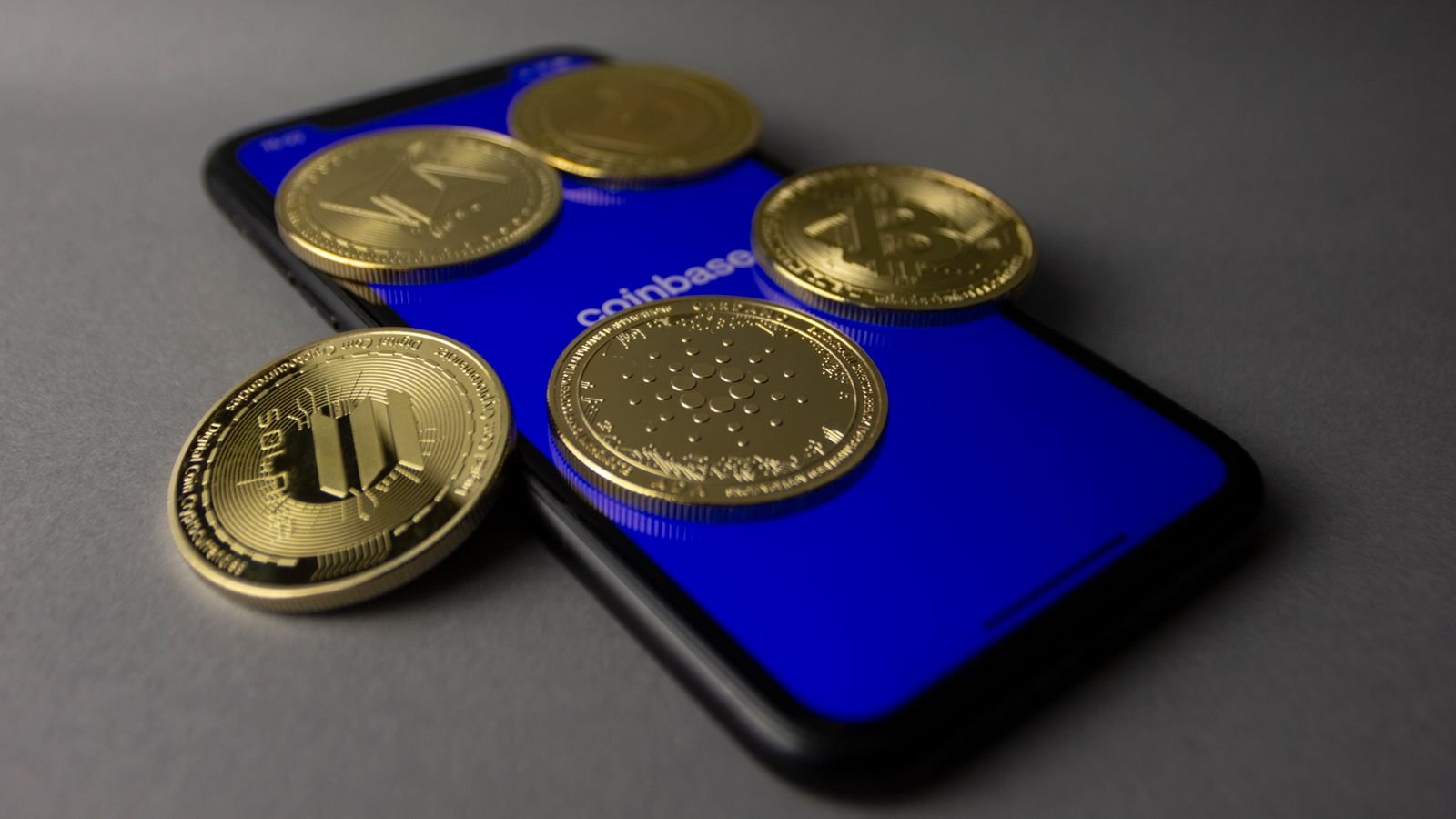
A Record Week for Tokenised Stocks
Tokenised stocks are digital tokens on a blockchain that represent shares in a listed company, such as Apple, Tesla or Nvidia. They can be bought, sold and held in a crypto wallet, and traded around the clock on decentralised exchanges, rather than only during stock market hours.
The value of tokenised equities circulating on Solana has now reached $1.22 billion, nearly double the level at the end of October, according to figures announced by Solana on 19 November. Weekly spot trading volume of about $1.84 billion beat the previous peak of roughly $1.4 billion recorded at the end of June, and volumes have now topped $1 billion a week repeatedly since September, after starting the year at far smaller levels.
The record does not mean $1.84 billion of new money entered the network — it measures turnover, the total value of trades changing hands. Even so, the pace of growth has surprised many in the industry: a market that barely registered at the start of the year is now moving billions of dollars a week.
The headline is not the size of one week, but the direction of travel: tokenised stocks have gone from an experiment to a billion-dollar weekly market in less than a year.
Anthropic and the New On-Chain Listings
Much of the week’s activity came from newly listed names. Tokenised shares of Anthropic, the artificial intelligence company behind the Claude chatbot, generated more than $134 million in first-day on-chain trading volume after the company’s stock market debut last week, according to market reports.
Several platforms are now offering tokenised shares on Solana. Backpack Securities accounted for a large share of the week’s volume, with its tokenised equities trading about $1.39 billion in the week. Ondo Finance, one of the leading issuers, offers more than 200 tokenised United States stocks and exchange-traded funds on Solana, with on-chain assets of more than $500 million as of October. xStocks has accumulated $7.5 billion in trading volume, while Backpack Securities has processed more than $6 billion, according to Solana’s October ecosystem report. Securitize, another issuer, began offering on-chain United States stocks on Solana in October with 12 stocks and expanded to 25 in early November, with its tokens backed one-for-one by the underlying shares.
The range of shares now available on-chain covers household names — Apple, Microsoft, Nvidia, Tesla and Amazon among them — giving crypto wallet holders direct exposure to Wall Street without opening a brokerage account.

The CoinGecko Deal
The trading boom comes in the same month that the Solana Foundation, the non-profit organisation behind the network, took a majority interest in CoinGecko, one of the crypto industry’s most widely used price-tracking platforms.
The deal was announced on 17 November at Breakpoint, Solana’s flagship conference in London. Vibhu Norby, the Solana Foundation’s chief product officer, confirmed on social media that the foundation “now has a majority interest in CoinGecko”. Neither side disclosed the purchase price or the exact size of the stake.
CoinGecko, founded in 2014, provides market data to about 180,000 crypto applications and businesses through its data interfaces, and has about 18 million registered users. The two sides said they would work together to expand CoinGecko’s market data and research tools and to explore trading features, including new on-chain trading and decentralised finance experiences powered by Solana. CoinGecko said it would continue to serve customers with independent coverage, while adding new capabilities with the foundation’s backing.
The deal ends more than a decade of CoinGecko operating as an independent, self-funded company. In January, CoinDesk reported that the company had hired investment bank Moelis to explore a sale at a valuation of around $500 million, although the price the Solana Foundation ultimately paid has not been disclosed.
CoinGecko is where millions of people check crypto prices every day — owning the data layer behind the trading boom is a strategic move, not just an investment.
Solana 1.0 and the Breakpoint Week
The CoinGecko announcement capped a week of major news from the Solana ecosystem. On 16 November, the Solana Foundation formally retired the “mainnet beta” label that had accompanied the blockchain since its launch in March 2020, moving the network to protocol version 1.0. The upgrade, described as a shared protocol version that does not depend on any single validator software, also cut block times towards a target of 200 milliseconds.
At Breakpoint, the foundation also introduced solana.ai, a hub linking more than 120 teams building artificial intelligence products on the network, and showed tools for AI agents, including the x402 payments system, which has processed hundreds of millions of payments.
There was also a traditional-finance announcement with long-term significance: on 12 November, the Depository Trust and Clearing Corporation (DTCC) said it planned to connect its tokenisation service to Solana in the second half of 2027, which would allow eligible securities held at the Depository Trust Company to be tokenised on the network.
The Gap: Trading Is Booming, but DeFi Use Lags
For all the trading records, one gap stands out. Of a $49.6 billion market of tokenised assets tracked by the analytics platform Token Terminal, only $4.1 billion — about 8.2 per cent — is actually deployed on decentralised finance platforms, where assets are lent out or used as collateral, according to figures cited by AMBCrypto this week.
Tokenised equities held in decentralised finance have grown fast, from $14.9 million to $274 million over the past year, a rise of nearly 1,800 per cent. But that is still a small fraction of the $49.6 billion tokenised asset market, and Solana’s share of tokenised equity held in decentralised finance stands at 32 per cent, ahead of Ethereum’s 20 per cent.
Solana’s decentralised finance lead, Ramzy Ali, said this week that tokenised stocks become genuinely useful when holders can lend them or use them as collateral — not merely buy and sell them. The message is that trading volume alone is not enough: the next step is making tokenised shares work inside lending and borrowing markets, the way real shares work in traditional finance.
- Trading: tokenised stocks on Solana hit a record $1.84 billion in weekly spot volume.
- Holding: $1.22 billion of tokenised equities now circulates on the network.
- Using: only about 8.2 per cent of all tokenised assets sits in decentralised finance.
The trading boom is real, but it is still mostly buying and selling — the harder test is whether tokenised shares become useful as collateral, not just as something to trade.
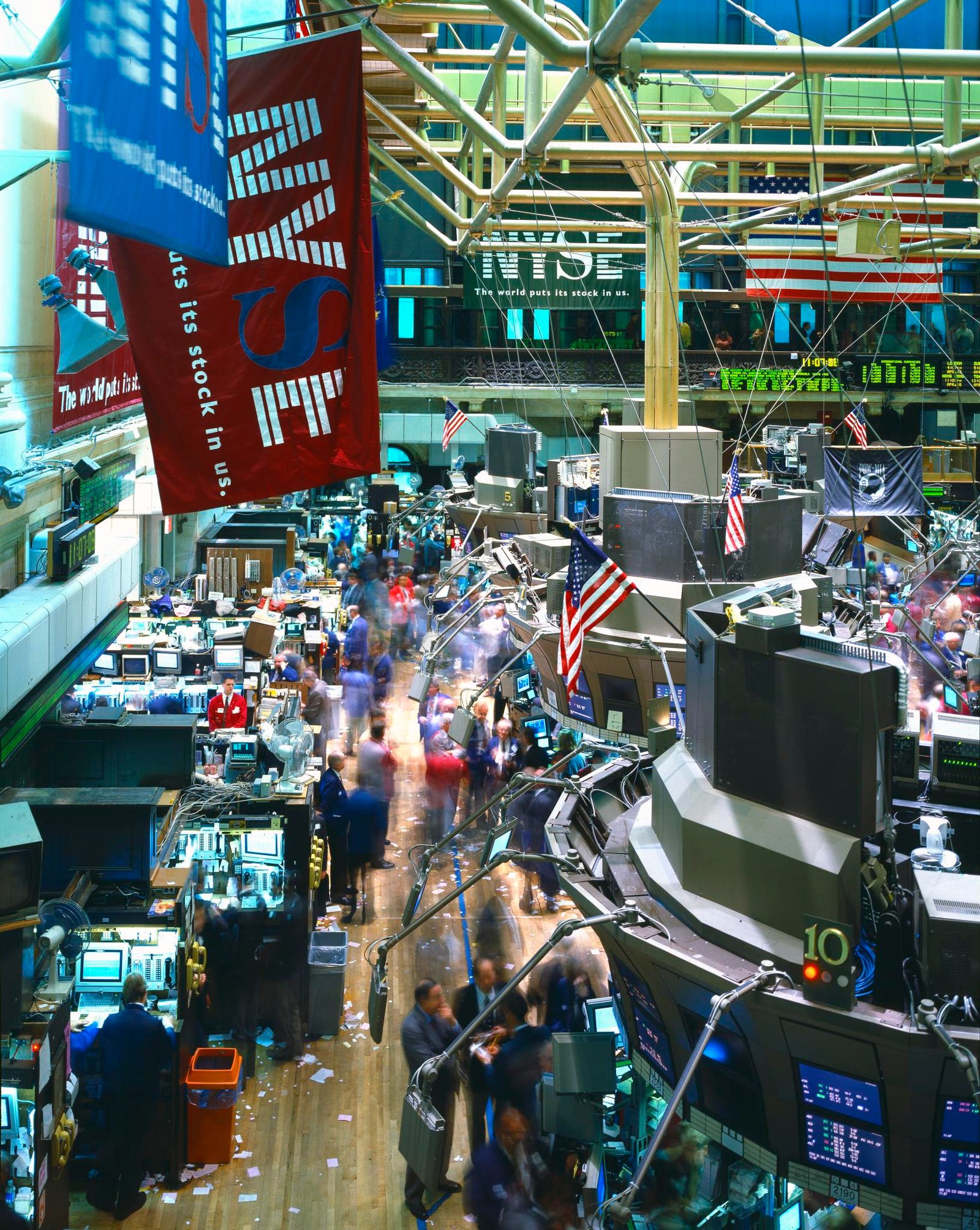
Prices Tell a Different Story
The surge in on-chain activity has not lifted the price of Solana’s own token. SOL traded at about $69.83 on Wednesday, 25 November, down about 31 per cent over the past 30 days and about 76 per cent below its peak of roughly $293 in January 2025. Its market capitalisation stood at about $41.35 billion.
Prediction markets are pricing in further downside: Polymarket users put the chance of SOL falling to $60 by 31 December at 49 per cent, and the chance of a drop to $50 at 26 per cent. Bitcoin, which reclaimed $60,000 last weekend, has also slipped back below that level this week, trading at about $59,300 on Wednesday, with United States spot Bitcoin exchange-traded funds recording net outflows of $569.7 million on Monday, 23 November.
Analysts are split on what comes next for SOL. One trader, Jesse Olson, pointed to early signs of a reversal, including a bullish divergence and a buy signal on the relative strength index, but said momentum remained to the downside and that he expected rallies to be sold. Another, Gordon Gekko, said the bullish divergence had been confirmed and that sellers were becoming exhausted. Both expect choppy trading in the near term.
What Comes Next
The tokenised-stock market on Solana now faces two tests. The first is institutional: the DTCC’s planned connection in the second half of 2027 would bring the plumbing of the traditional United States securities market onto the network, but that integration is still more than half a year away and its details have yet to be announced.
The second is practical: CoinGecko’s trading plans remain exploratory, with no launch date, features or fee structure announced, and the wider industry still needs to show that tokenised shares can be used as collateral and in lending, rather than simply traded.
What is already clear is that the centre of gravity for tokenised stocks has shifted. Solana now captures 43 per cent of cross-chain spot volume in the category, ahead of every other network, and the biggest names in traditional finance — from the DTCC to the issuers listing Wall Street shares on-chain — are building on it. Whether that activity turns into durable value for the network’s token is a separate question, and for now the market’s answer is cautious.
Wall Street’s shares are moving on-chain faster than anyone expected — but the price of the chain they are moving onto is still falling, and that tension will decide what this boom is really worth.
By The BNN Media
The Best News Network
News Beyond the Borders