By
India chairs the 25th ministerial meeting of the Indian Ocean Rim Association, bringing together 23 member states and 12 dialogue partners to set the grouping’s direction on trade, security and cooperation.
By The BNN Media
The Best News Network
News Beyond the Borders
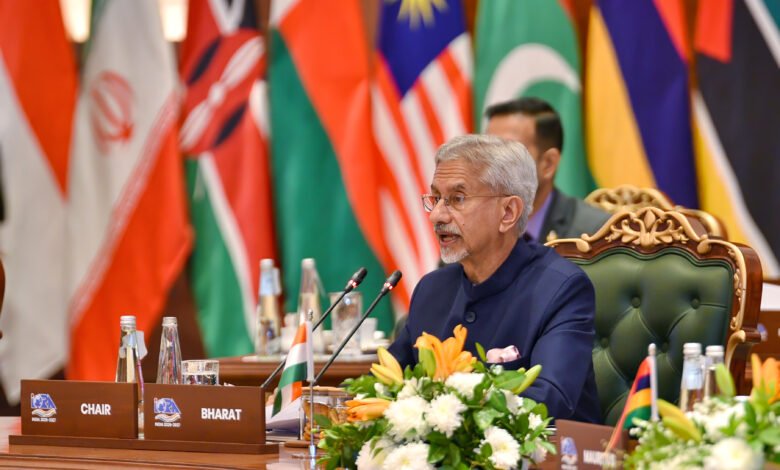
New Delhi, India — India hosted the 25th Council of Ministers meeting of the Indian Ocean Rim Association (IORA) in New Delhi on Friday, 27 November 2026, with foreign ministers and senior officials from 23 member states and 12 dialogue partners gathering to review regional cooperation and set the association’s future direction. The meeting, chaired by External Affairs Minister S. Jaishankar, was held under India’s chairship of the grouping for 2025–2027.
Ministers gather at a critical moment for the region
The ministerial meeting is the highest decision-making body of IORA, made up of the foreign ministers of its member states. According to a statement from India’s Ministry of External Affairs (MEA), issued ahead of the meeting, the gathering comes at a “critical juncture for the Indo-Pacific region” and will deliberate on the future policy direction of the association, reviewing regional cooperation frameworks and identifying new areas of collaboration.
The MEA said the New Delhi meeting would underline the importance of the Indian Ocean as a region of peace, stability, predictability and sustainable development, and reaffirm India’s commitment to an open, inclusive and rules-based maritime order. Ministers and senior officials from across the membership attended, with nine foreign delegations — including ministers and senior representatives from Malaysia, Singapore, Mauritius, the United Arab Emirates, Sri Lanka, Seychelles, Somalia, Australia and Indonesia — arriving in India between 25 and 27 November, according to reporting by IANS.
The meeting’s central message was clear: the Indian Ocean’s countries must speak with a stronger collective voice.
A chairship built on four words
India’s chairship of IORA for 2025–2027 is guided by the theme “Innovation, Openness, Resilience and Adaptability in the Indian Ocean Region”. Jaishankar returned to that theme in his opening remarks, saying it reflected India’s conviction that IORA must remain responsive and adaptive to a changing regional and global environment while delivering tangible benefits to its member states.
The theme of the day’s meeting itself was “a stronger regional voice positioning IORA in a changing global order”, a subject Jaishankar described as particularly relevant at a time of significant geopolitical change. In his opening remarks, he said IORA must enhance its collective voice and reinforce its role as an inclusive regional platform — something he said required greater coordination among member states, meaningful collaboration with dialogue partners and a strong focus on practical cooperation.
“I am confident that our deliberations today will help advance these objectives and provide a clear direction for the future of our Association,” Jaishankar said, according to IANS.
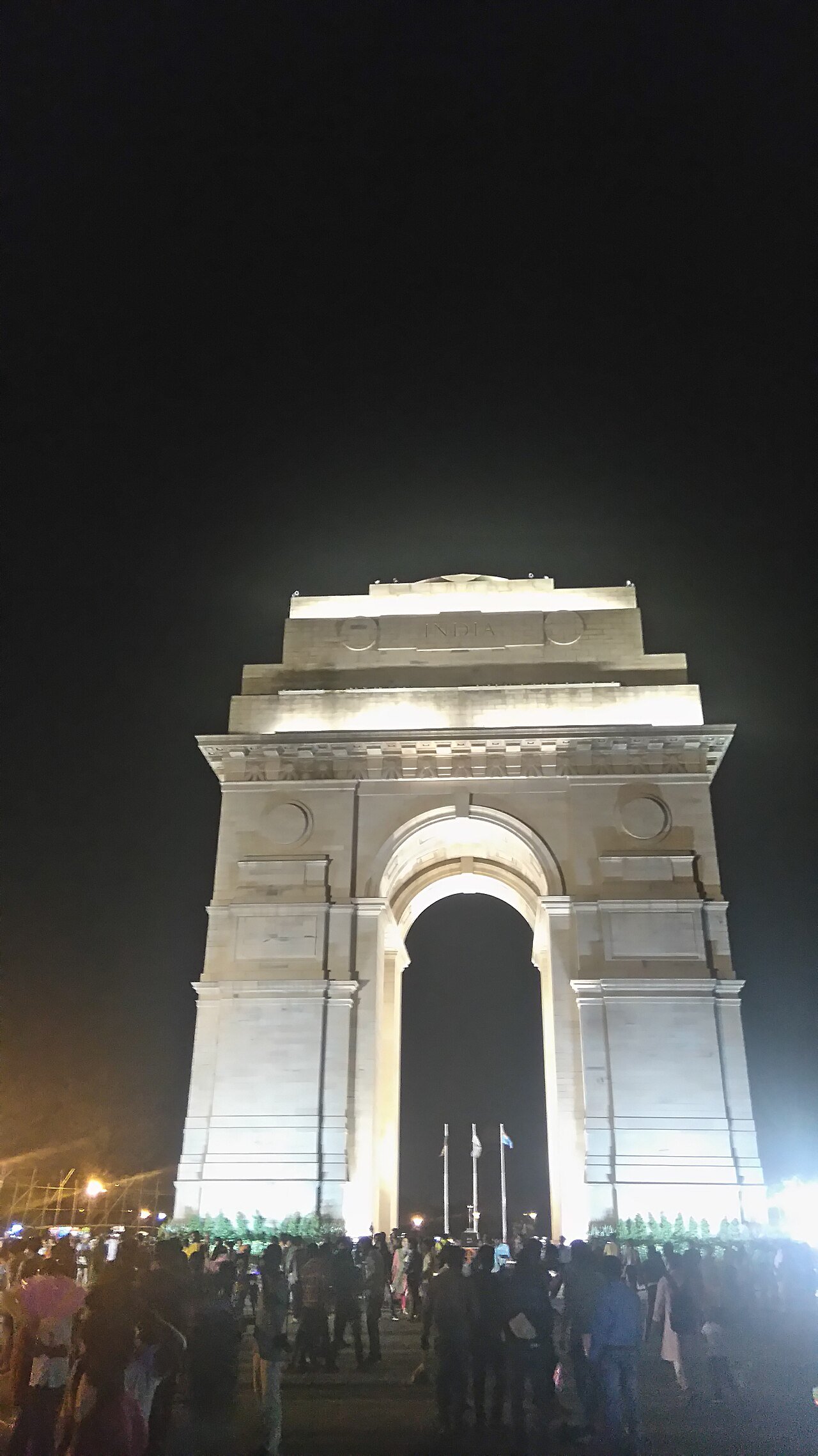
MAHASAGAR: the vision guiding India’s approach
Jaishankar told the meeting that India’s approach to IORA and its chairship was guided by the vision of MAHASAGAR — Mutual and Holistic Advancement for Security and Growth Across Regions — which builds on India’s earlier SAGAR vision, or Security and Growth for All in the Region.
“The Indian Ocean is central to global trade, energy security, connectivity and economic prosperity. It is also a region of immense diversity, opportunity and shared challenges,” Jaishankar said in his opening remarks. “Our collective responsibility is to ensure that it remains peaceful, stable, secure and conducive to development.”
The MEA statement ahead of the meeting had likewise framed the gathering as a reaffirmation of India’s commitment to MAHASAGAR, driving collective action for an open, inclusive and rules-based maritime order. Jaishankar said India was using its chairship to strengthen cooperation across IORA’s priority areas and cross-cutting issues, deepen engagement with dialogue partners, promote practical regional initiatives, and advance the financial and institutional strengthening of the association.
For New Delhi, the meeting was as much about the institution as about the agenda: a stronger institutional foundation, Jaishankar argued, is essential if IORA is to fulfil a larger role in the region.
Who sits at the table
The 23 member states of IORA are India, Australia, Bangladesh, Indonesia, Iran, Kenya, Madagascar, Comoros, France, Malaysia, Maldives, Mauritius, Mozambique, Oman, Seychelles, Singapore, Somalia, South Africa, Sri Lanka, Tanzania, Thailand, the United Arab Emirates and Yemen.
Its 12 dialogue partners are China, Egypt, the European Union, Germany, Italy, Japan, South Korea, Russia, Saudi Arabia, Turkey, the United Kingdom and the United States.
Among the arrivals reported ahead of the meeting were Sri Lanka’s Minister of Foreign Affairs, Foreign Employment and Tourism, Vijitha Herath, and Mauritius’ Minister of Foreign Affairs, Regional Integration and International Cooperation, Dhananjay Ramful. The UAE’s Minister of State, Shaikh Shakhbout bin Nahyan Alnahyan, was also scheduled to arrive on 27 November.
In his opening remarks, Jaishankar thanked Sri Lanka for its leadership as the association’s previous chair, and welcomed Mauritius as vice-chair and future chair of IORA.
The officials’ meeting that came first
The ministerial meeting was preceded by the 29th Committee of Senior Officials (CSO) meeting, held in New Delhi on 25–26 November. The CSO is IORA’s second-highest decision-making body, made up of senior government officials from member states. It reviews the implementation of decisions taken by the Council of Ministers, considers recommendations from the association’s institutional mechanisms and coordinates its work programmes — meaning the ministers in New Delhi were building on two days of preparatory work by their officials.
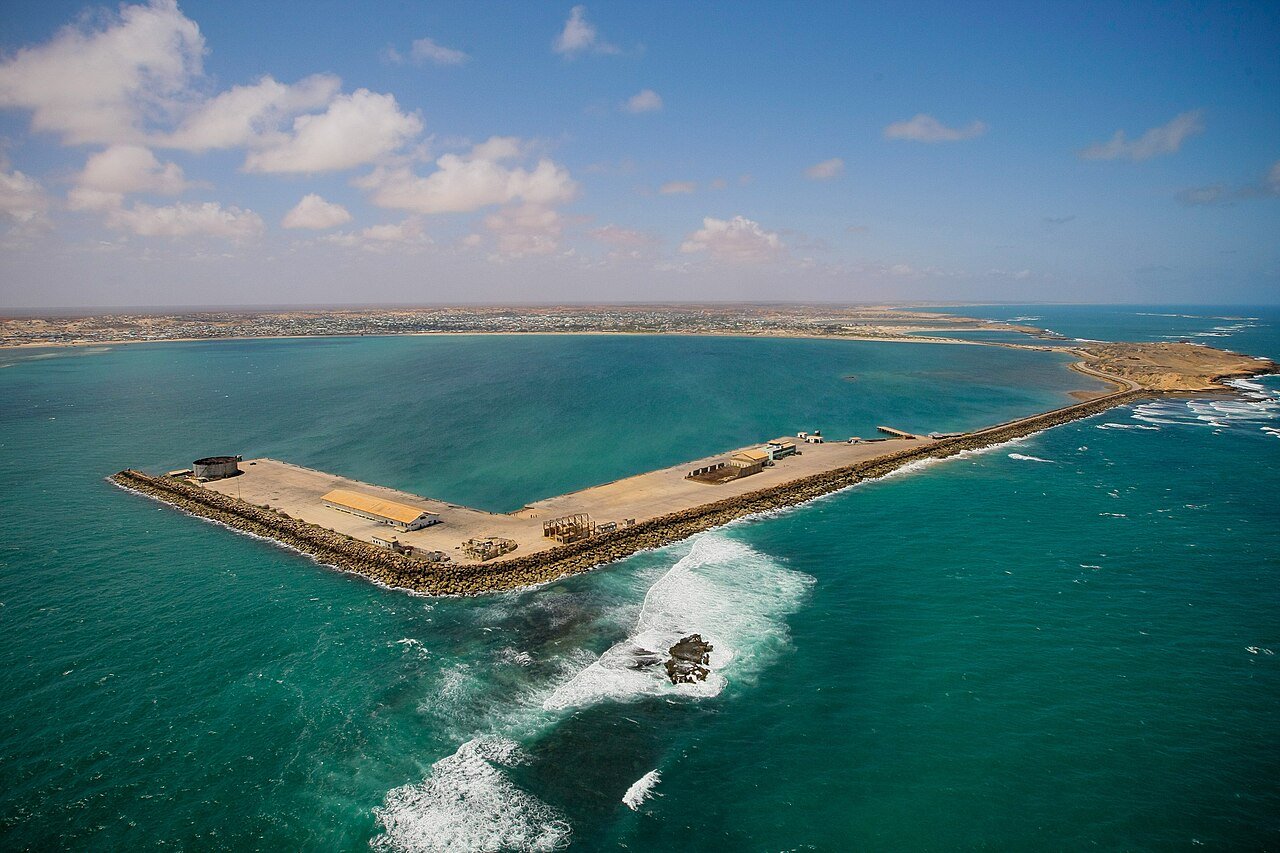
Trade, energy and security on the agenda
The meeting’s discussions were expected to focus on the future policy direction of the association, strengthening regional cooperation frameworks and identifying new areas of collaboration. Reporting on the meeting pointed to cooperation across areas including:
- Maritime safety and security, and keeping sea lanes peaceful and secure
- Trade, investment and connectivity across the Indian Ocean region
- Sustainable development and the blue economy
- Practical regional initiatives that deliver tangible benefits to member states
Jaishankar stressed that the Indian Ocean remains central to the economic and strategic interests of countries across the region and beyond, and that collective action among regional countries is essential to maintaining a peaceful, stable and secure maritime region.
What comes next
The deliberations in New Delhi were expected to give the association a clearer sense of direction under India’s chairship, with Jaishankar saying the members’ discussions would “provide clear direction for the future of IORA”. No final declaration or list of agreed decisions from the meeting had been publicly reported at the time of writing, and the association’s next steps will become clear as the outcomes of the ministerial session are published.
What is already clear is the direction India wants the grouping to take: more practical cooperation, deeper engagement with dialogue partners, and an association strong enough — institutionally and financially — to carry a collective voice for the Indian Ocean in a changing global order. For the 23 member states and 12 dialogue partners gathered in New Delhi, that ambition is now the measure against which the chairship will be judged.
The New Delhi meeting put India’s chairship theme to its first full test — and the ministers left with a shared task: turning a call for a stronger regional voice into practical cooperation across the Indian Ocean.
By The BNN Media
The Best News Network
News Beyond the Borders
Sources: Ministry of External Affairs statement as reported by PTI via The Hindu BusinessLine; IANS reporting on the opening remarks and the meeting preview. Quotes are as reported by IANS.