By
Hundreds of cases of dried fish sold in Asian grocery stores across America have been recalled because the fish were not properly gutted before drying — a fault that can allow the bacterium that causes botulism to grow.
By The BNN Media
The Best News Network
News Beyond the Borders
Brooklyn, New York — Prime Food Processing LLC of Brooklyn, New York, is voluntarily recalling 425 cases of dried croaker fish and dried herring fish because the products were not adequately eviscerated, according to notices posted by the US Food and Drug Administration (FDA) on 23 November 2026. No illnesses have been reported in connection with the recalled fish.
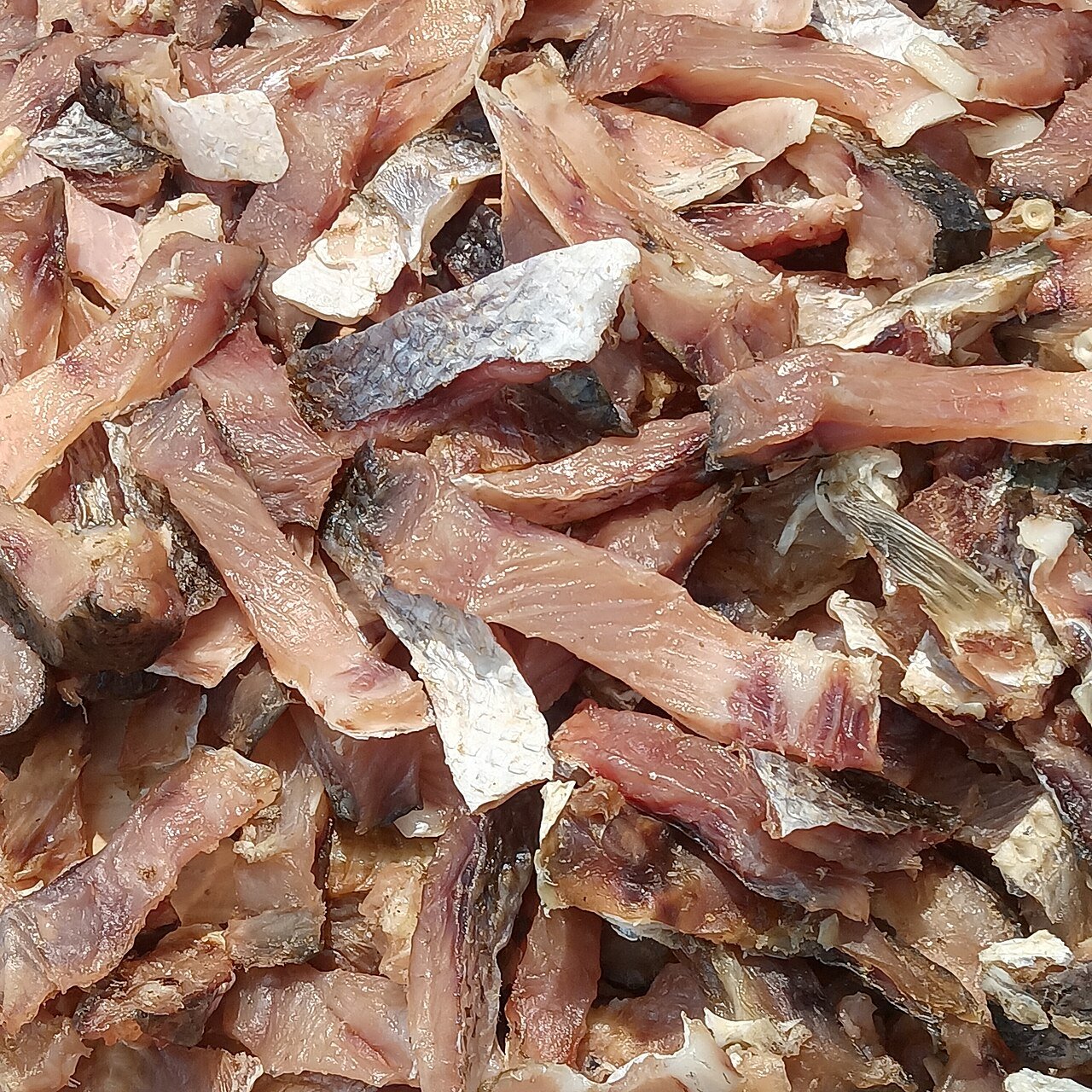
What has been recalled
The recall covers three lots of dried fish, all sold in clear 7-ounce (198 g) plastic packages carrying no brand name. Shoppers cannot rely on a logo to spot the affected bags — the item number, lot code, expiry date and the colour of the trim on the packaging are the only way to tell them apart.
- Dried Croaker Fish, item AF1340 — lot code 24302, expiry 24 June 2027, orange and green trim on the packaging — 100 cases.
- Dried Croaker Fish, item AF1420 — lot code 24215, expiry 3 February 2027, blue and green trim on the packaging — 100 cases.
- Dried Herring Fish, item AF4110 — lot code 25180, expiry 28 December 2027, blue trim on the packaging — 225 cases.
The company announced the croaker recall on 10 November, thirteen days before the FDA posted it on 23 November. The herring recall was announced and posted on 23 November. Together, the three lots add up to 425 cases.
The takeaway: with no brand name on the bags, the lot code and trim colour are the only reliable checks — anyone with dried croaker or dried herring bought recently should look at the packet, not the brand.
Why ungutted fish is dangerous
The danger lies in a single skipped step. Evisceration — removing the guts of the fish — has to happen before the fish is salted and dried. The FDA notices explain that Clostridium botulinum spores are more likely to be concentrated in the viscera, the gut, than in any other part of the fish, and uneviscerated fish have been linked to outbreaks of botulism poisoning.
New York State Agriculture and Markets regulations prohibit the sale of uneviscerated fish for exactly this reason. Salting and drying an ungutted fish does not reliably stop the spores from producing toxin, so the gut has to come out before drying starts.
Botulism is a rare but serious illness. According to the FDA notices, its symptoms include dizziness, blurred or double vision, and trouble with speaking or swallowing. Difficulty in breathing, weakness of other muscles, abdominal distension and constipation may also be common symptoms. People experiencing these problems should seek immediate medical attention.
The takeaway: this is not a quality complaint about taste or freshness — it is a food-safety failure in which a basic preparation step was missed, and the consequence can be a medical emergency.
How the problem was found
The problem was identified during routine testing conducted by the New York State Department of Agriculture and Markets. The recall was initiated after the product was selected and sent for regulatory testing, and a subsequent investigation determined that the problem originated from an imported product manufactured in Vietnam.
The fish was not made in the United States. Prime Food Processing is the Brooklyn-based company that distributed it, but the investigation traced the fault back to the imported product from Vietnam — a reminder of how far a single consignment can travel before a testing programme catches it.
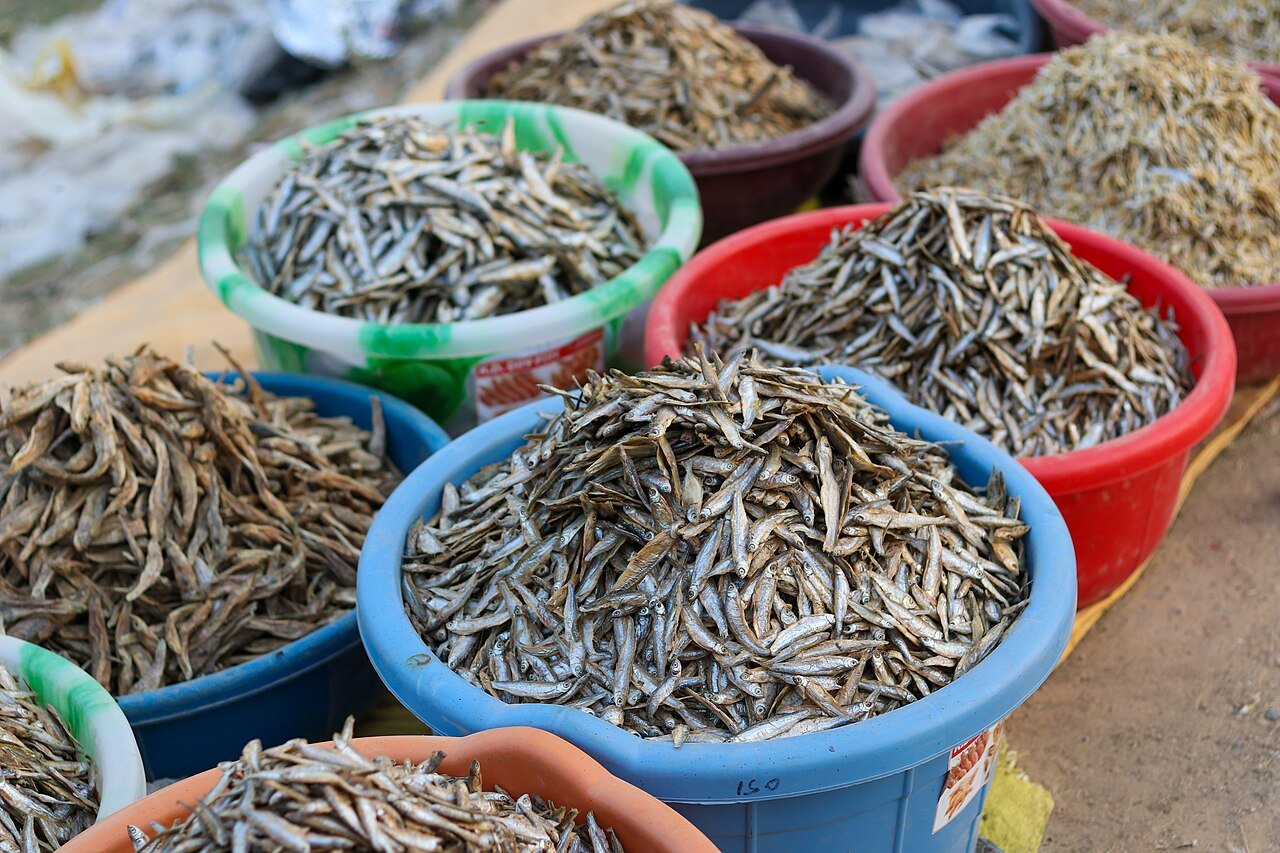
Where the fish was sold
The recalled fish was distributed to Asian grocery stores across 31 states combined, according to reports of the FDA notices. The herring alone reached 28 states: Alabama, Arkansas, California, Colorado, Florida, Georgia, Hawaii, Idaho, Illinois, Indiana, Kansas, Massachusetts, Maryland, Michigan, Minnesota, Missouri, North Carolina, New Jersey, Nevada, New York, Ohio, Oklahoma, Oregon, Tennessee, Texas, Utah, Washington and Wisconsin.
The two croaker lots were sold in overlapping groups of states including California, Florida, Georgia, Illinois, Massachusetts, Michigan, New Jersey, New York, Pennsylvania, Texas and Washington, among others.
Because the fish was sold in small neighbourhood grocery stores rather than through a single national chain, there is no single list of shops for customers to check. Shoppers in any of the 31 states who buy dried fish from Asian grocery stores should check the item number, lot code and expiry date on the packet.
The takeaway: the recall is wide — 31 states — but the risk is narrow and specific: only the three named lots are affected, and only those packets need to be returned.
A repeat recall for the same herring
The November recall is the second time this year that the same dried herring product has been pulled from sale. In June 2026, Prime Food Processing recalled 69 cases of the same Dried Herring Fish, item AF4110 — that time lot code 26020, expiring 12 June 2028 — for the same reason: the fish had not been adequately eviscerated. The November notice covers a later lot of the same product.
The repeat raises an obvious question about how the same fault recurred within months, and it comes as widening product recalls continue to put American food and product safety in the spotlight. Neither FDA notice explains what changed — or failed to change — between the June and November recalls, and the company has not been reported as giving further detail.
The takeaway: a second recall of the same product for the same fault is the most worrying part of this story — it suggests the June recall did not fix the underlying problem.
What shoppers should do
The advice from the company and the FDA is simple, and it applies only to the three lots listed above.
- Do not eat the recalled fish — and do not taste it to check whether it is safe.
- Return the uneaten fish and its packaging to the store where it was bought for a full refund.
- If returning it is not possible, throw it away in a sealed bag where children and pets cannot reach it.
- Anyone who has eaten the fish and develops symptoms such as dizziness, blurred or double vision, or trouble speaking or swallowing should seek medical attention immediately.
- Questions can go to Prime Food Processing at 718-963-2323, Monday to Friday, 9:00 a.m. to 5:00 p.m. Eastern Time.
No illnesses reported — but the warning stands
As of the publication of the FDA notices, no illnesses or adverse reactions associated with the affected products had been reported. That is welcome news, but it does not reduce the risk: botulism linked to uneviscerated fish has caused outbreaks before, which is why New York prohibits the sale of such fish at all.
The recall will remain a warning rather than a tragedy only if the affected packets are found and returned. With no brand name to look for, that depends on shoppers checking lot codes — AF1340 lot 24302, AF1420 lot 24215, and AF4110 lot 25180 — and on the small grocery stores that stocked the fish passing the message on to their customers.
The takeaway: no one has fallen ill, but the system worked only because routine testing caught the fault. The next step belongs to shoppers and shopkeepers: check the packet, and send the recalled lots back.
By The BNN Media
The Best News Network
News Beyond the Borders